
3 min walk
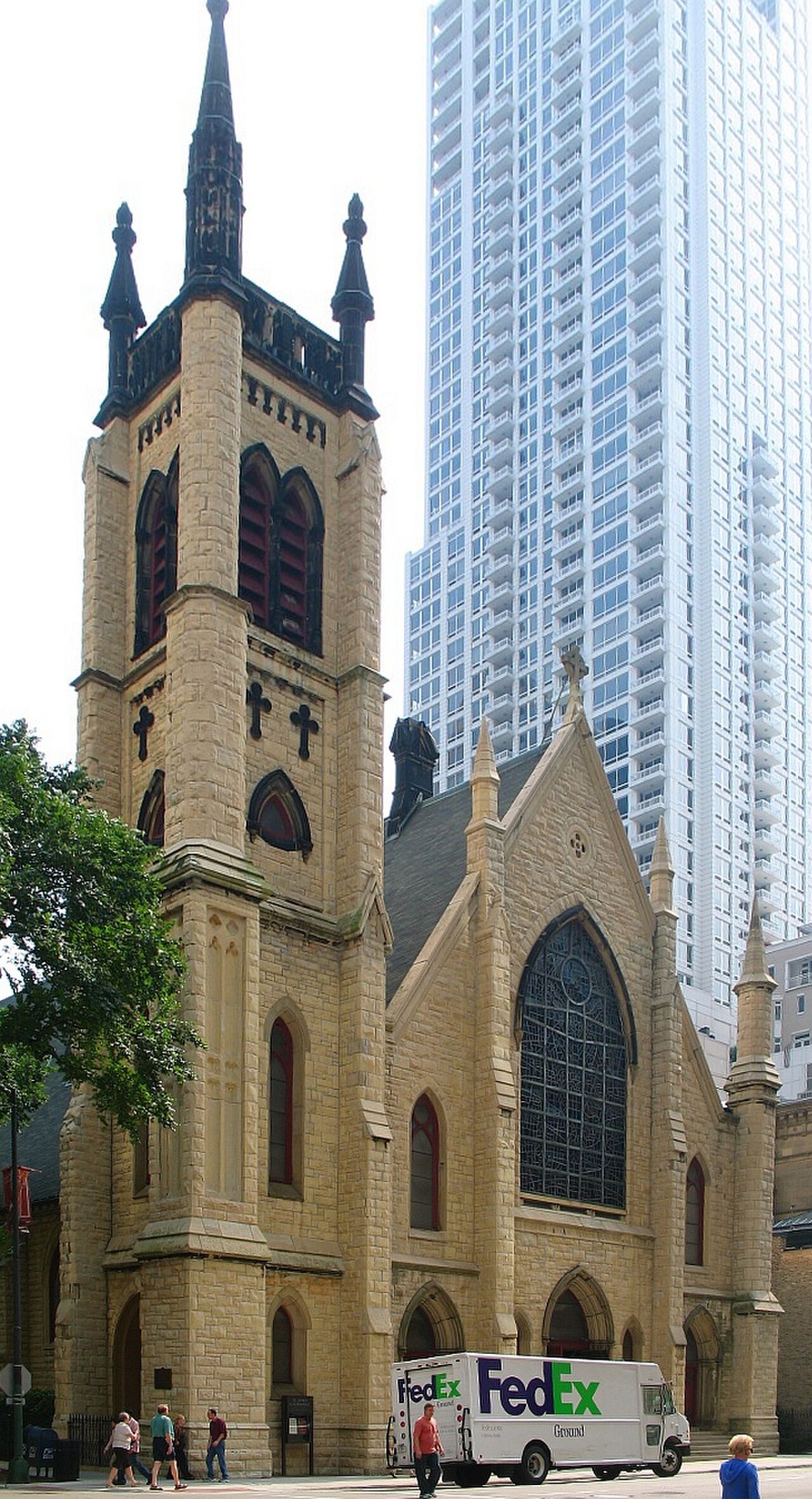
St. James Cathedral
- Notable
- Place of worship
Place of worship · Chicago
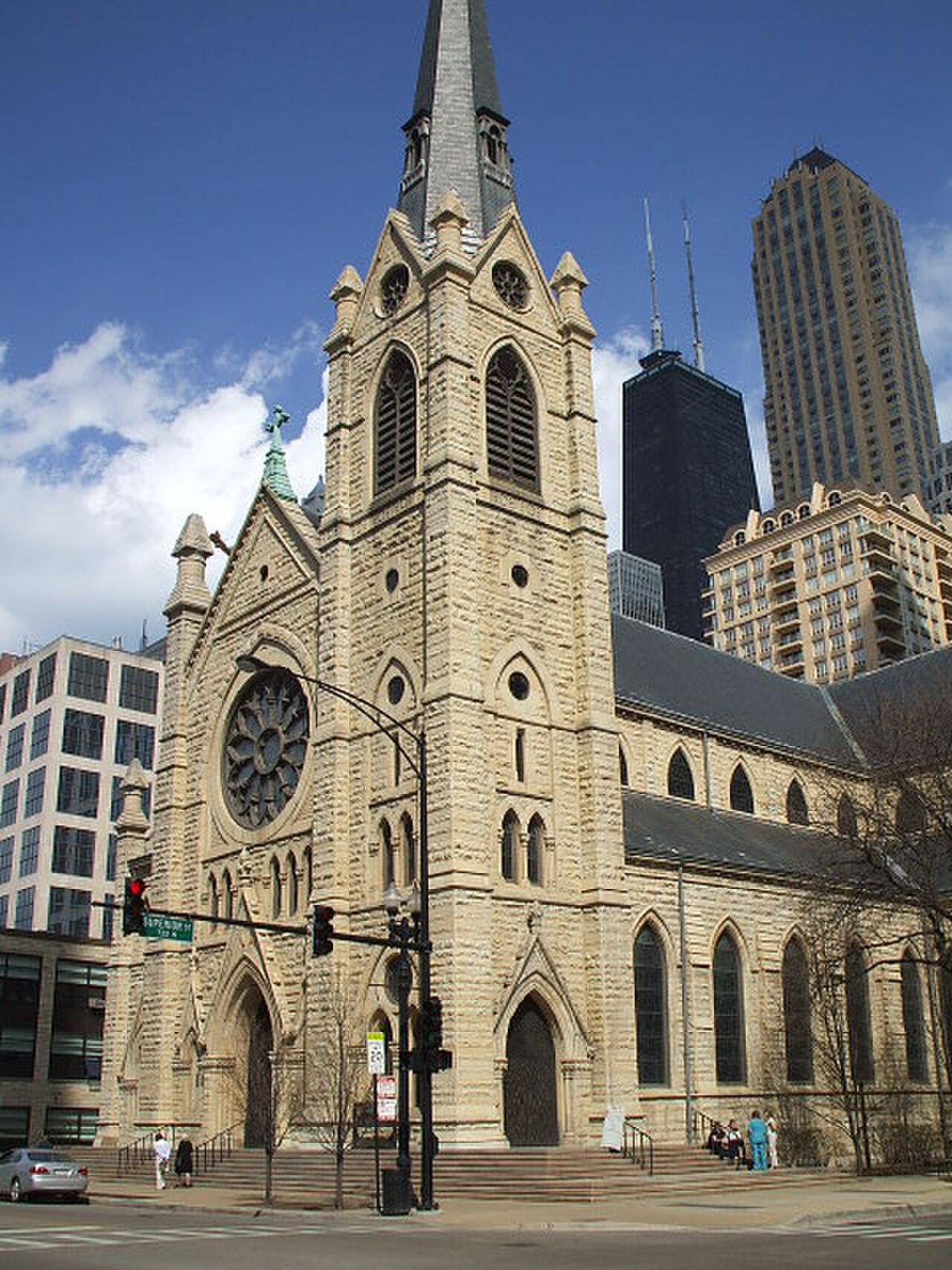
Holy Name Cathedral is Chicago’s principal Roman Catholic cathedral and the seat of the Archdiocese of Chicago. It is an active place of worship as well as a significant Gothic Revival landmark in the city’s Near North Side. The cathedral’s role is both spiritual and civic: it serves its congregation while representing the history and presence of Catholic life in Chicago. Visitors interested in architecture can appreciate the building’s nineteenth-century ecclesiastical character, especially in contrast with the dense urban streets and modern towers around it. The cathedral is best approached with the understanding that worship remains its primary purpose, while architectural visits are welcomed within that setting.
Checked 2026-08-26 · Source
The interior expresses the Gothic Revival style through pointed arches, ribbed vaulting, stained glass, and carefully arranged stone and brickwork. Altar furnishings, devotional artwork, pews, and the layout for liturgical processions make the building legible as a working cathedral rather than a decorative shell. Look upward for the vertical emphasis typical of Gothic design, then slow down to notice the relationship between light, colour, and the worship space. Religious imagery and architectural details are meant to support prayer and ceremony, so observation should remain quiet and unobtrusive.
Checked 2026-08-26 · Source
A short architectural visit usually takes around thirty to sixty minutes. That allows time to look across the nave, notice the pointed arches and stained glass, and pause over the atmosphere of the interior without turning the visit into a rushed stop. Anyone attending Mass or another service should allow the full length of the liturgy and arrive with time to settle quietly. Architecture enthusiasts may stay longer to examine details, but the cathedral does not require extensive walking between separate visitor zones. Keep the pace flexible because worship, prayer, and ceremonies take precedence over sightseeing.
Checked 2026-08-26 · Source
Holy Name Cathedral can provide a calm architectural pause during a Near North Side itinerary, especially between busier downtown streets. The most suitable moment for sightseeing is a quiet period between religious activities, when visitors can observe without disturbing worshippers. Sundays and major holy days bring a stronger liturgical presence, while Christmas and Easter can make the cathedral particularly active. Visitors who want to attend Mass should structure the visit around the service rather than treating it as a standard attraction. The cathedral’s urban setting makes it easy to combine with nearby shopping, dining, and architectural walks.
Checked 2026-08-26 · Source
Holy Name Cathedral is a place of worship rather than a conventional paid attraction, so general entry for prayer or quiet architectural observation is not framed as a museum ticket experience. Donations may support the cathedral’s ministry and maintenance. Services, concerts, ceremonies, or other organised programmes can have arrangements distinct from ordinary entry. Visitors should therefore treat the cathedral as a sacred public space: enter respectfully, observe the atmosphere, and avoid turning voluntary support into an assumed admission charge. The value of the visit comes from the building’s architecture, active religious role, and place in Chicago’s civic landscape.
Checked 2026-08-26 · Source
Holy Name Cathedral is in Chicago’s Near North Side and is connected to the city’s wider public transport network. CTA bus routes serve the surrounding streets, and the Red Line offers nearby rail access with stations within walking distance. The cathedral is also practical to reach on foot from central hotels, Michigan Avenue, and other downtown destinations. Street parking in the neighbourhood can be limited, while taxis and rideshare services provide direct drop-off options. A walking route through the district works especially well because the cathedral can be combined with the architecture, shops, and public spaces of the surrounding area.
Checked 2026-08-26 · Source
Holy Name Cathedral remains an active religious site, so visitors should dress and behave with consideration. Keep voices low, silence phones, and give worshippers space during prayer and services. Do not walk into areas reserved for clergy or ceremonies, and pause sightseeing when liturgical activity is underway. The cathedral’s downtown location brings normal urban foot traffic outside, while Chicago’s winter cold and summer heat can affect the approach. Children should stay close and understand that the interior is not a playground. The most rewarding visit is observant and calm, allowing the building to be experienced without compromising its sacred purpose.
Checked 2026-08-26 · Source
The cathedral offers strong photographic subjects in its Gothic Revival structure, stained glass, pointed arches, and vertical interior lines. Exterior views from the surrounding streets show the contrast between the historic church and the modern Near North Side. Inside, use a quiet, discreet approach and keep worshippers, prayer, and ceremonies out of the way of image-making. Flash can distract people and undermine the atmosphere, while large equipment can obstruct movement. Architectural details often photograph better when you pause to find balanced light and repeated forms. Let the cathedral’s religious function set the pace: observation and respect come before collecting images.
Checked 2026-08-26 · Source
Yes. Visitors of any faith can enter for quiet observation or prayer, provided they respect the cathedral’s active religious purpose.
The cathedral is a prominent example of Gothic Revival architecture, with pointed arches, ribbed vaulting, stained glass, and vertical interior emphasis.
Allow about thirty to sixty minutes for architectural observation, with additional time if you attend Mass or another service.
Visitors can attend Mass, but they should participate respectfully or observe quietly from an appropriate place in the congregation.
Look for the pointed arches, ribbed vaulting, stained glass, altar furnishings, devotional artwork, and the liturgical arrangement of the worship space.
It stands in Chicago’s Near North Side, within walking distance of central destinations and reachable by CTA buses and the nearby Red Line.
Loading the interactive map…
The interactive map could not be loaded.
Last updated:
Source: OpenStreetMap contributors, Wikidata ·