
3 min walk
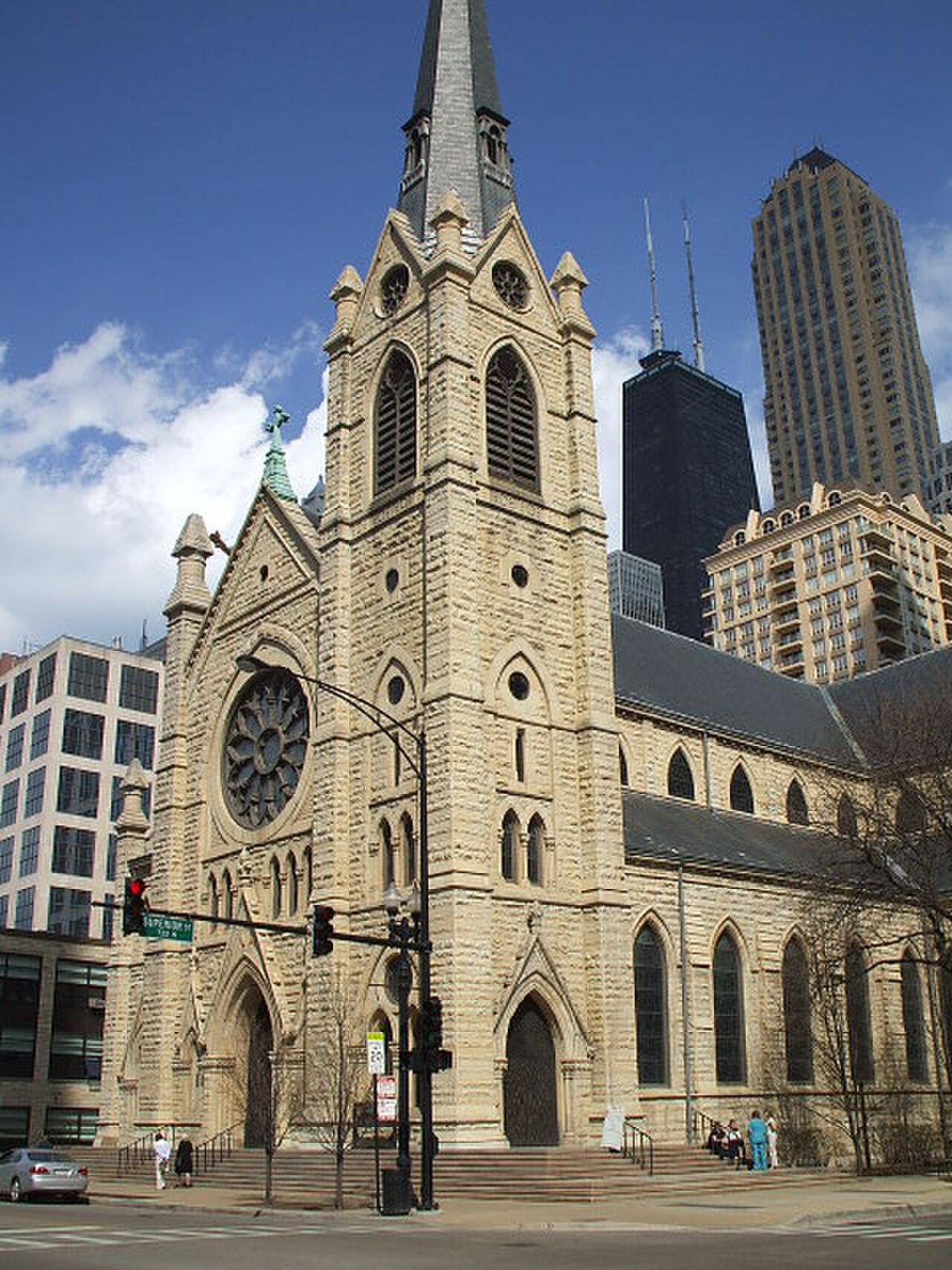
Holy Name Cathedral
- High · Heritage site
- Place of worship
Language · 11 published
Place of worship · Chicago
St. James Episcopal Cathedral
Reviewed by Elena Voss · Roavina Travel Editor
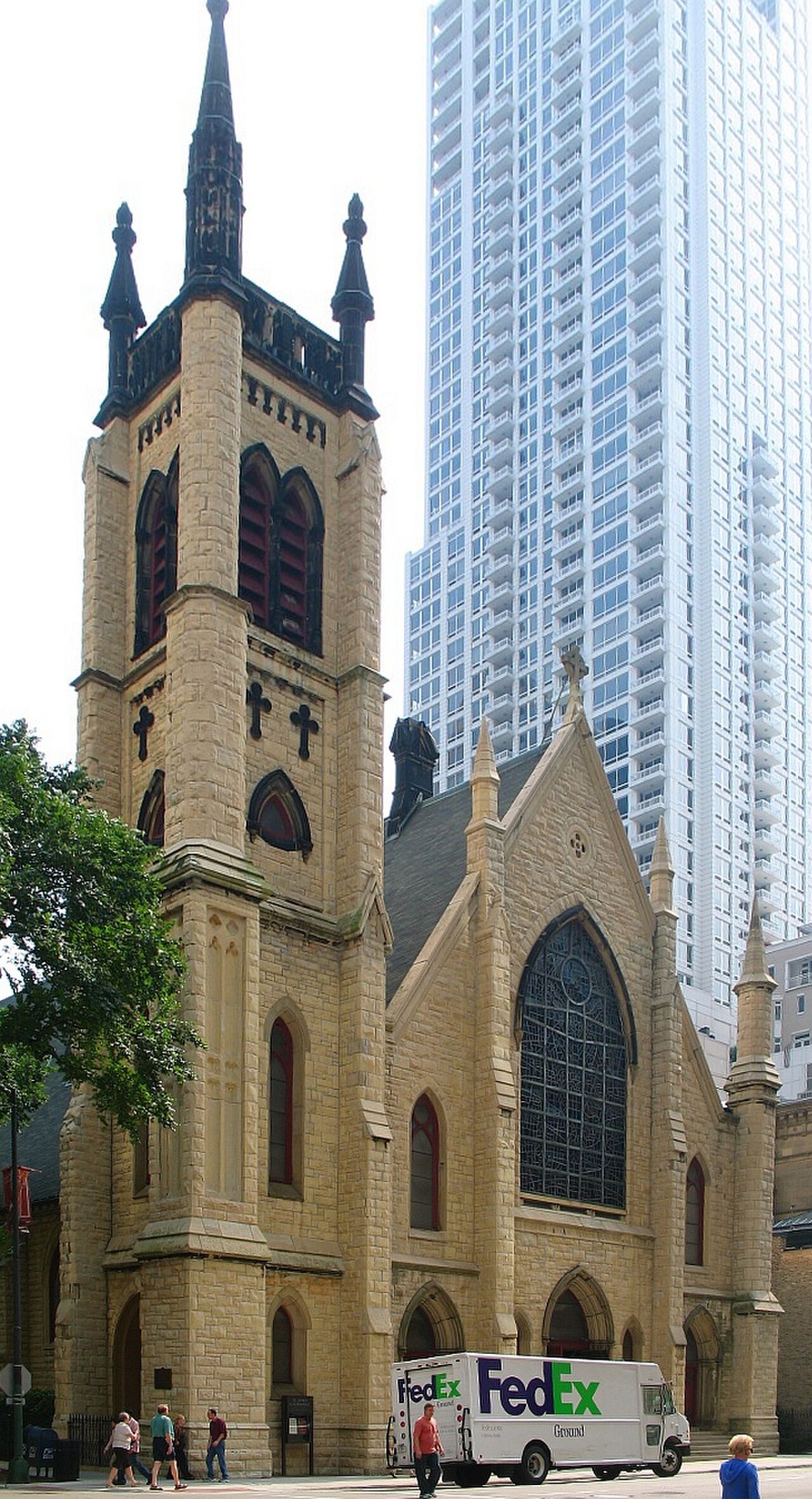
This place is a Place of worship. It was established in 1875. It was built in the Gothic Revival style.
St. James Cathedral is an historic Episcopal cathedral on Huron Street in Chicago. It is the cathedral church of the Episcopal Diocese of Chicago, serving as both an active parish church and the seat of the diocesan bishop. Visitors encounter a working religious building rather than a museum attraction. Its importance comes from its architectural presence, ecclesiastical role, and place in Chicago’s urban religious heritage. Quiet, respectful behaviour is central to any visit. James Cathedral is a historic Episcopal cathedral located on Huron Street in Chicago. It serves as the cathedral church of the Episcopal Diocese of Chicago. The building holds significance as a longstanding religious and architectural landmark within the city. As an Episcopal cathedral, it functions as both a parish church and the seat of the diocesan bishop. The structure represents an important part of Chicago's ecclesiastical heritage and urban religious landscape. Visitors should note that active worship spaces require respectful conduct. Public access is not guaranteed; active cathedrals prioritize worship functions. Direct contact with cathedral staff is required to confirm current visitor policies.
Checked 2026-08-26 · Source
The cathedral contains worship spaces, liturgical furnishings, and architectural elements serving Episcopal congregational life. The interior should be approached as an active place of worship, with its arrangement shaped by current services as well as the building’s history. Visitors will find a religious atmosphere rather than a curated exhibition route or interactive display. The cathedral’s value is in experiencing its architecture and sacred setting with appropriate quiet, especially when worshippers, clergy, or parish activities are present. The interior of St. James Cathedral contains features typical of Episcopal cathedral design, including worship spaces, liturgical furnishings, and architectural elements consistent with cathedral function. The space serves active congregational use, meaning contents may reflect current liturgical needs rather than static museum display. Visitors should expect a functioning religious environment rather than a curated exhibition space.
Checked 2026-08-26 · Source
A visitor interested in quiet architectural observation can spend roughly fifteen to thirty minutes inside when access permits. Anyone attending a service will remain for the service rather than following a sightseeing timetable. The experience is contemplative and self-directed, without an exhibition sequence. Allow additional time if you are walking through the surrounding Chicago streets. A short cathedral visit fits naturally into an urban itinerary built around architecture, history, and religious landmarks.
Checked 2026-08-26 · Source
St. James Cathedral serves an active congregation, so worship services, funerals, weddings, and diocesan events shape when visitors can enter or look around. Service schedules follow the life of the church and its liturgical calendar. A quiet period outside worship is the most suitable setting for architectural observation. Chicago weather matters mainly for the walk to Huron Street and for combining the cathedral with nearby city attractions, especially in winter.
Checked 2026-08-26 · Source
Worship and ordinary quiet visitation at an Episcopal cathedral are generally not organised as a ticketed attraction. Visitors should treat the building as a church, where voluntary donations may be welcomed. Concerts, special events, or organised experiences can follow different arrangements. For a normal architectural visit or service, the important preparation is respectful conduct and awareness that religious use takes priority over sightseeing.
Checked 2026-08-26 · Source
St. James Cathedral is on Huron Street within Chicago’s urban grid. Bus routes and the elevated train system serve the general downtown-adjacent area, and the cathedral can be approached on foot from surrounding streets. Street parking is constrained and often metered in this part of Chicago. Rideshare services operate throughout the city. In winter, allow extra care for cold, snow, and slippery walking conditions when connecting the cathedral with other stops.
Checked 2026-08-26 · Source
This is an active religious building, so keep voices low, dress with consideration, and give worshippers privacy. Entry or movement may be limited during services, funerals, weddings, and diocesan events. Ask before taking photographs, and put the camera away if staff or worship activity requires it. Stay alert on surrounding city streets, particularly after dark. The building’s historic character may also mean that mobility conditions deserve attention before a visit.
Checked 2026-08-26 · Source
Treat photography as secondary to worship. Ask cathedral staff for permission before photographing the interior, and never photograph people engaged in prayer without consent. Avoid flash during services or quiet periods, and keep equipment from blocking entrances, paths, or congregational movement. Tripods and commercial equipment require particular care in a working church. The strongest images may come from architectural details and atmosphere, but respectful observation should guide every composition.
Checked 2026-08-26 · Source
It is an historic Episcopal cathedral on Huron Street and the cathedral church of the Episcopal Diocese of Chicago.
Episcopal services are generally open to the public, with visitors expected to observe the liturgy quietly and respectfully.
A short visit focused on quiet observation can take about fifteen to thirty minutes. A service follows its own duration.
Ordinary worship and quiet visitation are generally not organised as ticketed entry. Voluntary donations may be welcomed.
Keep voices low, dress considerately, respect worshippers, and give services and church events priority over sightseeing.
Ask cathedral staff before taking interior photographs, avoid photographing worshippers without consent, and keep equipment unobtrusive.
Loading the interactive map…
The interactive map could not be loaded.

Last updated:
Source: OpenStreetMap contributors, Wikidata ·