.jpg)
3 min walk
Fourth Presbyterian Church of Chicago
- High · Heritage site
- Place of worship
Language · 11 published
Historic monument · Chicago
Reviewed by Elena Voss · Roavina Travel Editor
| Monday | 10:00 – 19:00 |
|---|---|
| Tuesday | 10:00 – 19:00 |
| Wednesday | 10:00 – 19:00 |
| Thursday | 10:00 – 19:00 |
| Friday | 10:00 – 19:00 |
| Saturday | 10:00 – 17:00 |
| Sunday | 10:00 – 17:00 |
Parsed from OpenStreetMap opening hours on 2026-09-09.
It was built in the Gothic Revival style. It was designed by William W. Boyington. It carries the National Register of Historic Places contributing property heritage designation.
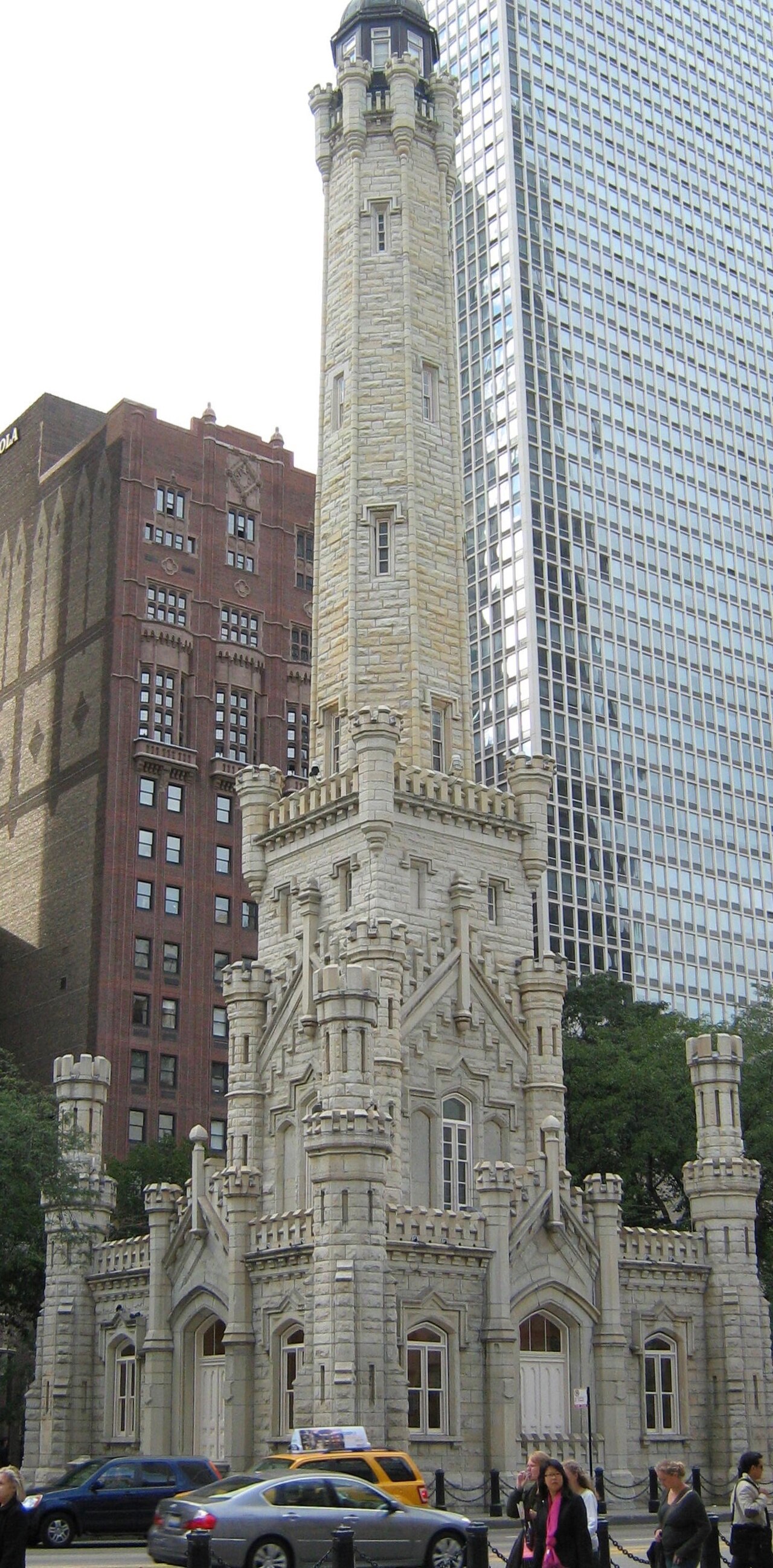
The Chicago Water Tower is a historic water tower on Michigan Avenue in Chicago, Illinois. Built in 1869, it is one of the few structures to survive the Great Chicago Fire of 1871. Designed by architect William W. Boyington, the limestone structure stands as a symbol of Chicago's resilience and recovery. It now serves as a Chicago Office of Tourism art gallery. The tower stands prominently on the Magnificent Mile, making it a well-known landmark and tourist destination in the city.
Checked 2026-08-26
The Chicago Water Tower currently houses a gallery space operated by the Chicago Office of Tourism. The interior features exhibition areas that display rotating art installations and cultural exhibits. Visitors can view the gallery contents during open hours. The building's historic architecture is visible from the interior as well as the exterior. The original water pumping machinery is no longer present. The space is relatively compact given the building's modest footprint. Visitors should check current exhibition schedules before planning a visit, as displayed works change periodically throughout the year.
Checked 2026-08-26
A visit to the Chicago Water Tower typically requires a brief amount of time. Most visitors spend approximately fifteen to thirty minutes viewing the gallery exhibits and appreciating the historic architecture. The compact interior space limits extended stays. Visitors often combine this stop with other Magnificent Mile attractions. Photography and observation of the exterior may add additional time. Those with strong interest in architectural history or the Great Chicago Fire may wish to spend longer examining details. The surrounding area offers numerous other destinations for a full day of sightseeing in downtown Chicago.
Checked 2026-08-26
Visitors should verify current opening times through official Chicago tourism channels before planning their visit. The exterior of the Water Tower is visible at all hours from Michigan Avenue. Seasonal weather in Chicago varies significantly, with cold winters and warm summers affecting outdoor photography and walking conditions along the Magnificent Mile. The landmark draws visitors throughout the year. Evening illumination of the exterior may offer different photographic opportunities compared to daytime visits. Checking ahead for any special events or temporary closures is advisable. Check the operator's own site for the travel date before relying on a schedule or fare.
Checked 2026-08-26
The Chicago Water Tower has historically offered free admission to its gallery space, though visitors should verify current policies through official sources. No advance ticket purchase is typically required for this attraction. The surrounding Magnificent Mile area contains numerous commercial establishments with their own pricing structures. Visitors should budget for transportation, meals, and any additional attractions they plan to experience. The Water Tower itself represents an accessible cultural destination regardless of individual travel budgets, contributing to its popularity among diverse visitor groups. Check the operator's own site for the travel date before relying on a schedule or fare.
Checked 2026-08-26
The Chicago Water Tower stands on Michigan Avenue in downtown Chicago, easily accessible via public transportation. Multiple Chicago Transit Authority bus routes serve the Magnificent Mile corridor. The nearest elevated train stations are located within walking distance on the Loop. Driving presents parking challenges typical of dense urban centers, with paid garages and street parking available nearby. The area is highly walkable, connecting to other major attractions. Visitors staying in downtown hotels often reach the site on foot. Bicycle lanes and rideshare services operate throughout the area. Winter weather may affect walking comfort and transportation reliability.
Checked 2026-08-26
Visitors should remain aware of typical urban conditions in a busy downtown district. The Michigan Avenue location experiences heavy pedestrian and vehicle traffic, requiring attention when crossing streets. Winter months bring snow, ice, and cold temperatures that affect walking surfaces and outdoor comfort. The compact gallery interior may become crowded during peak tourist seasons. Visitors should respect any posted guidelines regarding photography or exhibit interaction. The historic structure has limitations in accessibility features compared to modern buildings. Personal belongings should be secured in crowded conditions. Nearby construction or events may occasionally affect pedestrian flow on surrounding sidewalks.
Checked 2026-08-26
The Chicago Water Tower offers distinctive photographic opportunities from multiple angles. The ornate limestone exterior provides detailed architectural subjects against the modern city backdrop. Michigan Avenue positioning allows street-level shots capturing the tower's height and decorative elements. The juxtaposition with surrounding contemporary buildings creates compelling visual contrast. Interior gallery photography may be restricted depending on current exhibitions. Evening exterior lighting produces different atmospheric effects than daytime illumination. Tripod use in high-traffic areas requires caution and awareness of pedestrian flow. Weather conditions significantly impact image quality and visitor comfort during extended photographic sessions. The landmark's narrow profile presents compositional challenges worth planning for.
Checked 2026-08-26
No. The Chicago Water Tower no longer functions as part of the water system. It now serves as a gallery space operated by the Chicago Office of Tourism.
The Chicago Water Tower survived the 1871 fire when most surrounding structures burned. Its limestone construction and the efforts of firefighters helped preserve it as a rare survivor.
The gallery has historically been free, but visitors should verify current policies through official sources. Check the operator's own site for the travel date before relying on a schedule or fare.
The interior contains a gallery with rotating art exhibitions and cultural displays. The original pumping equipment is no longer present.
Most visitors spend fifteen to thirty minutes. The compact space and changing exhibitions make this a brief stop typically combined with other Magnificent Mile activities.
Yes. Multiple CTA bus routes serve the area, and nearby elevated train stations are within walking distance on the Loop.
Loading the interactive map…
The interactive map could not be loaded.
Last updated:
Source: OpenStreetMap contributors, Wikidata ·