
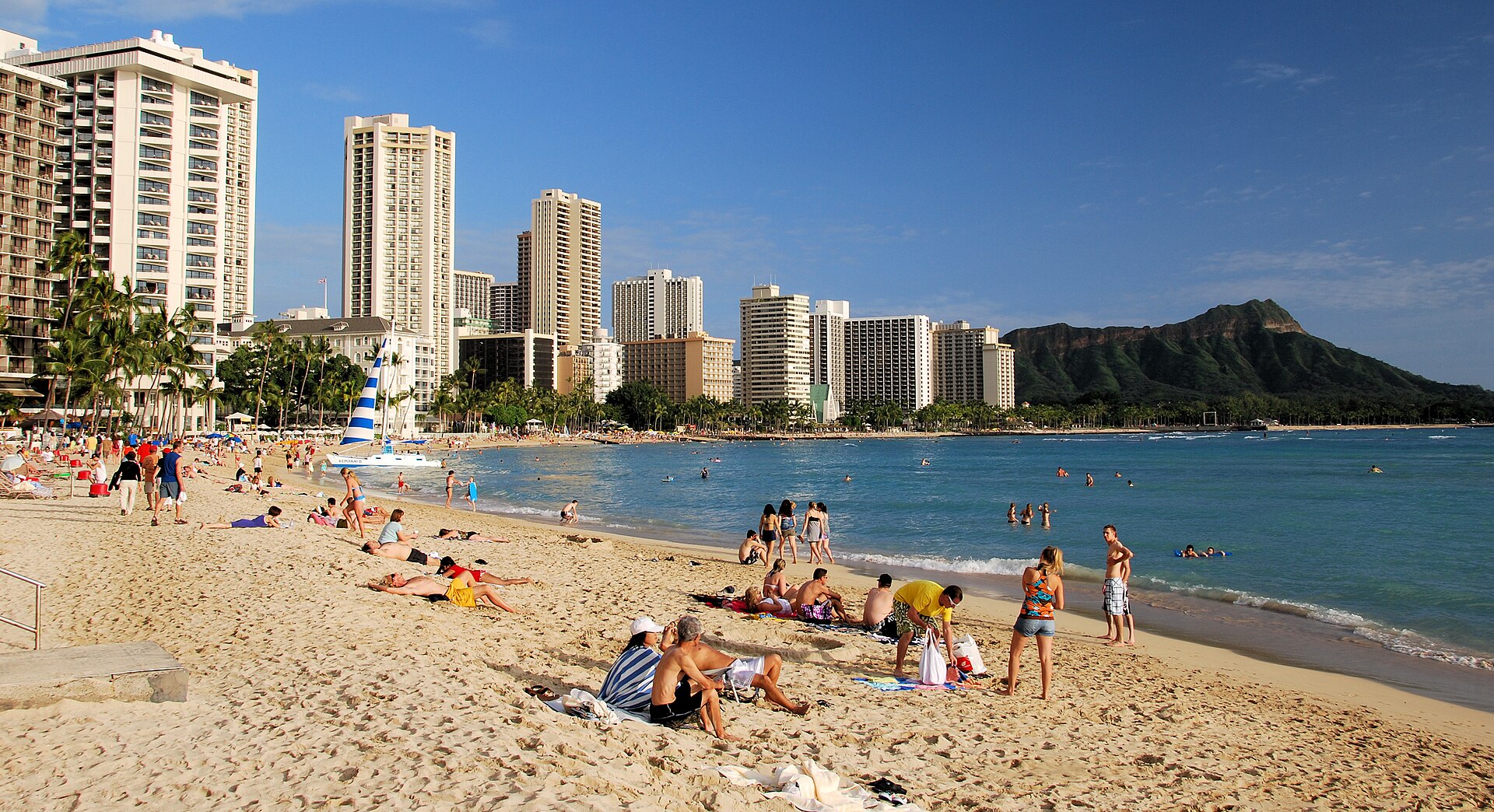
3 min walk
Waikiki Beach
- Must see
- Nature site
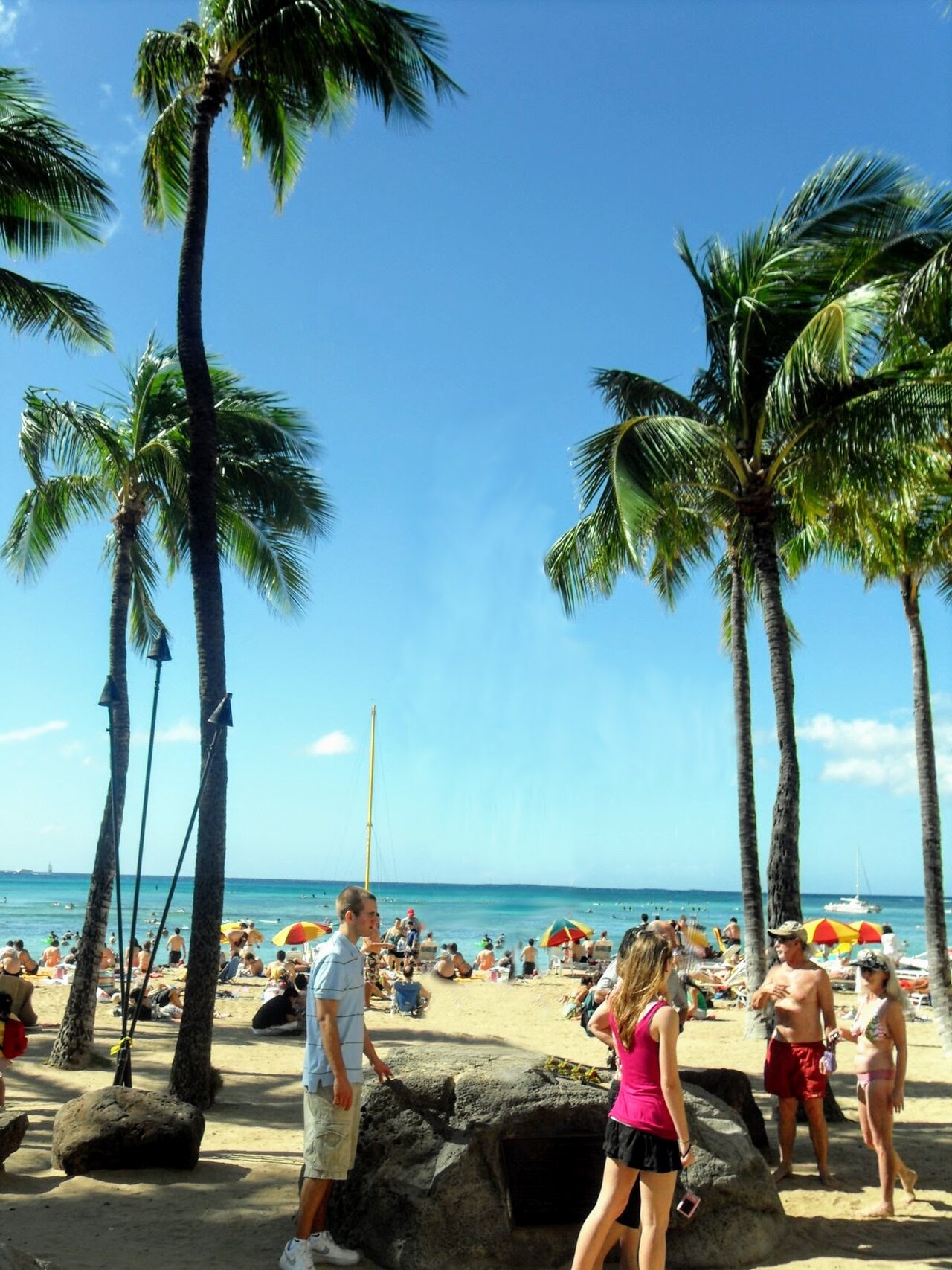
Historic monument · Honolulu
The Duke Kahanamoku Statue stands beside Waikīkī Beach as a bronze memorial to Duke Paoa Kahanamoku, the Hawaiian Olympic swimmer and surfer who helped popularize surfing around the world. The figure’s outstretched arms create a welcoming landmark facing the beach and ocean. Visitors encounter it during ordinary Waikīkī activity: walking the shoreline, heading to the sand, or moving along Kalākaua Avenue. Flower leis often decorate the statue, adding a living expression of respect to a monument connected with Hawaiian athletic achievement and aloha. The Duke Kahanamoku Statue stands on Waikīkī Beach as a bronze monument honoring Duke Paoa Kahanamoku, the Hawaiian Olympic swimmer and surfer who popularized surfing globally. Erected to commemorate his legacy, the statue depicts him with arms outstretched, welcoming visitors to the waters he championed. Yes. Duke Kahanamoku Beach exists in Waikīkī, and both honor the same individual, the Olympic swimmer and surfer.
Checked 2026-08-26 · Source
There is no enclosed interior. The attraction is the outdoor bronze figure, its stone pedestal, and the public beach setting around it. Visitors can view the monument directly, read any plaque information present, and continue toward the shoreline or the surrounding Waikīkī streets. The wider area contains beach facilities and commercial businesses, but those belong to the neighbourhood rather than the statue itself. The strongest context comes from seeing the monument with the beach behind it and recognising how closely Duke Kahanamoku’s legacy remains tied to Waikīkī.
Checked 2026-08-26 · Source
Most visitors need five to fifteen minutes to view the statue, read its information, and take photographs. A longer stop makes sense when the monument is part of a Waikīkī Beach walk, sunrise outing, or sunset stroll. There is no exhibition sequence to complete, so the time is shaped by crowd levels and personal interest. Pause to look at the leis, the pose, and the beach relationship before continuing along the promenade. The statue works best as a meaningful landmark within a broader visit to Waikīkī.
Checked 2026-08-26 · Source
Early morning is useful for quieter viewing and softer light, while midday brings the greatest beach activity and foot traffic. Late afternoon and sunset create a strong connection between the statue, the ocean, and Waikīkī’s changing light. The monument is outdoors, so sun, heat, surf spray, and occasional rain can affect comfort at any hour. It can be especially evocative when flower leis are present. Time your visit around the atmosphere you want: calm reflection, beach energy, or photography against the evening sky.
Checked 2026-08-26 · Source
Viewing the Duke Kahanamoku Statue is free because it is an outdoor public monument in the Waikīkī Beach area. There are no tickets, gates, or admission steps connected with the statue itself. Separate expenses may arise from nearby parking, dining, beach equipment, or other activities, but they are not charges for this memorial. The simplest way to include it is as a short cultural stop during a walk between the beach, Kalākaua Avenue, and nearby Waikīkī landmarks.
Checked 2026-08-26 · Source
The statue is beside Waikīkī Beach along the Kalākaua Avenue corridor. Visitors staying in Waikīkī can reach it easily on foot from surrounding hotels and beach access points. Public buses serve the avenue, with stops within walking distance. Rideshare and taxi drop-offs use nearby roads, while driving requires dealing with the limited and costly parking common to a busy resort district. A walk through Waikīkī is usually the most natural approach, allowing the statue to be combined with the beach, promenade, and nearby shops.
Checked 2026-08-26 · Source
Crowds can gather around the statue, especially at midday, on weekends, and during busy tourism periods. The beach setting brings strong sun, sand, water spray, and potentially slippery surfaces near the shore. Leave space for other visitors and do not disturb the flower leis placed as offerings. The immediate area is connected with sand and public beach movement, which may make access less comfortable for some visitors. At night, ambient lighting affects visibility. Keep phones, cameras, and valuables secure in the busy resort environment.
Checked 2026-08-26 · Source
The statue photographs naturally with Waikīkī Beach, the ocean, or the skyline behind it. Sunrise and late afternoon provide softer light and can reduce the harsh shadows found at midday. Flower leis add colour and cultural meaning, but they should remain undisturbed while you frame the image. Crowds are part of the location, so patience and early timing help with a clearer composition. Use the beach promenade and shoreline as leading lines, and protect equipment from sand, spray, and sudden changes in weather.
Checked 2026-08-26 · Source
It honours Duke Paoa Kahanamoku, the Hawaiian Olympic swimmer and surfer associated with the worldwide spread of surfing.
It stands beside Waikīkī Beach along the Kalākaua Avenue corridor in Honolulu.
Five to fifteen minutes is enough for the monument, plaque, and photographs, with longer time if it forms part of a beach walk.
No. Viewing the outdoor public monument is free.
Early morning and late afternoon offer softer light and can bring fewer people around the statue.
Visitors and locals place leis as respectful offerings connected with Duke Kahanamoku’s legacy and Hawaiian cultural practice.
Loading the interactive map…
The interactive map could not be loaded.


Last updated:
Source: OpenStreetMap contributors ·