


8 min walk
Diamond Head
- Must see · Heritage site
- Viewpoint
Nature site · Honolulu
| Monday |
06:00 – 18:00
Last entry 16:30 |
|---|---|
| Tuesday |
06:00 – 18:00
Last entry 16:30 |
| Wednesday |
06:00 – 18:00
Last entry 16:30 |
| Thursday |
06:00 – 18:00
Last entry 16:30 |
| Friday |
06:00 – 18:00
Last entry 16:30 |
| Saturday |
06:00 – 18:00
Last entry 16:30 |
| Sunday |
06:00 – 18:00
Last entry 16:30 |
| Friday | Closed |
|---|
| Friday | Closed |
|---|
Checked 2026-11-04 · Source

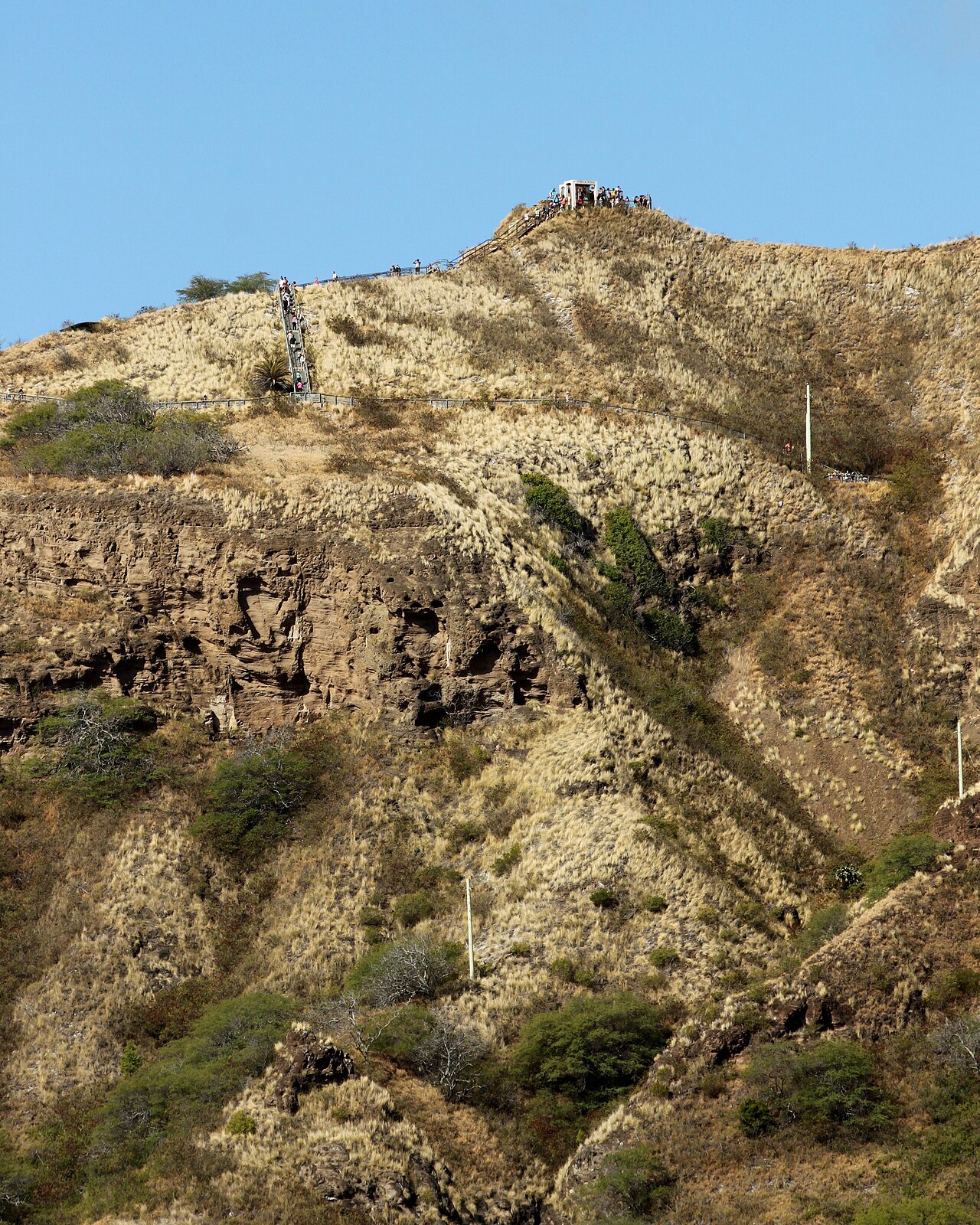
Diamond Head State Monument is the managed park around Lēʻahi's volcanic crater on Oʻahu, not merely a map pin at the summit or the separate roadside lookout. It combines a historic summit trail, crater-floor visitor facilities and views over Honolulu's coast. Hawaiʻi State Parks describes the crater as a tuff cone formed by an explosive eruption about 300,000 years ago. The walk also passes remains of the coastal defence system developed in the early twentieth century. A visitor choosing this POI is choosing a timed park entry and a physical climb, not a quick twenty-minute viewpoint stop. Plan around the official crater entrance and the park's reservation rules; the nearby peak and lighthouse names on a map do not create alternative entry gates.
Checked 2026-11-04 · Source
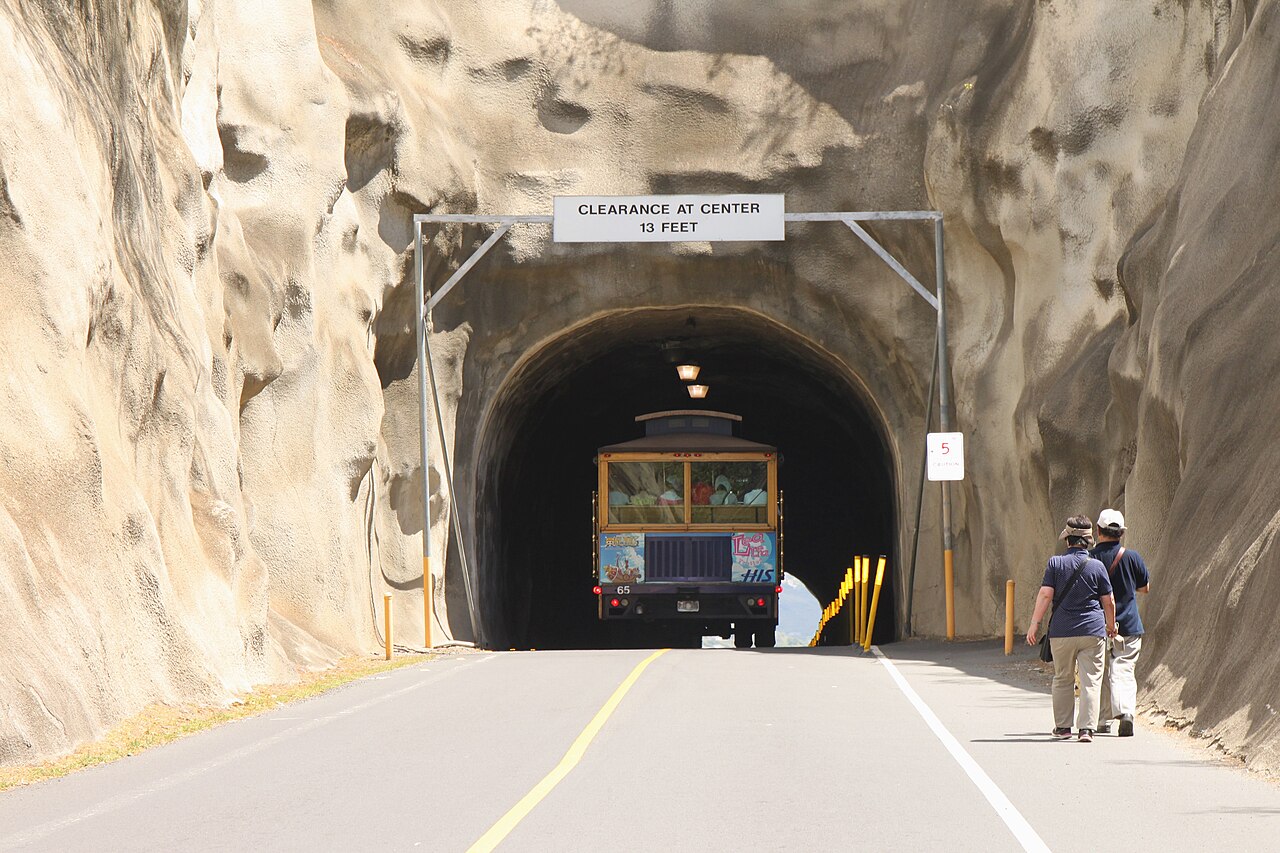
The summit trail is 0.8 mile each way, or 1.6 miles round trip, climbing roughly 560 feet from the crater floor. The route changes from constructed path to natural tuff, with switchbacks, steep stairs and a lighted tunnel before the old Fire Control Station near the rim. The trail was built in 1908 for Oʻahu's coastal defence, and the station was completed in 1911. At the top, the principal reward is the panorama over Waikīkī and the southern coastline; it is not a collection of indoor galleries. The crater floor has visitor services and an interpretive kiosk, but those facilities are distinct from the summit route. Use the marked path and allow room for people moving in both directions through narrow sections.
Checked 2026-10-06 · Source
Allow about two hours as an editorial planning estimate for the complete park stop, including check-in, the ascent, views and return. This is not a measured average. The reservation operator says the hike itself typically takes 60–90 minutes, while the state park advises allowing one and a half to two hours for the hike and visit. Those statements refer to slightly different scopes, so use the longer figure for an itinerary. A person who stays on the accessible crater floor will have a different visit from someone completing the steep summit trail. Heat, pauses, queues and walking speed can all change the time required. If you booked parking, your vehicle must leave by the end of its reserved period regardless of your own pace.
Checked 2026-10-06 · Source
Hawaiʻi State Parks currently lists normal operating hours of 6:00 a.m. to 6:00 p.m. daily, with the last reservation at 4:00 p.m. and last entry at 4:30 p.m. The park says its gates close at 6:00 p.m. and lists closures on Christmas Day and New Year's Day. Recheck the operator's notice for your exact date, particularly after hazardous weather. The route is hot and exposed, so bring water and choose a time that suits your tolerance for sun. Arrival is tied to the reservation window: the booking operator asks visitors to arrive within its first thirty minutes and warns that later arrivals may be refused. A 4:00 p.m. booking is not permission to start walking at 5:00 p.m.
Checked 2026-11-04 · Source
Non-Hawaiʻi residents must reserve and pay online before arriving; the reservation operator says people without a booking will be turned away. The state park currently lists US$5 entry per non-resident and US$10 parking per non-resident vehicle, with credit-card-only purchase. Hawaiʻi residents are exempt from the reservation and fee requirement when they show a qualifying Hawaiʻi state ID or driver's licence. Their out-of-state guests are not exempt. Children aged three and under enter free, but confirm how to include everyone in the booking. Entry and parking are separate choices, so buy parking only if you will use a vehicle. The official system opens reservations up to thirty days ahead. Check the date, party size and cancellation terms before paying.
Checked 2026-10-06 · Source
Navigate to the official Diamond Head State Monument crater entrance, not only to the summit coordinate shown by a map. The park's route enters the crater through a vehicle tunnel off Diamond Head Road; from the crater floor, follow the marked summit trail. This distinction prevents a common mistake: reaching a nearby lookout or a view of the cone does not place you inside the reserved park. If driving, purchase a parking reservation as well as the required non-resident entry tickets and leave the lot by the end of the booked parking period. If walking or using transit, plan the final approach to the tunnel and check current service with the transport operator. Allow time to reach the check-in point within the first thirty minutes of your slot.
Checked 2026-10-06 · Source
The accessible crater-floor facilities and the summit hike are not the same physical experience. State Parks says the summit trail is not ADA accessible: it is steep and uneven, and its final tenth of a mile is all stairs. Do not interpret an accessible parking or visitor area as a step-free route to the top. Wear walking shoes, carry water and allow for sun, heat and weather changes. The park bars pets other than service animals. Reservations are not flexible walk-ins: late arrival can mean denied entry, and parking must end with the reserved period. Check current closure notices before travel, especially after storms. Stay on marked paths and follow ranger directions around stairs, tunnel and viewpoints. Choose a crater-floor visit instead if the climb does not match your mobility needs.
Checked 2026-10-06 · Source
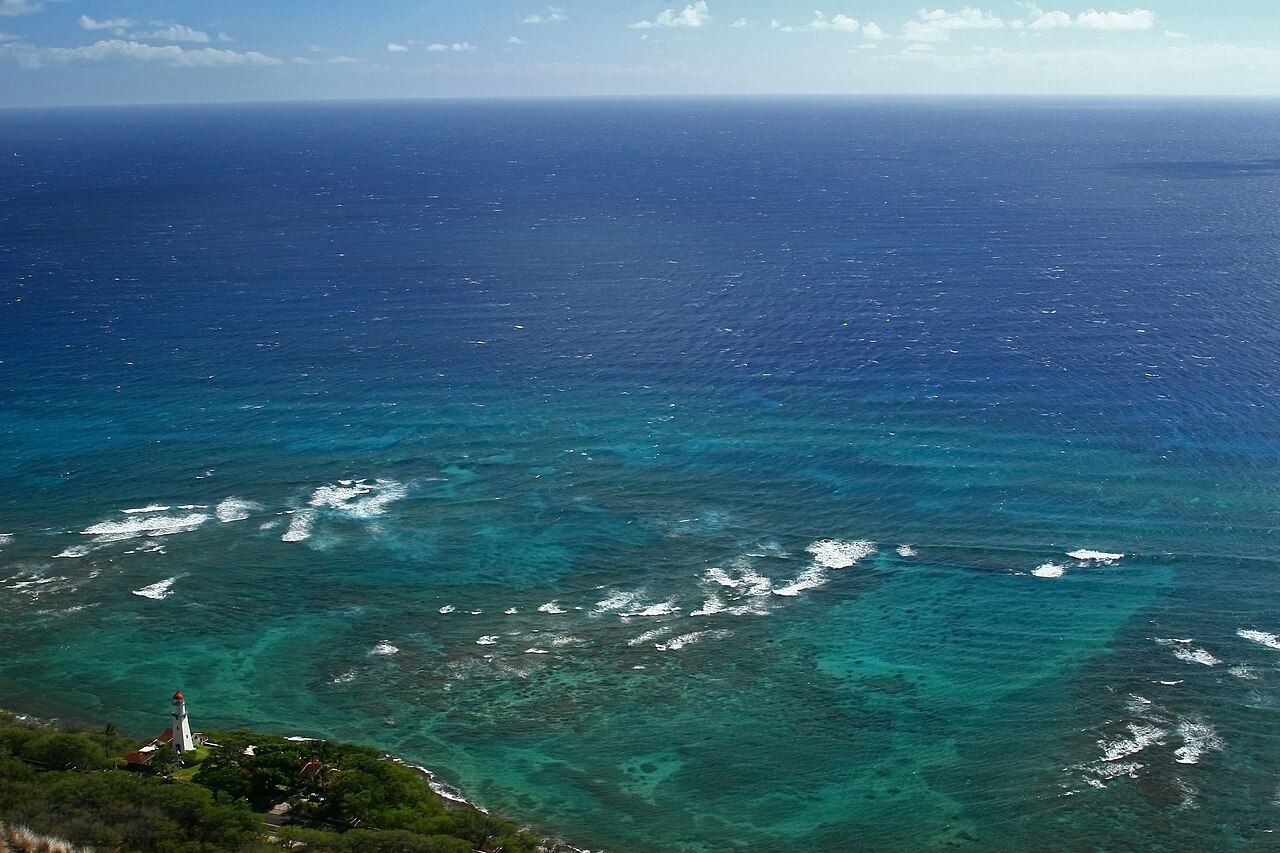
The crater rim, switchbacks, old defence structures and the Waikīkī coastline provide different viewpoints, but the climb is the route to them, not a roadside photo stop. Make images from lawful visitor areas without stepping beyond barriers or holding up traffic on the stairs and in the tunnel. The operator's park information does not grant an unrestricted photography or drone permit, so follow posted notices and ask park staff about equipment or commercial work. A view of the lighthouse from the summit is not access to the lighthouse itself. Be considerate of other walkers who need room to move and rest; the final stair sections are narrow. If a photograph is your main goal, first decide whether the full steep trail and advance reservation are worth it for your group.
Checked 2026-10-06 · Source
Yes. Reserve and pay online for entry, and parking if driving, before arrival. The official reservation operator says visitors without a booking are turned away.
The booking operator says 60–90 minutes for the hike; State Parks advises one and a half to two hours for the overall hike and visit. Allow about two hours in a plan.
The last reservation is 4:00 p.m., last entry 4:30 p.m., and the gates close at 6:00 p.m. Parked vehicles must leave by their reservation end time.
State Parks lists US$5 entry per non-resident and US$10 parking per non-resident vehicle. Hawaiʻi residents with qualifying state ID are exempt; their out-of-state guests are not.
No. The crater-floor facilities are accessible, but State Parks says the summit trail is not ADA accessible and the final tenth of a mile consists entirely of stairs.
The booking operator permits changes until the day before a visit if space remains. Refunds are possible at least three days before entry; check fees and current terms before paying.
Loading the interactive map…
The interactive map could not be loaded.
Last updated:
Source: OpenStreetMap contributors ·