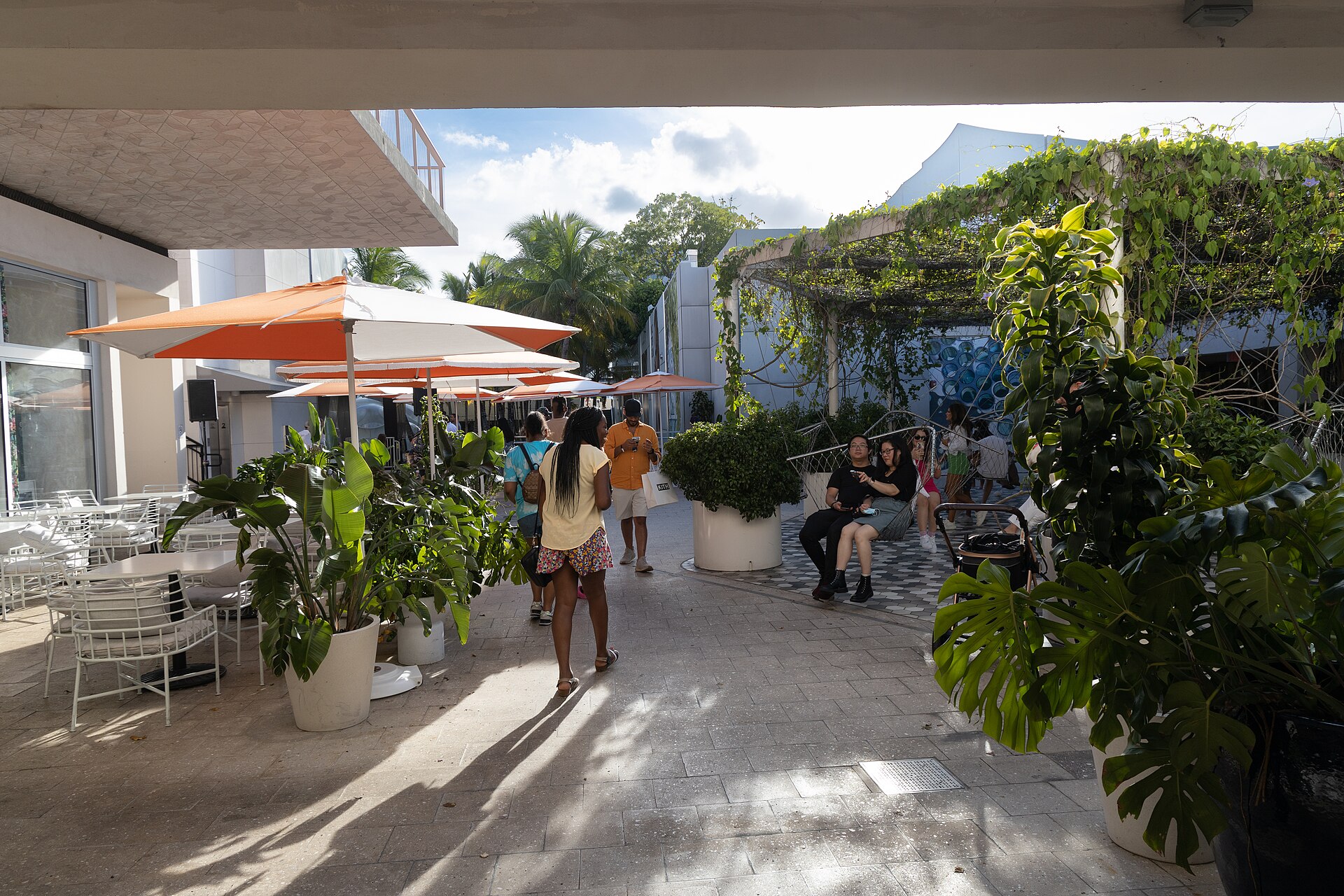
4 min walk
Miami Design District
- Must see
- Historic monument
Art and culture venue · Miami
THE HAITIAN HERITAGE MUSEUM
The Haitian Heritage Museum is a cultural institution in Miami’s Little Haiti neighborhood. It focuses on Haitian culture, history, and art, offering travelers a way to encounter the heritage of one of Miami’s most important communities. The museum works as both an artistic and educational destination, linking local Haitian-American life with wider stories of migration, identity, creativity, historical change, and the international influence of Haitian people. The Haitian Heritage Museum is a cultural institution located in Miami's Little Haiti neighborhood. It is dedicated to preserving and promoting Haitian culture, history, and art. The museum serves as a repository for Haitian artistic and historical materials, providing educational programming and exhibitions that highlight the contributions of Haitian people to global civilization. Situated in one of the largest Haitian-American communities in the United States, the museum functions as both a cultural anchor for the local diaspora and an educational resource for visitors seeking to understand Haiti's rich heritage. Visitors should verify open status through https://haitianheritagemuseum.org/ or direct contact before traveling.
Checked 2026-08-26 · Source
Displays and collections relate to Haitian art, history, and cultural expression. Travelers may encounter artwork, historical artifacts, educational material, multimedia presentations, and themes connected with identity, migration, spirituality, and artistic traditions. The museum’s subjects extend from Haiti’s revolutionary period to contemporary life, giving a visit a broad historical and cultural frame. Temporary exhibitions and community programming can add a changing dimension to the core museum experience. The museum houses collections and exhibitions related to Haitian culture, including artwork, historical artifacts, and educational materials. Visitors can expect to encounter displays covering Haitian history, from the revolutionary period through contemporary times.
Checked 2026-08-26 · Source
Set aside around one to two hours for a normal museum visit. That gives enough time to move through the exhibitions while reading labels and considering the historical themes. Visitors deeply interested in Haitian history, art, or diaspora culture may want a slower visit. A workshop, community presentation, or other educational program can lengthen the stop. The museum works well as part of a Little Haiti day focused on neighborhood culture rather than as a rushed photo stop.
Checked 2026-08-26 · Source
Weekday mornings can suit travelers who prefer a calmer museum experience, while community activity may make other periods more lively. Indoor galleries provide a cultural pause from Miami’s heat and humidity. The museum’s programming and exhibition themes can change, so fit the visit around the material you most want to see. Little Haiti is particularly rewarding when paired with time in the surrounding neighborhood, where food, music, shops, and cultural life extend the museum’s themes beyond its walls.
Checked 2026-08-26 · Source
Plan the museum as a focused cultural visit rather than a large commercial attraction. Admission, memberships, discounts, and program costs can differ according to the activity being attended. The value of the stop lies in the Haitian art, historical material, and educational perspective presented in a Miami neighborhood with a major Haitian-American presence. Travelers combining the museum with nearby cultural stops should leave enough time for the galleries instead of treating entry as a quick add-on.
Checked 2026-08-26 · Source
The museum is in Little Haiti, northeastern Miami. Rideshare or taxi travel is straightforward for visitors moving between Miami neighborhoods, while public transit serves the broader area. Driving requires attention to the local street pattern and available parking once you reach the neighborhood. Build the museum into a Little Haiti itinerary so the journey supports a wider cultural experience. Miami’s heat and sudden rain make a short, practical transfer from transport to the museum worthwhile.
Checked 2026-08-26 · Source
The museum is a neighborhood cultural destination, so combine the indoor visit with sensible planning for Miami weather. Summer heat, humidity, heavy showers, and hurricane-season disruptions can affect movement around the city. Give the exhibitions the attention they deserve, especially when displays address difficult subjects such as migration or historical trauma. Visitors with mobility requirements should plan their route carefully. Once in Little Haiti, remain attentive to traffic and the changing conditions of urban streets.
Checked 2026-08-26 · Source
Treat the museum’s exhibitions as a place for careful looking rather than constant camera use. Artwork, artifacts, and multimedia installations may be sensitive to flash, and other visitors deserve an undisturbed experience. Exterior photographs can place the museum within the Little Haiti setting, while interior images should follow posted instructions and staff guidance. For personal travel records, a few considered photographs are more respectful than photographing every object or visitor in the galleries.
Checked 2026-08-26 · Source
It focuses on Haitian culture, history, art, identity, migration, spirituality, and contemporary creative expression.
The museum is in Miami’s Little Haiti neighborhood in northeastern Miami.
A typical visit takes about one to two hours, with additional time useful for workshops or educational programs.
Displays include Haitian artwork, historical artifacts, educational material, and multimedia presentations covering Haitian cultural history.
The museum connects Haitian art and history with the living Haitian-American culture of the Miami neighborhood around it.
Yes. Its Little Haiti location works well with nearby neighborhood exploration, food, music, shops, and other cultural experiences.
Loading the interactive map…
The interactive map could not be loaded.

Last updated:
Source: OpenStreetMap contributors, Wikidata ·