The Bass Museum of Art
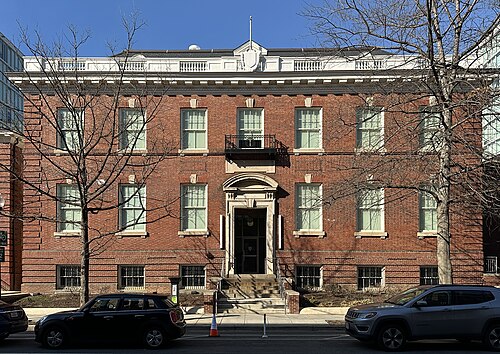
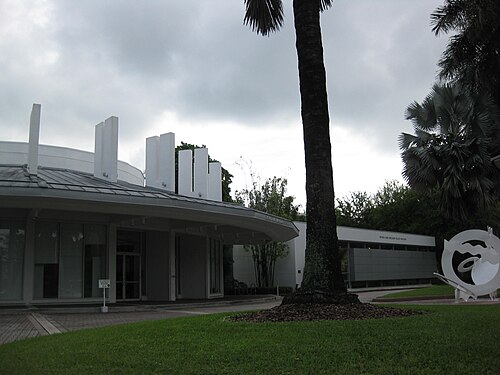
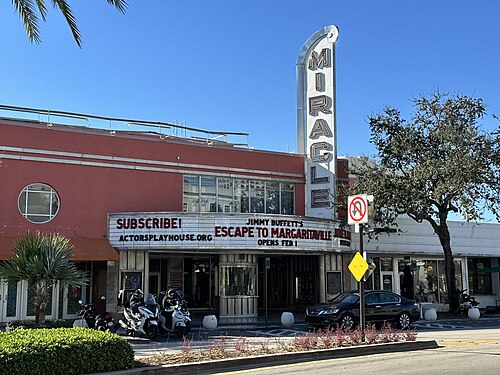
The Bass is a contemporary art museum located in Miami Beach, Florida. It occupies a distinctive Art Deco building originally constructed in the 1930s as a public library.
- Must see
- Museum
City guide · United States
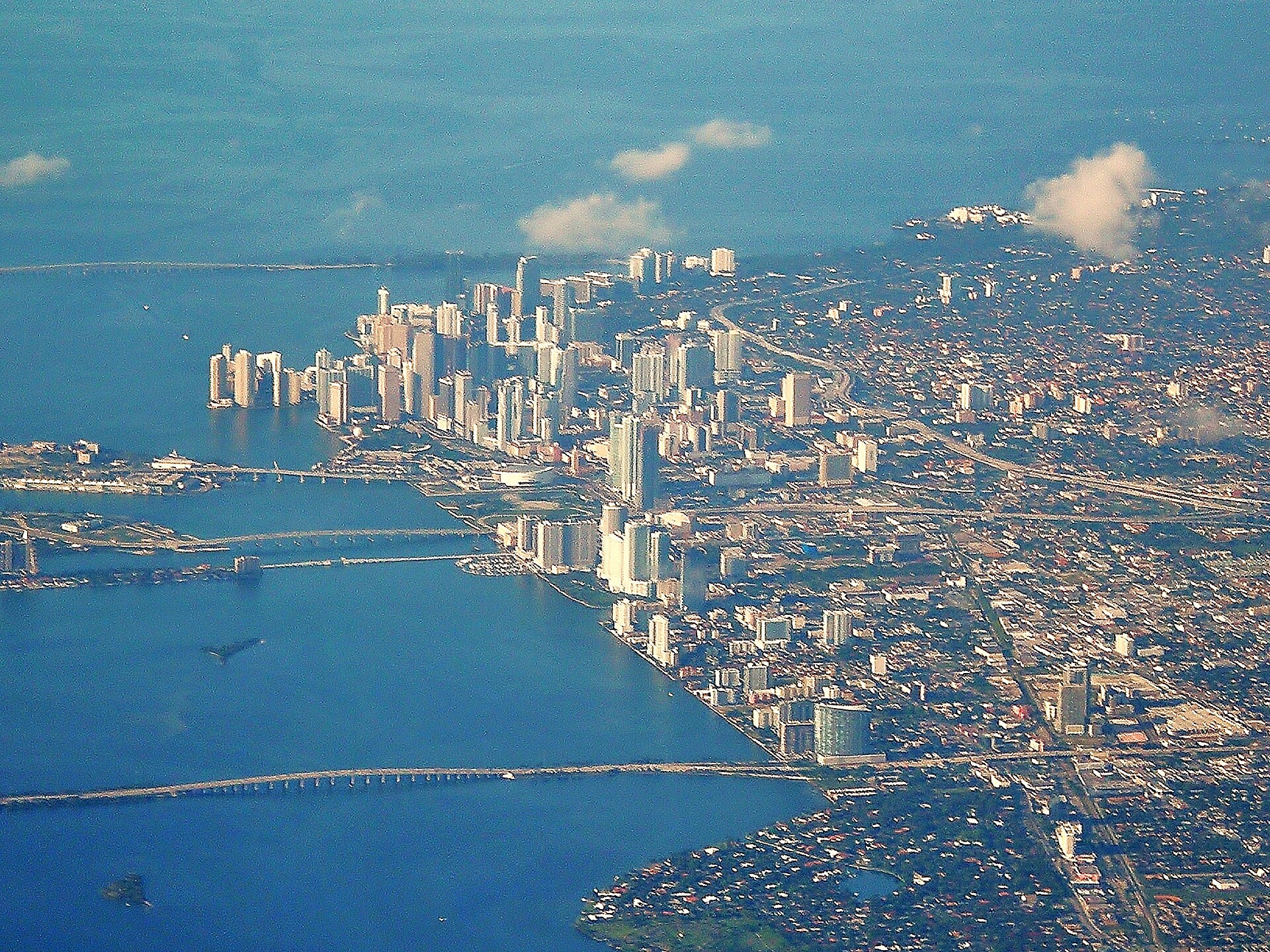
Miami is a dispersed waterfront destination rather than one compact centre. Downtown and Brickell form the urban core on Biscayne Bay; Miami Beach lies across t...
Photograph · Marc Averette · CC BY-SA 3.0
Set your days, your pace and the hours you actually want to be out. The planner works around closing days and travel time, and leaves room to eat.
Reviewed by Elena Voss · Roavina Travel Editor
Miami is a dispersed waterfront destination rather than one compact centre. Downtown and Brickell form the urban core on Biscayne Bay; Miami Beach lies across the causeways, while Wynwood, the Design District, Coconut Grove, Coral Gables and Little Havana are separate districts with distinct identities. Plan by area and avoid assuming that places sharing a Miami address are within an easy walk of one another.
Checked 2026-08-26
September · September contains the Atlantic hurricane season's September 10 climatological peak, a recurring severe disruption risk for Miami.
Ranked by importance — sitelinks, pageviews and heritage status, not editor preference.
19 places match
Category
Typical visit duration
Interests
The Bass is a contemporary art museum located in Miami Beach, Florida. It occupies a distinctive Art Deco building originally constructed in the 1930s as a public library.
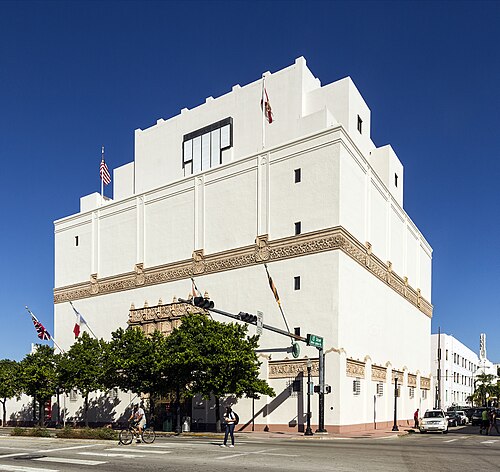
The Wolfsonian-FIU is a Miami Beach museum and research centre affiliated with Florida International University. Its exhibitions explore the persuasive power of art and design, especially between 1850 and 1950.
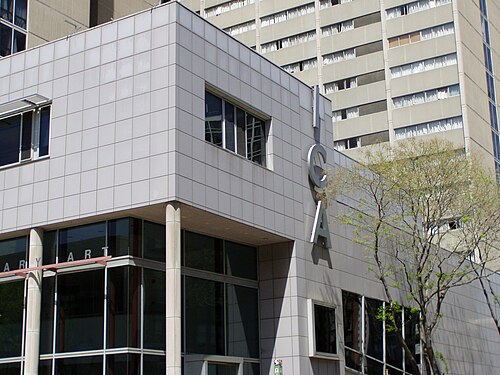
Institute of Contemporary Art, Miami
The Institute of Contemporary Art, Miami is a non-collecting contemporary-art museum in Miami's Design District. It presents international contemporary art through changing exhibitions, commissions, installations, and public programs, with work by emerging and established artists.
The Rubell Museum is a major contemporary-art institution located in Miami's Allapattah neighborhood. It houses an extensive private collection assembled by Don and Mera Rubell over several decades.
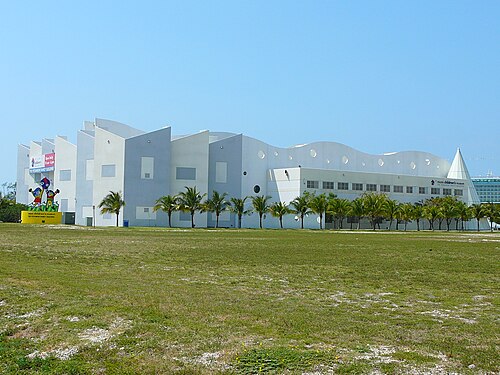
Miami Children's Museum is a hands-on family museum on Watson Island, between downtown Miami and Miami Beach. It turns learning into active play, with child-centered experiences connected to arts, culture, community, communication, and everyday roles.
The Museum of Graffiti is a specialist museum in Miami's Wynwood district, an area internationally recognized for its concentration of street art and murals.
Ball & Chain is a historic music and dance venue located in Miami's Little Havana neighborhood. The establishment operates as a nightlife and entertainment destination with Cuban cultural influences.
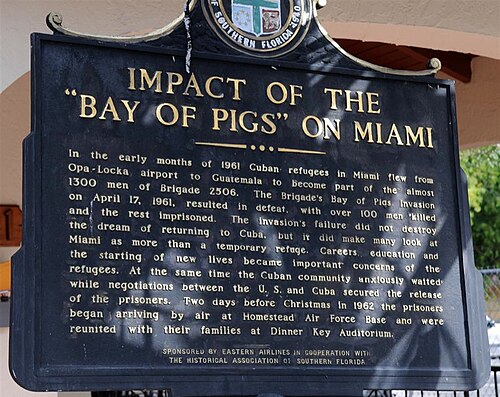
The Bay of Pigs Museum is a specialist Cuban-exile history museum in Miami, Florida. It documents the history of Brigade 2506, the Cuban exile group that participated in the 1961 Bay of Pigs invasion.
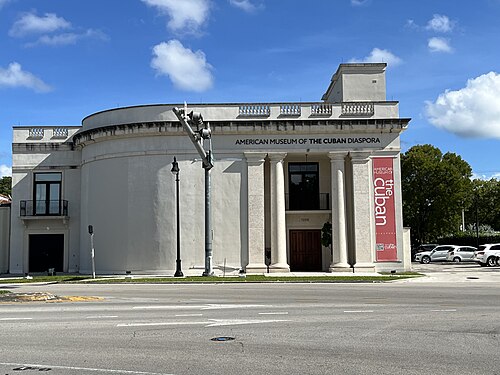
The American Museum of the Cuban Diaspora is a cultural institution in Miami dedicated to documenting and preserving the art, history, and experiences of Cuban exiles and their descendants.
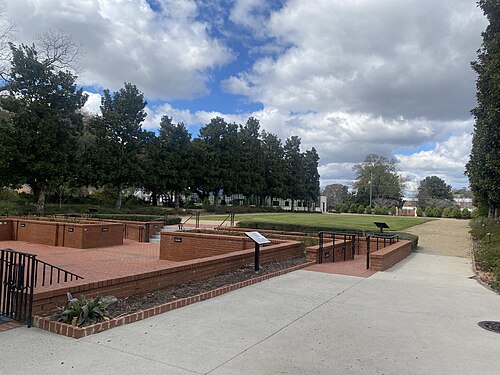
The Historic Hampton House
Hampton House Motel is a restored Green Book-era motel and civil-rights landmark in Miami. During segregation, it offered African American travelers a welcoming place to stay when many hotels excluded them.
Coral Gables Museum is dedicated to the history, architecture, and planning of Coral Gables, the carefully designed Miami suburb. Housed in a historic building, it explains how George Merrick’s vision shaped the city from the 1920s onward.
The Lowe Art Museum is the University of Miami's major public art museum, serving as a cultural institution on the university's Coral Gables campus. Established in 1950, it holds distinction as one of Florida's oldest art museums.
Coral Gables Art Cinema is an independent cinema in Coral Gables serving travelers and residents who want films outside the mainstream multiplex circuit. Its program is associated with art-house, international, documentary, repertory, classic, and festival cinema.
Biscayne Bay separates mainland Miami from Miami Beach. Downtown and Brickell sit on the mainland waterfront; Wynwood and the Design District are north, Little Havana is west, and Coconut Grove and Coral Gables are southwest. South Beach occupies the southern end of Miami Beach and is a destination in its own right. Causeways and waterways shape every cross-city journey, so combine attractions on the same side of the bay.
Checked 2026-08-26
Use Metrorail for selected mainland corridors, Metrobus for broader coverage and the free Metromover within Downtown, Omni and Brickell. Miami Beach, the City of Miami and Coral Gables also operate local trolley services. Walking is practical inside individual districts but not between most of them. Check Miami-Dade Transit and municipal service notices before travelling, especially when moving between the mainland and the beach.
Checked 2026-08-26
A fixed stay length is not recorded. Build the visit around separate district days for Downtown and Brickell, Miami Beach, and the mainland neighbourhoods that interest you.
No. Miami is on the mainland and Miami Beach is a separate city across Biscayne Bay. Causeways connect them, but they should be planned as separate areas.
Yes. Miami-Dade operates Metromover as a free elevated service linking stations in Downtown, Omni and Brickell, with connections to other transit services.
No. Individual districts can be walkable, but the destination is spread across the mainland, islands and causeways. Use transit or another connection between districts.
Combine Downtown with Brickell, pair Wynwood with the Design District, and treat Little Havana, Coconut Grove and Coral Gables as separate mainland clusters.