


7 min walk
Spire
- Notable
- Art and culture venue
Language · 11 published
Place of worship · San Francisco
Temple Emanu-el
Reviewed by Elena Voss · Roavina Travel Editor
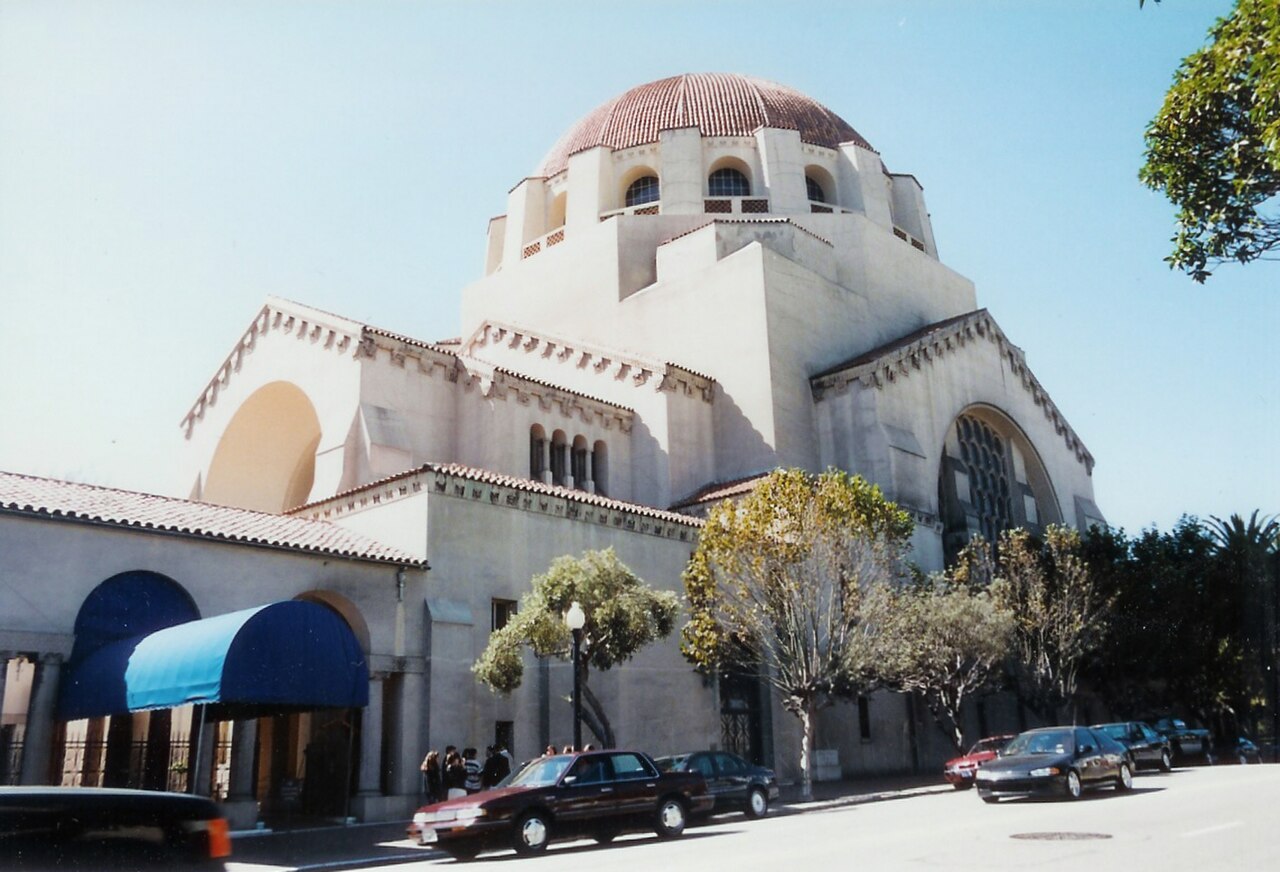
This place is a Place of worship. It was established in 1926. It was built in the Byzantine Revival architecture style. It was designed by Arthur Brown, Jr..
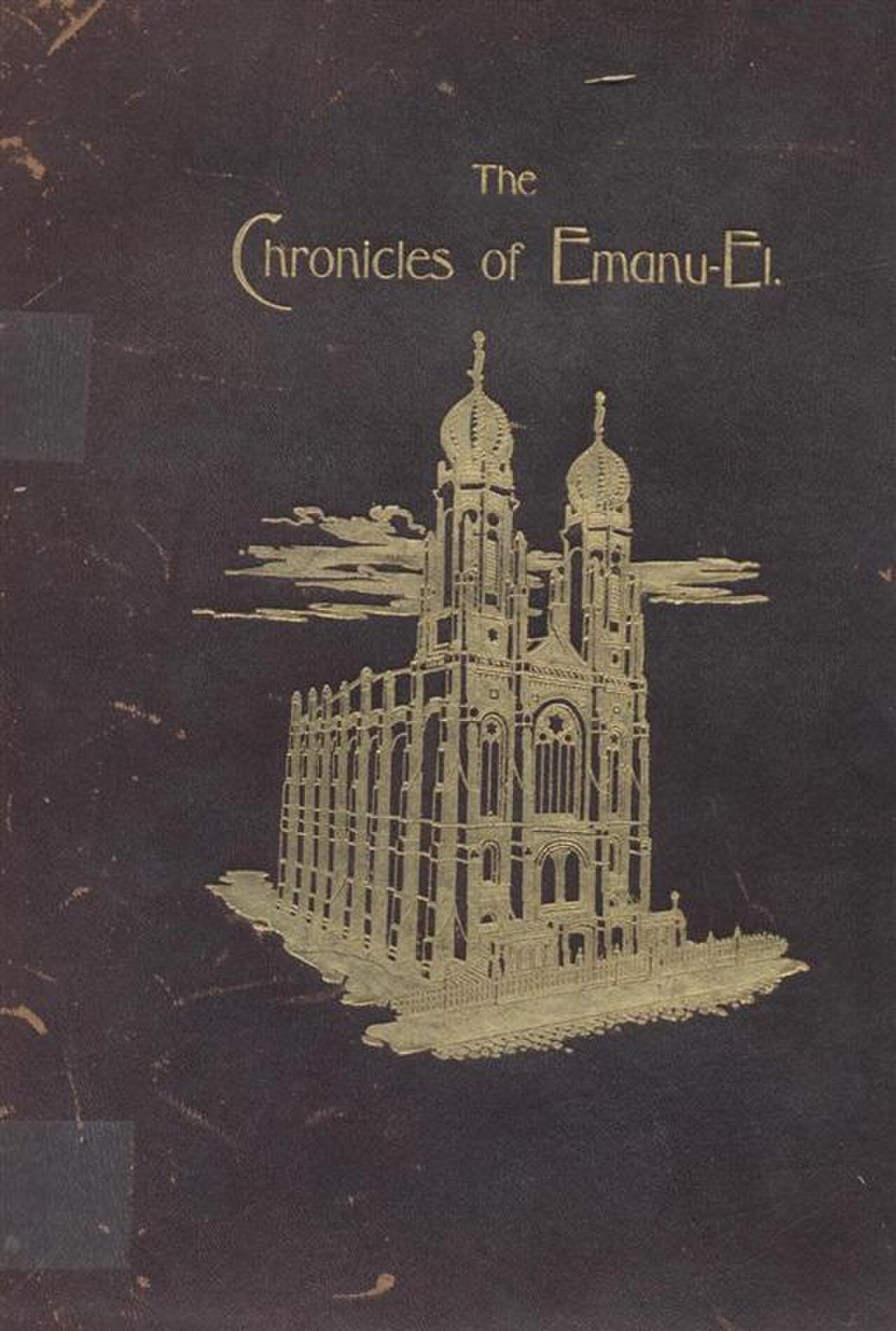
Congregation Emanu-El is a historic Reform Jewish synagogue in San Francisco, founded in 1850. Its current temple dates from 1926 and serves an active congregation as well as the city’s wider cultural and religious landscape. For travelers, it is a place to understand the long presence of Jewish institutional life in San Francisco while respecting that worship and community activity remain its primary purposes. Congregation Emanu-El is a historic Reform Jewish synagogue in San Francisco. Founded in 1850, it represents one of the oldest Jewish congregations in the western United States. The congregation built its current temple in 1926 in the Lakeside District. The building showcases notable architectural design that has drawn national attention. It serves as both a place of worship and a significant cultural institution within the city's religious landscape, maintaining an active community role spanning more than one and a half centuries of San Francisco history. The synagogue is an active congregation rather than a standard tourist site. Non-Jewish visitors may attend certain services or events, but should contact the congregation in advance to understand current visitor policies and appropriate conduct.
Checked 2026-08-26 · Source
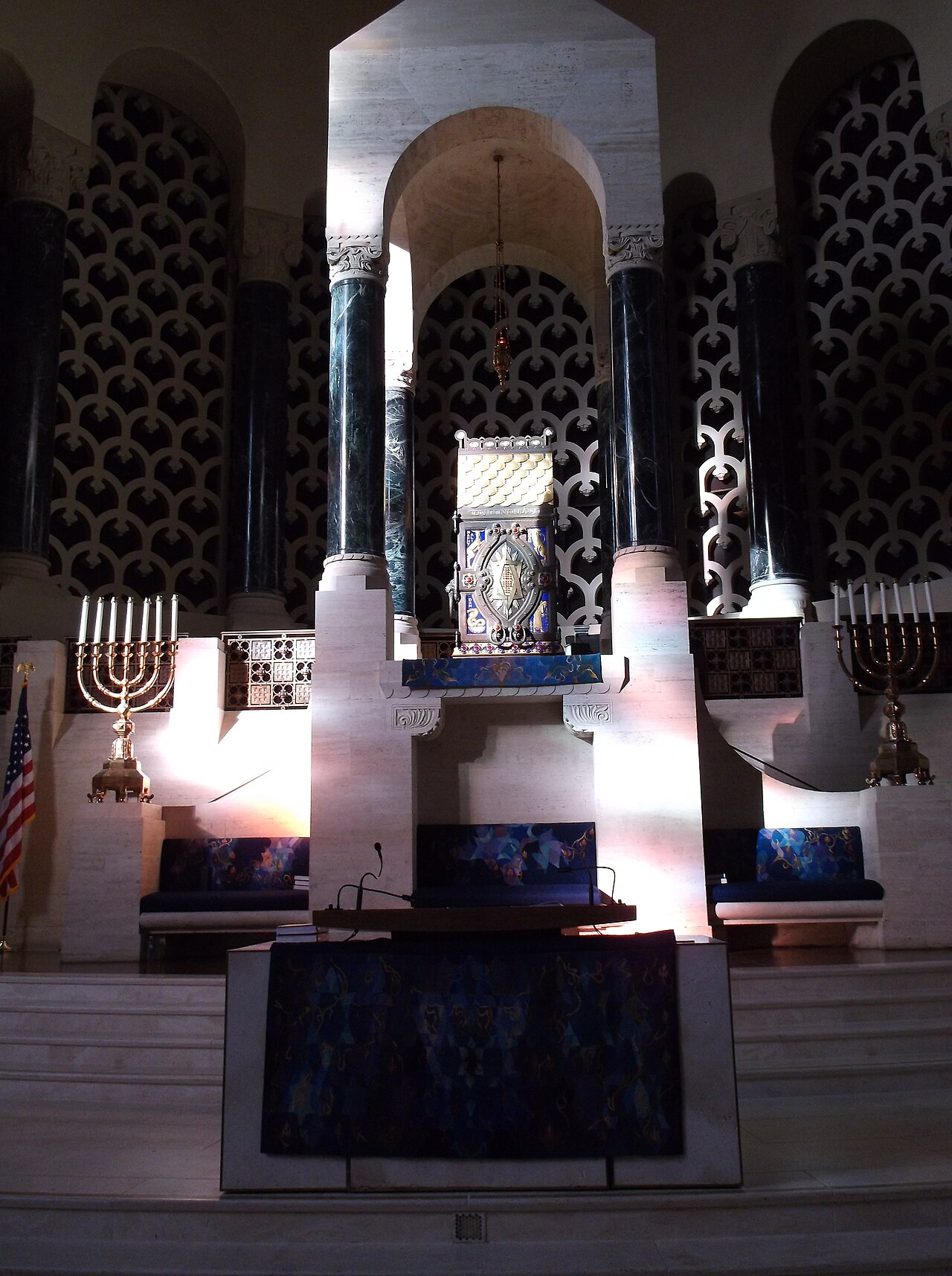
The temple contains a substantial sanctuary with stained glass and ornamental architectural details associated with its early twentieth-century design. It is also a working community building, with worship areas and spaces supporting gathering, education, and cultural programs. Travelers should approach the interior as a religious environment rather than a museum display: the architecture is important, but the congregation’s daily life gives the building its meaning. The synagogue interior features impressive architectural elements consistent with its historic status as a large Reform temple. The sanctuary contains stained glass windows and ornamental details reflecting early twentieth-century synagogue design. As an active congregation, the building houses worship spaces, community gathering areas, and facilities supporting religious education and cultural programs. The structure's scale and design quality have contributed to its recognition as architecturally significant at the national level. Interior features emphasize the congregation's Reform tradition and its prominent position within American Jewish institutional life.
Checked 2026-08-26 · Source
A quick exterior look can fit into a neighborhood walk, while a visit connected with a service or community event naturally takes longer. Give yourself time to notice the temple’s scale, facade, and religious setting instead of treating it as a rapid photo stop. Congregation Emanu-El fits well into an itinerary focused on San Francisco architecture, local history, and the city’s diverse religious institutions. Visitor duration depends on individual interest in religious architecture and community history. A self-guided exterior observation requires brief time, while attending services or scheduled events extends the experience.
Checked 2026-08-26 · Source

The most meaningful time to visit is connected with a service, holiday observance, or community program that welcomes guests. Jewish religious life follows the Hebrew calendar, so activity changes across the year. Friday evening and Saturday morning are associated with Shabbat services. Plan with the congregation’s rhythm in mind, and leave flexibility because the building may be occupied for worship rather than sightseeing.
Checked 2026-08-26 · Source
Congregation Emanu-El is an active synagogue, not a ticketed tourist attraction. A traveler attending an open service or community activity should think in terms of participation and respectful presence rather than a sightseeing admission fee. Donations may form part of synagogue life, while special programs can have their own arrangements. Keep the distinction clear: access depends on the congregation’s activities and welcome.
Checked 2026-08-26 · Source
The synagogue is in San Francisco’s Lakeside District near Lake Street and Arguello Boulevard. Approach it as part of the western neighborhoods rather than as a downtown attraction. Muni connections serve the surrounding districts, and nearby streets provide walking approaches from local stops. If you combine the visit with other destinations, allow time for the cross-city journey and for the quieter residential character of the area.
Checked 2026-08-26 · Source

This is a functioning house of worship, so dress and behavior should be considerate, especially during services. Entry may involve security procedures, and some areas may be reserved for congregational use. Keep conversations quiet, follow staff directions, and avoid interrupting prayer or religious education. The building’s architectural importance does not override its living purpose as a synagogue serving its community.
Checked 2026-08-26 · Source
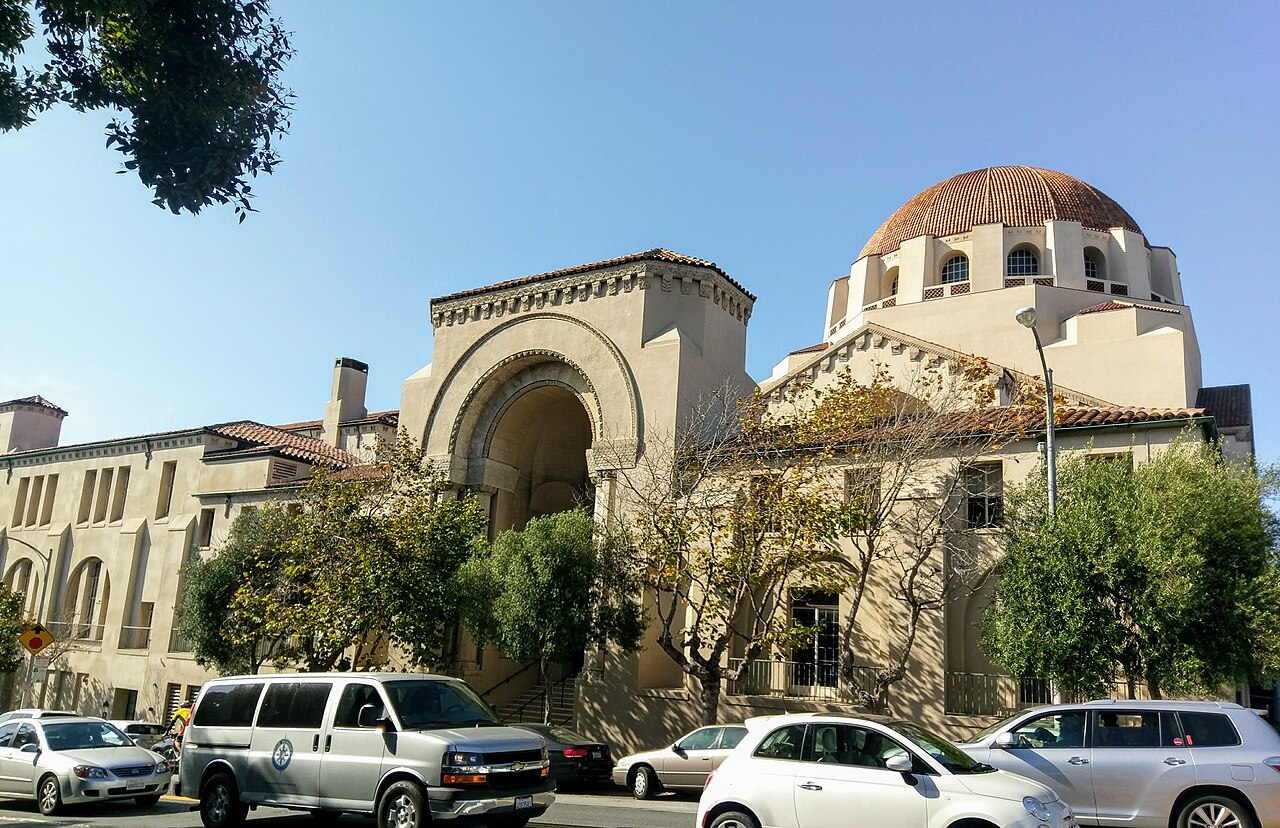
The temple’s exterior offers an opportunity to appreciate its architecture from the surrounding streets. Inside, photography should remain secondary to worship and privacy. Put the camera away during services unless clear permission is given, and avoid photographing congregants without consent. A respectful exterior image can communicate the building’s presence in the neighborhood without turning an active religious gathering into a backdrop.
Checked 2026-08-26 · Source
It is a Reform Jewish synagogue and an active congregation in San Francisco, with religious services, community life, education, and cultural activity connected to the temple.
Congregation Emanu-El was founded in 1850, making it one of the oldest Jewish congregations in the western United States.
The current temple dates from 1926 and reflects the congregation’s long-standing role in San Francisco’s religious and architectural history.
The sanctuary includes stained glass and ornamental architectural details, while the wider building supports worship, gathering, education, and community programs.
Shabbat services are associated with Friday evening and Saturday morning, though the synagogue’s religious calendar includes additional services and holiday observances.
Its history reaches back to 1850, and its temple represents the continuing development of Jewish religious and community life in San Francisco over more than a century.
Loading the interactive map…
The interactive map could not be loaded.
Last updated:
Source: OpenStreetMap contributors, Wikidata ·