
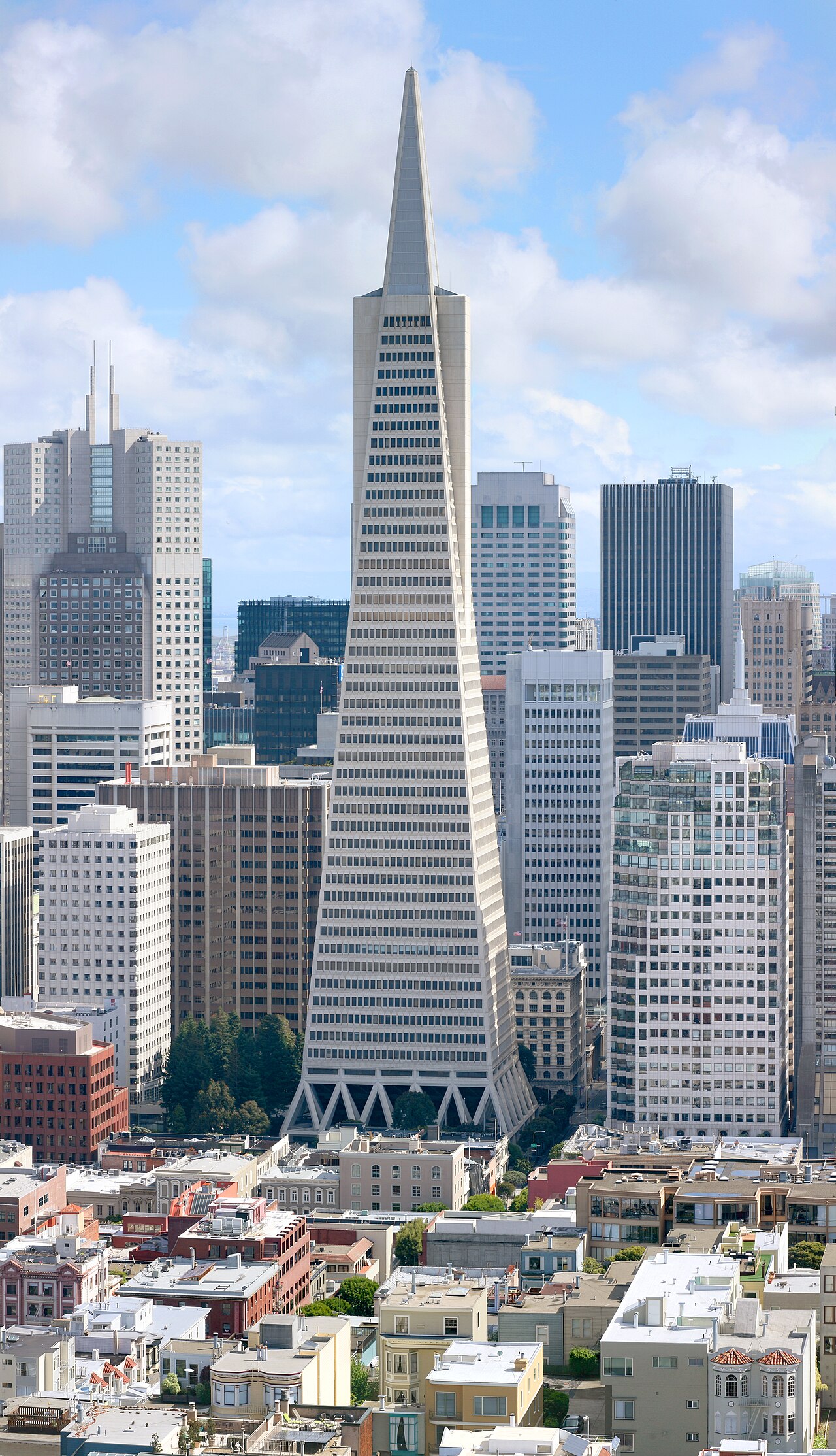
10 min walk
Transamerica Pyramid
- Must see
- Historic monument
Language · 11 published
Museum · San Francisco
Reviewed by Elena Voss · Roavina Travel Editor
| Monday | Closed |
|---|---|
| Tuesday | 10:00 – 17:00 |
| Wednesday | 10:00 – 17:00 |
| Thursday | 10:00 – 22:00 |
| Friday | 10:00 – 17:00 |
| Saturday | 10:00 – 17:00 |
| Sunday | 12:00 – 17:00 |
Checked 2026-08-31 · Source
Read from the OpenStreetMap access tags; anything not listed has no tag recorded.
Set the group type to family in the planner and the day window contracts to about three quarters of a solo day.
This place is a Museum. It opened in 1969.
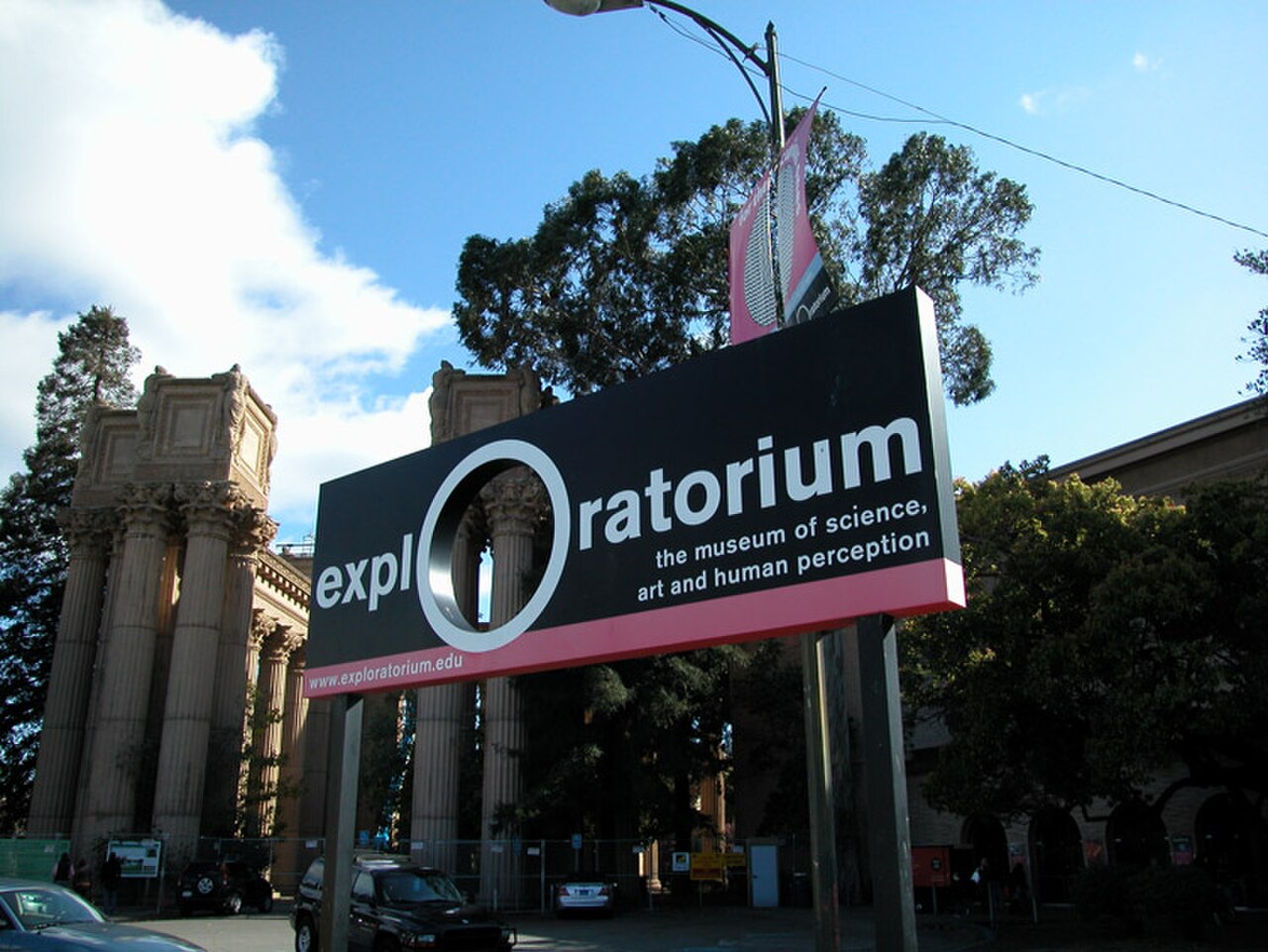
The Exploratorium is a museum of science, art and human perception at Pier 15 on the Embarcadero. Its galleries are built around experiments that visitors operate, compare and discuss rather than objects viewed from a distance. Founded by physicist Frank Oppenheimer, the institution treats curiosity as a method: light, sound, motion, biology and social behaviour become things to test directly. Adults without children should not dismiss it as a children's museum; many exhibits reveal more when visitors slow down, repeat an action and notice how their own assumptions shape the result.
Checked 2026-08-26 · Source
Six broad gallery areas explore seeing and listening, living systems, human behaviour, tinkering, outdoor phenomena and the local bay environment. Hundreds of exhibits invite touching and experimentation, so progress is deliberately uneven: a small device can hold attention longer than a large installation. The waterfront location extends the museum onto outdoor terraces where tides, wind and water become exhibits. Demonstrations and programmes change through the day. Choose several themes instead of chasing a complete checklist, and leave room to revisit an experiment after seeing how another visitor uses it.
Checked 2026-08-26 · Source
Allow three hours for a satisfying first visit, and four when attending demonstrations or visiting with children who want to repeat exhibits. Two hours covers only a selected route. The museum's hands-on design makes normal gallery pacing unreliable because one station may take seconds and the next fifteen minutes. Start with the areas that matter most, then let the remainder be exploratory. Avoid booking a ferry or another timed museum immediately afterward; the Exploratorium is more rewarding when the final hour is not spent checking a clock.
Checked 2026-08-26
Arrive near opening for the quietest access to small interactive stations. Weekends, school holidays and group visits can create local bottlenecks even when the large building does not appear full. Adult-only evening programmes may offer a different atmosphere, but dates and admission conditions vary. Exact hours are Not recorded here; verify the official calendar for the chosen date. Clear weather improves the outdoor bay exhibits, although the interior remains worthwhile in rain. If sensory load is a concern, contact the museum about current accessibility resources before visiting.
Checked 2026-08-26 · Source
Current admission prices are Not recorded here. The Exploratorium publishes dated general admission, event and eligibility information on its official ticket pages, and evening programmes may use different terms from daytime entry. Confirm the date, age category and any timed requirement before purchase. A city pass should be checked against direct admission and the intended programme rather than assumed to include every event. Tickets for a special evening do not necessarily reproduce the daytime family experience, so choose the product according to the galleries and audience you want.
Checked 2026-08-26 · Source
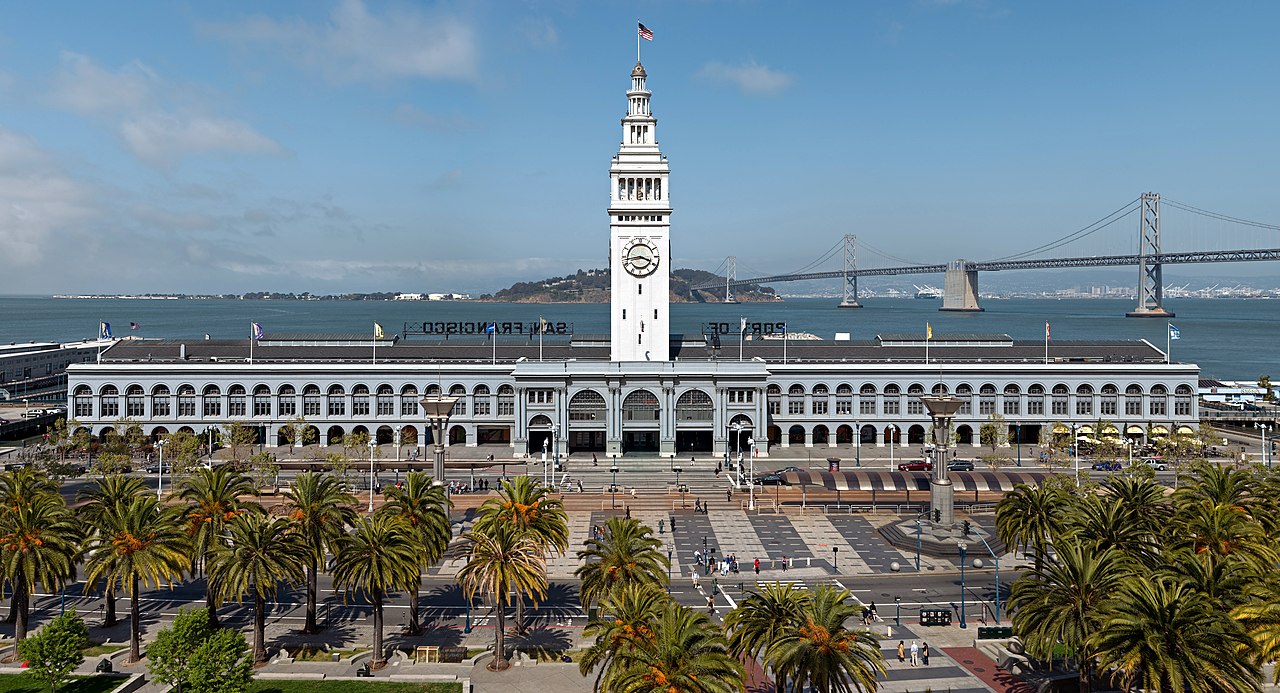
Pier 15 sits on the Embarcadero between the Ferry Building and Fisherman's Wharf. The F historic streetcar stops along the waterfront, while BART and ferries connect through the Ferry Building area followed by a walk north. Cycling is convenient on the waterfront corridor, subject to local parking arrangements. Driving usually adds garage cost and central congestion. Make sure navigation points to Pier 15 rather than the museum's former Palace of Fine Arts location, which still appears in old references. The entrance is on a broad, level waterfront approach.
Checked 2026-08-26 · Source
Interactive stations are shared, so step aside after completing an experiment and avoid resetting equipment while another visitor is observing a result. Small children need supervision around moving parts, dark spaces and waterfront edges. Some exhibits use flashing light, strong sound, spinning images or enclosed environments; consult accessibility guidance when those effects matter. Food and drink restrictions protect equipment. The largest mistake is treating labels as optional: many devices appear simple until the instruction reveals what variable to change. Read first, test twice and compare results rather than racing from table to table.
Checked 2026-08-26 · Source
Photographing an experiment is most useful when the image captures the action or result, not merely the apparatus. Use short video for motion and sound exhibits only when current museum rules permit it and other visitors are not recorded without consent. Reflections are common around glass and polished components; change angle instead of using flash. Outdoor terraces provide clean views of the Bay Bridge and waterfront machinery. Keep tripods and bags out of circulation lanes, and follow temporary signs where an artwork, demonstration or loan carries a specific restriction.
Checked 2026-08-26 · Source
Plan three hours for a first visit and four with children or demonstrations. A two-hour visit requires choosing a few gallery themes in advance.
No. Its experiments in perception, physics, biology and behaviour reward adults who repeat actions, compare results and read the interpretive prompts carefully.
Exact hours and prices are Not recorded here. Verify daytime admission and any separate evening programme on the museum's official calendar and ticket pages.
The museum is at Pier 15 on the Embarcadero. Old references may point to its former Palace of Fine Arts location, so navigate to Pier 15.
Many exhibits are designed for direct experimentation. Follow each instruction, share stations, keep food away from equipment and respect any temporary no-touch signs.
Yes. The F historic streetcar serves the Embarcadero, and the Ferry Building's BART, ferry and Muni connections are within walking distance.
Loading the interactive map…
The interactive map could not be loaded.
Last updated:
Source: OpenStreetMap contributors, Wikidata ·