
.jpg)
.jpg)
.jpg)
.jpg)
.jpg)
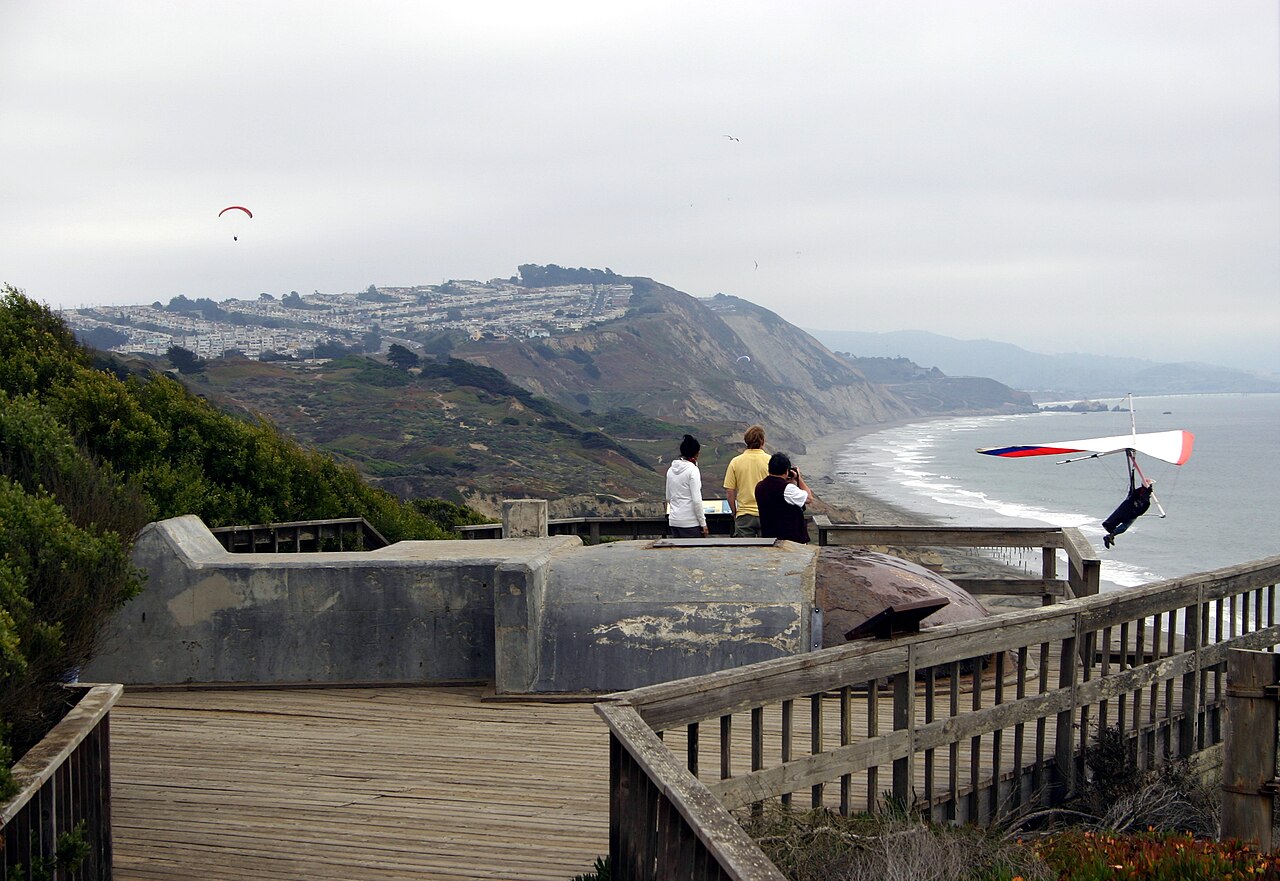
19 min walk
Fort Funston
- High
- Nature site
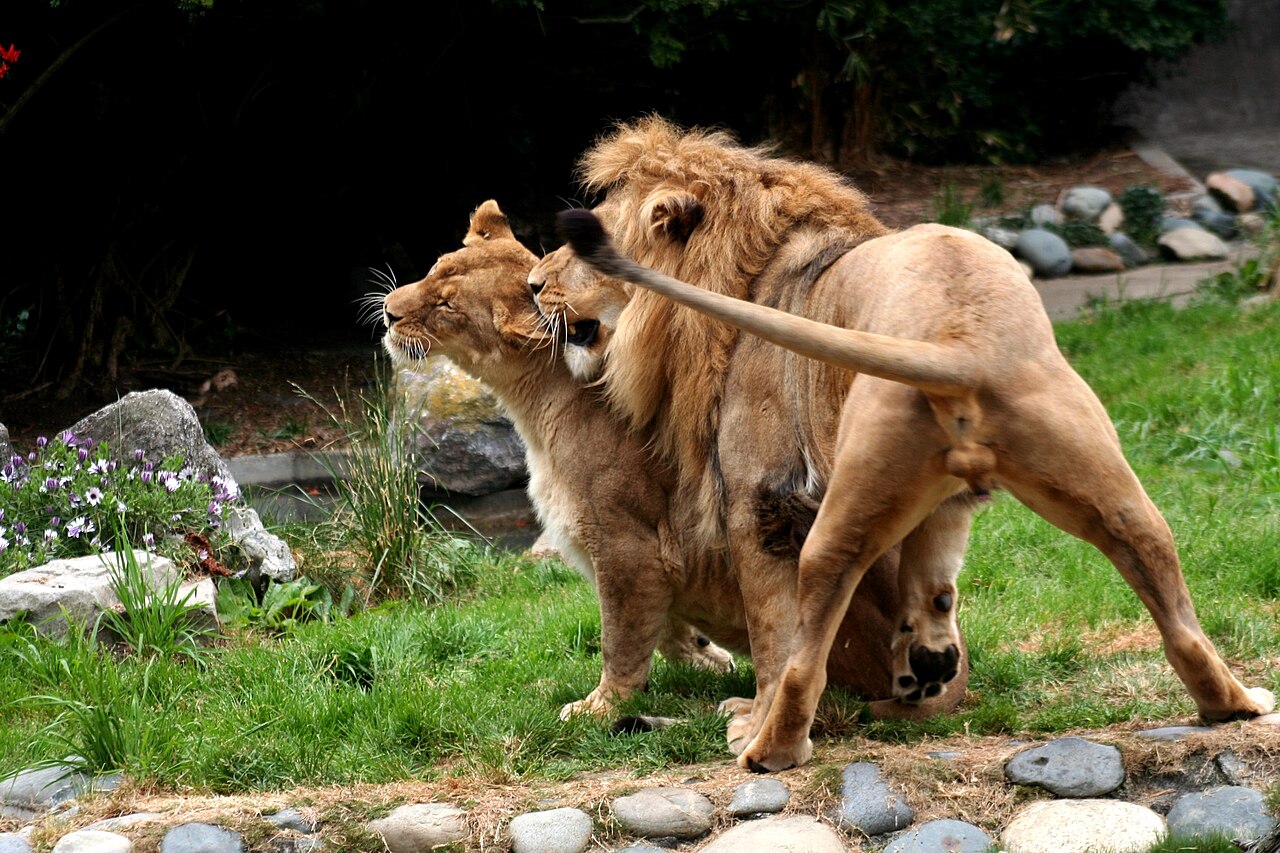
Family attraction · San Francisco
| Monday | 09:30 – 16:30 |
|---|---|
| Tuesday | 09:30 – 16:30 |
| Wednesday | 09:30 – 16:30 |
| Thursday | 09:30 – 16:30 |
| Friday | 09:30 – 16:30 |
| Saturday | 09:30 – 16:30 |
| Sunday | 09:30 – 16:30 |
Parsed from OpenStreetMap opening hours on 2026-09-09.
San Francisco Zoo is a coastal wildlife park at the city’s southwestern edge, where a visit feels very different from exploring the downtown grid. The setting near the Pacific gives the grounds an open, maritime character, while the collection turns the day into a walk through varied animal habitats. This is a destination best given its own place in a San Francisco itinerary, not squeezed between central landmarks. Families can combine animal viewing with the children’s zoo, educational interpretation, and quiet pauses among planted outdoor spaces. Its location, scale, and weather exposure are all part of the experience.
Checked 2026-09-02 · Source
The zoo brings together mammals, birds, reptiles, and amphibians across habitat and geographic themes. The African Savanna is a key area for large hoofed animals, while primate habitats and big-cat and bear exhibits provide a different rhythm of viewing. Families should make time for the children’s zoo, where domestic animals can offer a gentler introduction for younger visitors. Keeper talks, educational signs, and planted paths add context between enclosures. Because the collection is spread across several kinds of spaces, adults and children can alternate between major animals, smaller discoveries, and places to pause instead of following one continuous exhibition route.
Checked 2026-09-02 · Source
Plan most of a day for a comfortable first visit. The grounds are spread out, and moving between distant habitats takes time before you add animal-viewing pauses, the children’s zoo, food stops, or any talks scheduled for the day. Build in regular rests for children and allow flexibility for changing coastal weather. A slower route often works best: choose a few priority areas, pause when animals are active, and leave room for unplanned discoveries. Start with the exhibits that matter most to your group, then use the remaining time for areas nearby rather than repeatedly crossing the grounds.
Checked 2026-09-02 · Source
Coastal San Francisco weather should shape the timing and clothing for a zoo day. Fog, wind, and cool air can appear even after a bright start, so layers are more useful than relying on a warm forecast alone. A weekday morning is often the calmest choice for families who want more time at popular exhibits, while weekends and school holidays generally bring more visitors. Arriving earlier also gives you a better chance to settle into the larger grounds before the day becomes busy. Keep your schedule flexible for weather-related pauses and slower walking. Late afternoon can bring attractive light for photography, but it leaves less time for a first-time circuit of the full collection.
Checked 2026-09-02 · Source
Do not build your budget around an assumed adult, child, senior, resident, member, advance-purchase, event, or parking amount. Use the San Francisco Zoo’s visitor information for the applicable entry terms before setting out, especially if your visit depends on a particular concession or timed arrangement. The important practical point is to treat ticket planning as a separate task from planning the animal route through the grounds. Keep any confirmation with your travel details, since the zoo is far enough from central San Francisco that an unsuccessful arrival would disrupt a substantial day.
Checked 2026-09-02 · Source

The zoo is in southwestern San Francisco, on the coastal side of the city and well beyond the downtown hotel core. Muni is one public-transport option, but the best route and timetable depend on your starting point and travel day; use the San Francisco Municipal Transportation Agency for that journey planning. Bicycle, rideshare, and taxi travel are other ways to approach. Allow generous travel time in both directions: this is a cross-city destination, and the return trip matters after a long day outdoors. From a downtown hotel, compare the whole door-to-door journey rather than judging the trip by distance alone. A planned return route is especially useful when travelling with tired children.
Checked 2026-09-02 · Source

Expect substantial outdoor walking across varied ground, including slopes or uneven sections that may affect strollers and mobility devices. Wear comfortable shoes and bring a layer for the exposed coastal setting. Children need ordinary supervision around railings, water features, and busy viewing points. Crowds may gather around popular animals or presentations, so a flexible route is easier than trying to keep everyone together on a rigid timetable. Keep the day’s route adaptable: a favourite exhibit may hold attention longer than expected, and moving straight from one distant area to another can tire younger visitors. Short pauses will make the larger grounds easier to enjoy.
Checked 2026-09-02 · Source
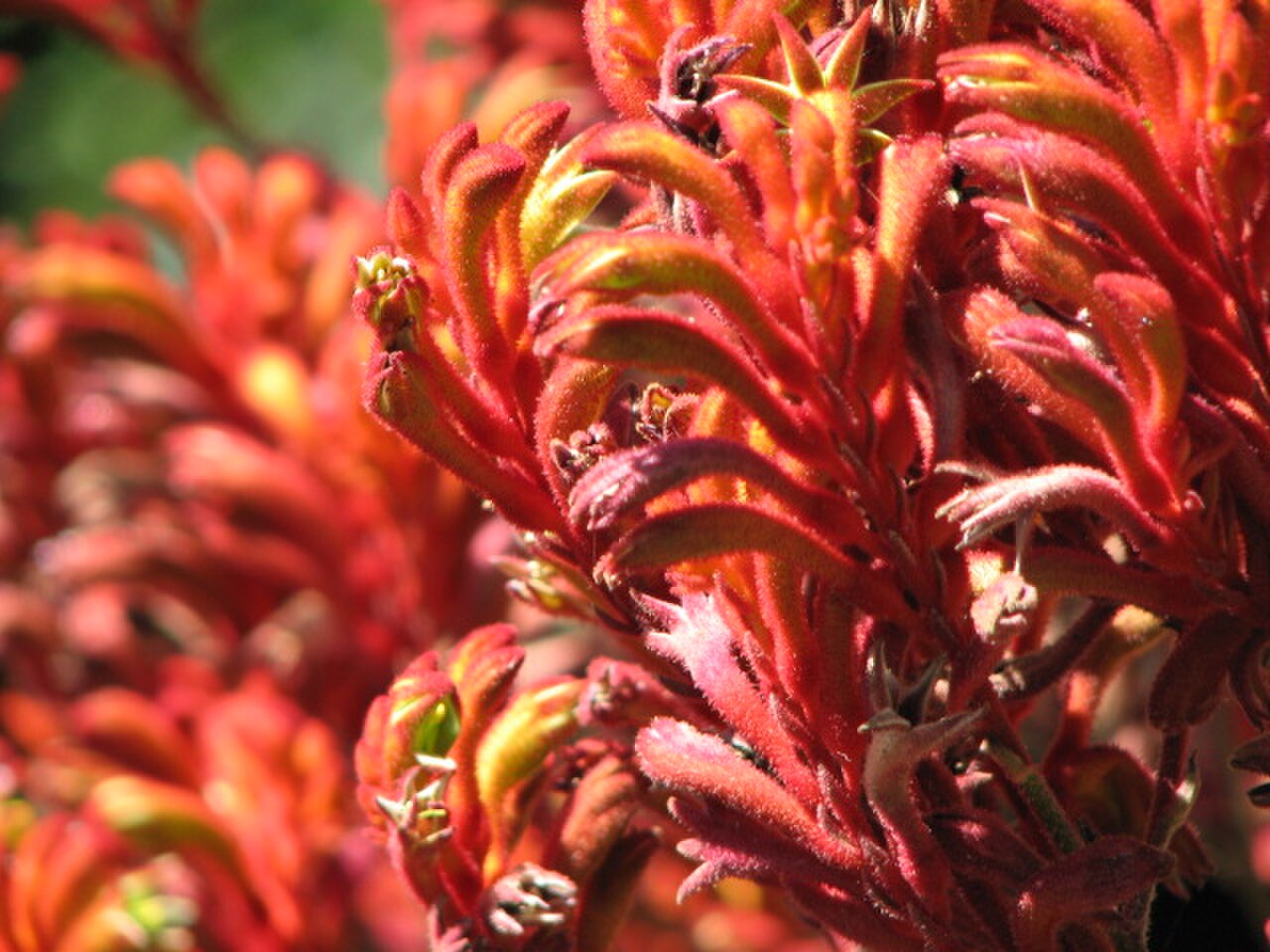
The open coastal grounds can produce memorable animal photographs, but glass, mesh, shade, and changing light often make the subjects harder to capture than expected. Watch quietly and allow animals to settle instead of pressing close to barriers or interrupting another visitor’s view. Avoid flash where it could disturb animals, follow exhibit signs, and keep paths clear while waiting for a better angle. Ordinary personal photography is one thing; professional equipment, commercial use, tripods, and drones may follow separate zoo rules. For families, the children’s zoo and planted paths can provide easier informal photographs between larger exhibits. A longer lens helps across open habitats, while patience is more valuable than trying to photograph every animal immediately.
Checked 2026-09-02 · Source
Yes. The children’s zoo offers a more approachable animal experience for younger visitors, and the larger grounds provide a full family outing. Plan for regular rests, a slower pace, and help with a stroller on some slopes.
Begin with the children’s zoo if younger visitors need an easy introduction, then choose a few larger habitat areas such as the African Savanna. Leave time for animal-viewing pauses, educational displays, and a meal break rather than trying to hurry through every section.
Most visitors can cover the principal highlights in one day, but the spread-out grounds, animal-viewing pauses, the children’s zoo, meals, and talks make a thorough visit substantial. A return can suit anyone who prefers an unhurried pace.
The zoo occupies southwestern San Francisco near the Pacific shore. Expect open coastal air, changing weather, and a destination-scale outing rather than a compact attraction among downtown landmarks.
Conservation and education are part of the zoo’s public role alongside animal exhibits. Keeper talks, educational signs, and habitat interpretation add learning opportunities to the animal-viewing experience.
Wear comfortable shoes and bring layers for fog, wind, and cool coastal air. Allow most of a day, plan regular rests, and leave extra time for the cross-city journey to and from the southwestern edge of San Francisco.
Loading the interactive map…
The interactive map could not be loaded.
Last updated:
Source: OpenStreetMap contributors, Wikidata ·