Country guide
United States
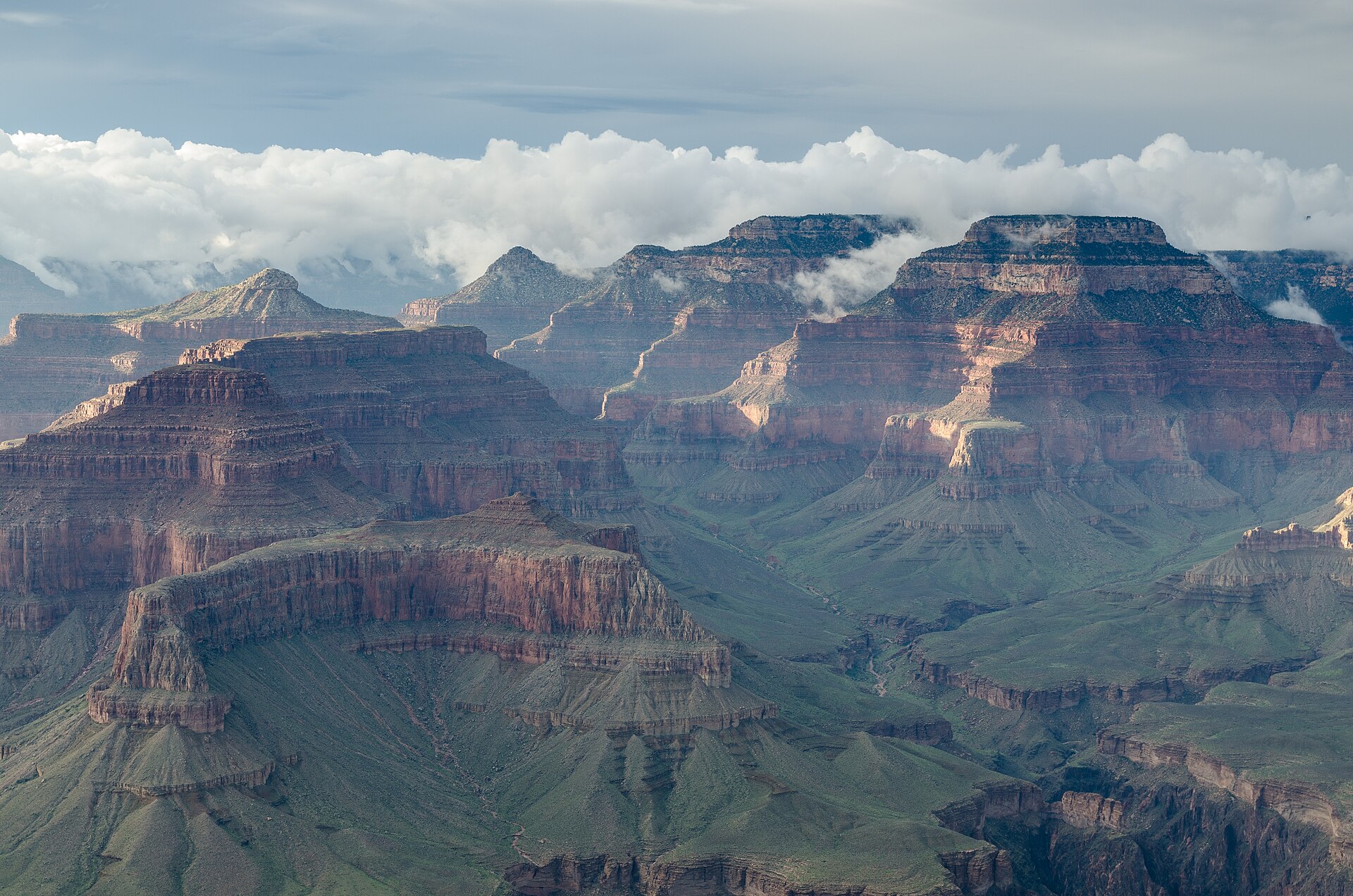

At 9,833,520 km² the United States has the fourth-largest land area in the world, and its 50 states and federal district span enough longitude that the ordinary clock runs from UTC−4 to UTC−10, with the territories reaching −12, +10 and +11. The 2025 population estimate is 341,784,857. Washington, D.C. is the capital and New York the largest city, but neither stands in for the rest of it. Distance is the planning problem here, not choice: a trip works far better as one region covered properly than as anything resembling a national tour.
Reviewed by Elena Voss · Roavina Travel Editor
Cities
Every city catalogued in this country so far, ranked by how much there is to see.
-
New York
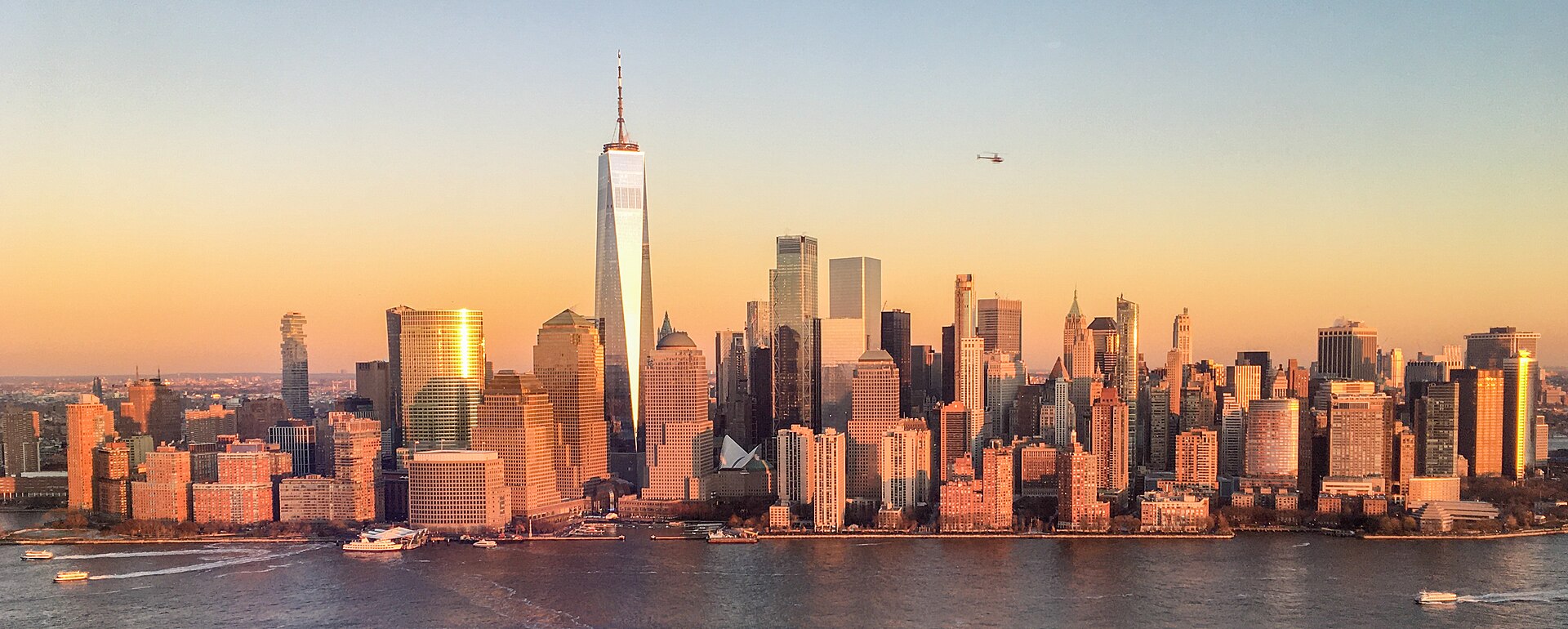
Photograph · Fred Hsu on en.wikipedia · CC BY-SA 4.0
New York 13,079 places -
Chicago
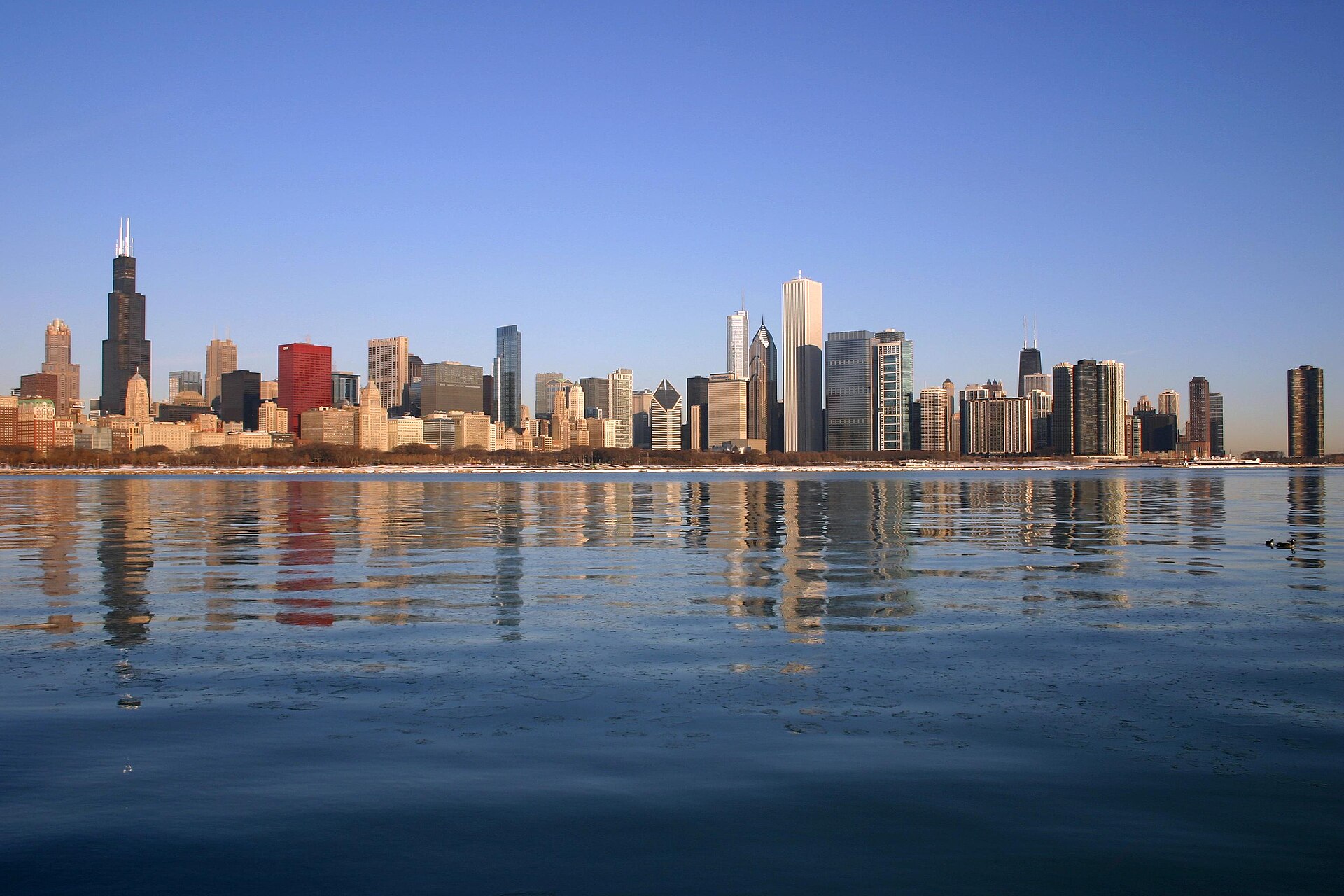
Photograph · J. Crocker · Attribution
Chicago 7,644 places -
Los Angeles
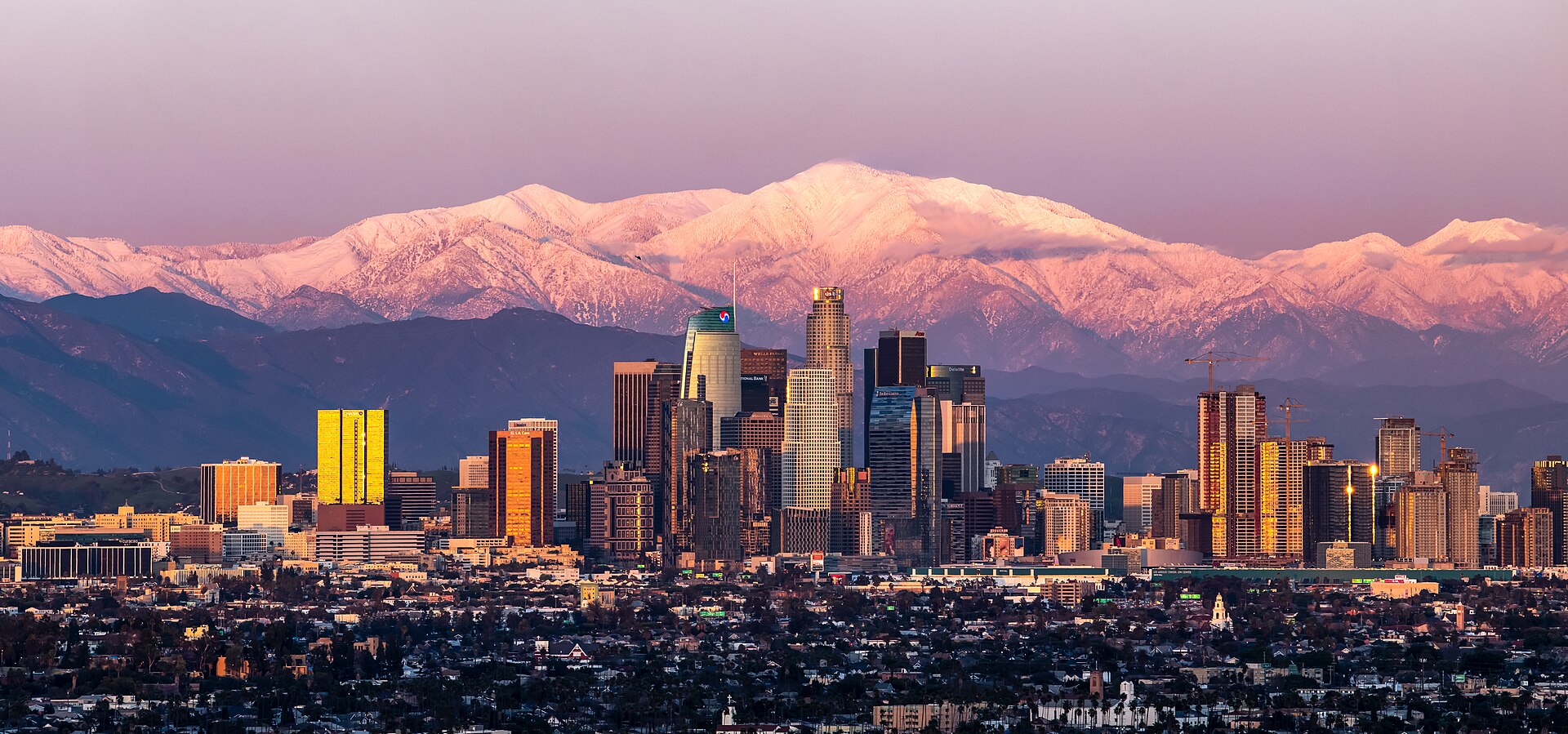
Photograph · Alek Leckszas · CC BY-SA 4.0
Los Angeles 6,834 places -
Washington

Photograph · Carol M. Highsmith · Public domain
Washington 3,796 places -
Boston
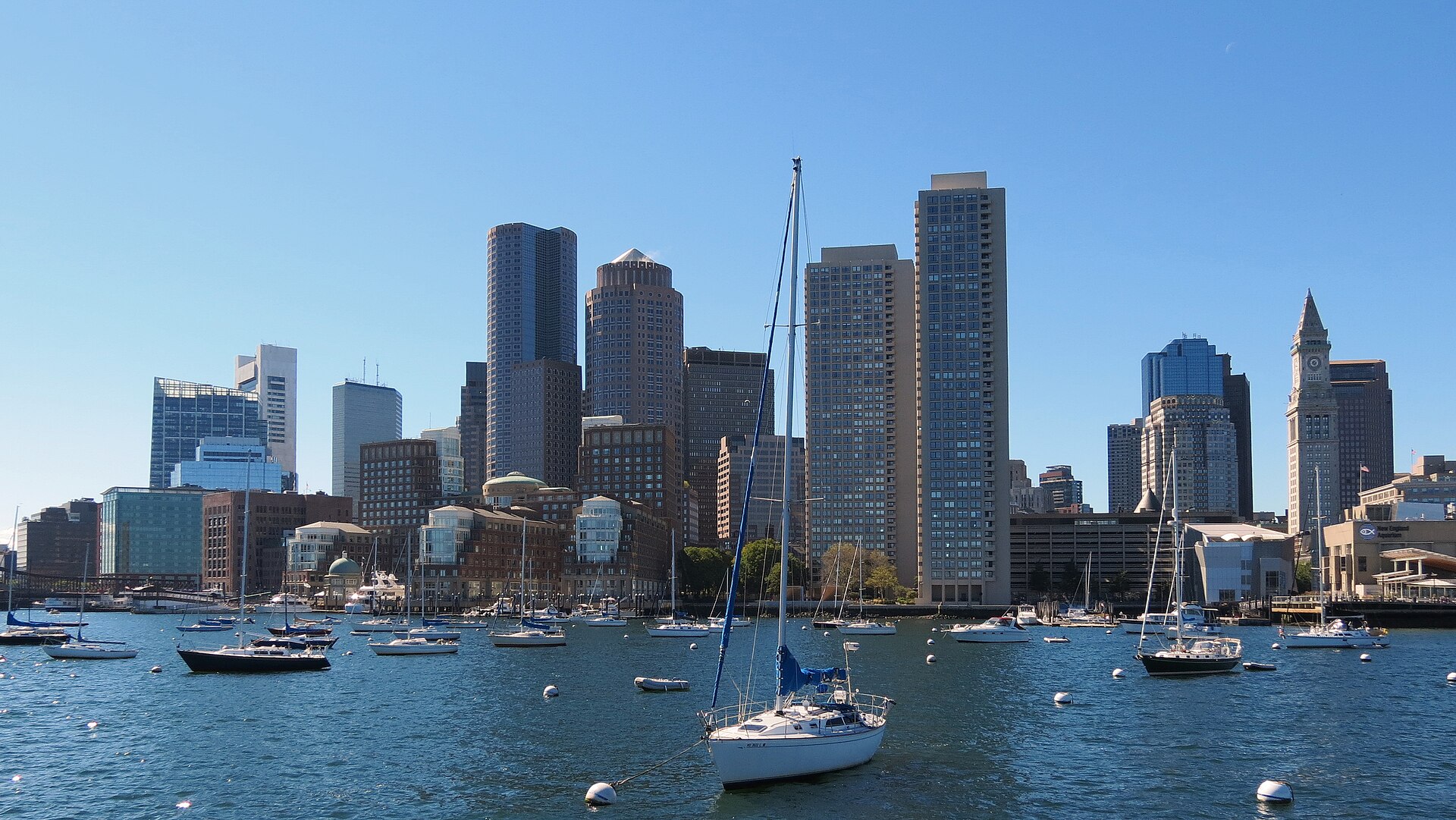
Photograph · Robert Linsdell from St. Andrews, Canada · CC BY 2.0
Boston 3,153 places -
San Francisco
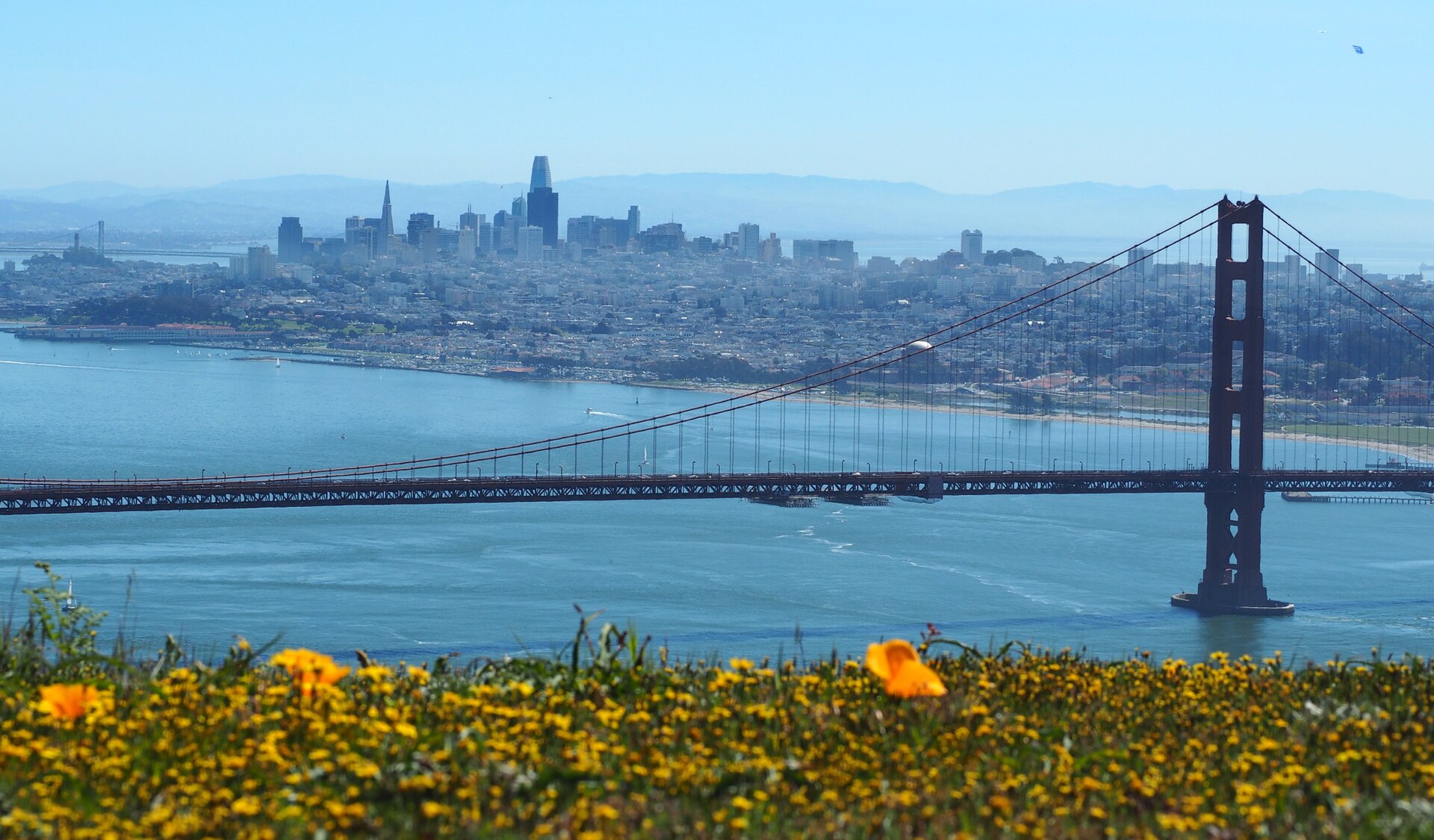
Photograph · Lightandtruth · CC BY-SA 4.0
San Francisco 3,542 places -
Honolulu
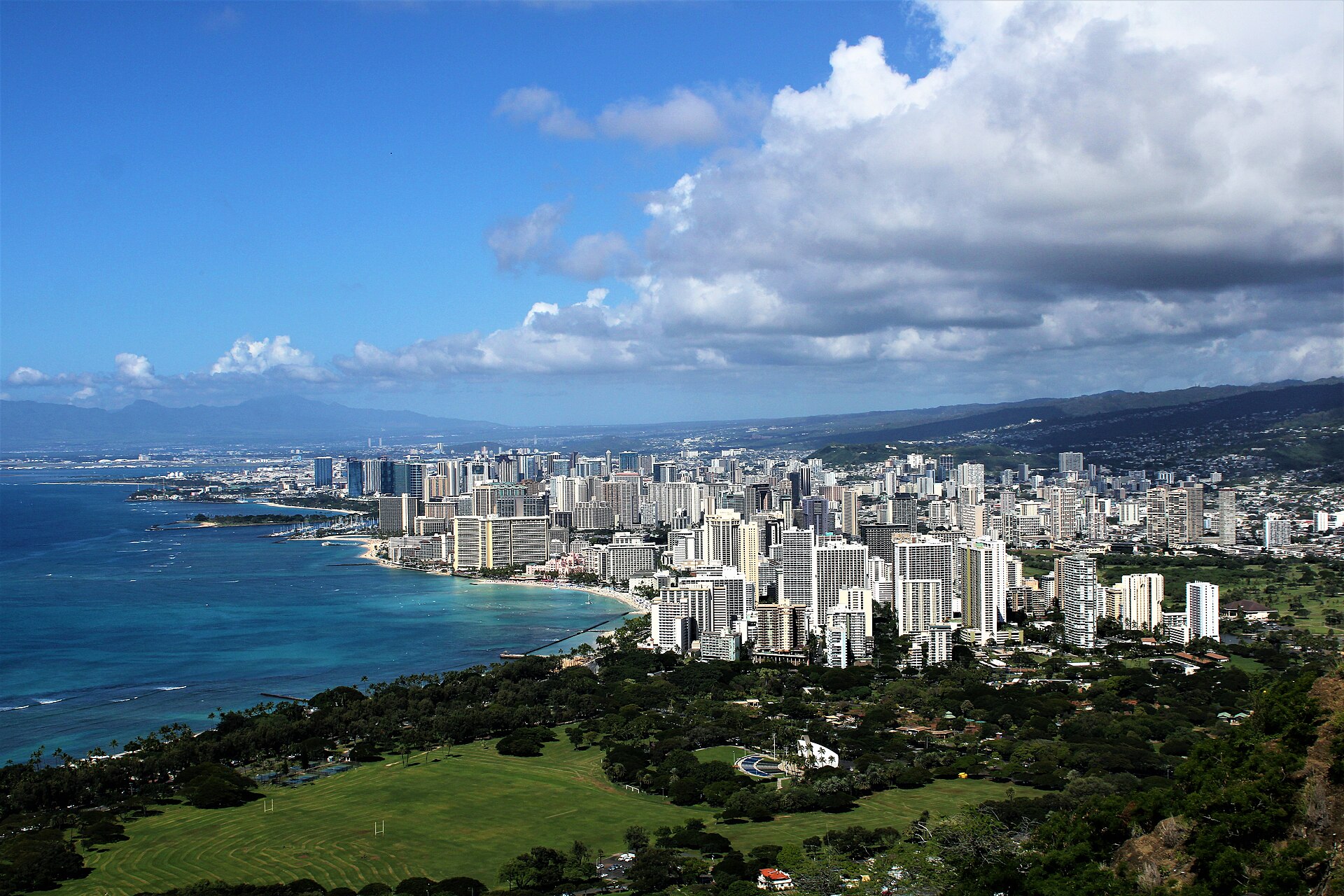
Photograph · Farragutful · CC BY-SA 4.0
Honolulu 1,865 places -
Las Vegas
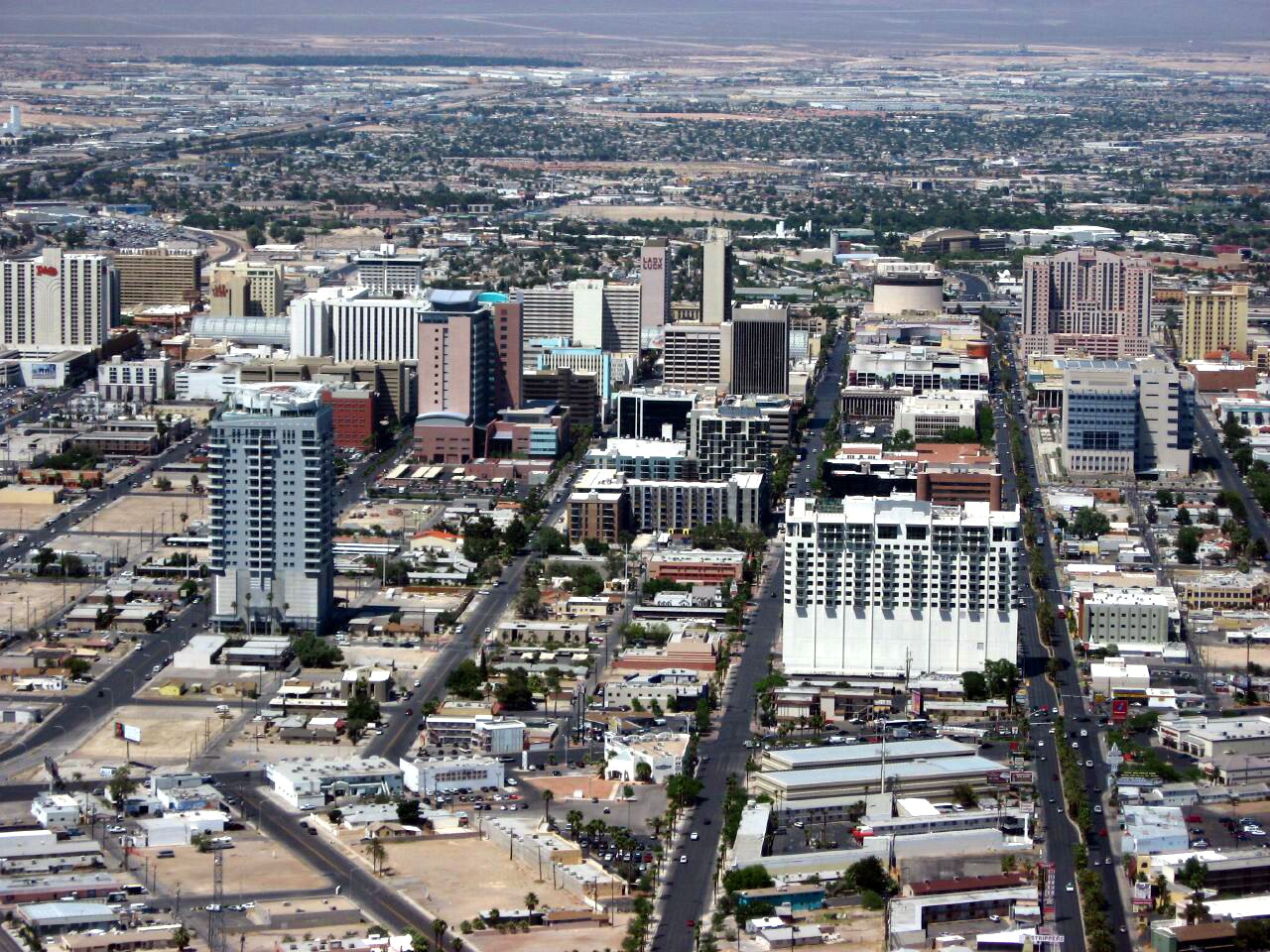
Photograph · Ken Lund from Las Vegas, Nevada, USA · CC BY-SA 2.0
Las Vegas 1,236 places -
Miami
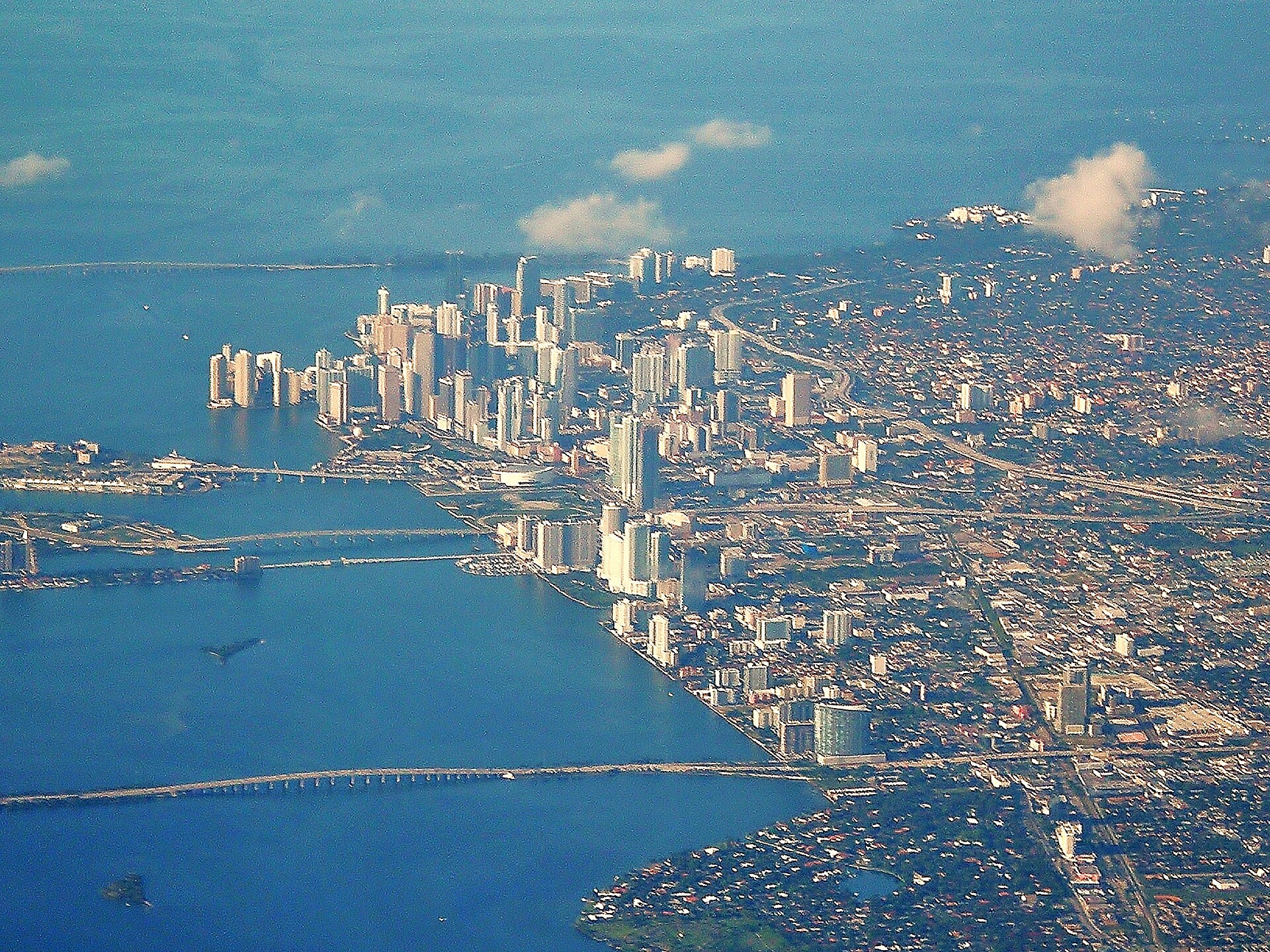
Photograph · Marc Averette · CC BY-SA 3.0
Miami 1,102 places -
Orlando
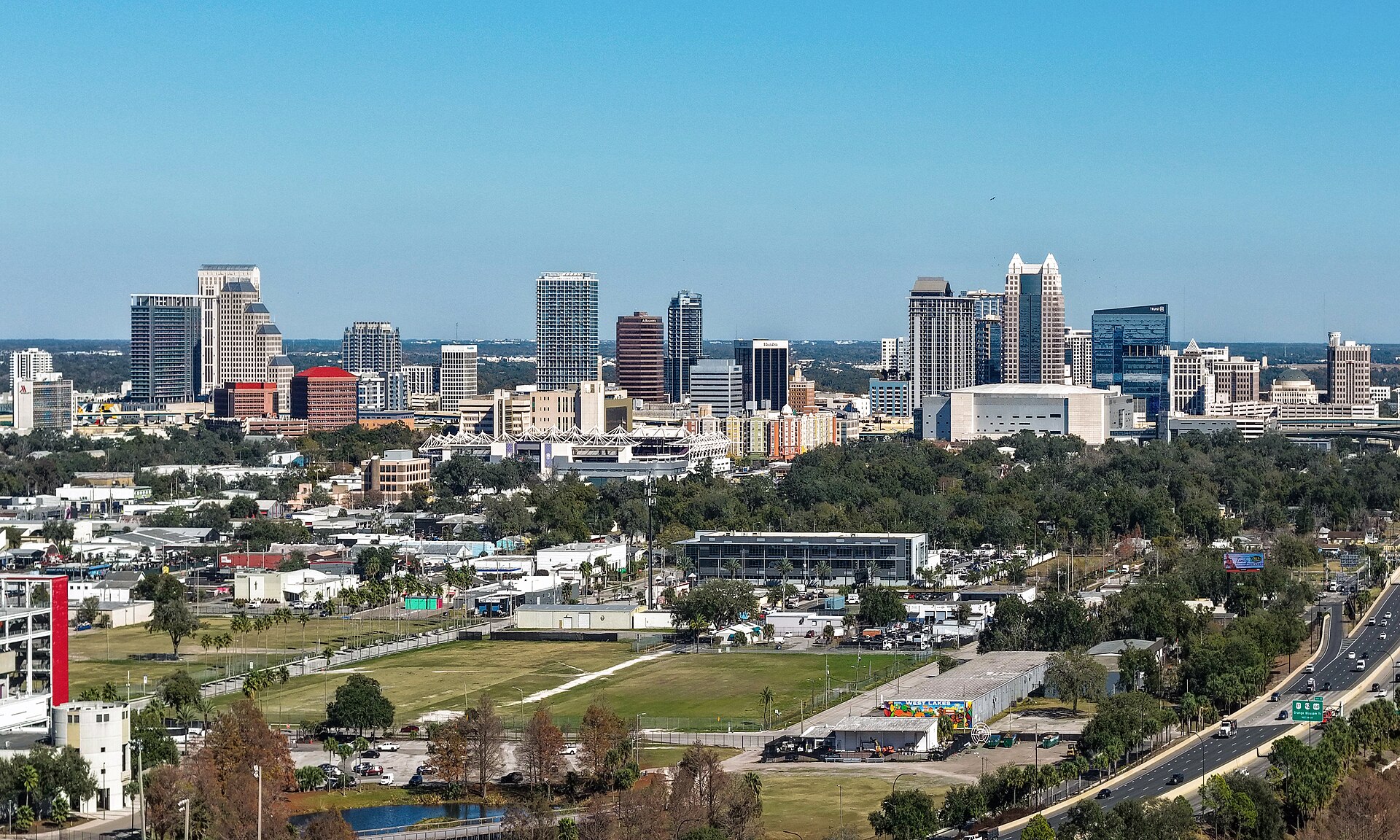
Photograph · Quintin Soloviev · CC BY 4.0
Orlando 1,026 places
.jpg)


_(10772382303).jpg)


.jpg)
Practical information
Practical information
- Language spoken
- English is the principal language; no federal official language
- National practical orientation; regional and minority languages may also be used
- Dialling code
- +1
- International calling code; local area and mobile prefixes still apply
- Currency
- United States dollar (USD)
- Use the official local currency; card acceptance varies by place
- Emergency number
- 911
- Use only for an emergency; tourist assistance may use a separate number
- Plug type
- Type A and B · 120 V
- Check that chargers support the recorded voltage before using an adapter
- Tap water
- Not recorded
- Water quality is regulated locally; check the current notice for the destination
Planning a visit
- Seasonal closure recorded
- The current month
- January: seasonal closure recorded
- February: seasonal closure recorded
- March: seasonal closure recorded
- April: seasonal closure recorded
- May: seasonal closure recorded
- June: seasonal closure recorded
- July: seasonal closure recorded
- August: seasonal closure recorded
- September: seasonal closure recorded — this month
- October: seasonal closure recorded
- November: seasonal closure recorded
- December: seasonal closure recorded
Top things to see
Ranked by importance — sitelinks, pageviews and heritage status, not editor preference.
Filter the list
0 places match
0 places match
Nothing in United States matches all of those filters
The list is built from real place data, so an empty result means the combination genuinely has no match — not that the page failed. Loosen one filter and the ranking returns.
Clear all filtersSource: OpenStreetMap contributors, Wikidata ·
Common questions
How long should a first trip to United States be?
Ten to fourteen days should focus on one US region: New York, Washington, and Boston work together by rail, while San Francisco, Los Angeles, and Las Vegas form a different trip. Miami, Orlando, and Honolulu each require separate travel time and should not be appended casually.
What entry documents are needed for United States?
US admission depends on passport, visa status, and eligibility for the Visa Waiver Program and ESTA. Confirm both the Department of State visa guidance and Customs and Border Protection requirements for the actual route.
What is the best way to travel around United States?
Domestic flights are often necessary between US regions, while Amtrak is strongest on the Northeast Corridor. A car is unnecessary in New York or Washington but can be useful in Los Angeles and beyond compact city centres.
When is a practical time to visit United States?
April to May and September to October are broad shoulder-season references, not a national weather forecast. Florida heat, western wildfire conditions, hurricane exposure, and Hawaii's trans-Pacific logistics require destination-specific checks.
What money and payment basics apply in United States?
The United States uses the US dollar (USD). Card use is widespread, but taxes, deposits, and gratuities can make the final amount differ from the displayed base price; keep a second payment method for holds or terminal failures.
What practical safety details should I save for United States?
Dial 911 for police, fire, or medical emergencies in the United States. Type A and B sockets use 120 V; national tap-water safety is not recorded here, so consult the local utility or accommodation.