
9 min walk
Yerablur
- High · Heritage site
- Place of worship
Language · 11 published
Historic monument · Yerevan
Կարմիր Բլուր
Reviewed by Elena Voss · Roavina Travel Editor
| Monday | Closed |
|---|---|
| Tuesday | 10:30 – 16:30 |
| Wednesday | 10:30 – 16:30 |
| Thursday | 10:30 – 16:30 |
| Friday | 10:30 – 16:30 |
| Saturday | 10:30 – 16:30 |
| Sunday | 10:30 – 16:30 |
Checked 2026-08-31 · Source
Read from the OpenStreetMap access tags; anything not listed has no tag recorded.
Set the group type to family in the planner and the day window contracts to about three quarters of a solo day.
This place is a Attraction.
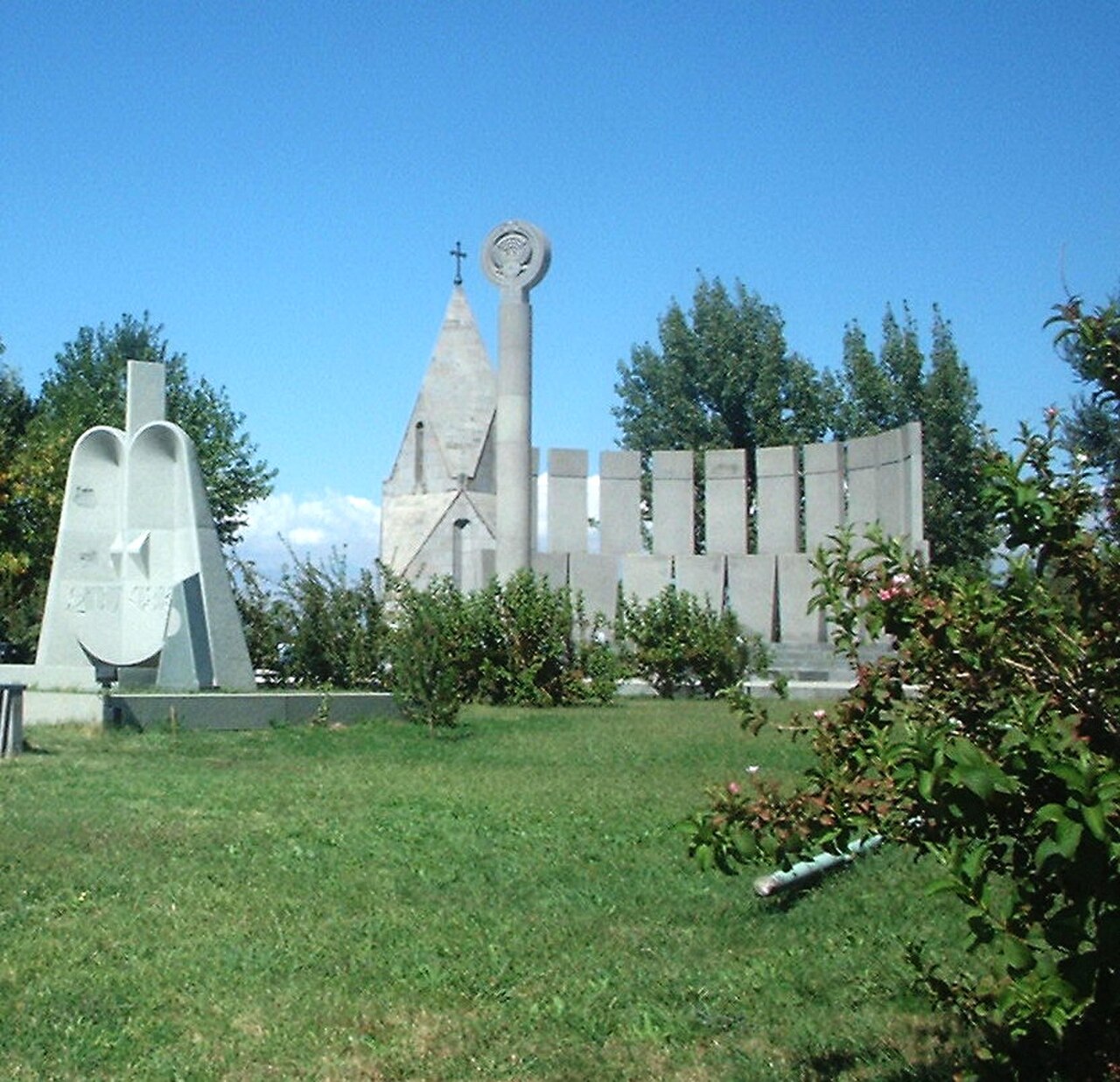
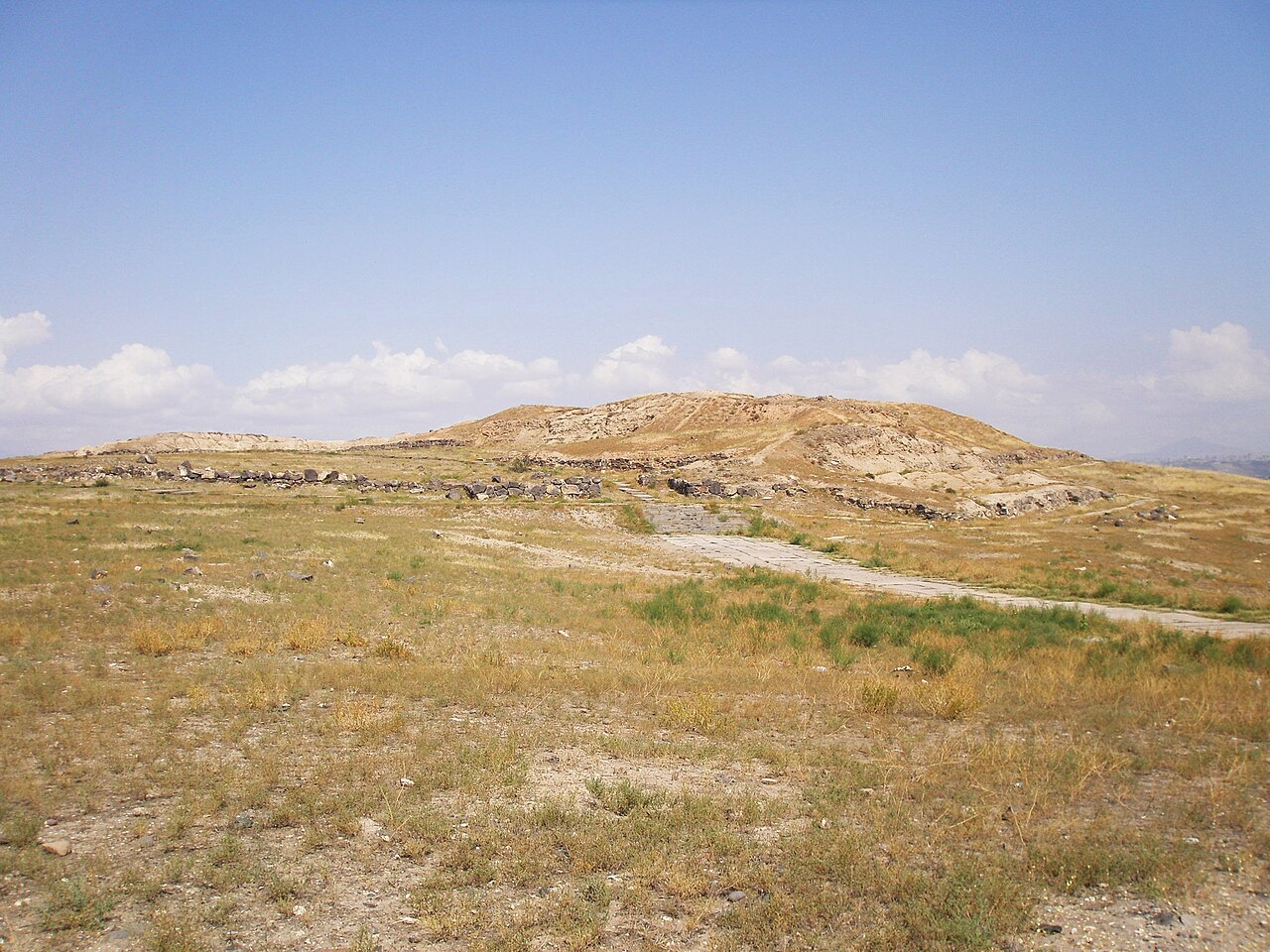
Karmir Blur means Red Hill in Armenian and names an archaeological site in Yerevan's cultural landscape. The name refers to the reddish character of the terrain and gives the place an immediate sense of location and identity. This is a heritage stop for travelers interested in the ancient past of the region, especially those who enjoy landscapes where archaeology remains connected to the ground itself. Visit with expectations of an open-air historical setting rather than a large museum. Its appeal comes from the relationship between Yerevan, the surrounding terrain, and the remains of earlier occupation.
Checked 2026-08-26 · Source
Karmir Blur is experienced as an archaeological landscape rather than a conventional indoor attraction. Visitors may encounter earthworks, foundations, and traces of historical occupation integrated into open ground. The visible remains invite slower observation: changes in elevation, the form of surviving structures, and the way the site sits within Yerevan's wider urban setting. Wear suitable shoes and give the terrain your attention. The visit is strongest when travelers focus on the physical evidence of the past instead of expecting a dense sequence of galleries, polished interiors, or extensive museum services.
Checked 2026-08-26 · Source
Set aside around thirty minutes to one hour for Karmir Blur. That range suits a concise walk through the archaeological setting, with time to observe the terrain, foundations, and broader cultural context. Travelers with a strong interest in archaeology may stay longer to examine details and take photographs from different angles. Because the experience is relatively compact, it can work as one stop in a wider Yerevan heritage route. Combine it with another cultural attraction or an outdoor viewpoint when you want a fuller half-day rather than making the site your only destination.
Checked 2026-08-26 · Source
Spring and autumn are comfortable seasons for exploring an exposed archaeological landscape in Yerevan. Summer sunshine can make open ground tiring, so an earlier or later visit creates a more manageable pace. Winter may bring cold conditions and harder walking on unpaved or uneven surfaces. Daylight matters because the site's character depends on reading terrain, foundations, and views across the surrounding area. Place the stop within a daylight itinerary and leave room for a slower route if the ground demands careful footing. The red earth and low angled light can also give the site a distinctive visual quality.
Checked 2026-08-26 · Source
Approach Karmir Blur as a cultural heritage visit whose main value is archaeological rather than commercial. Carry water and basic outdoor essentials so the stop remains comfortable if surrounding services are limited. A compact visit can fit easily into a Yerevan day, but travelers should leave time for the approach and for walking across the site itself. The terrain, historical remains, and Red Hill setting are the reasons to come. Plan your spending around the wider day rather than expecting a large visitor complex with extensive retail, dining, or indoor facilities.
Checked 2026-08-26 · Source
Use the OpenStreetMap position for the final approach, since Karmir Blur is a specific archaeological destination rather than a broad central landmark. Taxi and ride-hailing services provide a practical way to reach the surrounding area, while public transport may require a walk at the end. Check the route on a detailed map before setting out and allow time for the less formal character of an archaeological landscape. The place works best as a deliberate excursion from Yerevan's central districts, followed by another nearby cultural or outdoor stop.
Checked 2026-08-26 · Source
Uneven ground, exposed earth, and archaeological features require careful movement. Wear sturdy shoes, avoid climbing on remains, and keep to established routes wherever the landscape indicates a clear path. Carry water because an open-air heritage site may offer fewer visitor services than a museum. Sun protection is important in warm weather, while winter layers help when the ground and wind feel cold. Treat foundations and earthworks as fragile evidence, not as seating or climbing structures. Keep valuables secure and stay aware of your surroundings when visiting a quieter edge of the city.
Checked 2026-08-26 · Source
The site's reddish terrain gives photography a clear visual theme. Look for low viewpoints that place earthworks and foundations against the wider Yerevan landscape, then move closer for textures, layers, and traces of construction. Morning or late-day light can emphasize the color of the hill and create shadows across uneven ground. Keep equipment outside fragile areas and avoid standing on archaeological remains for a better angle. Wide views explain the setting, while close details show why an open-air site rewards patient observation even when its surviving structures are modest.
Checked 2026-08-26 · Source
Karmir Blur translates from Armenian as Red Hill, referring to the reddish character of the terrain.
It is an archaeological site and open-air cultural property within Yerevan's historic landscape.
Plan approximately thirty minutes to one hour, with extra time for detailed archaeological observation and photography.
Sturdy shoes are useful because archaeological sites can include uneven ground, exposed earth, and changing elevations.
It offers a direct encounter with the region's archaeological heritage and connects ancient remains with Yerevan's surrounding urban landscape.
Its reddish terrain, open-air setting, earthworks, foundations, and broad views create the site's distinctive visual character.
Loading the interactive map…
The interactive map could not be loaded.
Last updated:
Source: OpenStreetMap contributors, Wikidata ·