


1 min walk
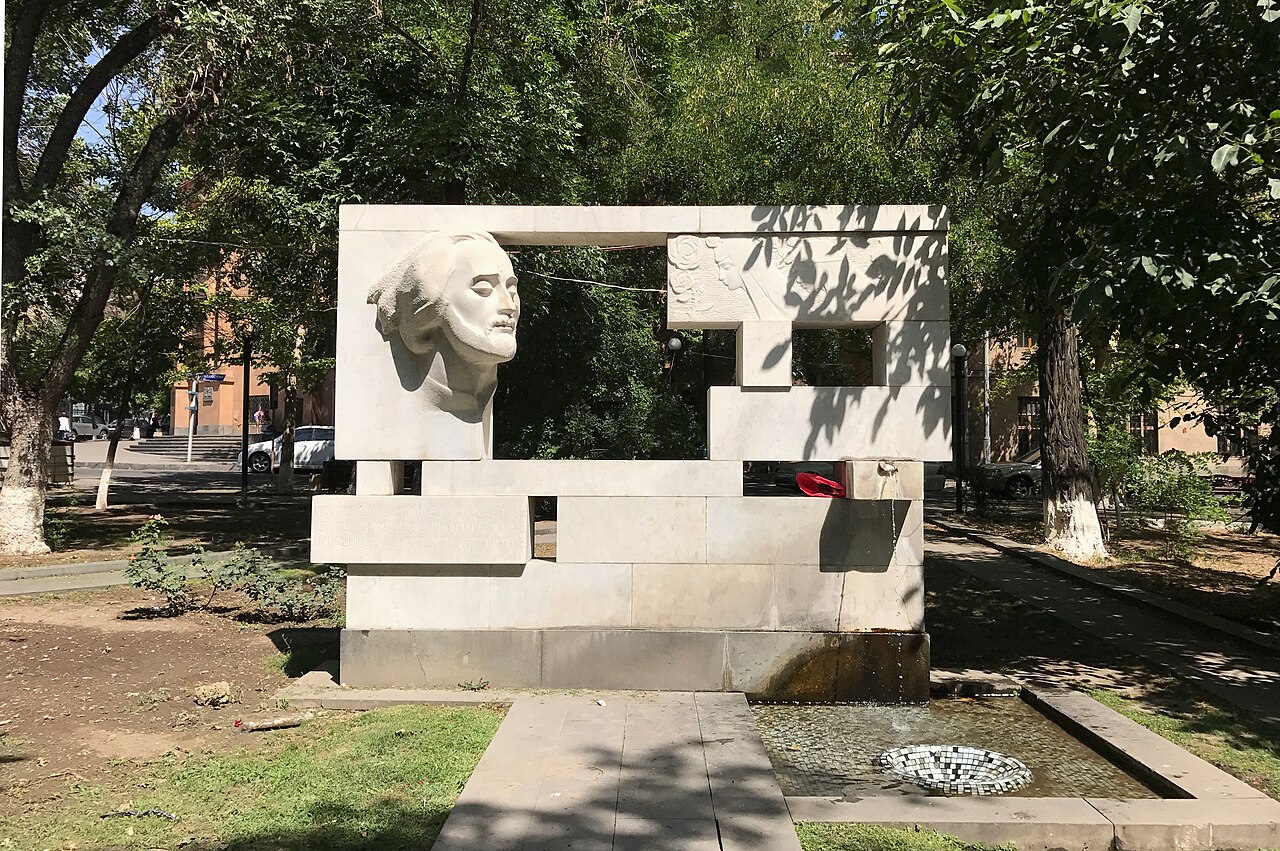
Sayat Nova monument
- Notable · Heritage site
- Historic monument
Language · 11 published
Art and culture venue · Yerevan
Կոմիտասի արձան
Reviewed by Elena Voss · Roavina Travel Editor
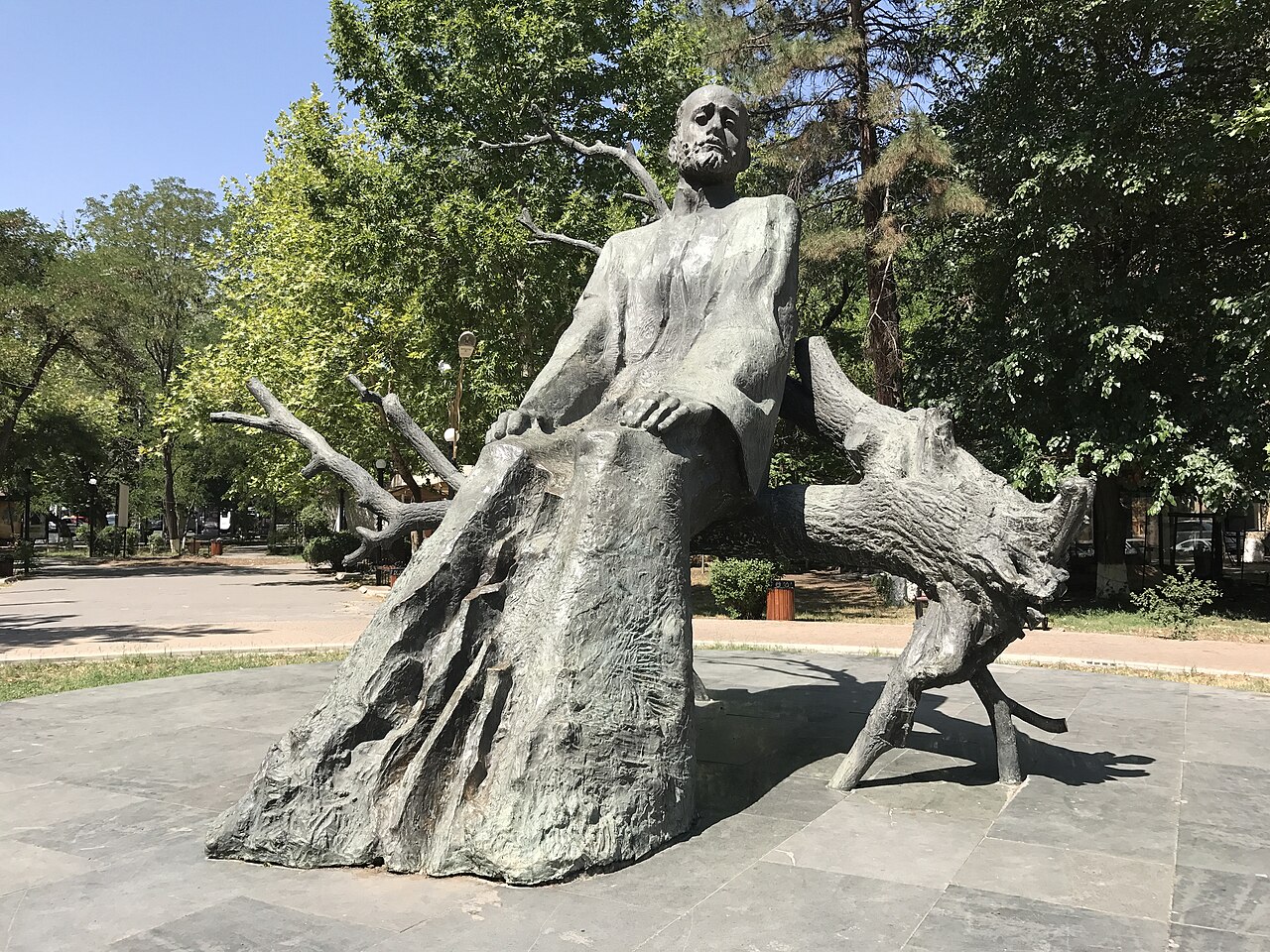
This place is a Artwork. It opened in 1988. It is built of bronze. It carries the cultural heritage monument in Armenia heritage designation.
Komitas Monument is an outdoor memorial in Yerevan dedicated to Komitas, the Armenian priest, composer, and ethnomusicologist. His work preserved Armenian folk music and remains closely connected with Armenian cultural identity. The monument is a quiet urban place for visitors interested in music, memory, and the people who shaped Armenia’s cultural heritage. Treat it as a focused memorial stop within a wider exploration of Yerevan. The Komitas Monument is a public memorial in Yerevan dedicated to Komitas, the revered Armenian priest, composer, and ethnomusicologist who preserved Armenian folk music before the 1915 genocide. The monument commemorates his cultural legacy and the profound impact of his work on Armenian national identity. It stands as a site of remembrance and cultural pilgrimage for visitors and locals alike, reflecting the deep reverence Armenians hold for this foundational figure in their musical and spiritual heritage.
Checked 2026-08-26 · Source
There is no enclosed museum or exhibition hall at Komitas Monument. The experience consists of the commemorative sculpture and its immediate public setting, where visitors can pause, observe the artwork, and consider Komitas’s cultural importance. The monument is best understood through its outdoor form and its role as a place of remembrance rather than as a collection of displayed objects or an indoor attraction. The monument itself is an outdoor sculptural installation situated in a public space. Visitors will find the commemorative statue and its surrounding plaza area. There are no enclosed buildings, museums, or exhibition halls associated with this specific monument. The experience centers on contemplation of the artwork and its historical significance. Nearby urban features of Yerevan may provide additional context, but the monument's content is limited to the sculptural memorial and its immediate landscaped or paved setting.
Checked 2026-08-26 · Source
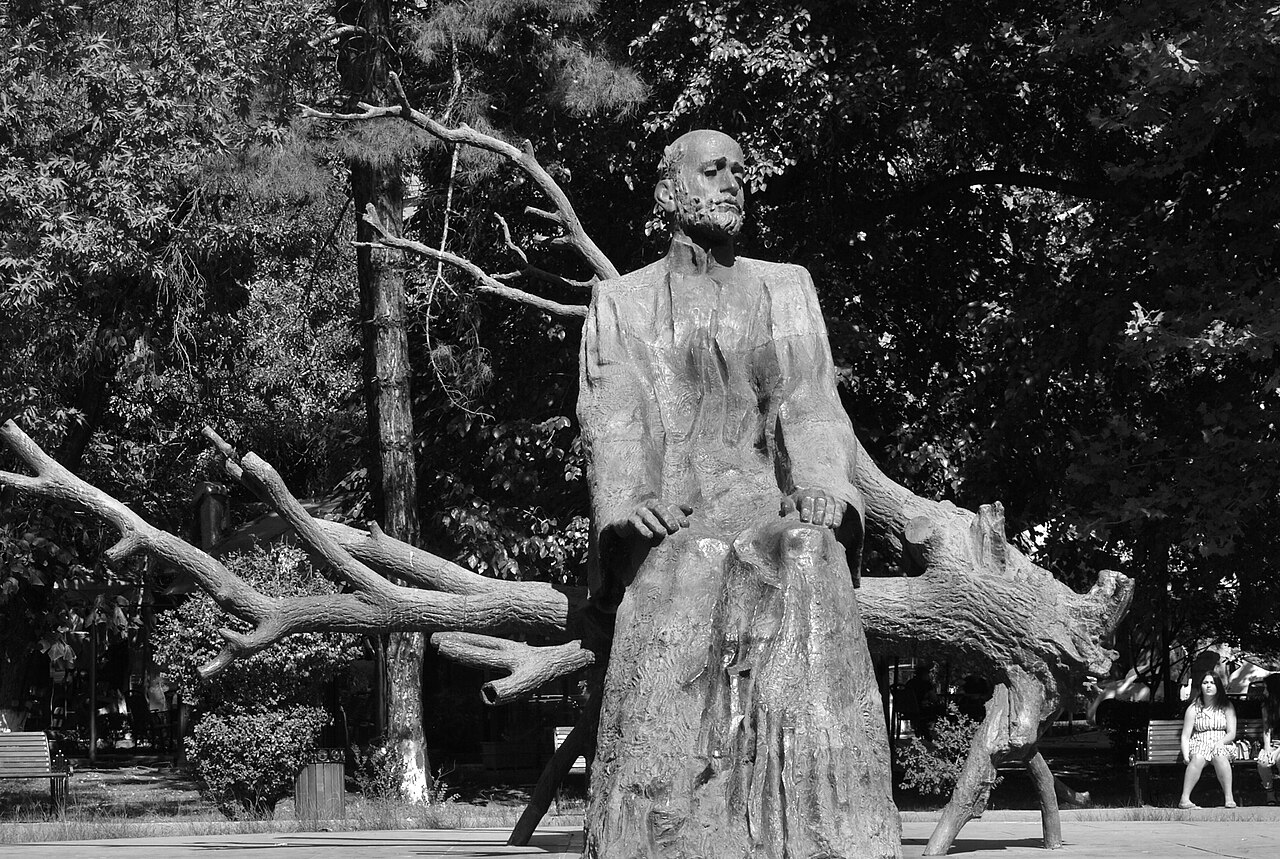
Allow about fifteen to thirty minutes for a considered visit. That gives enough time to approach the monument, study its sculptural details, read any inscription present, and take a few photographs. Visitors with a strong interest in Komitas, Armenian music, or memorial art may stay longer. The compact stop also fits naturally into a walking day focused on Yerevan’s cultural landmarks. A visit to the Komitas Monument typically requires brief engagement, as it is an outdoor memorial without extensive grounds or interior spaces to explore. Most visitors spend approximately fifteen to thirty minutes observing the monument, reading any inscriptions, and reflecting on its significance. Those with particular interest in Komitas's life or Armenian cultural history may linger longer.
Checked 2026-08-26 · Source
Daylight is the most useful time for seeing the sculpture clearly and reading any inscription. Morning and late afternoon can give the monument a different visual character, while evening offers a more atmospheric urban setting. Because this is an outdoor memorial, Yerevan’s hot summers and cold winters affect comfort. Choose clothing and timing that suit the weather and the amount of walking planned.
Checked 2026-08-26 · Source
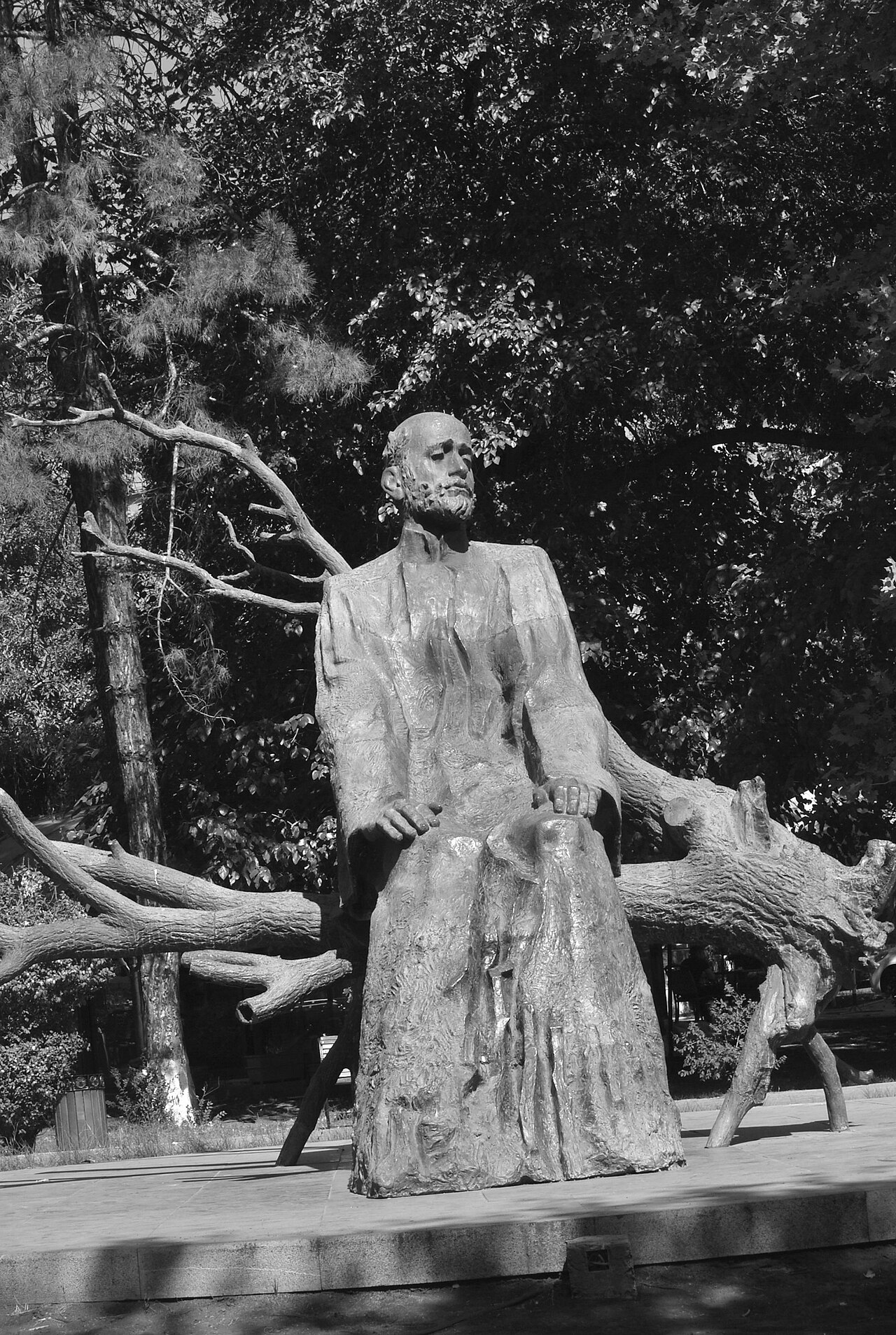
Komitas Monument is an outdoor public memorial, so visitors view it from the surrounding public space rather than entering a ticketed attraction. There is no museum-style admission experience attached to the monument. Plan this stop as a civic landmark within Yerevan, with any travel or personal expenses arising from the wider outing rather than from an exhibition or enclosed visitor facility.
Checked 2026-08-26 · Source
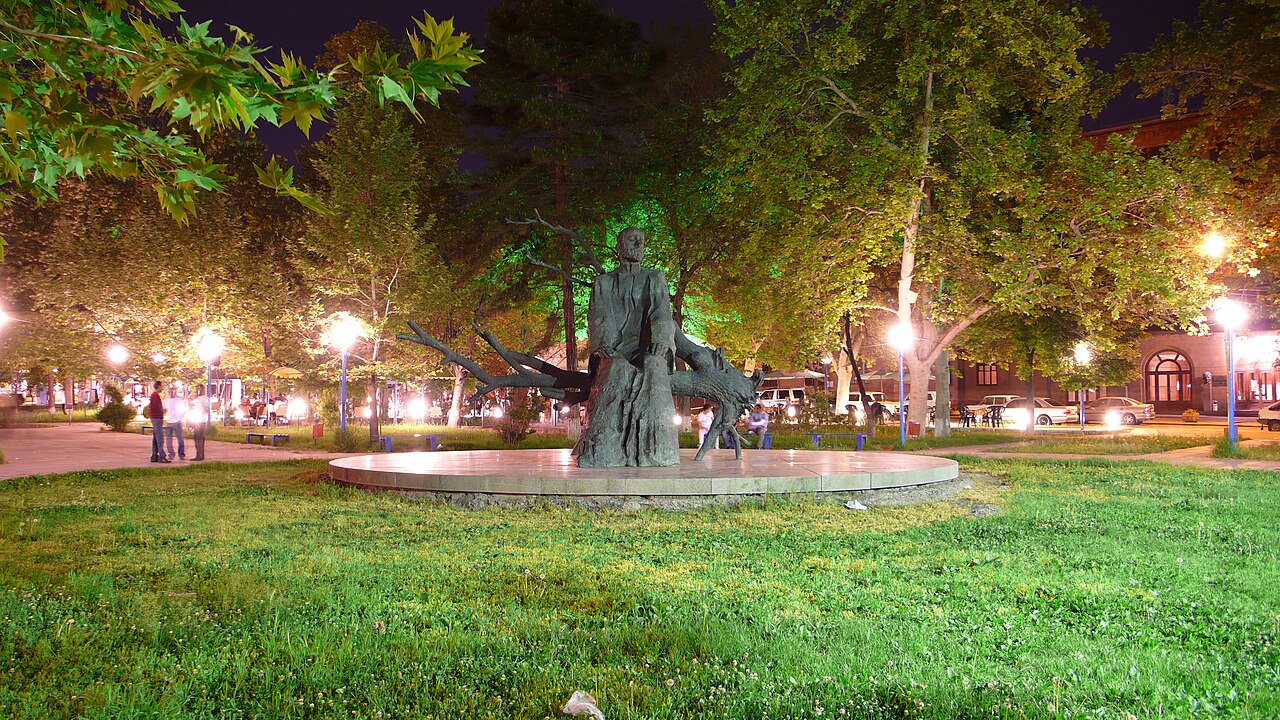
The monument sits within Yerevan’s urban environment and can form part of a city walk. Buses, the metro, taxis, and ride-hailing services are available ways to move around the capital, while walking suits visitors already exploring central areas. Use the monument’s mapped position to guide the final approach. Once there, remain aware of nearby streets and moving traffic when arriving or leaving.
Checked 2026-08-26 · Source
This is an exposed outdoor memorial without an enclosed visitor building. Sun, rain, snow, and cold can change the comfort of a pause, and wet or icy paving may require careful footing. Keep a respectful manner around a place of remembrance, avoid obstructing people using the public space, and take care near active roads. Do not treat the sculpture as something to climb or handle.
Checked 2026-08-26 · Source
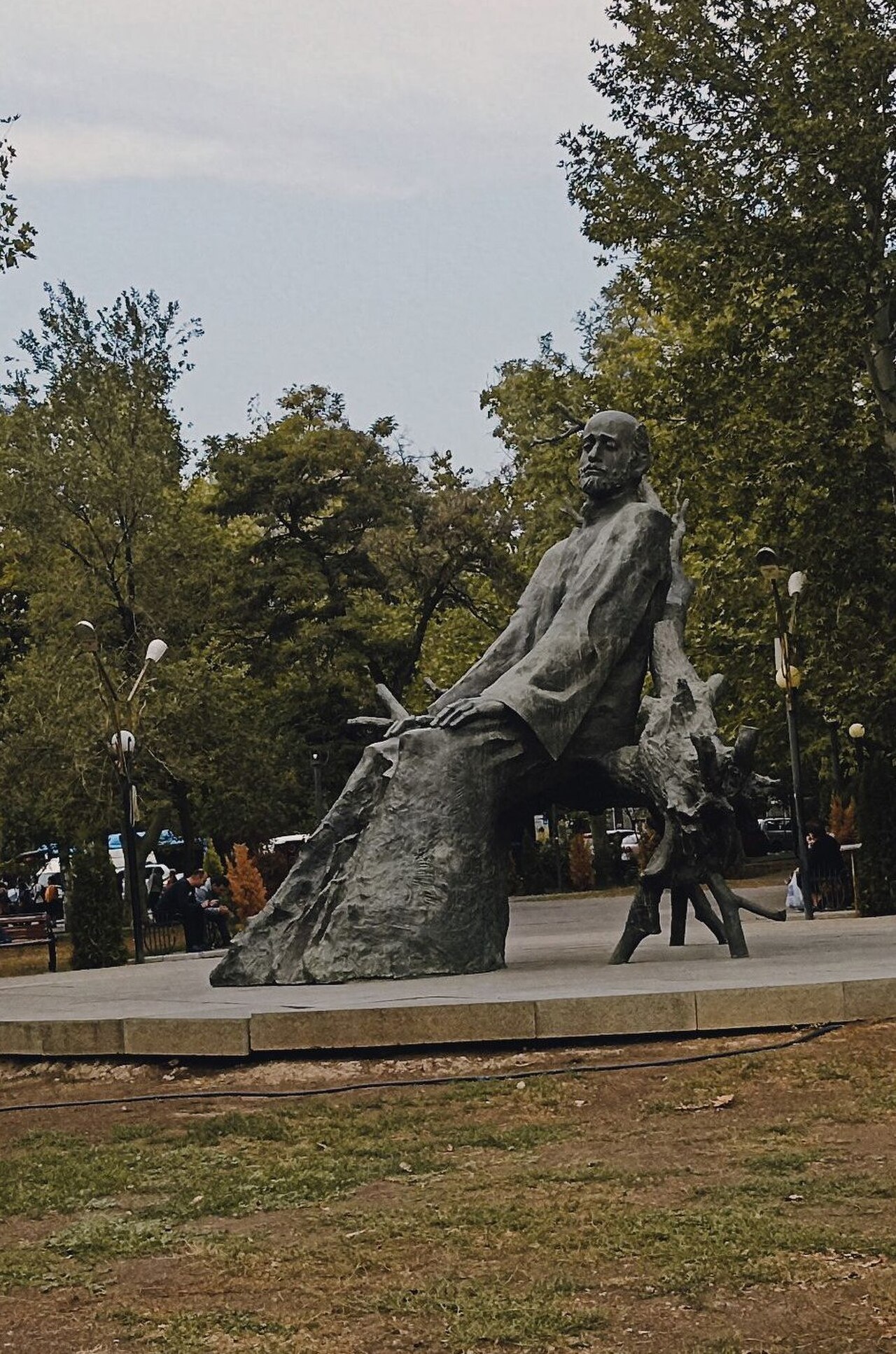
The monument can be photographed as both a sculptural subject and part of Yerevan’s streetscape. Daylight reveals its form most clearly; softer morning or late-afternoon light can reduce harsh contrast. Try a close view for texture and a wider composition for urban context. Keep equipment and personal portraits from blocking pedestrian movement, and photograph other people with ordinary courtesy at this memorial site.
Checked 2026-08-26 · Source
It commemorates Komitas, an Armenian priest, composer, and ethnomusicologist whose work preserved Armenian folk music and became important to Armenian cultural identity.
It is an outdoor sculptural memorial in a public urban space, with no enclosed museum or exhibition hall attached to it.
Plan roughly fifteen to thirty minutes for viewing, reflection, reading any inscription, and taking photographs.
Daylight makes the sculpture and any inscription easier to see, while morning and late afternoon provide different light for photography.
Yes. It works as a short cultural stop within a broader walk through Yerevan’s urban landmarks and public spaces.
Keep equipment clear of pedestrian movement, show respect for the memorial setting, and avoid treating the sculpture as something to climb or handle.
Loading the interactive map…
The interactive map could not be loaded.
Last updated:
Source: OpenStreetMap contributors, Wikidata ·