
.jpg)
.JPG)
.jpg)
.JPG)
.JPG)
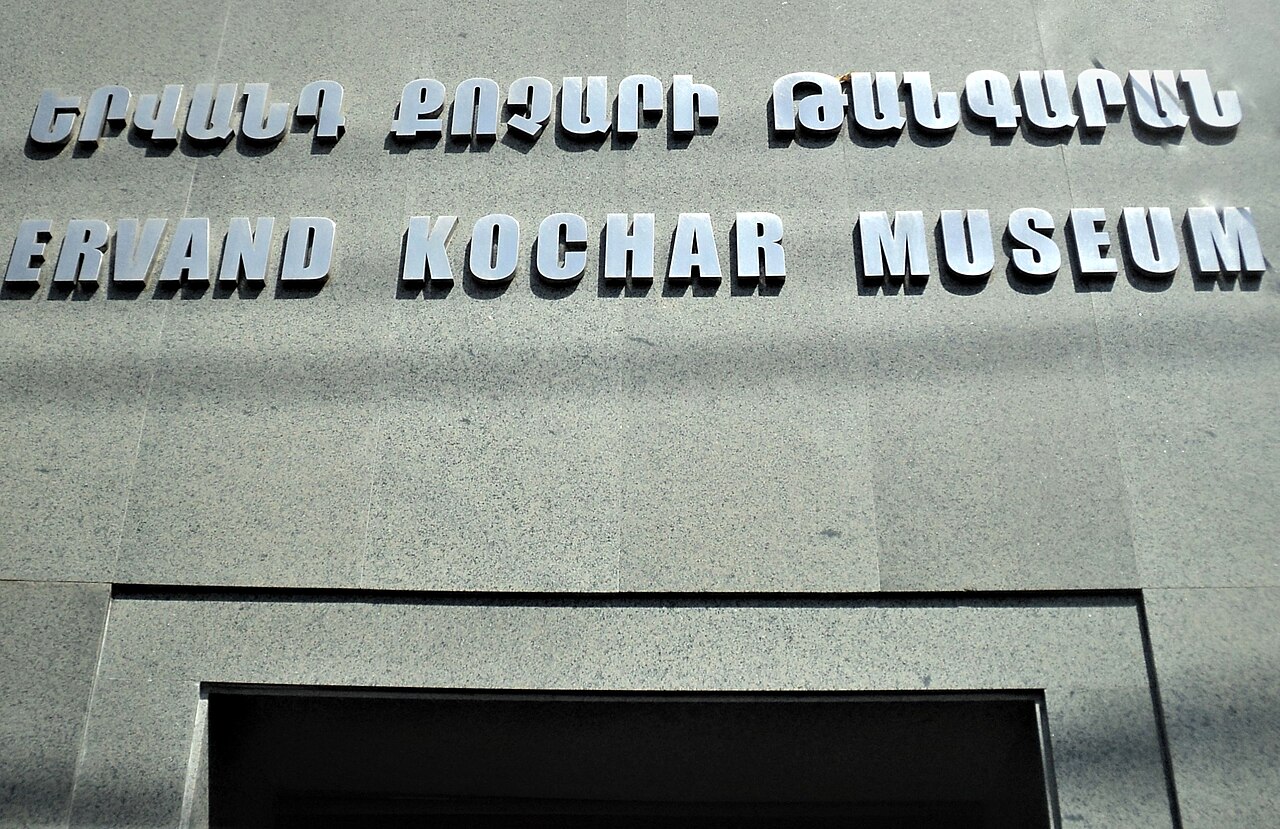
1 min walk
Yervand Kochar Museum
- Must see · Heritage site
- Museum
Language · 11 published
Historic monument · Yerevan
Սայաթ Նովայի հուշարձան
Reviewed by Elena Voss · Roavina Travel Editor
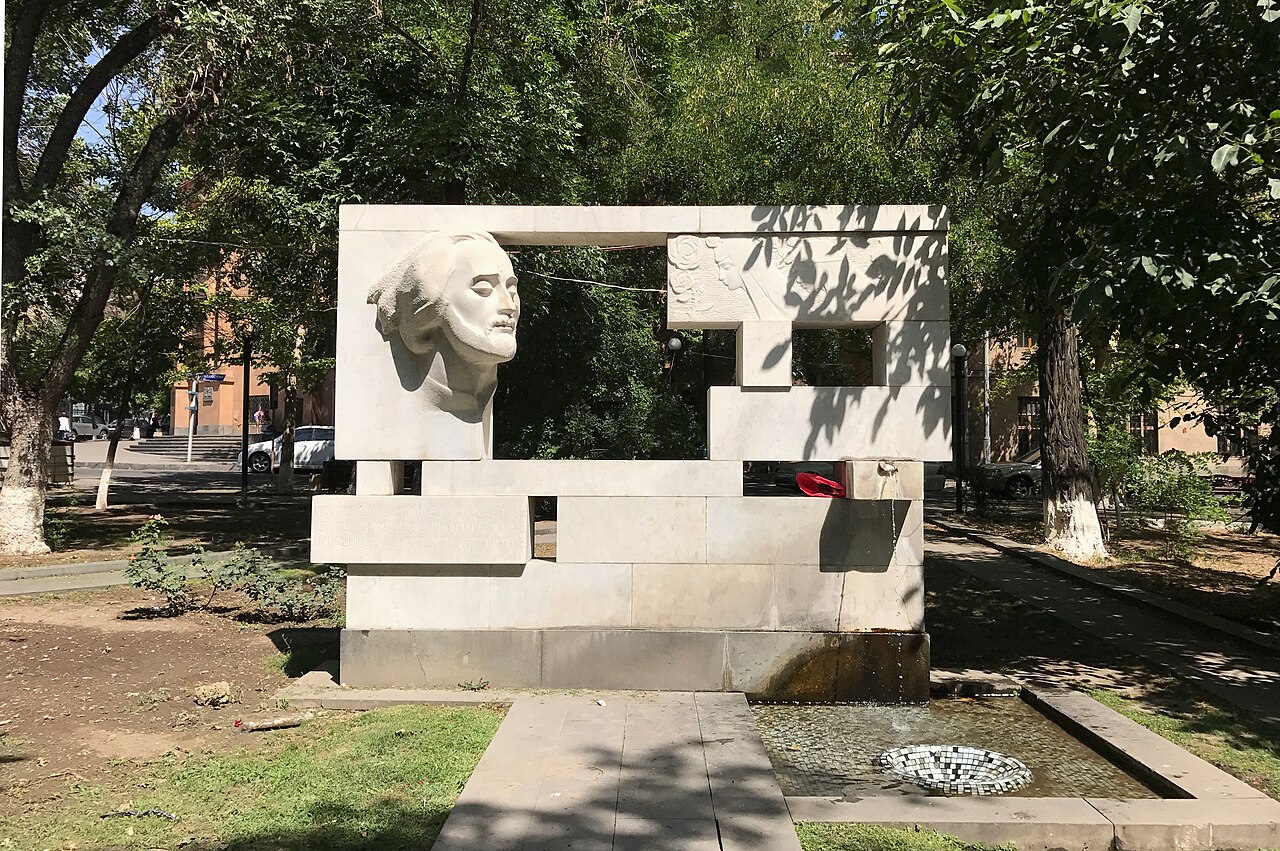
This place is a Memorial. It opened in 1963. It is built of marble. It carries the cultural heritage monument in Armenia heritage designation.
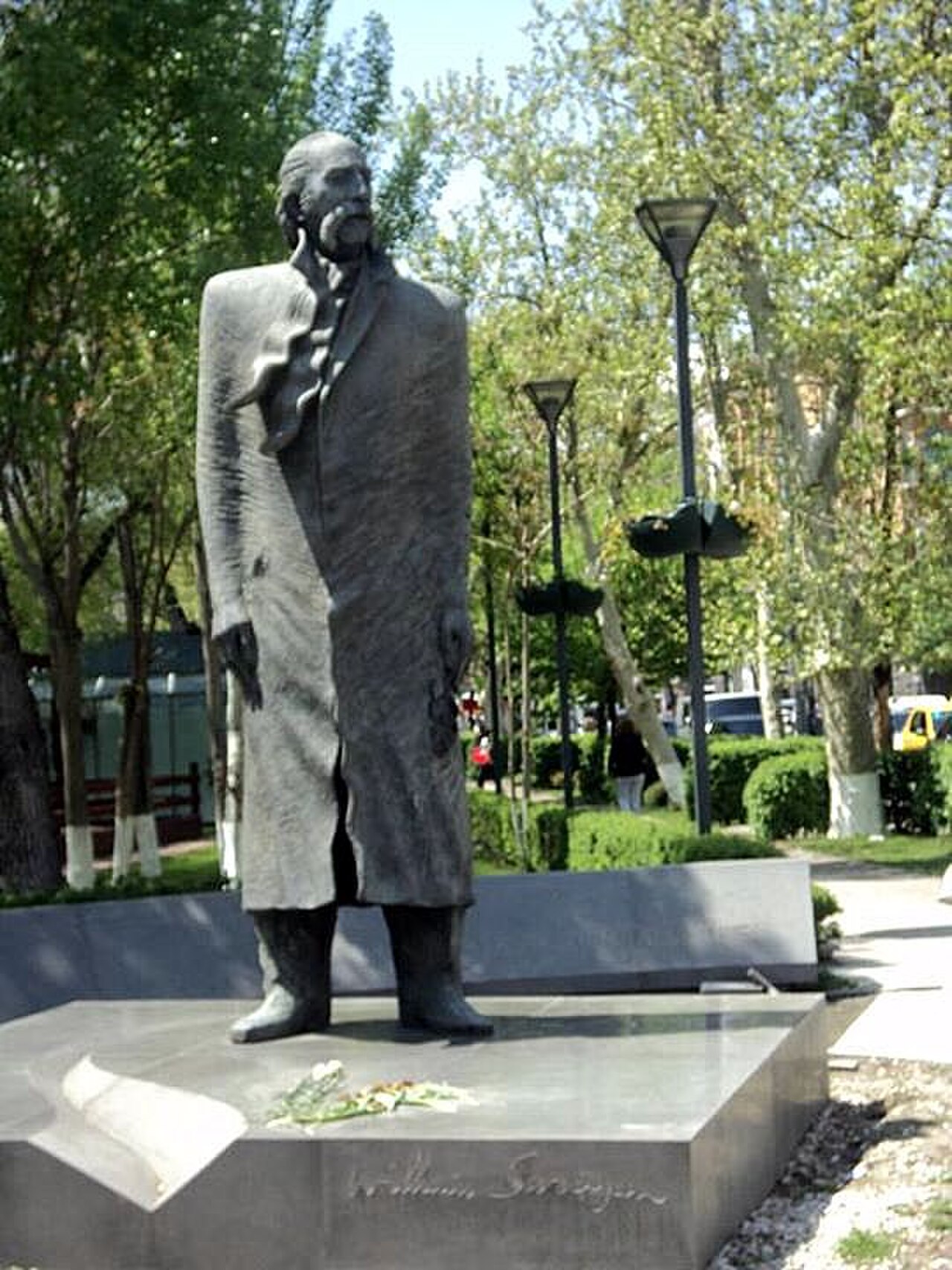
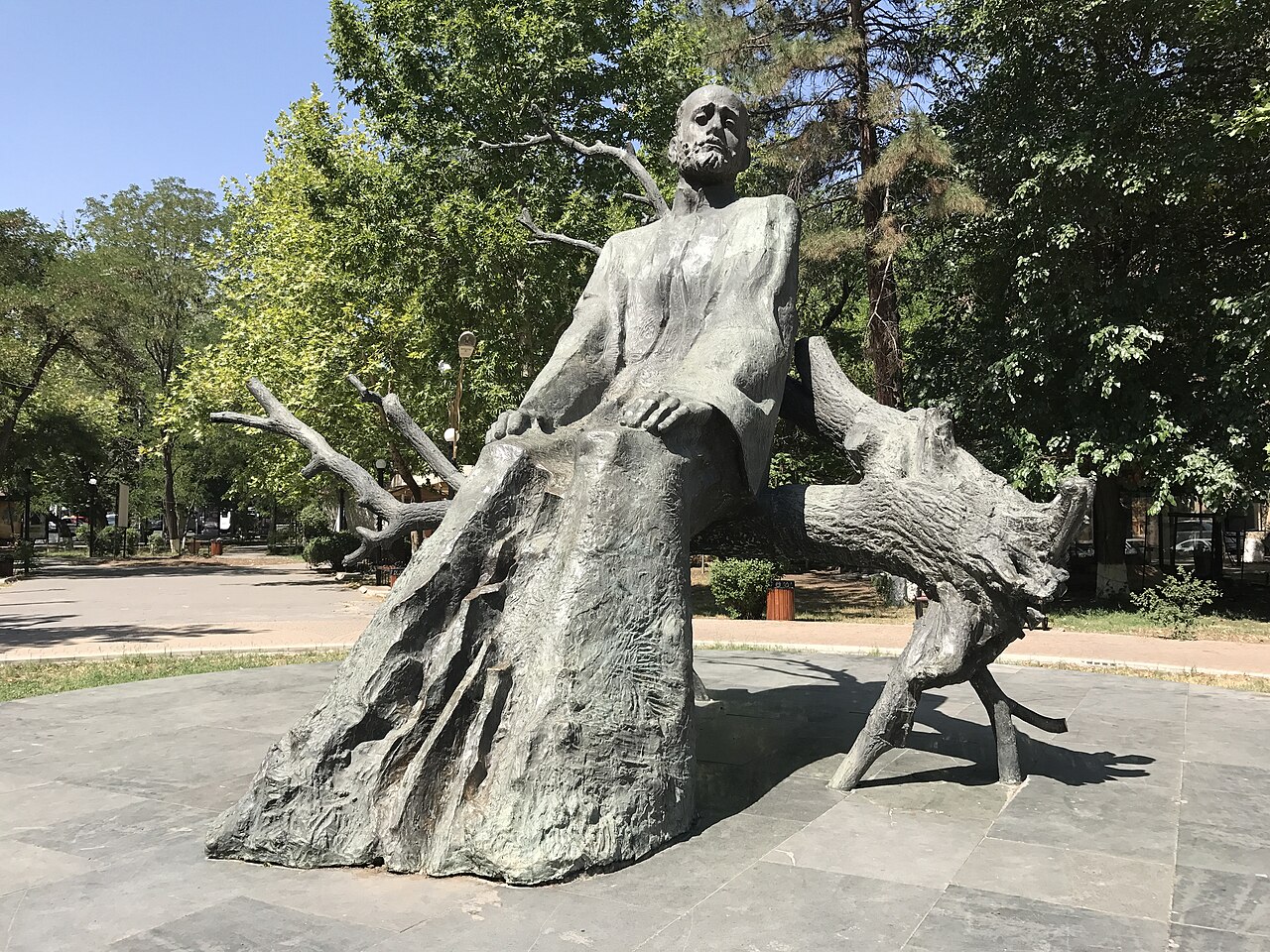
Sayat Nova monument honours the celebrated eighteenth-century Armenian ashugh, or troubadour, Sayat Nova. He wrote poetry and songs in Armenian, Georgian, Azerbaijani and Persian, reflecting the intertwined cultures of the Caucasus. His musical identity is also associated with the kamancha. In Yerevan, this outdoor memorial gives travellers a compact introduction to a figure whose artistic legacy crosses language and national borders. It belongs on a public-art walk for visitors interested in poetry, music and the region’s shared cultural history. The Sayat Nova monument is a public memorial in Yerevan dedicated to the celebrated 18th-century Armenian ashugh, or troubadour, Sayat Nova. Born Harutyun Sayatyan, he composed poetry and songs in Armenian, Georgian, Azerbaijani, and Persian, embodying the multicultural spirit of the Caucasus. The monument commemorates his cultural legacy as a master of the kamancha and a significant figure in Armenian literary and musical heritage. Erected in the Soviet era, the sculpture stands as a recognized landmark within the capital, reflecting state-sponsored commemoration of folk artistic traditions. It represents an important point of cultural memory for visitors exploring Yerevan's public art landscape. No. The monument is an outdoor public installation without enclosure within a museum or dedicated park grounds, based on available classification as a standalone memorial.
Checked 2026-08-26 · Source
The visit is centred entirely on an open-air sculptural memorial. There are no interior galleries, exhibition rooms or museum displays attached to Sayat Nova monument. Study the figure and its symbolic character from the surrounding public space, then consider the connection between the sculpture and Sayat Nova’s multilingual songs and poetry. This is a straightforward city landmark rather than an interpretive complex. Its strength is the directness of the encounter: one monument, one subject and a strong link to Yerevan’s cultural memory.
Checked 2026-08-26 · Source
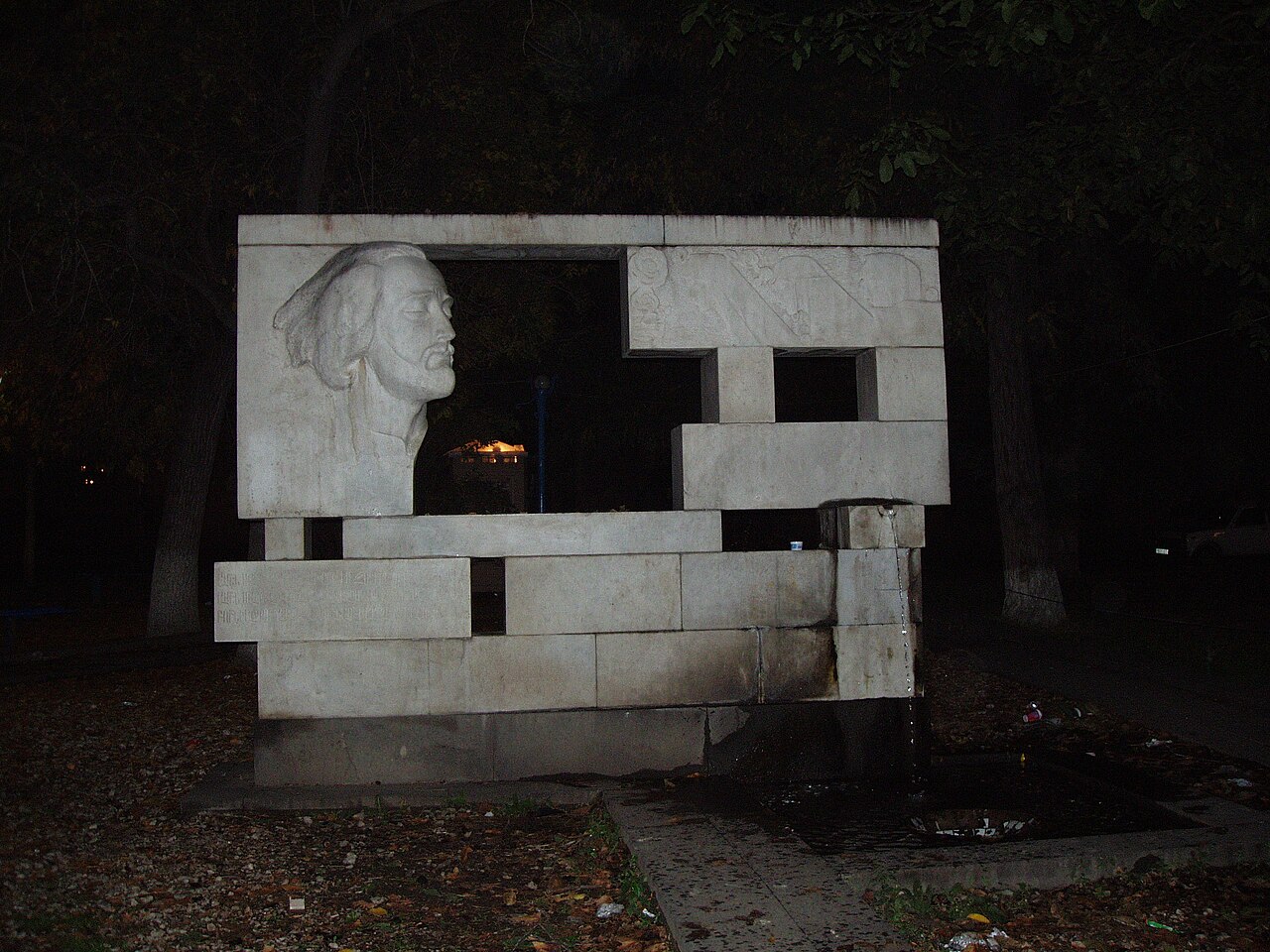
Plan for approximately five to fifteen minutes at Sayat Nova monument. A short visit allows time to view the sculpture, take photographs and pause over its cultural significance. Travellers with an interest in Caucasian music, multilingual literature or Armenian urban history may choose to stay longer, but the site does not require an extended schedule. It works best as one element in a walking route that links public monuments with Yerevan’s streets, parks and cultural institutions.
Checked 2026-08-26 · Source
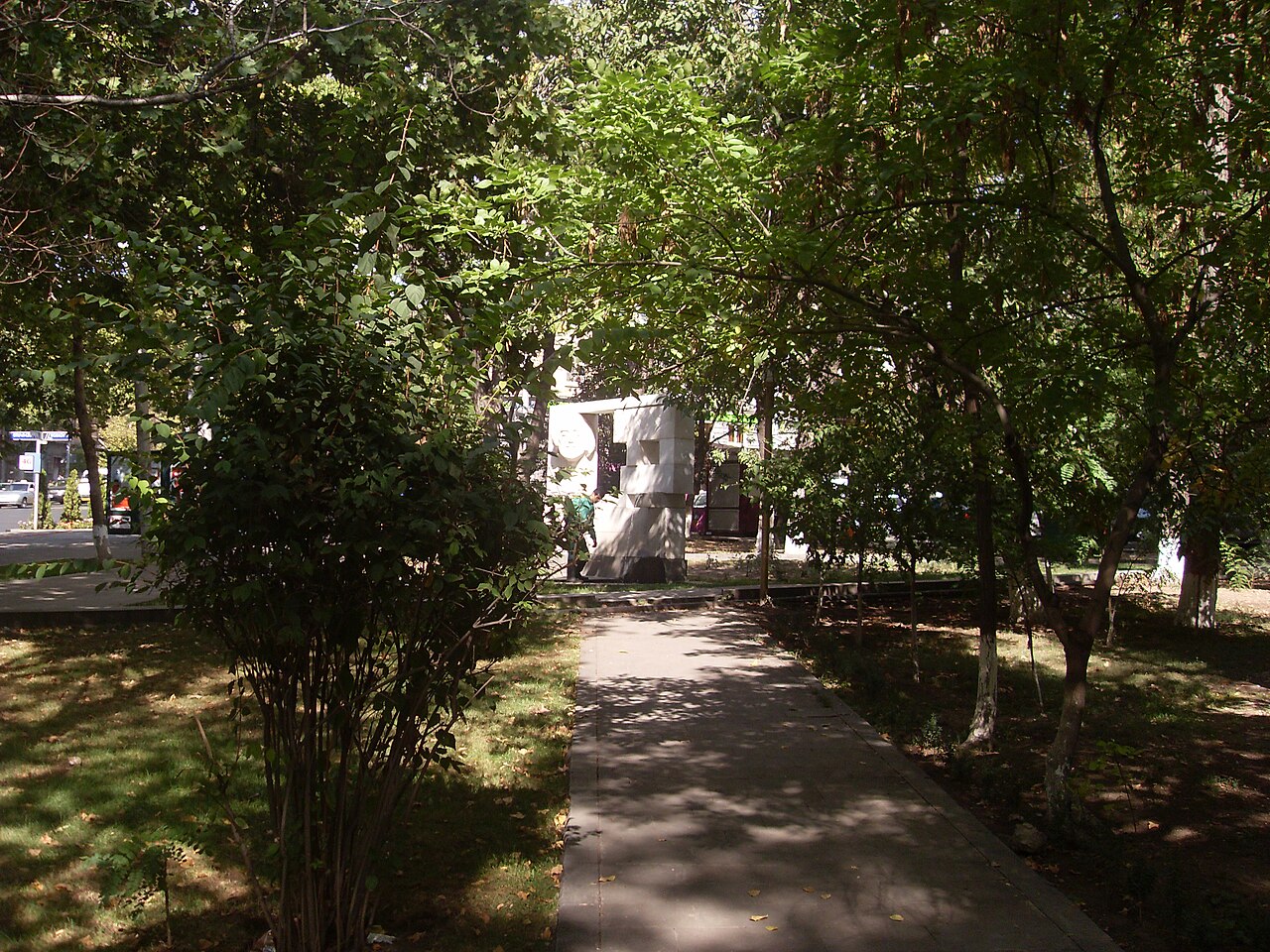
As an ungated outdoor monument, Sayat Nova monument suits visits throughout the day and into the evening. Daylight is the easiest time to see sculptural details and read any inscription. Morning and late afternoon can produce more comfortable temperatures and softer photographic light. Yerevan’s hot summers and cold winters influence how long you will want to remain outside. A daytime visit is especially useful when combining this stop with a broader circuit of monuments and central urban sights.
Checked 2026-08-26 · Source
Sayat Nova monument is public outdoor art, so its viewing does not require a ticket or a museum entrance. There is no enclosed exhibition to book and no admission stage within the monument visit. Count ordinary travel expenses, including transport or purchases made nearby, separately. The absence of a ticketed format makes this an easy spontaneous stop during a Yerevan walk, particularly when your route already passes through the surrounding urban area.
Checked 2026-08-26 · Source
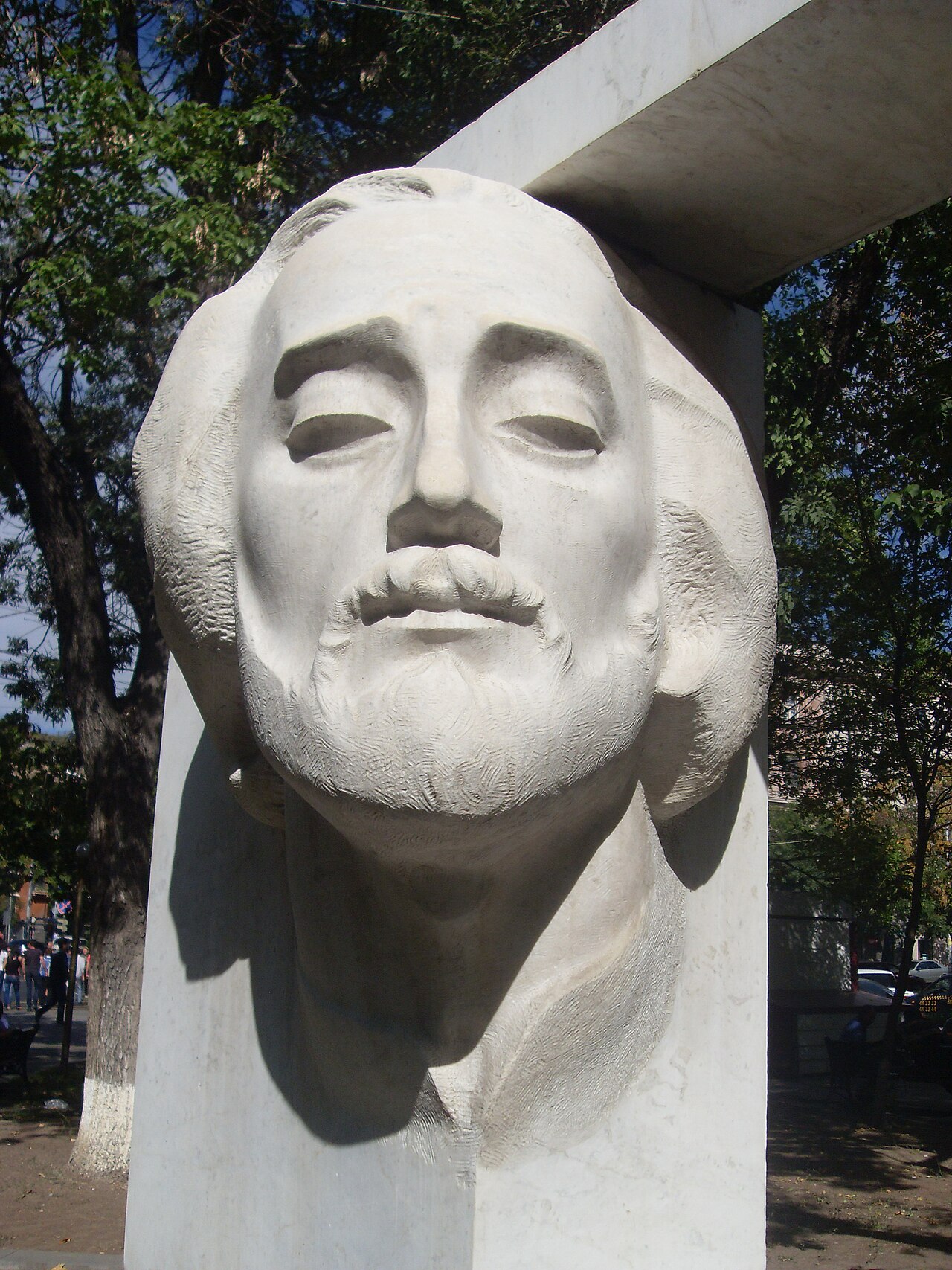
Use Yerevan’s metro, buses, marshrutkas, taxis or ride-hailing services to approach Sayat Nova monument, then follow the OpenStreetMap position for the final orientation. Walking is a natural way to include it with other public artworks and cultural landmarks. Since the site is a standalone outdoor sculpture, there is no staffed entrance or reception point to locate. Build the final approach into your route and leave enough time to pause without holding up other pedestrians.
Checked 2026-08-26 · Source
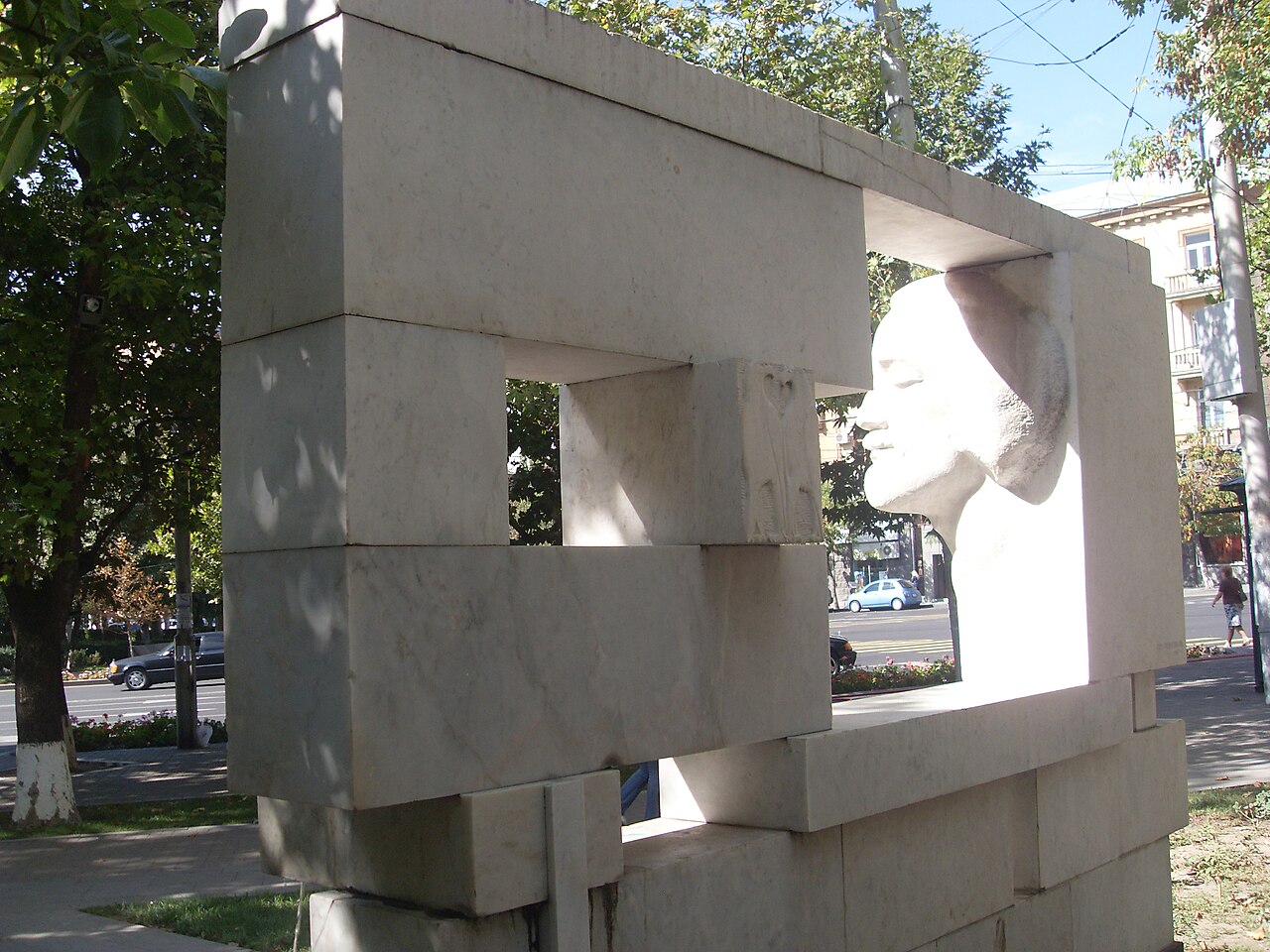
Stay aware of vehicles, bicycles and pedestrians around Sayat Nova monument, as it occupies ordinary public urban space. Wet, icy or uneven surfaces can make close viewing less comfortable, so choose your footing carefully. Summer heat calls for water and shade breaks elsewhere in the day, while winter visits need warm clothing. Keep personal belongings secure and give others room. The monument is a quiet cultural stop, so respectful conduct matters more than extended on-site activity.
Checked 2026-08-26 · Source
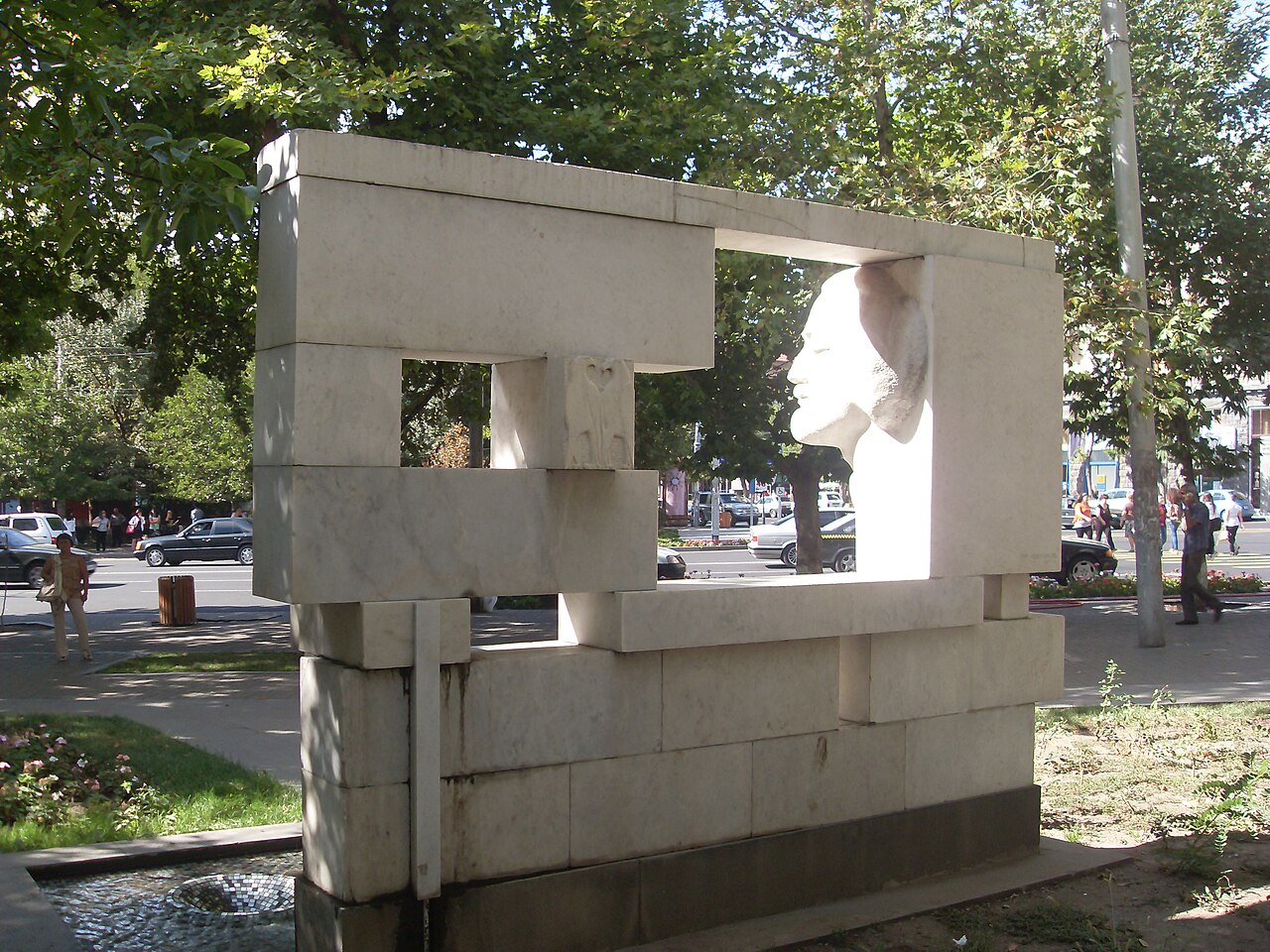
Photograph Sayat Nova monument in daylight, beginning with a wider frame that places the sculpture in Yerevan and then moving closer for details. Morning and evening light can create softer modelling across the figure, while midday light gives stronger contrast. Do not obstruct pedestrian movement while choosing a position. The multilingual artistic legacy of Sayat Nova makes the subject especially rewarding for contextual photographs, even though the site itself remains a compact, open-air memorial.
Checked 2026-08-26 · Source
Sayat Nova was an eighteenth-century Armenian ashugh whose poetry and songs crossed Armenian, Georgian, Azerbaijani and Persian cultural worlds.
It is an outdoor sculptural memorial in Yerevan, without an enclosed museum or gallery space.
Allow approximately five to fifteen minutes for viewing and photography, with extra time if the subject interests you deeply.
He is associated with the ashugh tradition and with the kamancha, as well as with poetry and songs in several Caucasian languages.
Yes. Its compact outdoor format makes it a practical short stop alongside Yerevan’s other monuments and cultural sights.
Daylight works well, with morning and late afternoon offering softer light for sculptural details and contextual views.
Loading the interactive map…
The interactive map could not be loaded.
Last updated:
Source: OpenStreetMap contributors, Wikidata ·