
11 min walk
Yerevan Mall
- Notable
- Market
Language · 11 published
Museum · Yerevan
Կոմիտասի թանգարան-ինստիտուտ
Reviewed by Elena Voss · Roavina Travel Editor
| Monday | 10:00 – 16:30 |
|---|---|
| Tuesday | 10:00 – 16:30 |
| Wednesday | Closed |
| Thursday | 10:00 – 16:30 |
| Friday | 10:00 – 19:30 |
| Saturday | 10:00 – 16:30 |
| Sunday | 10:00 – 16:30 |
Checked 2026-08-31 · Source
Read from the OpenStreetMap access tags; anything not listed has no tag recorded.
Set the group type to family in the planner and the day window contracts to about three quarters of a solo day.
This place is a Museum. It opened in 2015.
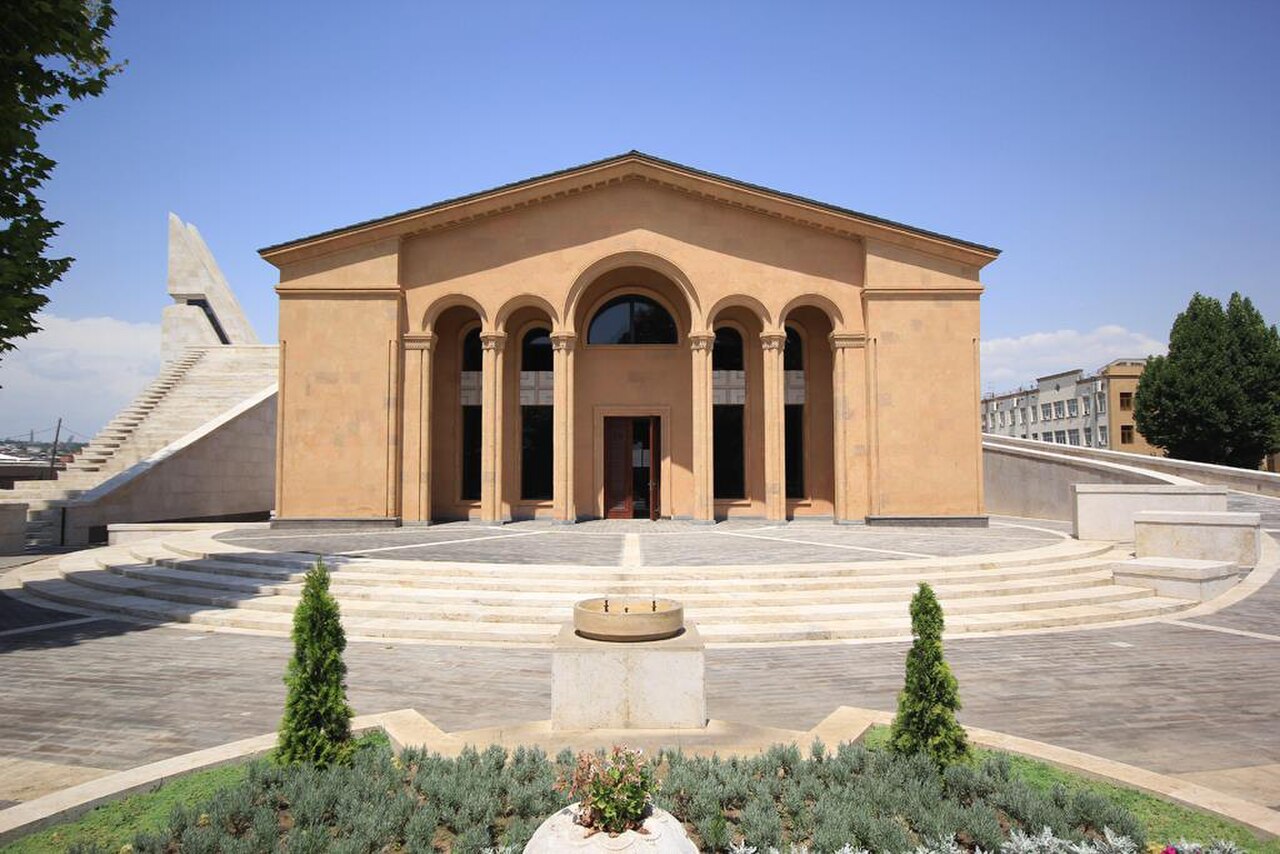
The Komitas Museum-Institute in Yerevan is devoted to Komitas Vardapet, the composer, priest and ethnomusicologist who became a central figure in Armenian musical culture. The institution combines a public museum with research functions, presenting his life, work and legacy through personal objects, manuscripts and documentary material. It is a focused cultural visit rather than a broad national museum. Travellers interested in Armenian music, memory and cultural identity will find a concentrated introduction to the person behind a major artistic tradition. The Komitas Museum-Institute is a cultural institution in Yerevan dedicated to the life, work, and legacy of Komitas Vardapet, the foundational figure of Armenian national music. The museum occupies a purpose-built structure and functions as both a memorial space and active research institute. It preserves manuscripts, personal effects, and documentary materials connected to Komitas. The institution serves scholarly and public audiences, hosting exhibitions and maintaining archives. The museum addresses serious biographical and historical content including Komitas's institutionalization. Parental discretion is advised; children may benefit from preparatory context about Armenian music and cultural history.
Checked 2026-08-26 · Source
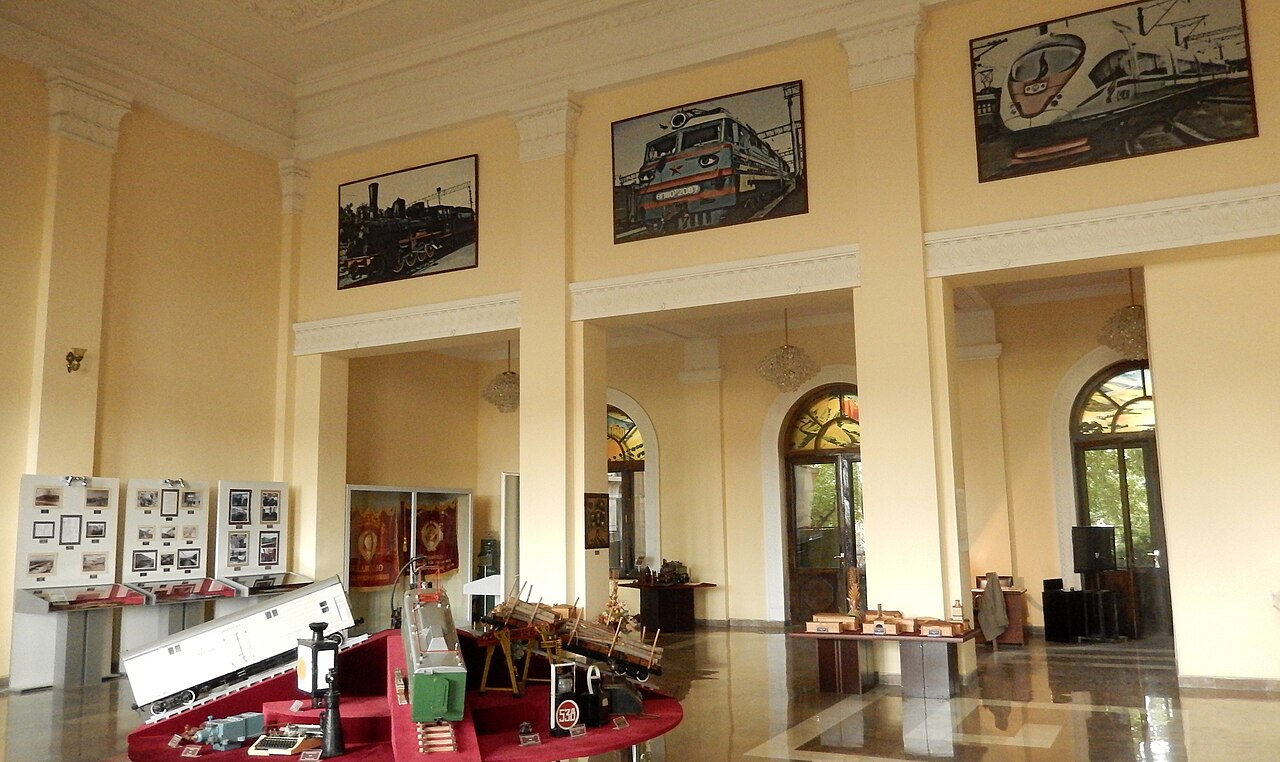
The displays include Komitas’s personal belongings, musical manuscripts, photographs and records connected with his fieldwork collecting Armenian folk songs. Biographical material places his compositions and research within the development of Armenian national music. Audio elements can help visitors connect written documents with the musical traditions he studied and preserved. The exhibition also addresses his later life and the heavy historical circumstances surrounding it. The institute’s research role gives the museum an atmosphere of scholarship alongside its memorial and educational purpose.
Checked 2026-08-26 · Source
Set aside approximately one to two hours for a complete visit. The museum is compact compared with Yerevan’s largest institutions, but the subject benefits from a deliberate pace. Spend time with the biographical sequence, then pause over manuscripts, photographs and personal objects. Audio material, when encountered in the exhibition, can add depth to the written story. Visitors with a strong interest in composition, folk traditions or Armenian cultural history may want longer, especially if they read every contextual panel carefully.
Checked 2026-08-26 · Source
Weekday mornings suit the museum’s reflective character and can make it easier to spend time with the displays without rushing. Spring and autumn are comfortable for walking through Yerevan, while the indoor galleries provide a welcome setting during hot summer afternoons or cold winter days. Leave emotional space for the later parts of Komitas’s biography, which give the visit a serious tone. The museum works well as a focused cultural stop within a wider day of music, history and central-city exploration.
Checked 2026-08-26 · Source
Approach the Komitas Museum as a focused memorial and music experience. Its value comes from the relationship between the personal objects, documentary record, musical manuscripts and the wider story of Armenian folk-song collection. The compact scale makes it easier to include alongside other Yerevan cultural destinations in the same day. Plan your visit around the amount of reading and listening you want to do, since a quiet, attentive hour offers more than a rapid circuit of the rooms.
Checked 2026-08-26 · Source
The museum is part of Yerevan’s urban cultural network and can be reached by the capital’s public transport, including buses and metro connections serving the wider city. Taxis and ride-hailing services provide a direct alternative. Walking is practical from some central accommodation areas, depending on your starting point. Use the museum’s OpenStreetMap location as the final navigation reference, then allow time to orient yourself on the surrounding streets. Its focused scale makes it suitable for pairing with another city attraction.
Checked 2026-08-26 · Source
The museum’s subject is both musical and memorial, so quiet behaviour suits the atmosphere. Displays about Komitas’s later life and suffering may feel emotionally difficult; give yourself time rather than moving quickly through those sections. Manuscripts, photographs and archival objects require careful viewing behind their cases. Armenian may dominate the exhibition language, while additional language support can vary by display. Children can enjoy the musical and visual material, but younger visitors benefit from an adult explaining the historical context and serious biographical passages.
Checked 2026-08-26 · Source
The museum’s strongest visual subjects are Komitas’s manuscripts, photographs, personal belongings and the architecture of the memorial setting. Keep flash disabled around archival and paper material, and follow the signs for individual displays. Photographing every document can distract from the musical story, so choose a few details and spend time reading their context. Keep equipment compact in the galleries and preserve the quiet atmosphere. Exterior photographs can introduce the visit, while interior images should remain discreet and respectful of the memorial character.
Checked 2026-08-26 · Source
Komitas Vardapet was an Armenian priest, composer and ethnomusicologist whose work collecting folk songs shaped Armenian musical culture.
The museum presents Komitas’s personal belongings, manuscripts, photographs, documentary records and material connected with his collection of Armenian folk songs.
Allow approximately one to two hours, with extra time for visitors who want to study the documents or engage fully with the musical material.
Children can engage with the music, photographs and objects, while adults should provide context for the serious historical and biographical material.
It serves both as a public museum dedicated to Komitas and as a research institute preserving and studying material connected with his legacy.
His compositions, scholarship and collection of Armenian folk music made him a foundational figure in the country’s national musical identity.
Loading the interactive map…
The interactive map could not be loaded.
Last updated:
Source: OpenStreetMap contributors, Wikidata ·