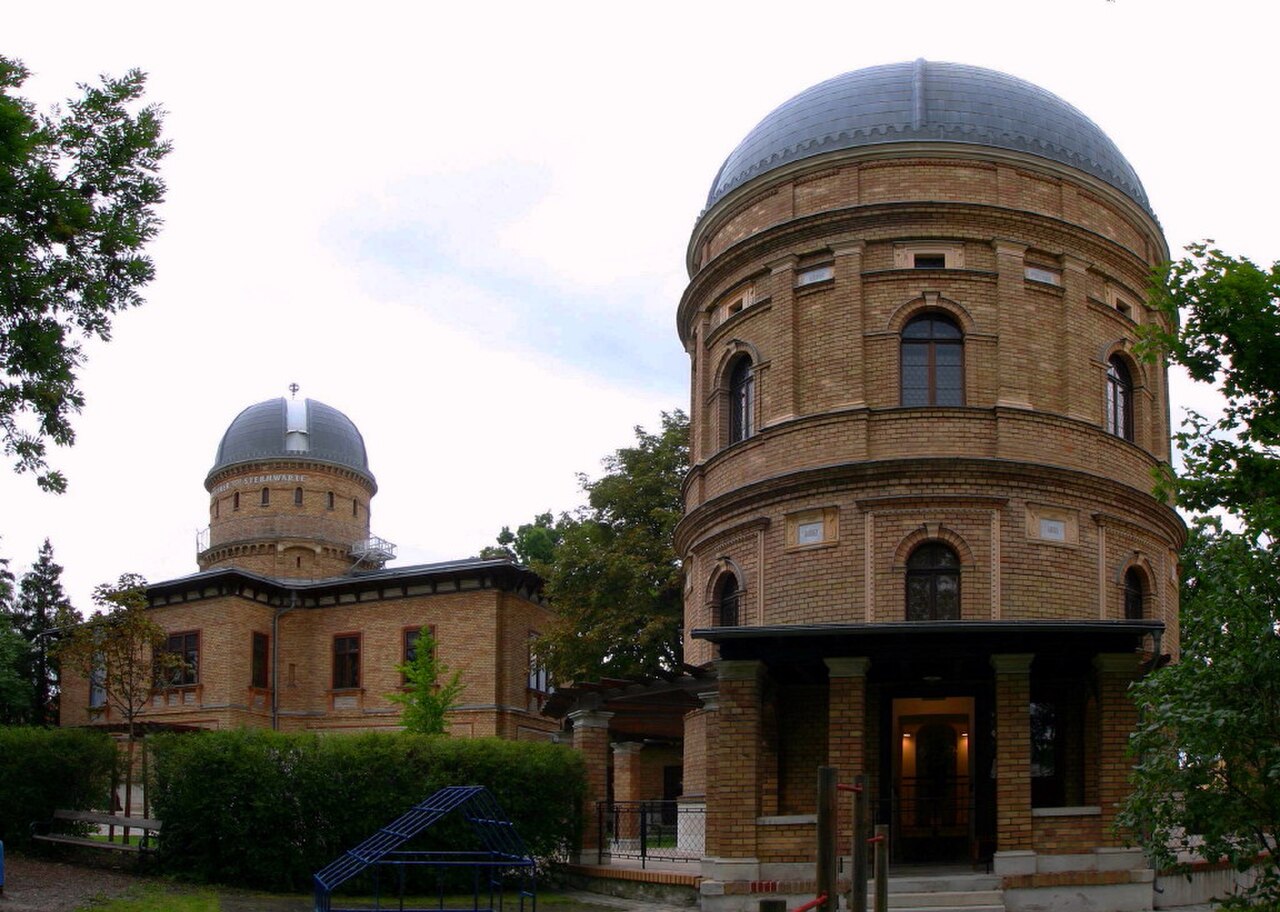
Kuffner Observatory, also called Kuffner Sternwarte, is a historic astronomical observatory in Vienna. Founded through private patronage in the late nineteenth century, it served as an active research institution for decades. Today it preserves scientific heritage and introduces visitors to astronomy in the Austrian capital through its building, instruments and educational role. The Kuffner Observatory, known locally as Kuffner Sternwarte, is a historic astronomical observatory located in Vienna, Austria. It was established in the late nineteenth century through private patronage and served as an active research institution for several decades. The observatory building represents an important example of scientific architecture from that period. Today it functions as a heritage site and educational facility, preserving its original instruments and contributing to public understanding of astronomy in the Austrian capital. A flexible visit lets travellers connect Kuffner observatory with the rest of the day without treating one room, viewpoint or photograph as the whole experience. The useful pace depends on personal interest and conditions on arrival. The observatory primarily functions as a heritage site and educational facility. Its historical role in active astronomical research concluded in earlier decades, though it preserves significant scientific instruments from that period.
The observatory’s preserved telescopes and astronomical instruments form the main focus of a visit. You can explore historic interior spaces, including telescope domes and equipment rooms, while considering how earlier astronomers observed and recorded the sky. Architectural details and explanatory displays add context to the scientific work once carried out here. The observatory retains its historical telescopes and astronomical instruments, which constitute the core of its scientific heritage. The building itself features characteristic architectural elements from its construction era. Visitors can observe the preserved interior spaces including the telescope domes and related equipment rooms. The site maintains collections that illustrate the history of astronomical observation and research methods. Educational displays and explanatory materials are present to contextualize the scientific work historically conducted at this location.
Allow roughly one to two hours for a meaningful visit. That gives you time to see the historic building, examine the instruments and read the educational material without rushing. Astronomy enthusiasts may want longer when a guided programme or observation activity forms part of the visit. A complete visit to the Kuffner Observatory typically requires approximately one to two hours, depending on individual interest levels and any guided programming available at the time of visit. Those with strong interest in astronomical history or scientific instruments may wish to allocate additional time for thorough examination of the exhibits. The compact nature of the historic building means that the physical space can be covered efficiently, though engagement with the scientific content warrants unhurried attention.
Evening programming can make the observatory especially appealing because astronomy activities connect the historic instruments with the night sky. Daylight visits suit travellers concentrating on architecture and scientific heritage. Weather matters for live observation, while the observatory’s residential setting rewards a planned visit rather than an unplanned central-city stop. Visitors should verify current accessibility and any seasonal variations in public hours before planning a visit. Evening timing may offer advantages for astronomical observation programs when such events are scheduled, though specific nighttime opening arrangements require direct confirmation. Weather conditions affect the practical utility of telescope viewing.
The observatory presents several kinds of visitor experience, including general visits, guided tours and special astronomical observation events. These formats can differ in how the visit is organised. Treat the ticket as part of the programme you choose, with the historic instruments and educational interpretation providing the central value.
Kuffner Observatory stands in Vienna’s Ottakring area rather than the central tourist district. Reach the neighbourhood through Vienna’s public transport network, then continue on foot from a nearby tram or bus stop. Cycling is another practical way to approach the site. A visit pairs naturally with exploring the surrounding residential streets.
The historic observatory contains original scientific equipment, so move carefully and follow the site’s visitor directions. Routes to the telescope domes may include stairs, and the hillside setting can involve changes in elevation from street level. Outdoor observation also depends on weather, making the indoor heritage displays an important part of the experience.
The domes, instruments and historic rooms provide strong subjects for architectural and scientific-heritage photography. Frame the telescope structures with their surrounding interior details to show scale and craftsmanship. Keep equipment compact in confined spaces, avoid disrupting activities and follow any photography directions given inside the observatory.
It is known for its historic astronomical building, preserved telescopes and scientific instruments, and its role in explaining astronomy to visitors.
What can visitors see at Kuffner Observatory?
Visitors can see historic telescopes, astronomical instruments, telescope domes, equipment rooms and educational material about astronomical observation.
How long should I spend at Kuffner Observatory?
Plan approximately one to two hours, with extra time if you have a strong interest in astronomy or join an observation programme.
Why visit Kuffner Observatory in the evening?
Evening programmes can connect the historic instruments with astronomical observation of the night sky.
Where is Kuffner Observatory?
Kuffner Observatory is in Vienna’s Ottakring area, outside the city’s central tourist district and within reach of local public transport.
What makes Kuffner Observatory historically interesting?
Its late-nineteenth-century building and preserved astronomical equipment show how scientific observation was conducted in an earlier period.
Nothing non-essential is set before you choose, in regions where consent is required. If you decline, ads still appear and analytics is switched off entirely.