
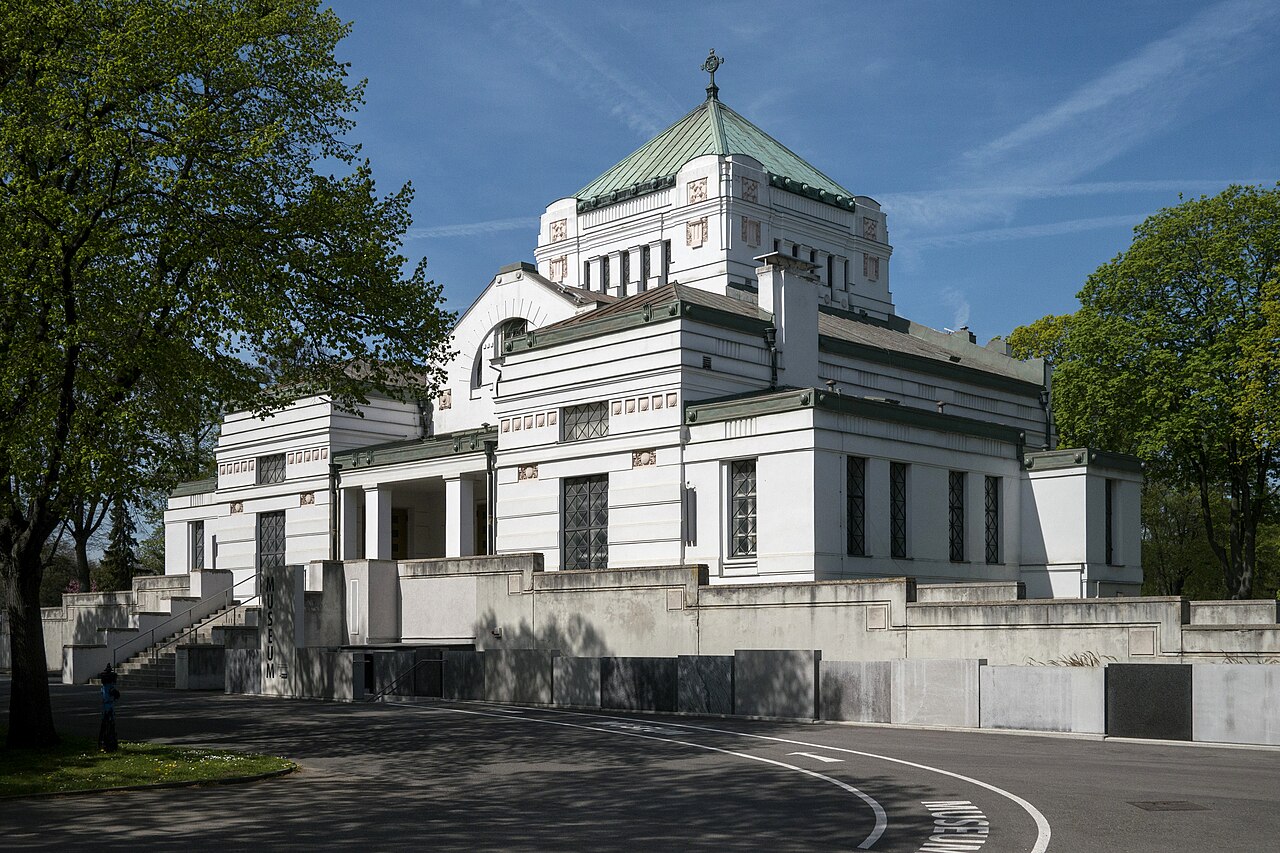
10 min walk · Simmering
Funeral Museum Vienna
- Must see
- Museum
Language · 11 published
Historic monument · Simmering, Vienna
Schloss Neugebäude
Reviewed by Elena Voss · Roavina Travel Editor
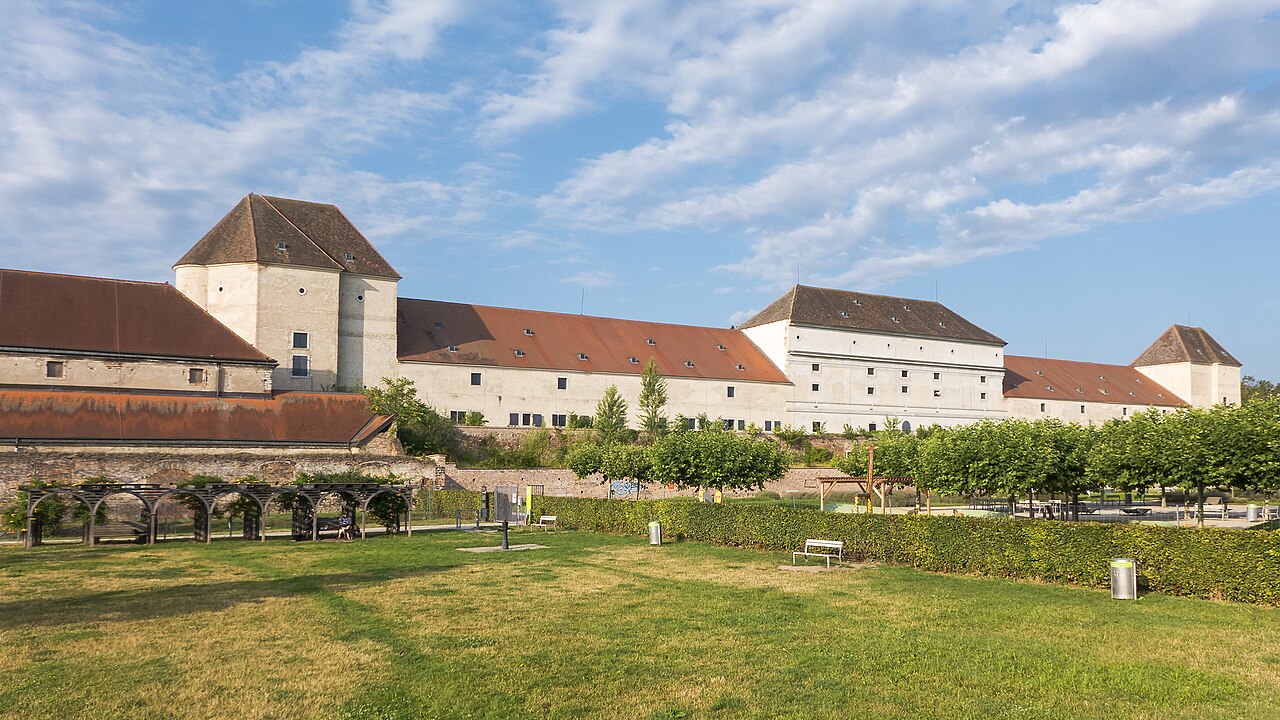
This place is a Attraction. It was established in 1529. It was built in the Renaissance style. It carries the Listed objects in Austria heritage designation.
Neugebäude is a ruined Renaissance palace at Simmering, on Vienna's south-eastern edge, built 1568-1573 for Emperor Maximilian II. Tradition holds it was raised on or near the spot where Suleiman the Magnificent's tent stood during the Ottoman siege of Vienna in 1529, and its name — "the new building" — reflects how deliberately novel it was for its time: a fortress-walled Renaissance palace with one of the earliest large gardens of its kind north of the Alps, at a scale nothing else in the Habsburg lands then matched.
Checked 2026-08-24 · Source
The site consists of a fortified outer enclosure and an inner palace whose rooms and courtyards survive only as ruins after centuries of neglect and stripped materials — several of its stone elements, including columns, were removed and reused elsewhere in Vienna, among them Schönbrunn's Gloriette, which makes Neugebäude in a real sense the quarry for one of the city's other landmark buildings.
The historic gardens, once laid out with fountains, sculpture and even a menagerie of exotic animals kept for the imperial court, are under long-term restoration, with sections progressively reopened rather than the whole site returned to its original state at once.
An open-air stage has hosted summer film screenings on parts of the grounds in recent years, one of the few uses that brings a general audience onto the site outside a formal guided tour, alongside occasional exhibitions staged inside the restored sections.
Checked 2026-08-24 · Source
A guided visit, where available, runs to roughly an hour to ninety minutes; there is little to see without one, since much of the site is fenced-off ruin rather than an open walking ground a visitor could wander freely. An open-air screening evening, when scheduled, runs to a full film's length on top of that, closer to three hours in total.
Checked 2026-08-24 · Source
Access is restricted and event-driven rather than continuous — guided tours, open days and occasional events such as outdoor screenings are the main ways in, and there is no standing daily opening pattern to plan a visit around the way there would be at a conventional palace. The current schedule of tours and open days is not recorded here and should be checked with the City of Vienna's own listings (wien.gv.at) before travelling out to Simmering specifically for it.
Checked 2026-08-24 · Source
Some open days have historically been free; guided tours, where offered, carry their own fee that varies by the tour operator running that particular date. Current prices are not recorded here and should be confirmed against the same official listing used to check the schedule, since a figure sourced any other way risks being out of date by the time a visit is planned.
Checked 2026-08-24 · Source
The site sits in Simmering, the 11th district, on Vienna's south-eastern edge; it is reachable by tram and bus from the Simmering U3 underground station, with a further walk to the palace grounds from the nearest stop, since no public transport line runs directly to the gate itself.
Checked 2026-08-24 · Source
Most of the site is closed outside scheduled tour or event times — this is not a park to wander into on a whim the way Augarten or the Schönbrunn gardens are, and arriving without checking the calendar first risks a locked gate and a wasted trip to the edge of the city.
The ruins themselves have uneven, unrestored ground in places, broken paving and open foundations among them; sturdy footwear matters more here than at a maintained palace garden with level gravel paths.
There is little on-site signage compared with a fully developed attraction, so a visitor arriving without a guided tour and expecting interpretive panels at every turn will find long stretches of ruin with no posted explanation, which is part of why a guided visit is the recommended way to see the site rather than a self-directed walk.
Checked 2026-08-24 · Source
The fortress-like outer wall against open sky, and the ruined inner palace framed through its own broken arches, are the site's most photographed views; ongoing restoration work means scaffolding or fencing may appear in a given frame depending on which section is under work at the time of a visit, which is worth expecting rather than being surprised by on arrival.
The contrast between weathered stone and the surrounding open fields of Simmering, with the city skyline visible in the distance, gives a wider sense of scale that a tighter, walled inner-city ruin cannot offer.
Checked 2026-08-24 · Source
Current public access status is not recorded. Direct verification with official sources is essential before visiting.
Tradition holds the palace was built on or near the spot where his tent stood during the Ottoman siege of Vienna in 1529.
No. Access is mainly through scheduled guided tours, open days and occasional events; there is no standing daily opening pattern, so the current calendar should be checked with the City of Vienna before travelling out.
Emperor Maximilian II, 1568-1573.
No, it survives only as a ruin; several of its original stone elements, including columns, were removed and reused elsewhere in Vienna, among them Schönbrunn's Gloriette.
Some open days have historically been free while guided tours carry their own fee; current prices are not recorded here.
Loading the interactive map…
The interactive map could not be loaded.
Last updated:
Source: OpenStreetMap contributors, Wikidata ·