


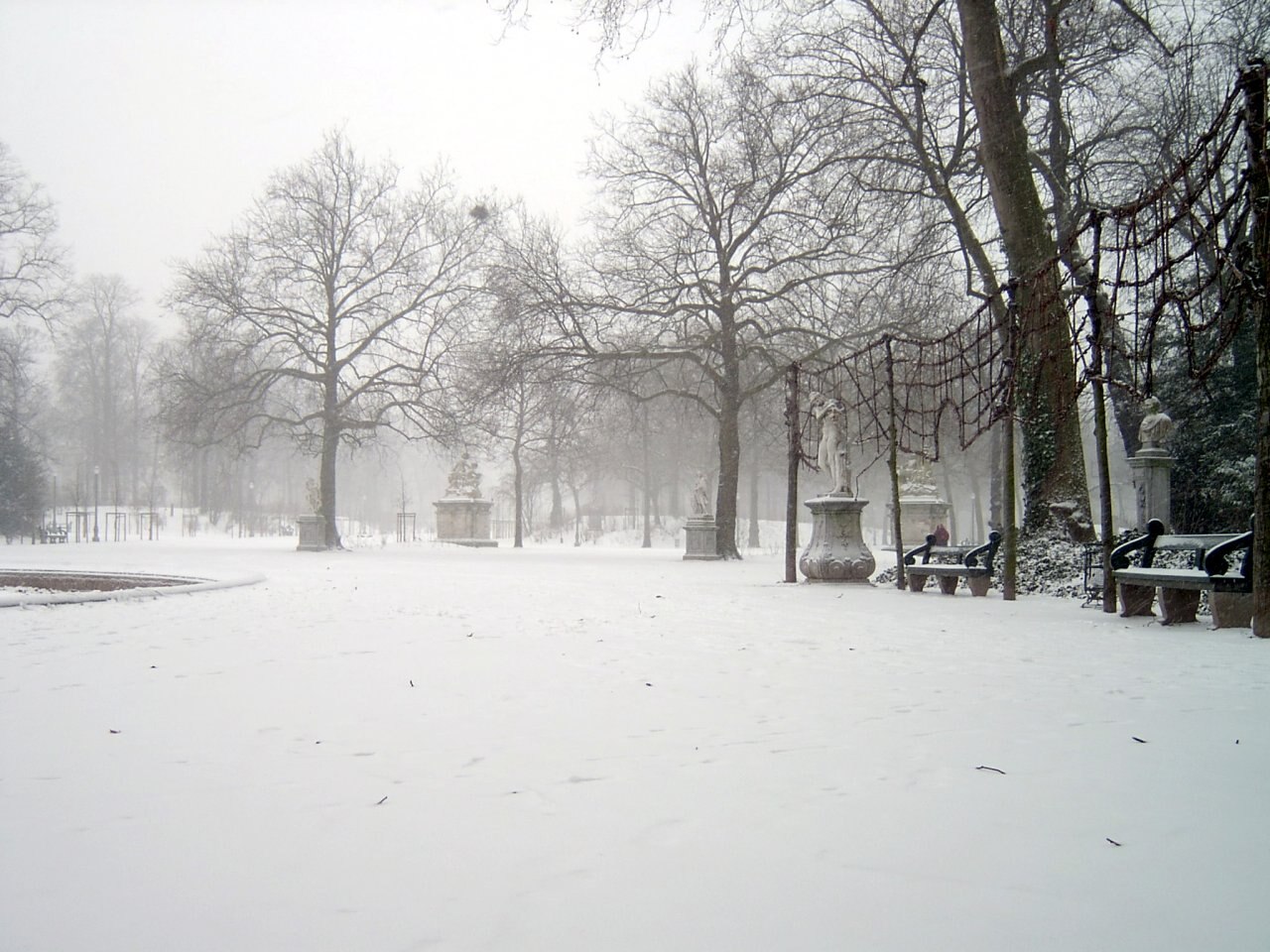
4 min walk
Brussels Park
- Must see · Heritage site
- Historic monument
Language · 11 published
Historic monument · Brussels
Palais des Académies - Academiënpaleis
Reviewed by Elena Voss · Roavina Travel Editor
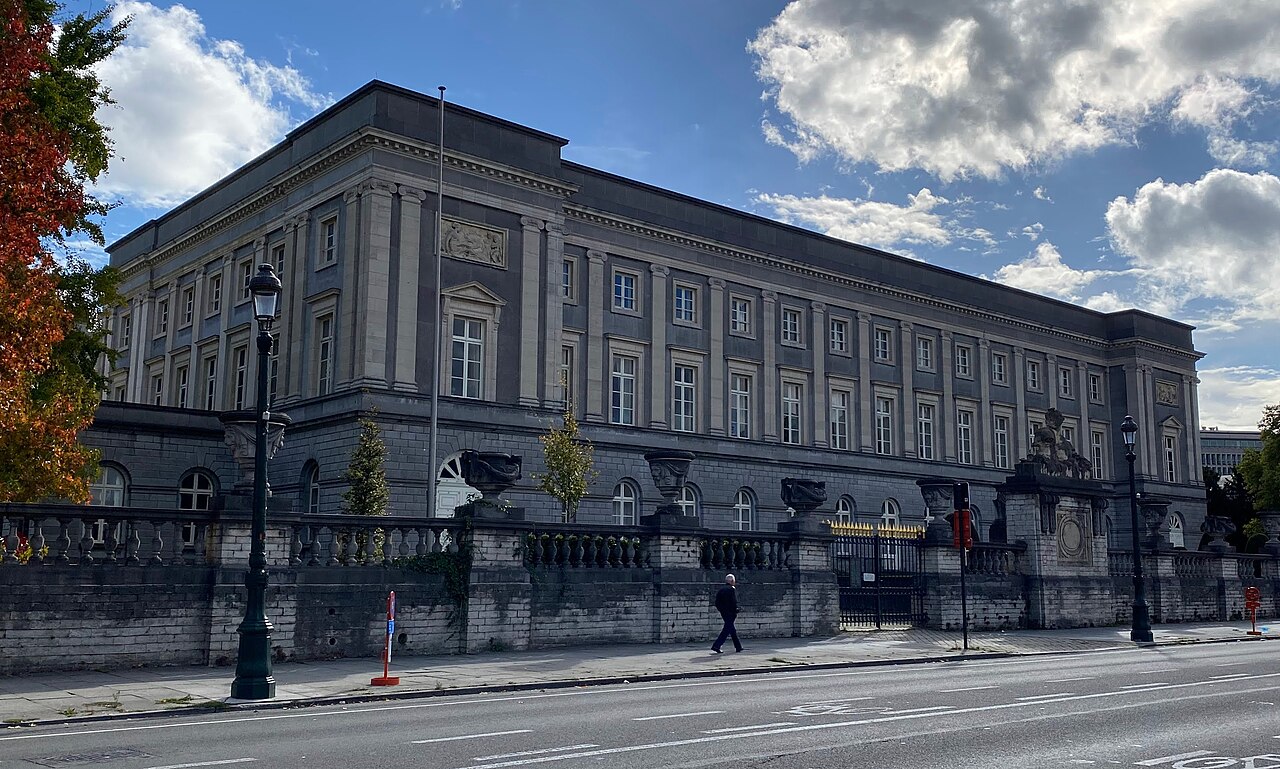
It was established in 1824. It was built in the Neoclassical architecture style. It was designed by Tilman-François Suys. It carries the protected monument heritage designation.
Academy Palace, Palais des Académies or Academiënpaleis, is a neoclassical institutional building in Brussels. It serves as the seat of five Belgian royal academies, including the Royal Academy of Sciences and the Royal Academy of French Language and Literature. The building represents Belgium’s scholarly and cultural institutions rather than a conventional museum. For travellers, its importance lies in the relationship between architecture, national intellectual life, and the ceremonial spaces of a working academic centre. The Academy Palace, known locally as Palais des Académies or Academiënpaleis, stands as a significant institutional building in Brussels. This neoclassical structure serves as the seat of five Belgian royal academies, including the Royal Academy of Sciences and the Royal Academy of French Language and Literature. The building reflects Belgium's commitment to scholarly and cultural pursuits, occupying a prominent position within the city's architectural and intellectual landscape. Its historical importance derives from sustained association with academic governance rather than commercial or casual public programming. The building functions primarily as a working headquarters for Belgian royal academies rather than a standard visitor attraction.
Checked 2026-08-26 · Source
The palace contains rooms used by the royal academies for meetings, administration, formal gatherings, scholarly work, and ceremonial proceedings. Its interior character belongs to an active institution, not a permanent public exhibition. The neoclassical setting and academic purpose are the key themes of the building. A traveller encountering it in the city should focus on the exterior architecture and institutional role, while treating interior access as connected to specific events or organised arrangements. Interior spaces accommodate the working environments of Belgium's royal academies, including meeting chambers, administrative offices, and ceremonial halls for academic proceedings.
Checked 2026-08-26 · Source
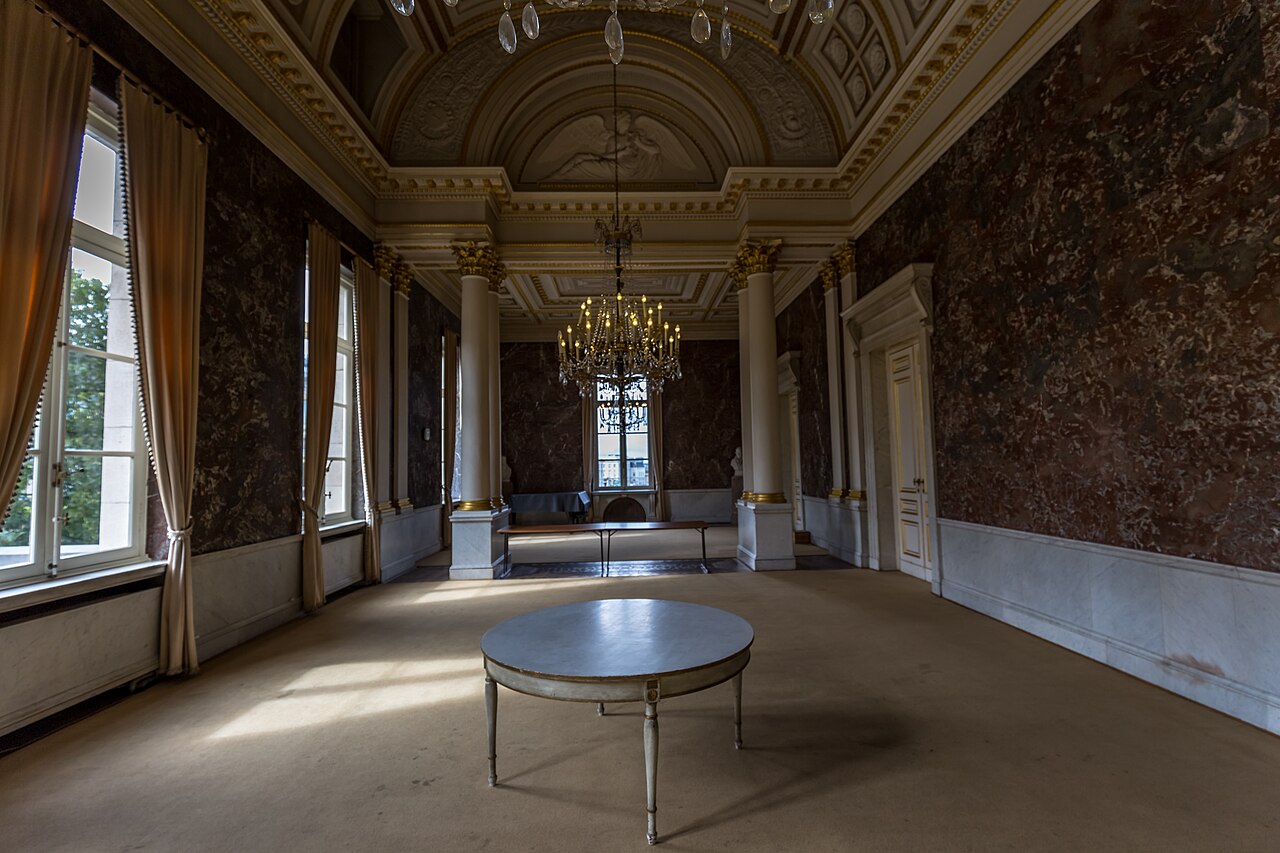
A brief exterior stop takes only a few minutes, enough to appreciate the building’s neoclassical presence within central Brussels. A longer visit depends on attending an academic event, conference, ceremonial occasion, or organised programme. For a sightseeing itinerary, pair the palace with nearby central landmarks rather than reserving a full afternoon around routine interior exploration. Its value is concentrated in architecture and civic meaning, so even a short pause can be worthwhile for visitors interested in institutions and public life.
Checked 2026-08-26 · Source
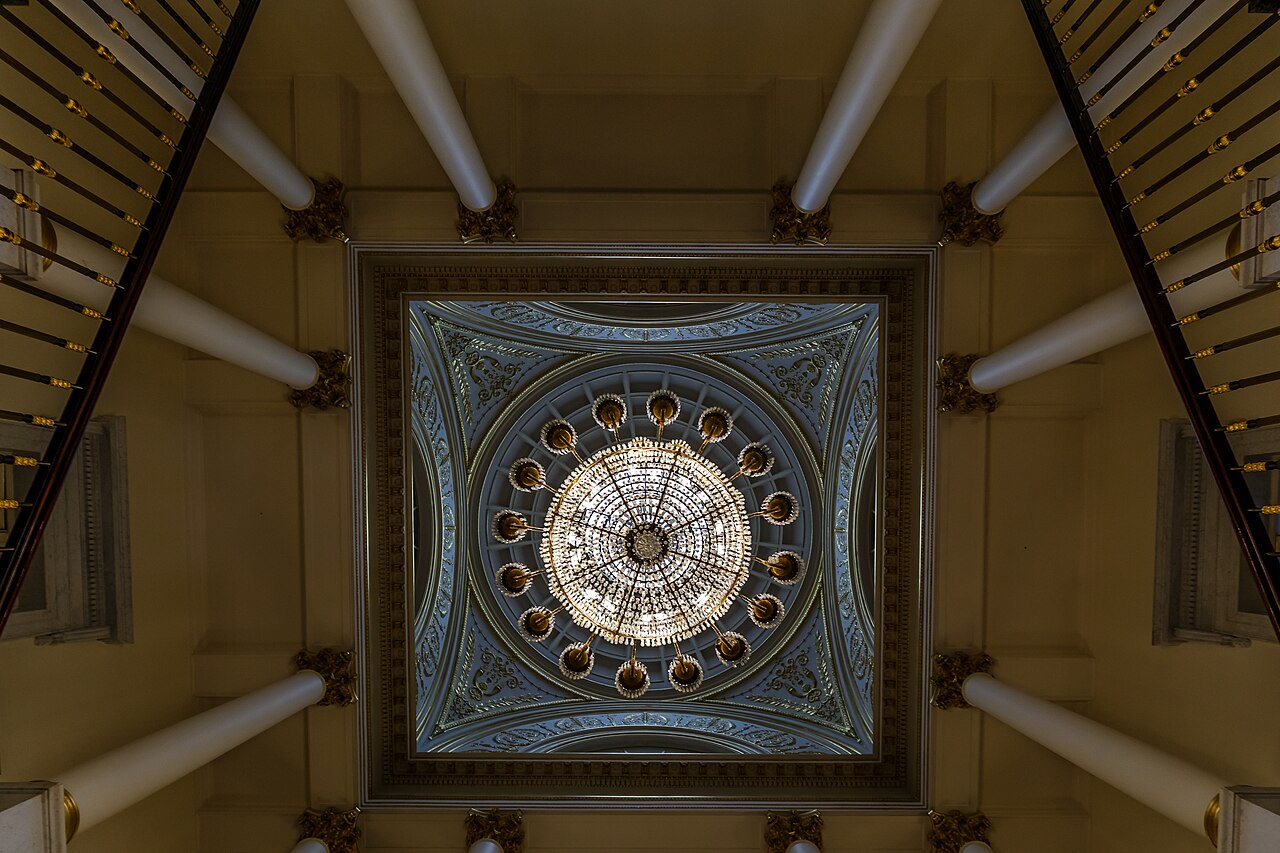
The palace functions as a working headquarters, so its relevance to travellers is strongest when a public academic or cultural event brings visitors inside. At other times, plan it as an exterior architectural stop during a walk through central Brussels. Daylight helps reveal the building’s proportions and facade details. Weather matters mainly for the quality of the outdoor pause, since the site is not structured like an always-open tourist museum. Keep the stop flexible within a city walk.
Checked 2026-08-26 · Source
Academy Palace does not function as a standard ticketed attraction for casual sightseeing. Entry relates to the building’s institutional work, scheduled events, conferences, or specially arranged access rather than a normal museum admission desk. Budget-conscious visitors can therefore experience its architectural setting from the public city environment while directing admission spending toward Brussels attractions designed for regular tourism. If an event forms part of your plan, treat that event’s own arrangements as separate from ordinary sightseeing.
Checked 2026-08-26 · Source
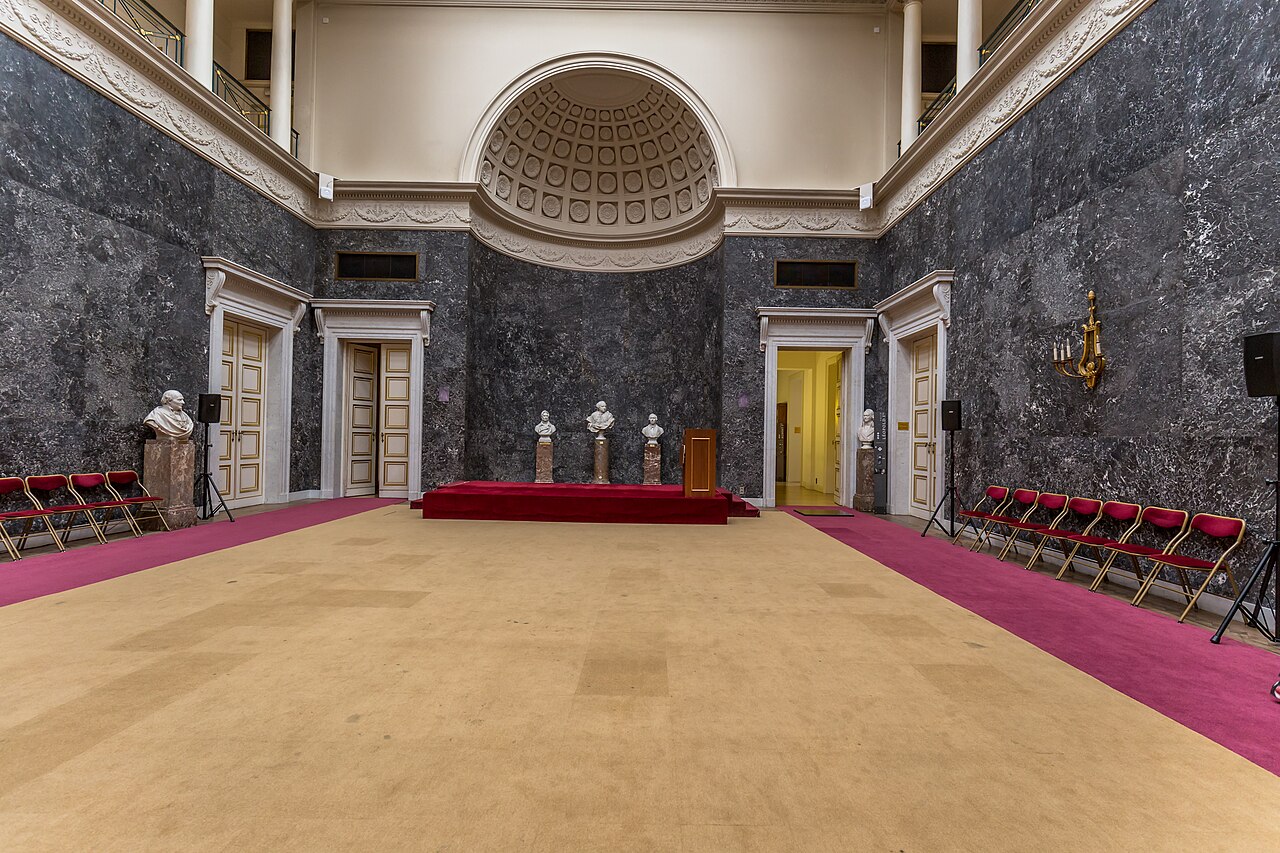
Academy Palace stands in central Brussels, where metro, tram, and bus services connect the surrounding district with the rest of the city. Its central position also makes a walking approach practical from nearby landmarks and accommodation areas. Include it in an architectural or civic walking route rather than treating it as an isolated suburban destination. On arrival, use the public street environment for exterior viewing and leave institutional entrances and access routes clear.
Checked 2026-08-26 · Source
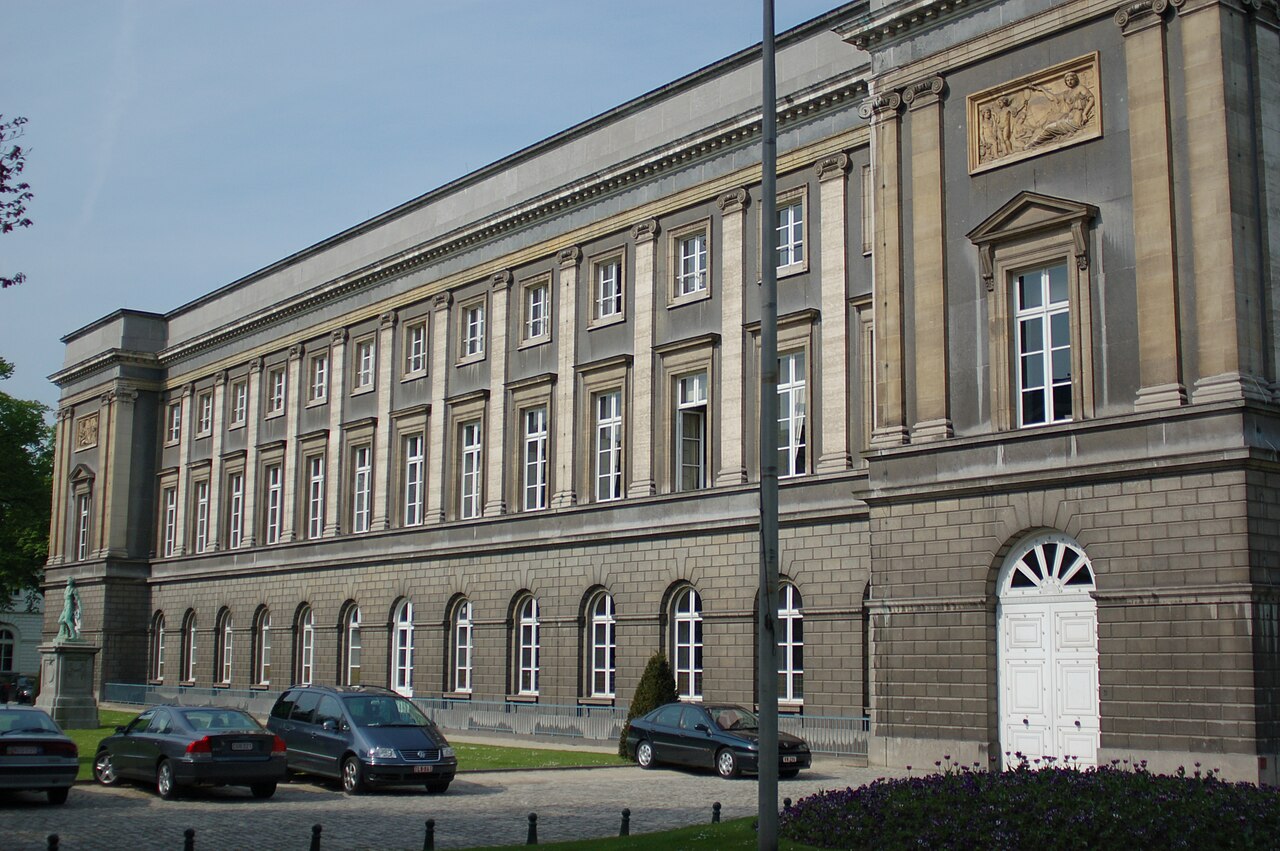
The palace is a functioning headquarters for Belgium’s royal academies, so visitors should behave as they would outside any active official or scholarly institution. Unannounced attempts to enter can interrupt work and may be refused. Keep away from security points, entrances, and service routes, and avoid obstructing people attending official functions. The building is not organised around tourist amenities or casual visitor flow. A respectful exterior visit is the most dependable way to include it in a Brussels walk.
Checked 2026-08-26 · Source
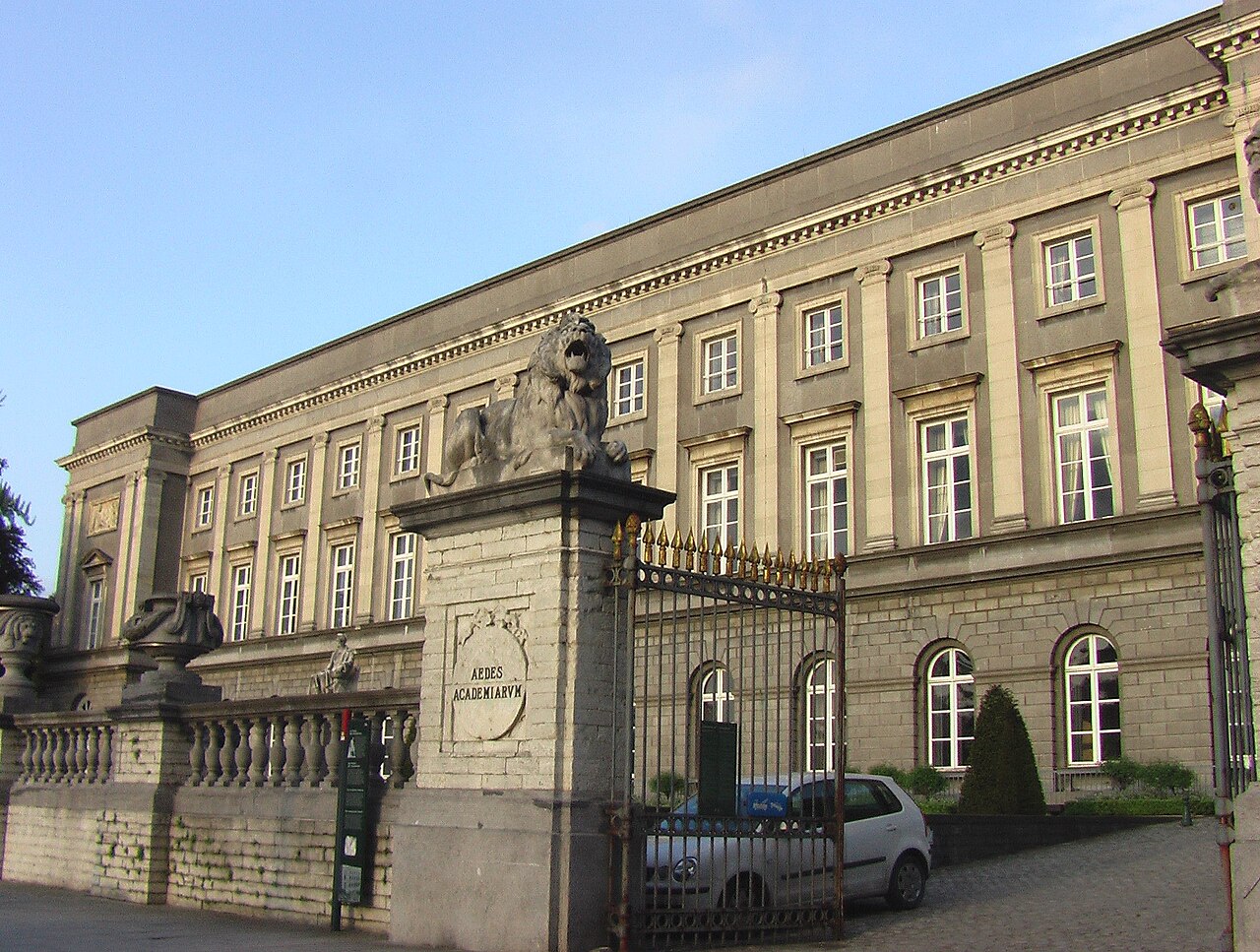
The neoclassical facade offers a strong subject for architectural photography, especially in daylight when its scale and symmetry read clearly. Exterior images should be taken from public areas without blocking entrances or recording people in a disruptive way. Interior photography belongs to the rules of the event or institution hosting you. Use a compact setup for a quick street-side stop, and give priority to official instructions if security or staff regulate image-making around the building.
Checked 2026-08-26 · Source
It is the seat of five Belgian royal academies and supports meetings, scholarly work, administration, formal gatherings, and ceremonial proceedings.
The building is a working academic headquarters rather than a conventional museum, so casual sightseeing is best planned as an exterior architectural stop.
A few minutes are enough for exterior viewing; longer visits relate to scheduled academic events, conferences, ceremonies, or organised programmes.
Academy Palace is a neoclassical building whose formal facade and institutional setting make it a useful stop on a central Brussels architecture walk.
Its central Brussels location is connected by metro, tram, and bus, and it can be reached on foot from nearby landmarks and accommodation areas.
The neoclassical exterior, its symmetry, and its position within central Brussels provide the clearest subjects for a short architectural photography stop.
Loading the interactive map…
The interactive map could not be loaded.
Last updated:
Source: OpenStreetMap contributors, Wikidata ·