
3 min walk
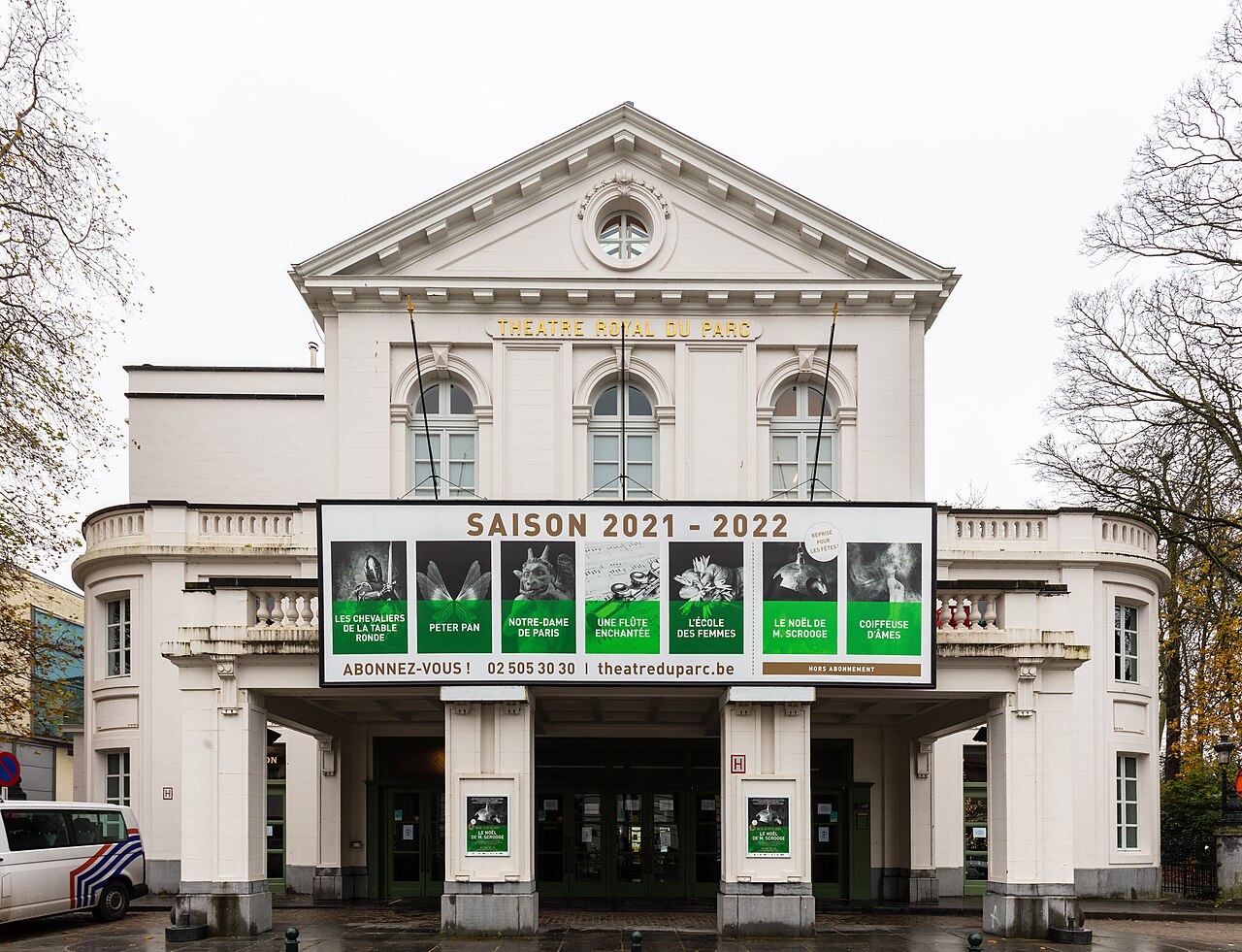
Royal Park Theatre
- Notable · Heritage site
- Art and culture venue
Language · 11 published
Historic monument · Brussels
Parc de Bruxelles - Warandepark
Reviewed by Elena Voss · Roavina Travel Editor
| Monday | 06:00 – 22:00 |
|---|---|
| Tuesday | 06:00 – 22:00 |
| Wednesday | 06:00 – 22:00 |
| Thursday | 06:00 – 22:00 |
| Friday | 06:00 – 22:00 |
| Saturday | 06:00 – 22:00 |
| Sunday | 06:00 – 22:00 |
Checked 2026-08-31 · Source
Read from the OpenStreetMap access tags; anything not listed has no tag recorded.
Set the group type to family in the planner and the day window contracts to about three quarters of a solo day.
This place is a Park. It was established in 1776. It carries the protected monument heritage designation.
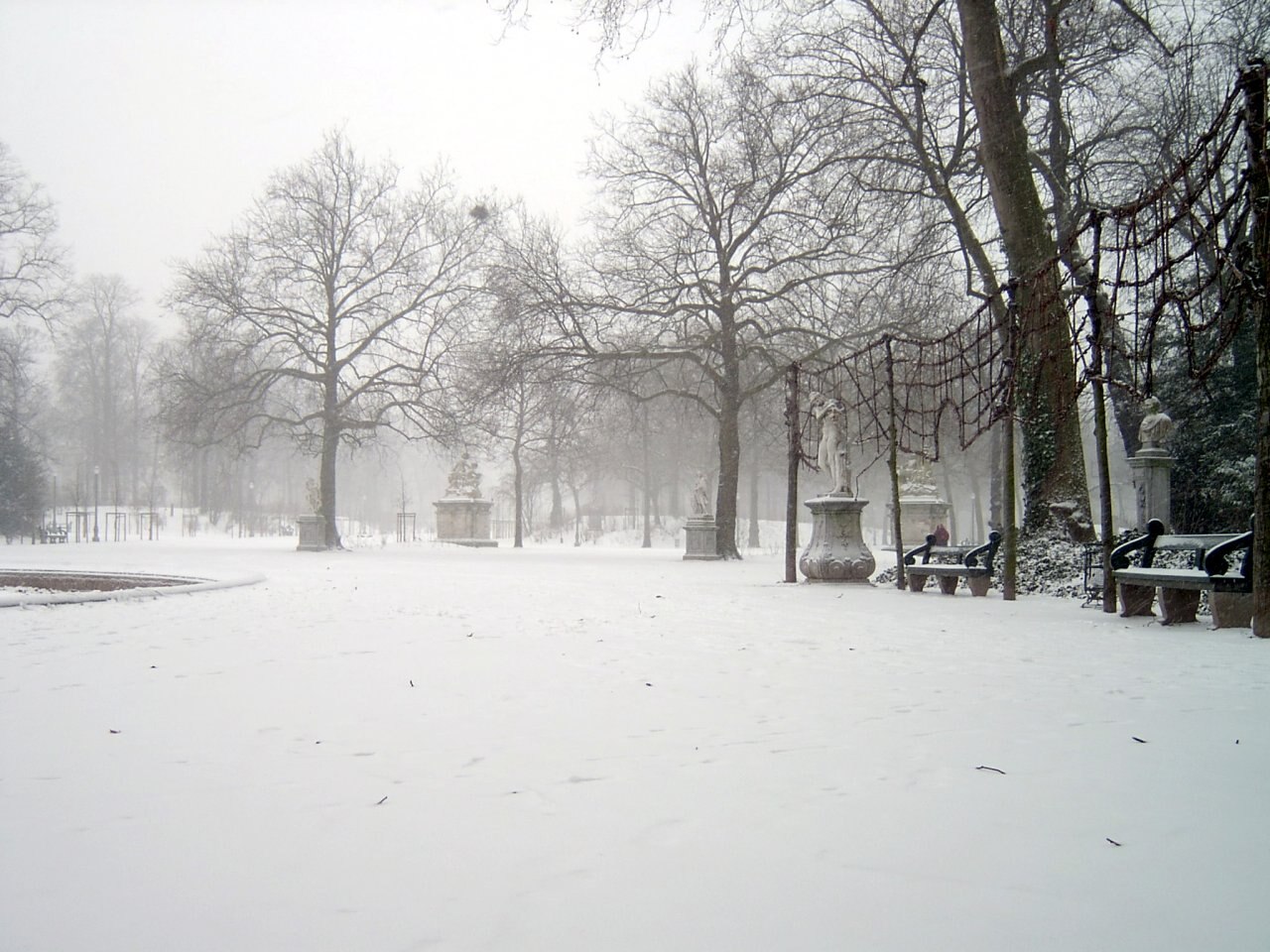
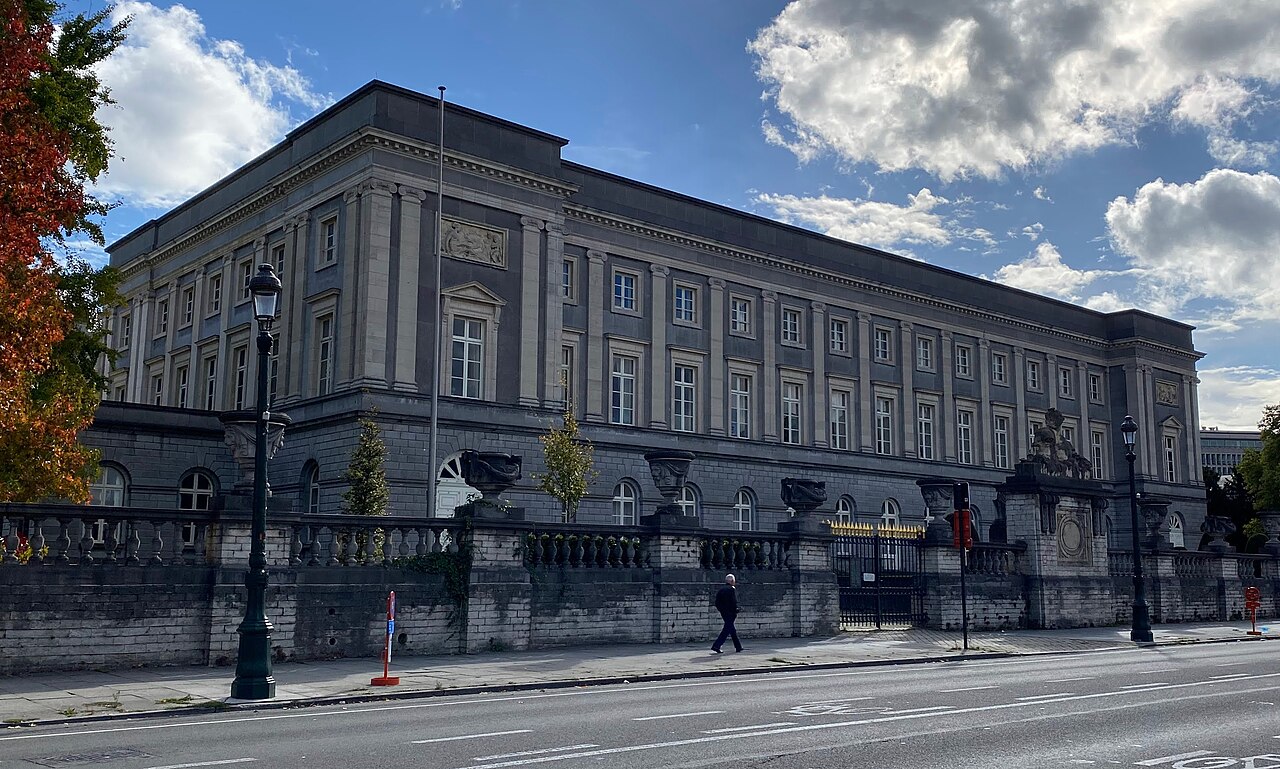
Brussels Park, known locally as Parc de Bruxelles and Warandepark, is a public park situated in the heart of Brussels. It lies adjacent to the Royal Square and the Belgian Parliament building. The park occupies a formal geometric layout characteristic of historic European city parks. It serves as a significant green space within the central pentagon of Brussels, offering visitors a structured garden environment amid governmental and cultural institutions. The park's design reflects classical landscaping traditions. Daily: 1 April–30 September 06:00–22:00; 1 October–31 March 07:00–21:00.
Checked 2026-08-31 · Source
The park contains tree-lined alleys, lawns, and ornamental plantings arranged in a formal pattern. Statues and monuments are distributed throughout the grounds. A central fountain feature is present. The park borders important civic buildings including the Royal Park Theatre. Seating areas allow for rest. Pathways facilitate pedestrian circulation. No regular closure day is listed. Hours posted at the entrances take precedence, and the responsible authority may order a temporary closure when necessary. Free public park; no general admission ticket is required. Separately operated events or venues within the park may set their own conditions.
Checked 2026-08-31 · Source
A complete walk through Brussels Park's main pathways requires approximately twenty to forty minutes at a leisurely pace. Visitors intending to sit, observe the formal gardens, or traverse the grounds repeatedly may extend their stay. The compact central location permits flexible duration. Those combining the park with visits to surrounding institutions should allocate additional time. No guided tour duration is recorded. Free public park; no general admission ticket is required. Separately operated events or venues within the park may set their own conditions.
Checked 2026-08-31 · Source
Visitors should verify current opening times through official Brussels municipal channels before planning arrival. The park's central location suggests daytime accessibility aligns with typical urban park patterns. Seasonal considerations include foliage conditions and daylight hours. Weather protection is limited; the formal design offers minimal covered areas. Special events or temporary closures would affect timing. Daily: 1 April–30 September 06:00–22:00; 1 October–31 March 07:00–21:00. The City identifies Brussels Park's playground as accessible or partly accessible. Only part of the installed play route is specifically designed for access by children with disabilities and includes adapted play equipment.
Checked 2026-08-31 · Source
No ticket infrastructure is evident from available information. Visitors should confirm current financial requirements through official channels. Any changes to public access policy would supersede this assessment. Free public park; no general admission ticket is required. Separately operated events or venues within the park may set their own conditions. The City identifies Brussels Park's playground as accessible or partly accessible. Only part of the installed play route is specifically designed for access by children with disabilities and includes adapted play equipment.
Checked 2026-08-31 · Source
Brussels Park occupies a central position within the pentagon, accessible via multiple transport modes. Metro stations Parc and Arts-Loi serve the vicinity. Bus routes traverse surrounding streets. The park lies within walking distance of Central Station. Pedestrian entrances connect to adjacent squares and streets. The closest named stop is Parc/Park: metro lines 1 and 5 and tram lines 92 and 93. Arts-Loi/Kunst-Wet, served by metro lines 2 and 6, is another nearby option. Buses 38 and 52 serve Brussels-Central; buses 63, 65 and 66 serve Rosa Parks. Brussels-Central railway station is within walking distance. Parc/Park metro station is step-free by lift.
Checked 2026-08-31 · Source
The park's proximity to governmental institutions necessitates awareness of security measures that may affect access. Temporary closures or perimeter adjustments occur without extensive advance notice. Formal garden surfaces may become slippery in wet conditions. Open areas provide limited shelter from weather. Visitor density fluctuates; peak periods near surrounding cultural venues increase congestion. Nighttime safety conditions are not assessed here. The City identifies Brussels Park's playground as accessible or partly accessible. The historic park has broad paths, but its terrain includes a seven-metre level difference between Rue Royale and Rue Ducale; some areas may therefore be less convenient for wheelchair users.
Checked 2026-08-31 · Source
The formal geometry and statuary of Brussels Park offer structured photographic compositions. Tree-lined perspectives create natural framing. The central fountain provides a focal point. Lighting conditions vary seasonally and diurnally; morning and afternoon angles produce distinct shadow patterns across the geometric layout. Adjacent building facades contribute architectural context. Visitor density affects unobstructed views. Weather conditions significantly impact colour saturation and atmospheric perspective in this open formal garden setting. Parc/Park metro station has four lifts and has been step-free since June 2025; check live lift status before travelling.
Checked 2026-08-31 · Source
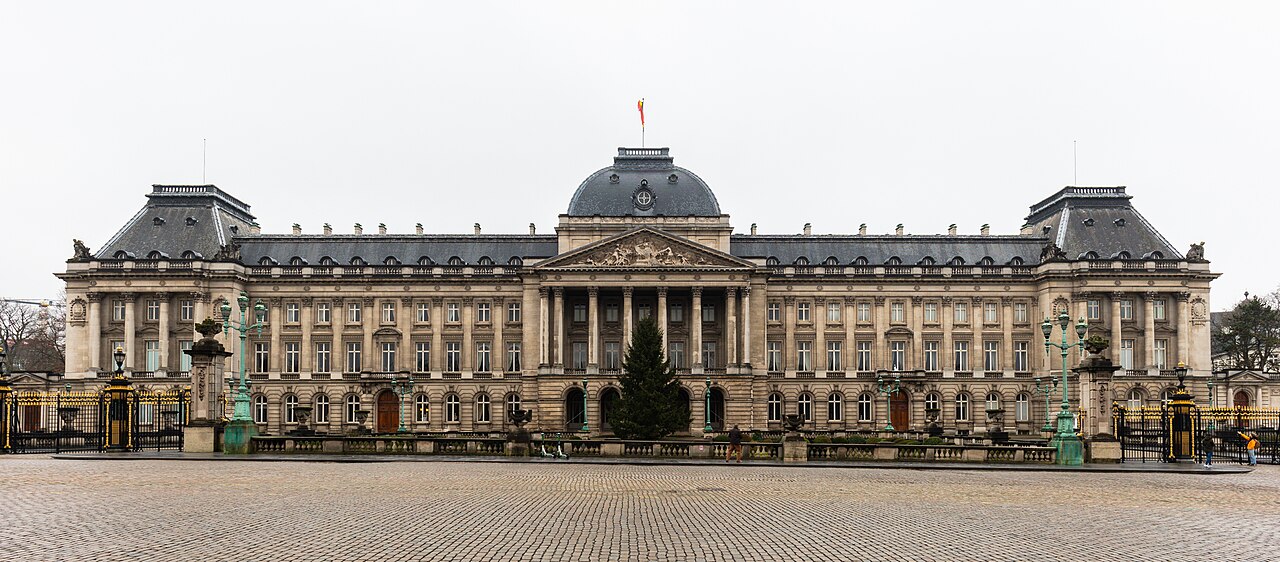
It occupies the central block between Rue Royale, Rue de la Loi, Rue Ducale and Place des Palais, between the Federal Parliament and the Royal Palace.
Architect Barnabé Guimard and landscape architect Joachim Zinner designed the neoclassical park between 1776 and 1785.
The protected historic park covers approximately 13 hectares.
The grounds contain a large round basin, an octagonal basin, roughly fifty statues, a bandstand, the Vauxhall and broad geometrically arranged avenues.
Dutch troops and Belgian patriots fought in the park during the 1830 revolution.
The City describes gardens, walking paths, playground areas and sports installations; part of the play route has equipment adapted for children with disabilities.
Loading the interactive map…
The interactive map could not be loaded.
Last updated:
Source: OpenStreetMap contributors, Wikidata ·