
2 min walk
Museum of the Public Social Welfare Centre of Brussels
- High
- Museum
Language · 11 published
Museum · Brussels
Art & marges musée - Art & marges museum
Reviewed by Elena Voss · Roavina Travel Editor
| Monday | Closed |
|---|---|
| Tuesday | 11:00 – 18:00 |
| Wednesday | 11:00 – 18:00 |
| Thursday | 11:00 – 18:00 |
| Friday | 11:00 – 18:00 |
| Saturday | 11:00 – 18:00 |
| Sunday | 11:00 – 18:00 |
Parsed from OpenStreetMap opening hours on 2026-09-09.
This place is a Museum. It opened in 1984.
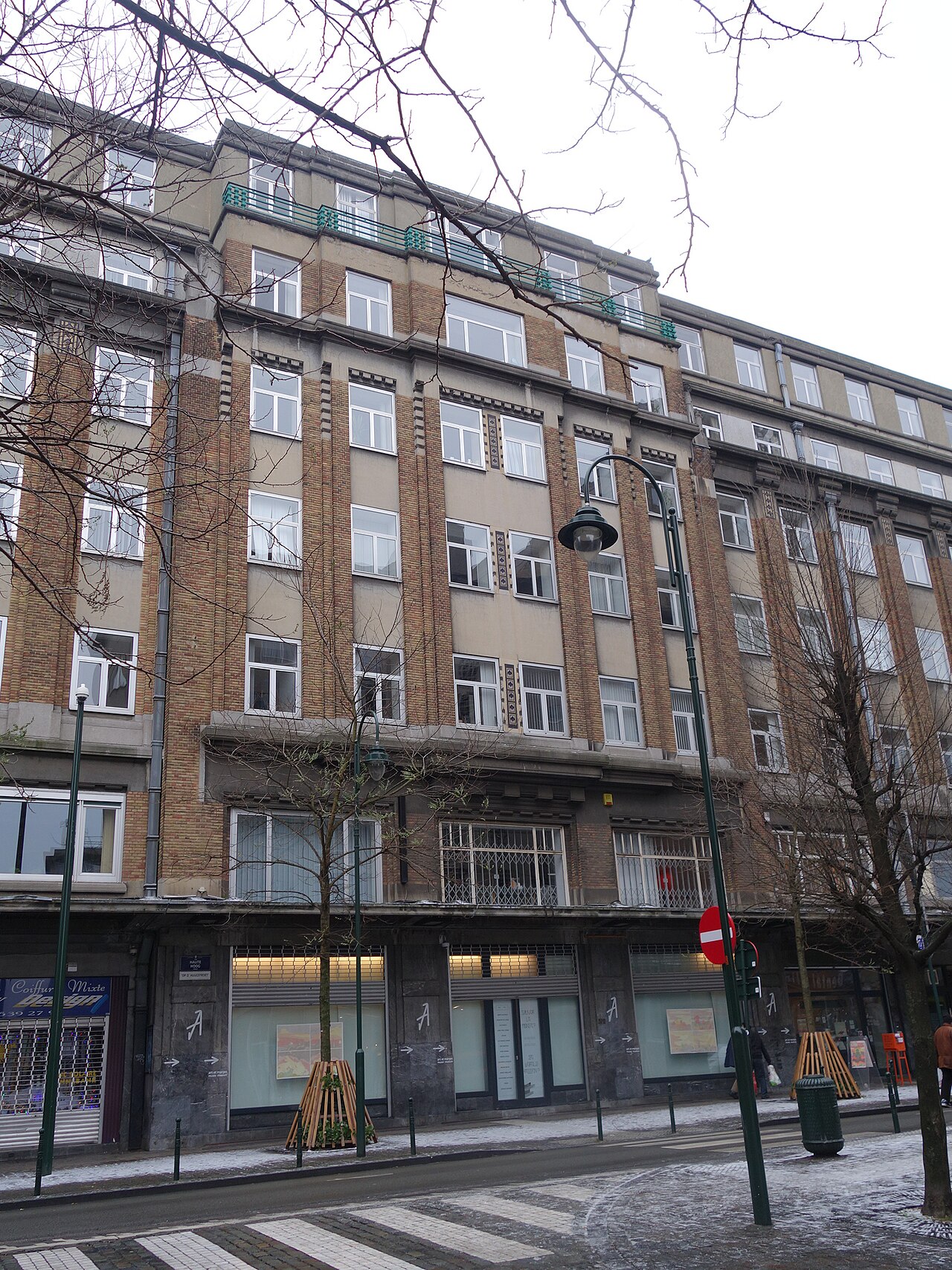
Art)&(marges Museum is a Brussels museum dedicated to art brut and outsider art. It gives institutional space to self-taught artists and creative practices developed outside established academic and gallery systems. The museum's character comes from its attention to unconventional artistic voices and personal forms of expression. For travelers, it offers a focused alternative to larger mainstream collections and introduces a distinctive part of Belgium's cultural landscape. The Art & marges museum is a Brussels museum dedicated to art brut and outsider art. Its local name is Art & marges musée - Art & marges museum. The museum occupies a distinctive position in the Belgian cultural landscape through its focus on works created by self-taught artists operating outside the mainstream art establishment. It presents itself as a space where unconventional artistic voices find institutional recognition. The museum's identity is tied to its championing of marginalised creative practices, collecting and exhibiting works that challenge conventional aesthetic categories. Its Wikidata identifier is Q23893732.
Checked 2026-08-26 · Source
The collections center on art brut and outsider art produced by self-taught artists working beyond conventional art-world structures. Works can use varied media and often reflect highly individual ways of seeing, making, and organizing experience. Exhibitions place the expressive force of these practices at the center rather than treating them as simple curiosities. The visit is best approached with openness to unfamiliar materials, subjects, and visual languages. The museum's collections centre on art brut and outsider art productions. These encompass works by self-taught artists who develop their practice without formal training or engagement with established art world conventions. The holdings include diverse media reflecting individual creative visions unmediated by academic tradition. Exhibitions typically foreground the authentic expressive drive of creators working beyond societal norms. Visitors should consult the museum directly for information about present exhibitions and collection highlights.
Checked 2026-08-26 · Source
Set aside around one to two hours for a visit, with the exact pace guided by your response to the works. Art brut can reward sustained attention because meaning often emerges through details, repetition, texture, and unusual combinations. Visitors making a shorter cultural stop can move through the galleries efficiently, while those drawn into the emotional or visual intensity of individual works may prefer a slower circuit.
Checked 2026-08-26 · Source
This indoor museum fits naturally into a Brussels day in any season. Choose a weekday morning for a more reflective atmosphere, or allow extra patience during busy city weekends and holiday periods. The museum's focused subject makes it suitable for a dedicated cultural outing rather than a rushed stop between major landmarks. Give yourself enough time to process the work, especially if emotionally intense pieces affect your pace.
Checked 2026-08-26 · Source
The museum visit uses an admission system set by the institution. Travelers should plan for the possibility of standard and reduced categories connected with age, study, or group travel. The focused collection means the ticket supports a specialized cultural experience rather than a broad encyclopedic museum circuit. Keep enough flexibility in your Brussels budget for entry and nearby transport, and carry a payment method suitable for a museum visit.
Checked 2026-08-26 · Source
Art)&(marges Museum is part of Brussels' urban cultural fabric and can be incorporated into a route using the city's metro, tram, and bus network. Once in the surrounding central districts, walking can connect the museum with nearby streets and other cultural stops. Taxis provide a direct alternative, while driving brings the usual central-city parking constraints. Plan the final approach from your chosen transport stop as part of the day's route.
Checked 2026-08-26 · Source
Some art brut works address psychological difference, personal struggle, or difficult life experiences, and the emotional atmosphere can be powerful. Move through the galleries at a pace that feels comfortable and give children suitable context when visiting together. Treat the works as serious artistic expressions rather than spectacle. Follow room rules around bags and movement, and keep in mind that exhibition texts may use French, Dutch, English, or a combination of languages.
Checked 2026-08-26 · Source
The museum's unconventional works can produce thoughtful photographs of texture, color, and composition, but each room may set its own limits. Follow posted instructions and staff guidance, and keep flash disabled unless expressly allowed. Avoid blocking narrow circulation areas with equipment. Photographing a work for personal memory is different from reproducing it for publication or commercial use; obtain permission before any professional project or public reproduction.
Checked 2026-08-26 · Source
It specializes in art brut and outsider art created by self-taught artists outside mainstream academic and gallery traditions.
Most visitors can plan for about one to two hours, depending on how closely they engage with individual works.
Older children and teenagers may respond well to its unusual visual language, while adults should provide context for emotionally difficult works.
Its focus is on self-taught artists and practices developed outside established academic and commercial art institutions.
The visit can feel intimate and emotionally intense because many works express highly personal experiences and unconventional ways of seeing.
Use Brussels' metro, tram, or bus network, then combine the museum with a walk through nearby central streets and cultural venues.
Loading the interactive map…
The interactive map could not be loaded.
Last updated:
Source: OpenStreetMap contributors, Wikidata ·