
2 min walk
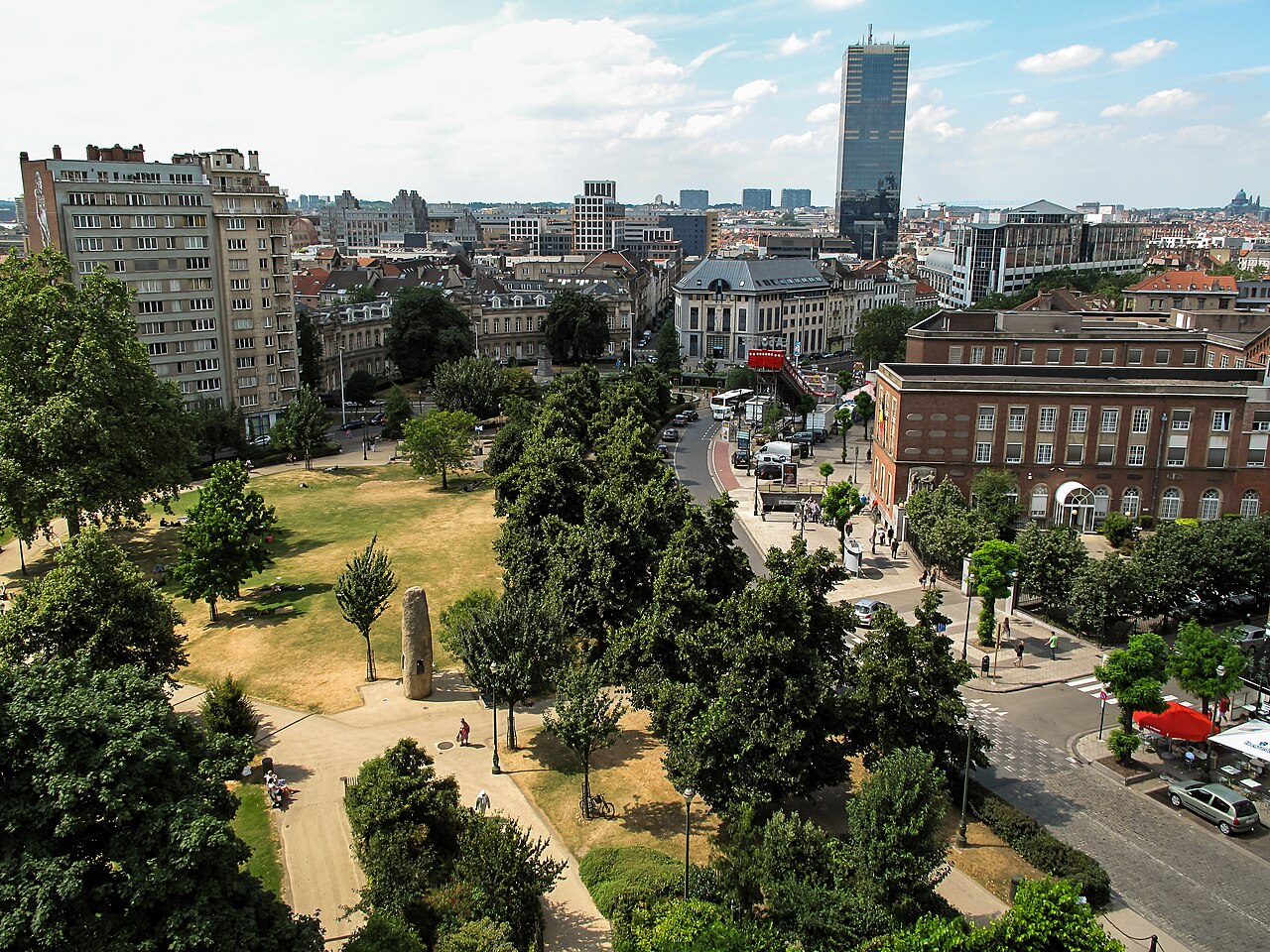
Halle Gate Park
- Notable
- Nature site
Language · 11 published
Museum · Brussels
Musée de la Porte de Hal - Hallepoort Museum
Reviewed by Elena Voss · Roavina Travel Editor
| Monday | 09:30 – 17:00 |
|---|---|
| Tuesday | 09:30 – 17:00 |
| Wednesday | 09:30 – 17:00 |
| Thursday | 09:30 – 17:00 |
| Friday | 09:30 – 17:00 |
| Saturday | 10:00 – 17:00 |
| Sunday | 10:00 – 17:00 |
Parsed from OpenStreetMap opening hours on 2026-09-09.
This place is a Museum. It was established in 1847. It is run by Royal Museums of Art and History.
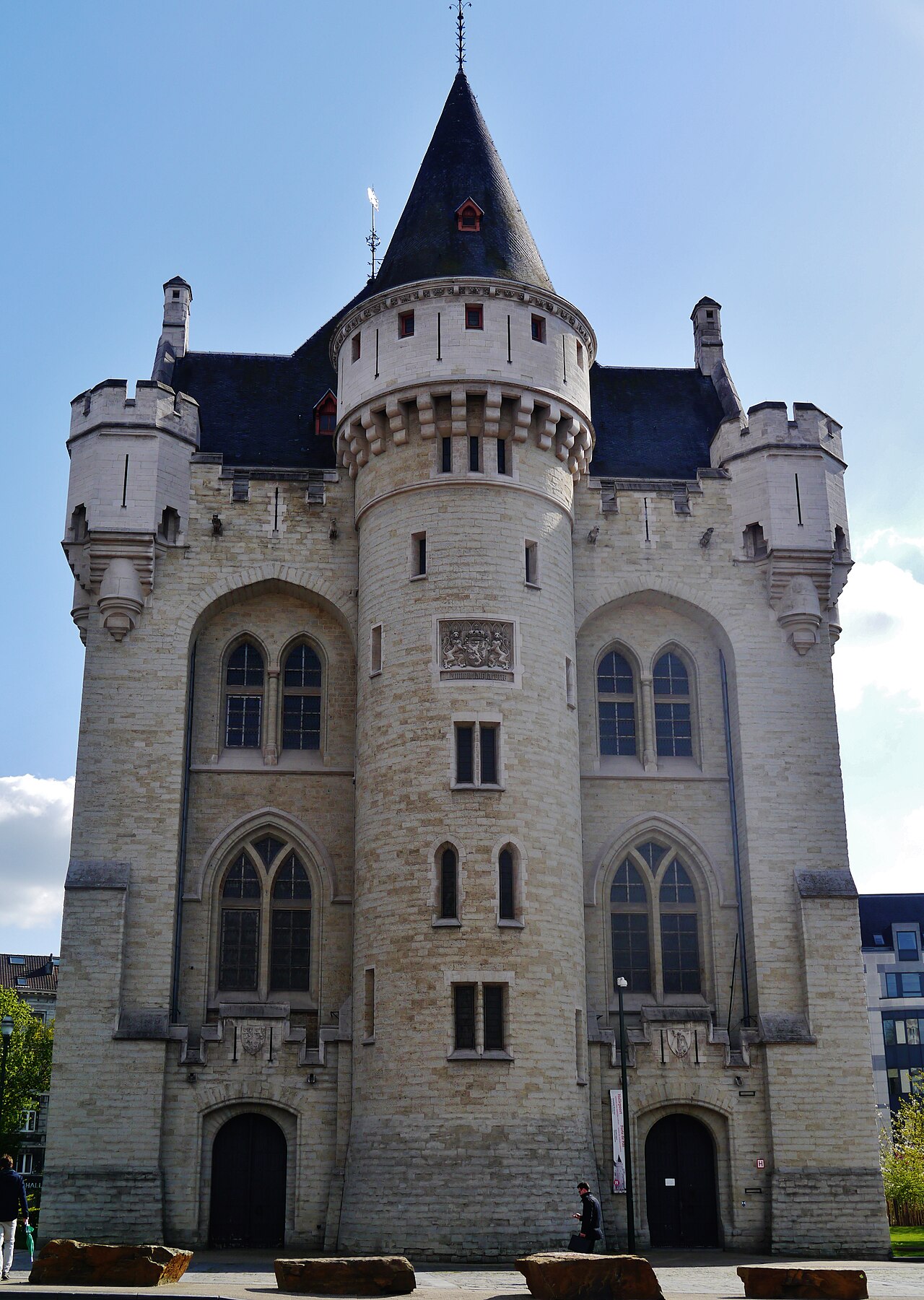
Halle Gate Museum is Brussels’ surviving medieval city gate, known in French as Musée de la Porte de Hal and in Dutch as Hallepoort Museum. The stone tower marks the former defensive wall around Brussels and now introduces visitors to the city’s fortifications, urban growth, and medieval heritage. Its architecture is part of the experience: this is both a museum and a preserved gateway through the historic city. The Halle Gate Museum is a medieval fortified city gate in Brussels, Belgium. Known locally as Musée de la Porte de Hal or Hallepoort Museum, it stands as the last remaining gate of the second walls that once encircled Brussels. The structure dates to the fourteenth century and has served various functions across centuries. Today it operates as a museum dedicated to the history of Brussels and its fortifications. The building represents significant medieval military architecture and urban heritage for the region. The medieval tower structure presents significant challenges. Multiple narrow staircases and uneven surfaces make independent access difficult. Visitors should contact the museum directly to discuss specific needs before visiting.
Checked 2026-08-26 · Source
Inside, displays connect the gate’s rooms and defensive structure with the history of Brussels. Visitors can explore the tower itself while learning how walls, gates, and controlled entrances shaped movement into the city. Exhibits address medieval urban life, military architecture, and later changes to the building. Look closely at the stonework, arches, passages, and changing viewpoints: the preserved fabric helps explain how a defensive building functioned within a larger fortified circuit. The museum contains collections related to the history of Brussels and its defensive walls. Exhibits explore medieval urban life, military architecture, and the evolution of the city. Visitors can examine remnants and interpretations of the fortification system. The interior includes spaces adapted for historical display across multiple levels. The tower structure itself constitutes a primary exhibit, with architectural features from successive periods visible throughout.
Checked 2026-08-26 · Source
Allow roughly one to two hours for a satisfying visit. A shorter stay works if you want the main historical story and a close look at the gate’s architecture. Plan more time if you read the interpretation carefully, pause at each level, or want to understand the relationship between the tower and Brussels’ former defensive walls. The visit is compact, but the vertical layout rewards a measured pace rather than a hurried walk-through.
Checked 2026-08-26 · Source
The museum fits well into a heritage-focused day in Brussels, especially when you are already exploring the southern side of the historic centre. Weekday mornings can provide a calmer setting for reading and examining the architecture. The stone interior may feel cooler than the streets in warm weather, while wet conditions make the surrounding walk less comfortable. Because the visit involves several levels, choose a time when you can climb without rushing.
Checked 2026-08-26 · Source
Treat Halle Gate Museum as a focused museum stop within your Brussels sightseeing plan. The visit is centred on the gate, its defensive role, and the history presented inside, so the value comes from the building and interpretation rather than a large collection spread across many halls. Keep your ticket arrangements together with the rest of your museum planning, and allow enough time to enjoy the structure instead of fitting it into a rushed transfer.
Checked 2026-08-26 · Source
The gate stands near Brussels-South railway station and is connected to the city’s metro, tram, and bus network. It is also reachable on foot from central Brussels for travellers who enjoy urban walking. The approach is part of the story: the museum occupies a historic entry point rather than an isolated suburban site. In this dense area, public transport or walking is more practical for many visitors than relying on a private car.
Checked 2026-08-26 · Source
The medieval layout includes stairs, narrow passages, uneven surfaces, and frequent changes in level. Wear secure shoes and take your time on the climbs. The building can feel confined, particularly where stone walls and tight circulation meet. Adults should keep children close while moving through the tower. Travellers who find stairs or enclosed spaces difficult should plan the visit around their own comfort and energy, since the architecture itself shapes the route.
Checked 2026-08-26 · Source
The tower offers strong subjects for architectural photography: masonry, vaulted passages, arches, stairways, and elevated urban views. The narrow rooms can make framing difficult, so wider compositions and careful positioning work better than large equipment. Keep pathways clear and be considerate of other visitors. Photograph the historic fabric gently, without touching surfaces or obstructing movement, and follow any signs or staff directions inside the museum.
Checked 2026-08-26 · Source
The main attraction is the surviving medieval city gate itself. The museum uses the fortified tower, its rooms, and its defensive architecture to explain Brussels’ historic walls and urban development.
Yes. The museum focuses on Brussels’ fortifications, medieval urban life, and the way the gate operated within the city’s defensive system, making the building itself an important historical exhibit.
Plan approximately one to two hours. A shorter visit covers the principal story and architecture, while a slower visit allows more time for interpretation and the different levels of the tower.
It stands near Brussels-South railway station, in the southern part of the city centre. Metro, tram, bus, and walking routes connect the museum with other central districts.
Wear comfortable, secure footwear. The historic tower contains stairs, narrow passages, uneven surfaces, and repeated changes in level, so steady shoes make the visit more comfortable.
Yes. Its location near Brussels-South station and the southern historic centre makes it practical to combine with a walking day focused on Brussels’ walls, streets, museums, and civic history.
Loading the interactive map…
The interactive map could not be loaded.
Last updated:
Source: OpenStreetMap contributors, Wikidata ·