
.jpg)
.jpg)
.jpg)


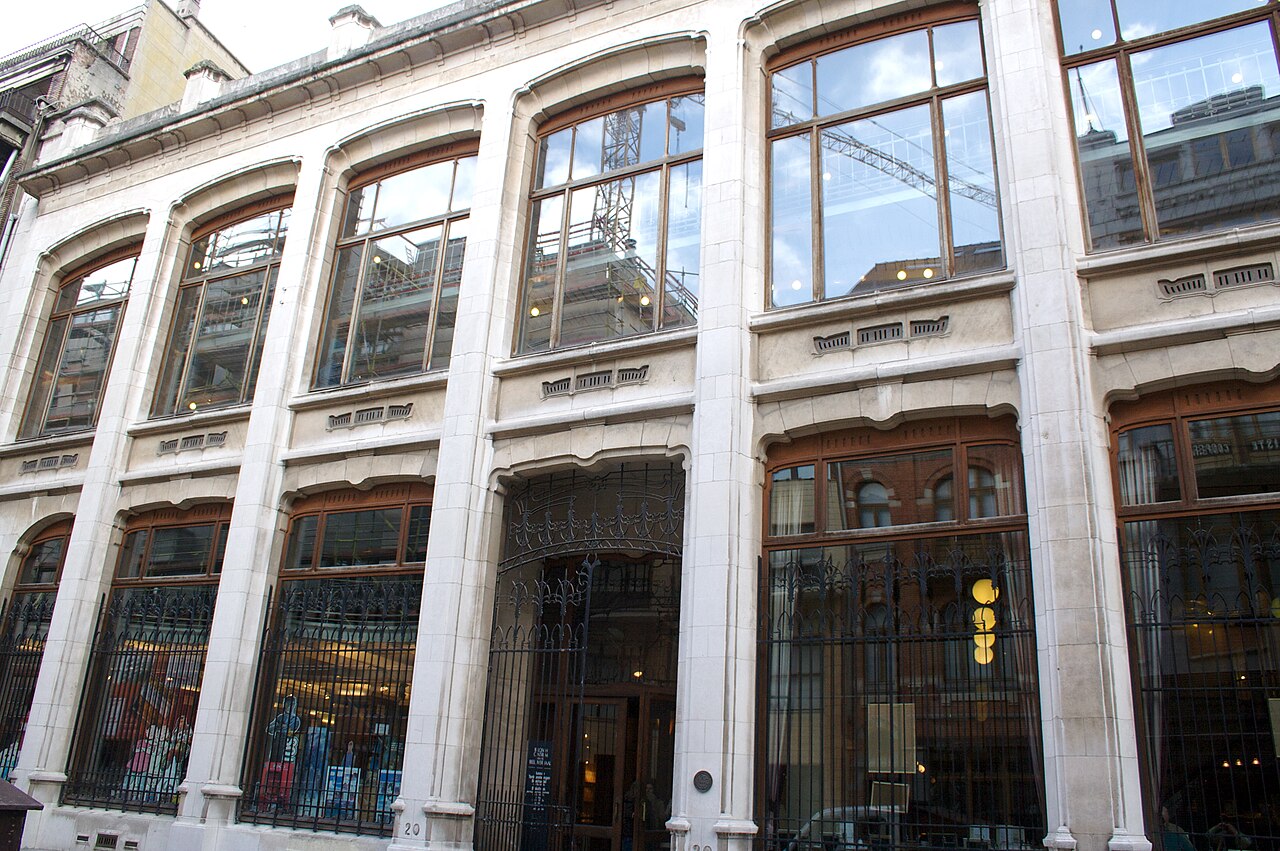
6 min walk
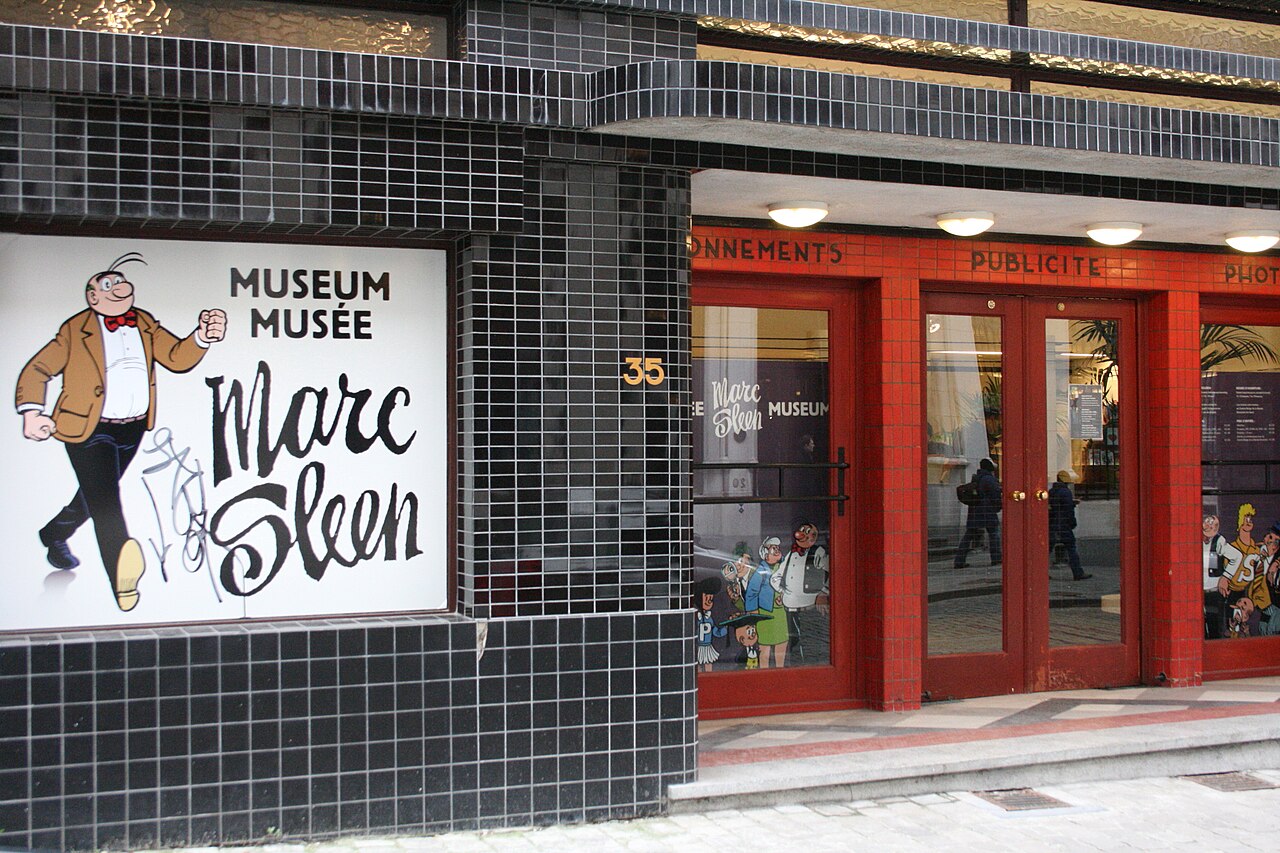
Belgian Comic Strip Center
- Must see
- Museum
Nature site · Brussels
Jardin botanique - Kruidtuin
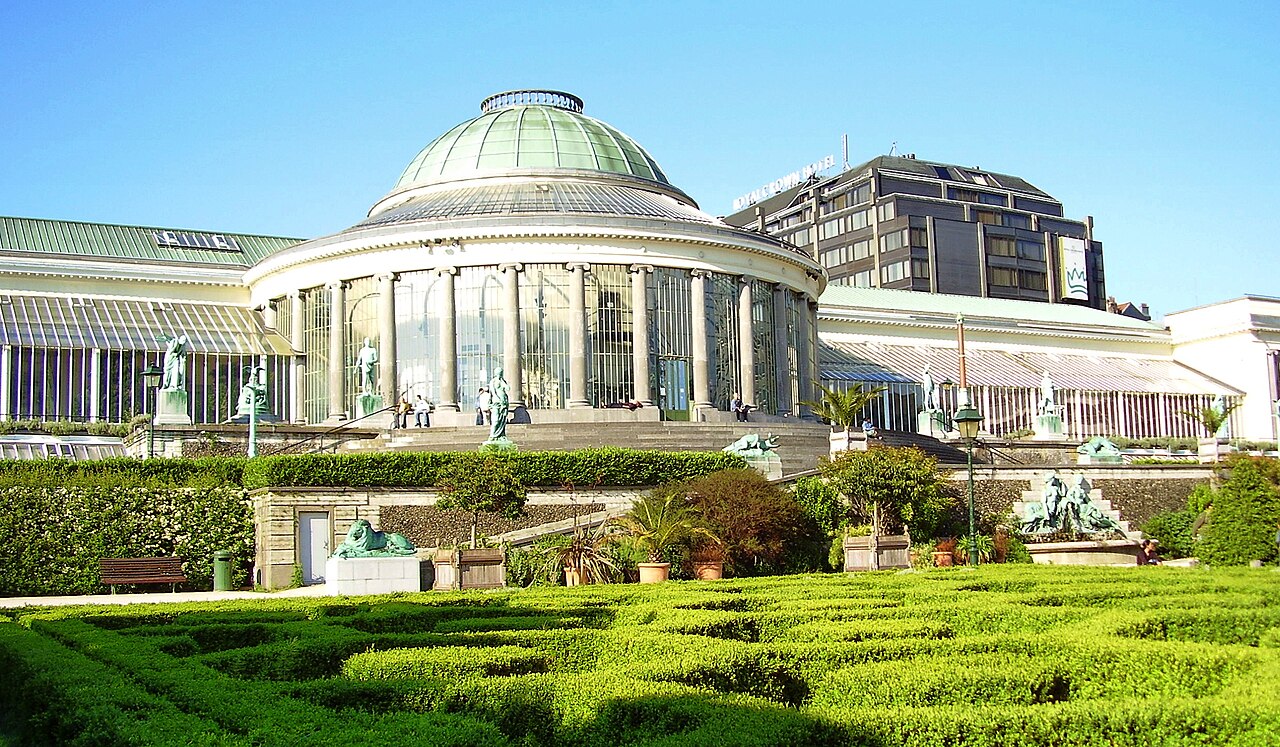
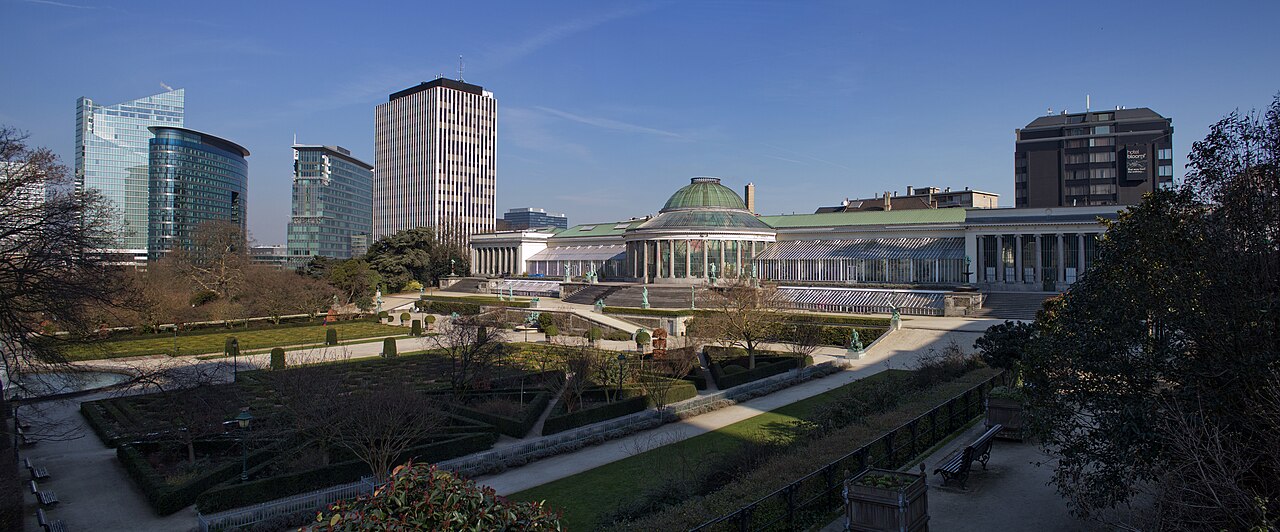
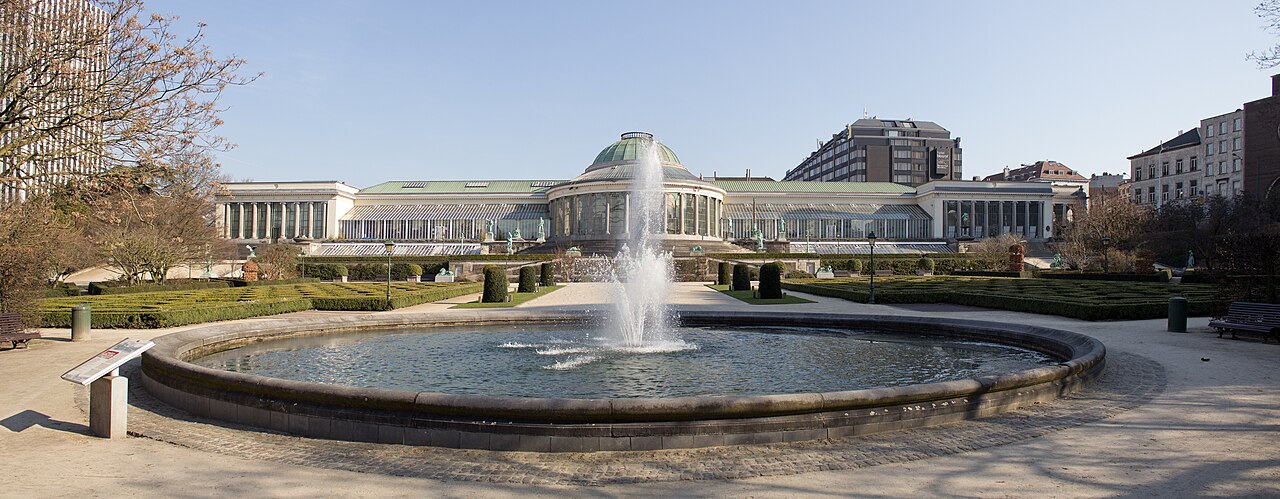
The Botanical Garden of Brussels, also called Jardin botanique or Kruidtuin, is a historic green space in the Belgian capital. Established in the nineteenth century, it combines urban parkland with the architectural heritage of botanical cultivation. Its French and Dutch names reflect Brussels’ bilingual character. The garden is a useful pause between museums, shopping streets, and railway connections because it offers open air, mature vegetation, and a change of scale from the surrounding city. The Botanical Garden of Brussels, known locally as Jardin botanique or Kruidtuin, is a historic botanical garden in Brussels, Belgium. Originally established in the 19th century, it occupies a significant site in the urban landscape. The garden represents an important green space within the city and holds cultural and scientific heritage value. Its dual French and Dutch name reflects Brussels' bilingual character as the capital of Belgium and the European Union. The entry-specific source identifies this exact visitor POI. Access policies may distinguish between exterior grounds and interior attractions.
Checked 2026-08-26 · Source
The principal visual features are landscaped grounds, mature trees, formal garden elements, and historic greenhouse and conservatory structures made with glass and iron. These buildings express the nineteenth-century relationship between architecture, public education, and plant study. The garden works best as a sequence of outdoor views rather than a single object: move between planted areas, look back toward the glass structures, and notice how the historic complex sits within Brussels’ dense urban setting. The garden contains notable architectural features including its historic greenhouses and conservatory structures. These buildings exemplify 19th-century glass and iron construction techniques. The site historically housed extensive plant collections for scientific study and public education.
Checked 2026-08-26 · Source
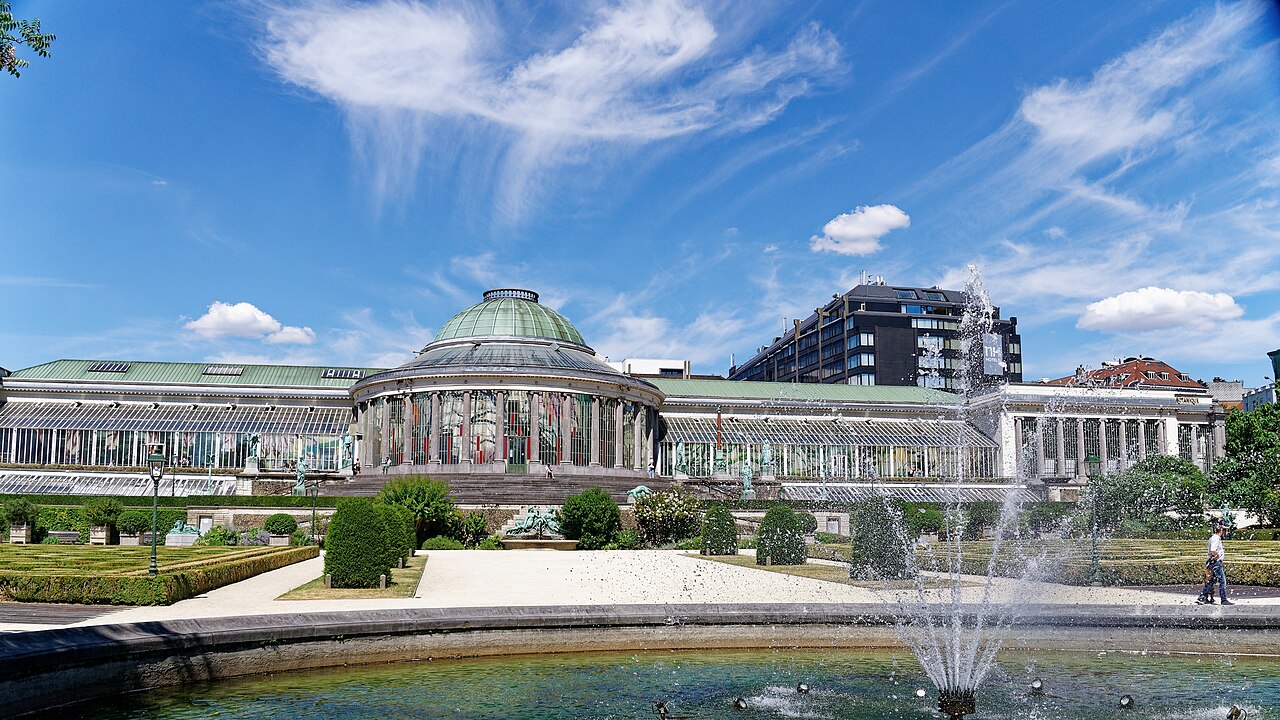
Allow about one to two hours for a relaxed visit through the grounds and a close look at the historic glass structures. A shorter stop works if you want greenery between central Brussels sights, while a longer visit suits travellers interested in horticulture, architectural detail, or photography. The compact urban setting makes the garden easy to combine with nearby neighbourhood walks, so it need not occupy an entire half-day unless you prefer an unhurried pace.
Checked 2026-08-26 · Source
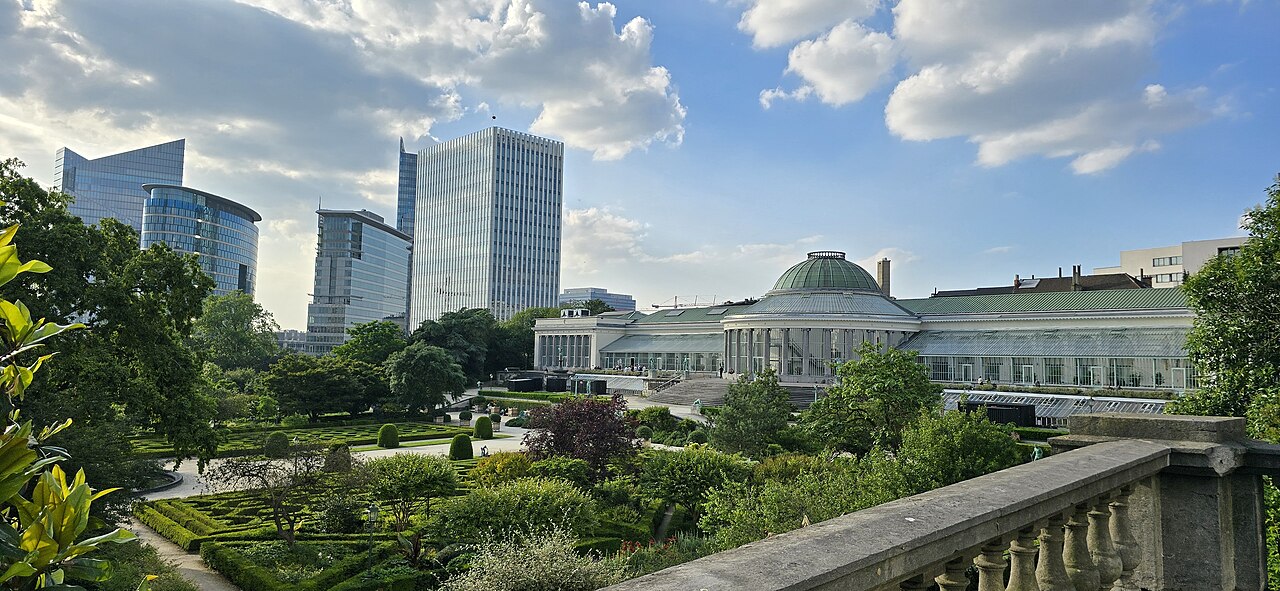
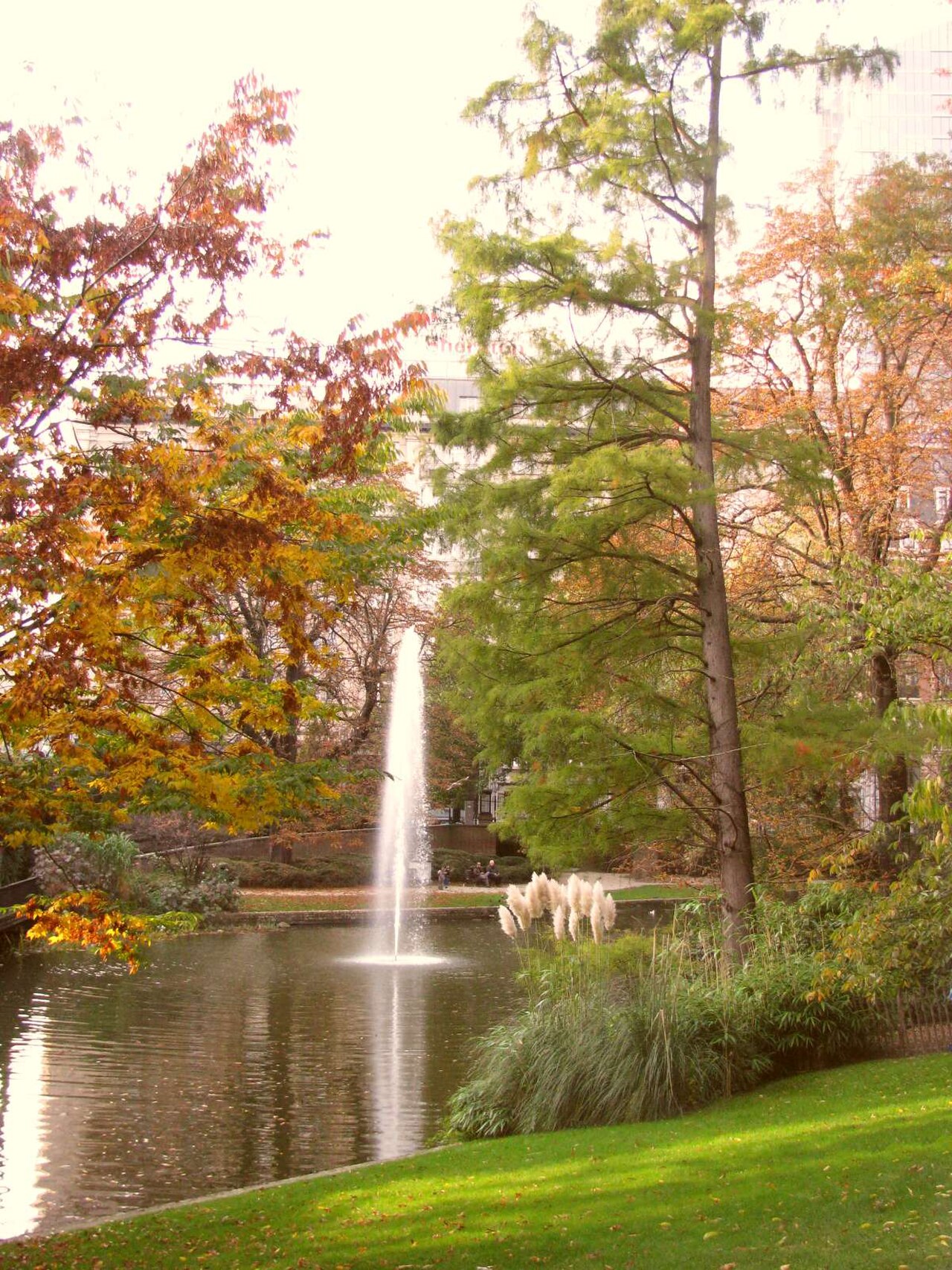
Spring and summer bring the fullest outdoor colour, while autumn adds foliage and softer tones around the paths. Winter shifts attention toward the greenhouse architecture and the structure of the landscape. Brussels weather can change quickly, so comfortable shoes and a weatherproof layer make the visit easier. Weekdays may provide a calmer atmosphere for photography and observation. The garden remains a useful stop in different seasons because its botanical grounds and historic buildings offer distinct visual experiences.
Checked 2026-08-26 · Source
The garden’s grounds and interior structures should be treated as separate parts of the experience when planning the visit, since access arrangements can differ between outdoor areas and buildings. This is not a place to build a detailed admission budget around without current practical information. Its strongest value for a city itinerary is the combination of historic glass architecture, planted space, and a central location. Keep the visit flexible and enjoy the areas open to you on arrival.
Checked 2026-08-26 · Source
Botanique/Kruidtuin metro station provides direct access to the garden area, and several bus routes serve the surrounding streets. Brussels North railway station is within walking distance, making the garden practical for visitors arriving by train or connecting between central districts. Walking from nearby attractions is straightforward within the compact city centre. Cycling is also possible, while driving brings the usual traffic and parking difficulties of central Brussels.
Checked 2026-08-26 · Source
Wet weather can make paths slippery, and some routes may be uneven, so shoes with a firm sole are useful. Glass and iron structures are historic features that deserve careful handling; follow signs and keep clear of restricted areas. Information may be presented in French and Dutch, with English varying by location. Keep personal belongings close in busy urban surroundings, and respect planting, conservation measures, and other visitors enjoying the garden.
Checked 2026-08-26 · Source
The contrast between iron framework, reflective glass, foliage, and formal planting gives the garden several photographic moods. Overcast Brussels light is especially useful for even exposure on glass surfaces and detailed plant textures. Early or late daylight can add depth to the exterior structures. In confined interiors, keep equipment compact and leave room for other visitors. Treat photography rules, flash use, and tripod placement as matters governed by signs or staff at the site.
Checked 2026-08-26 · Source
It brings together landscaped urban grounds, mature vegetation, and historic glass-and-iron greenhouse architecture in a central Brussels setting.
Plan around one to two hours, with shorter visits suitable for a quick green-space break and longer visits rewarding botanical, architectural, or photographic interest.
Use Botanique/Kruidtuin metro station, nearby bus routes, or a walk from Brussels North railway station and neighbouring central districts.
The historic greenhouse structures, ironwork, glass reflections, mature trees, and formal planting provide varied subjects in every season.
Spring and summer emphasize outdoor planting, autumn brings foliage colour, and winter highlights the architecture and underlying structure of the grounds.
Comfortable shoes and a weatherproof layer are practical choices because Brussels weather changes quickly and outdoor paths may become slippery when wet.
Loading the interactive map…
The interactive map could not be loaded.
Last updated:
Source: OpenStreetMap contributors, Wikidata ·