
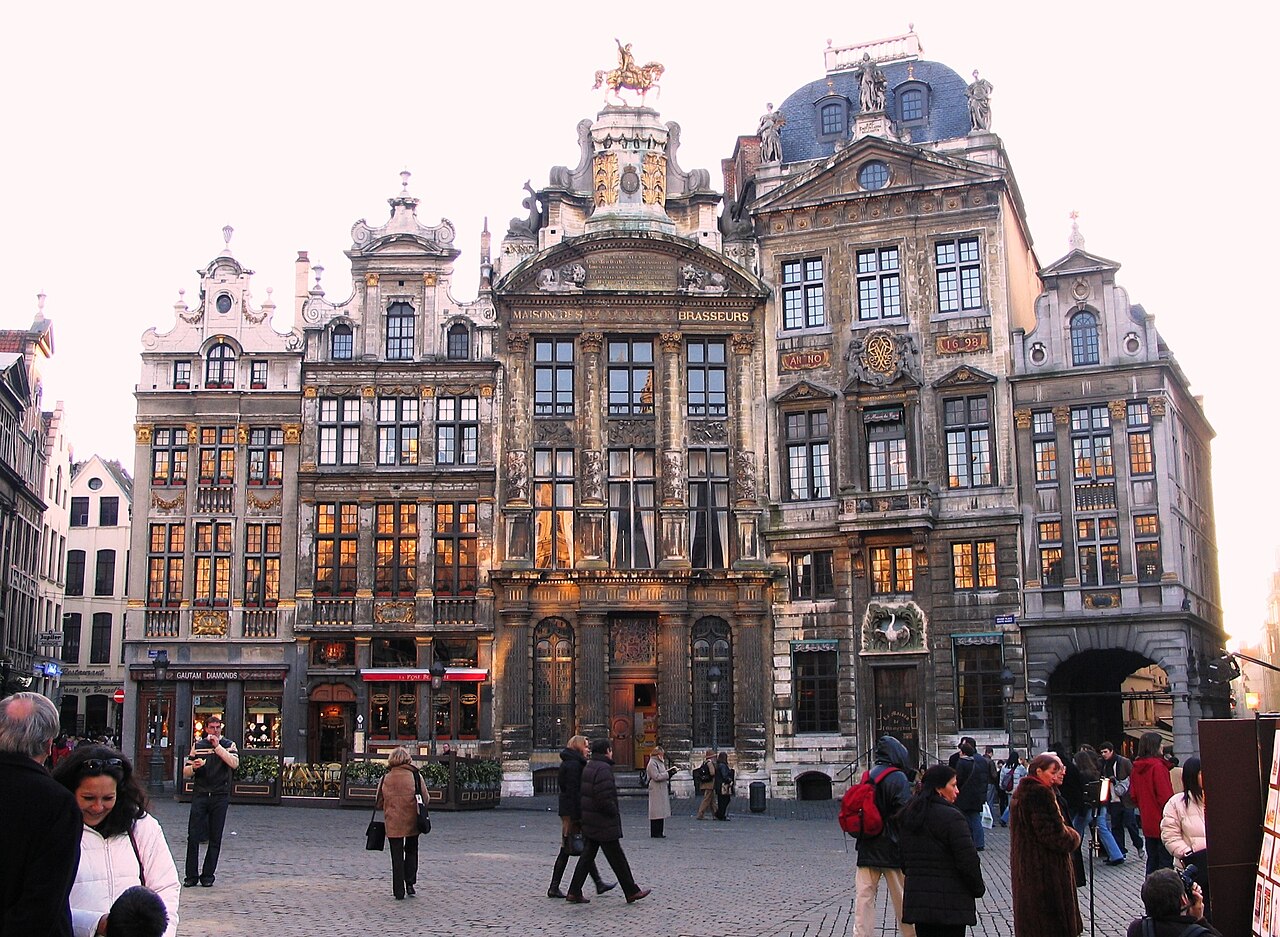
2 min walk
Museum van de Belgische Brouwers
- High
- Museum
Language · 11 published
Museum · Brussels
Musée de la ville de Bruxelles - Museum van de Stad Brussel
Reviewed by Elena Voss · Roavina Travel Editor
| Monday | Closed |
|---|---|
| Tuesday | 10:00 – 17:00 |
| Wednesday | 10:00 – 17:00 |
| Thursday | 10:00 – 17:00 |
| Friday | 10:00 – 17:00 |
| Saturday | 10:00 – 17:00 |
| Sunday | 10:00 – 17:00 |
Parsed from OpenStreetMap opening hours on 2026-09-09.
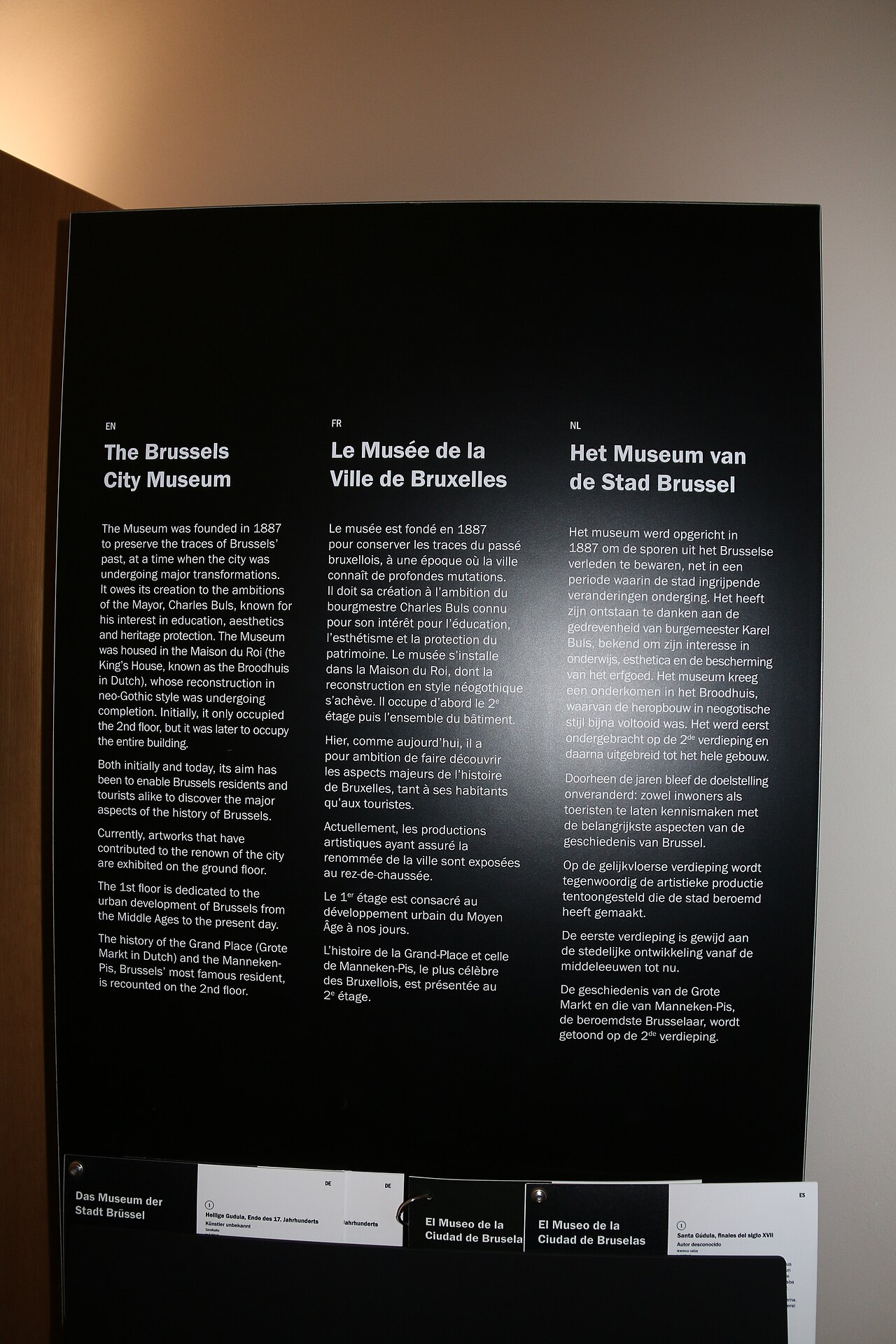
This place is a Museum. It was established in 1887.
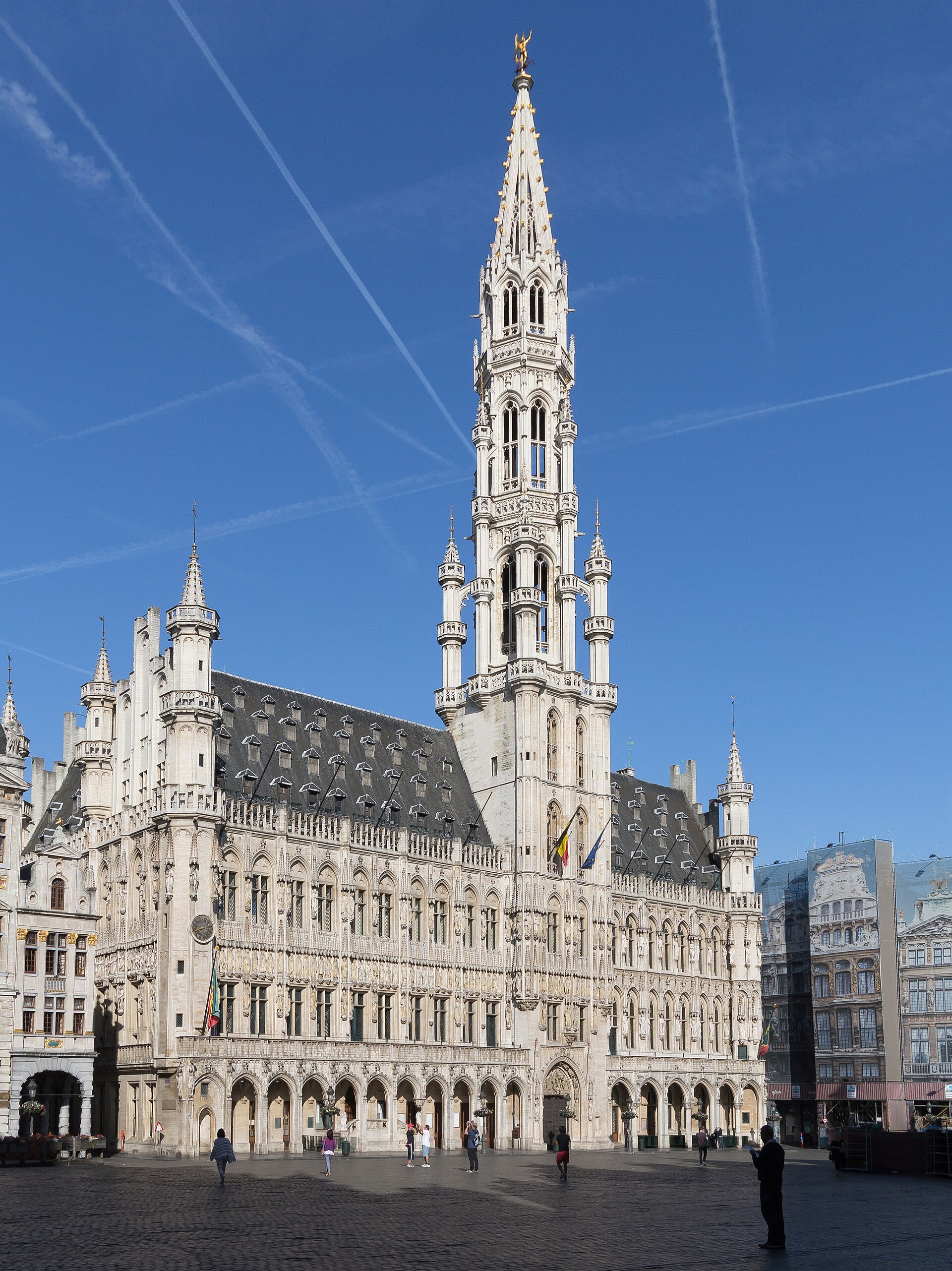
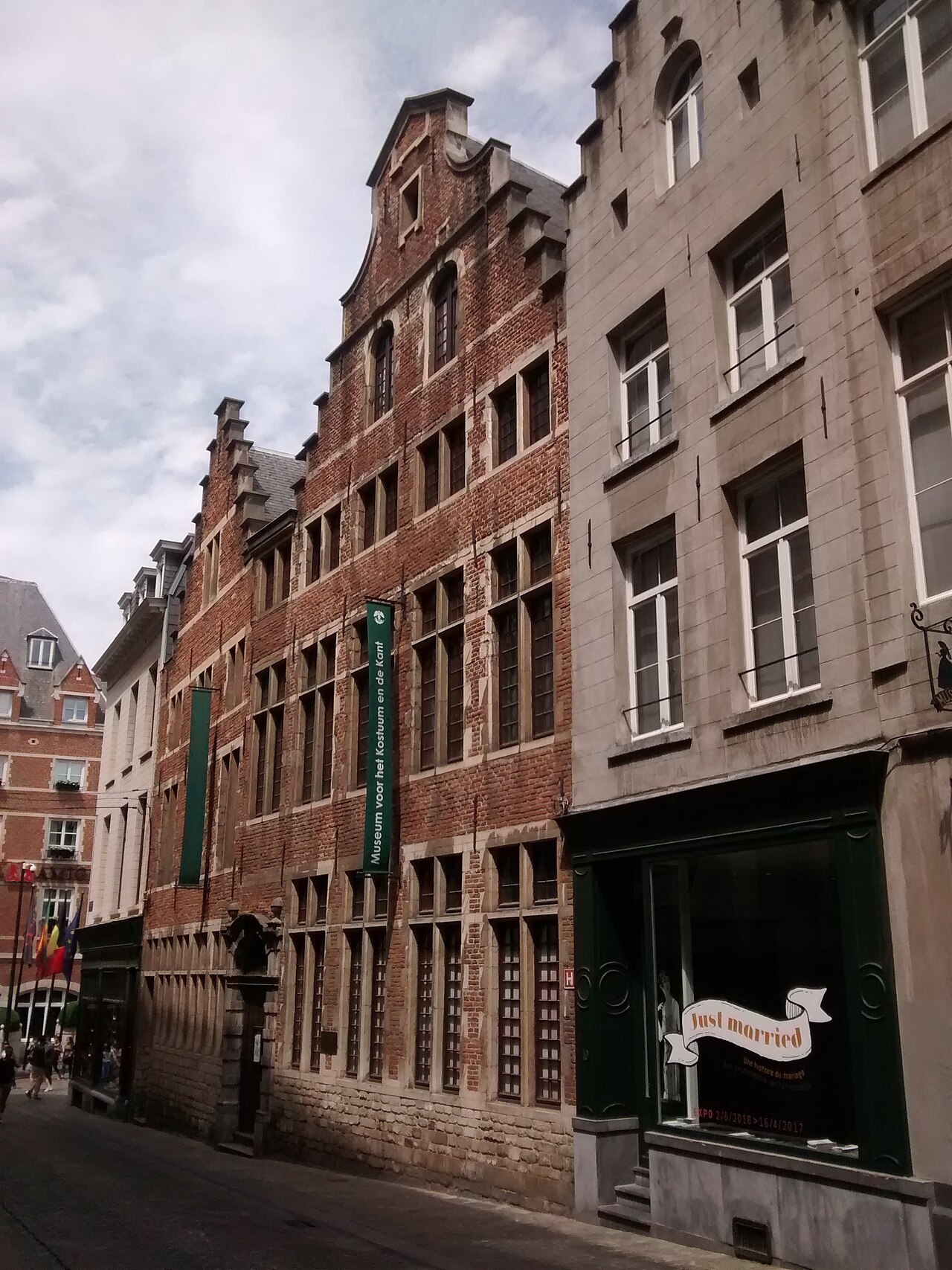
Brussels City Museum, also called Musée de la ville de Bruxelles and Museum van de Stad Brussel, introduces the history and culture of Belgium’s capital. Set in the historic heart of Brussels, it connects the city’s civic identity with its changing streets, buildings, traditions, and communities. The museum is a useful stop for travelers who want context before exploring the central squares, lanes, and landmarks outside. The Musée de la ville de Bruxelles - Museum van de Stad Brussel is a museum dedicated to the history and culture of Brussels. Located in the historic heart of the city, it occupies a significant building that reflects the civic heritage of the Belgian capital. The institution serves as a repository for artifacts, documents, and artworks that narrate the urban development and social evolution of Brussels from its medieval origins through to contemporary times. Its bilingual name reflects Belgium's official linguistic duality of French and Dutch. Visitors with mobility requirements should contact the museum directly before visiting to confirm accessibility provisions.
Checked 2026-08-26 · Source
The collections bring together paintings, prints, maps, sculptures, decorative arts, archaeological finds, manuscripts, and archival material connected with Brussels. Civic objects help explain municipal life, while visual records show how the urban landscape developed over time. Read the maps alongside the exhibits, then look for connections with the historic center outside. Temporary exhibitions may add another theme to the permanent collection during a visit. The museum's collections encompass a broad range of materials illustrating Brussels' past. Visitors encounter historical paintings, prints, and maps charting the city's transformation. Sculptures and decorative arts represent periods of artistic flourishing. Civic regalia, including items associated with municipal governance, feature prominently. The museum also holds archaeological finds excavated from the urban area. Manuscripts and archival materials preserve documentary evidence of administrative and daily life. The entry-specific source identifies this exact visitor POI.
Checked 2026-08-26 · Source
Plan roughly one to two hours for a relaxed visit through the collections. A shorter visit can work when the museum is one stop in a wider Brussels circuit, while visitors interested in urban history, Belgian art, maps, or archival objects may want more time. The museum works especially well before a walking tour because its displays give meaning to the streets and civic spaces nearby. A thorough visit to this museum typically requires between one and two hours, depending on individual engagement with the collections. Visitors with specialized interest in urban history or Belgian art may wish to allocate additional time for detailed examination of individual works and archival materials.
Checked 2026-08-26 · Source
Weekday mornings suit travelers seeking a quieter atmosphere for reading labels and studying maps. The museum also makes a practical rainy-day stop because its subject is closely tied to the city you are already visiting. Allow enough flexibility to connect it with the surrounding historic center, where the museum’s urban story continues outdoors through public buildings, streets, and squares.
Checked 2026-08-26 · Source
Treat the museum as a focused cultural stop in the center of Brussels. Its strongest value is the opportunity to understand the city’s development through objects, images, documents, and civic collections rather than through a single famous artwork. Build the visit around your wider day in the historic core, leaving time for nearby landmarks and streets that make the displays easier to place.
Checked 2026-08-26 · Source
The museum is in Brussels’ historic center, so it fits naturally into a walking route through the city’s central landmarks. Travelers already exploring the old town can approach on foot, while Brussels’ public transport network serves the wider central area. If arriving by car, plan the museum as a pedestrian stop after reaching the center, where streets and parking are more constrained.
Checked 2026-08-26 · Source
The museum’s bilingual French and Dutch identity is part of the Brussels experience, and visitors may encounter both languages in the institution and city around it. Give yourself time to read rather than rushing through the visual collections. The building belongs to the historic civic fabric, so move carefully through galleries and follow local instructions around exhibits and circulation.
Checked 2026-08-26 · Source
Use the museum’s displays as a visual record of Brussels, especially the maps, prints, paintings, and civic objects that reveal how the capital changed. Keep photography unobtrusive and avoid flash where gallery rules restrict it. The most rewarding images may come after the visit, when you recognize the streets and public spaces represented in the museum’s historical material.
Checked 2026-08-26 · Source
It focuses on the history and culture of Brussels, using art, maps, documents, archaeological material, civic objects, and other collections to explain the capital’s urban development.
The museum is known by French and Dutch names: Musée de la ville de Bruxelles and Museum van de Stad Brussel, reflecting Brussels’ bilingual civic setting.
The collections include historical paintings, prints, maps, sculptures, decorative arts, archaeological finds, manuscripts, archival material, and objects linked with municipal life.
It works well before or during a walk through the historic center, giving visitors background for the streets, squares, buildings, and civic spaces they encounter nearby.
A relaxed visit generally takes about one to two hours, with shorter visits possible for travelers combining the museum with several other Brussels attractions.
It is particularly useful for understanding how Brussels developed as an urban and civic center through images, records, objects, and archaeological evidence.
Loading the interactive map…
The interactive map could not be loaded.
Last updated:
Source: OpenStreetMap contributors, Wikidata ·