
1 min walk
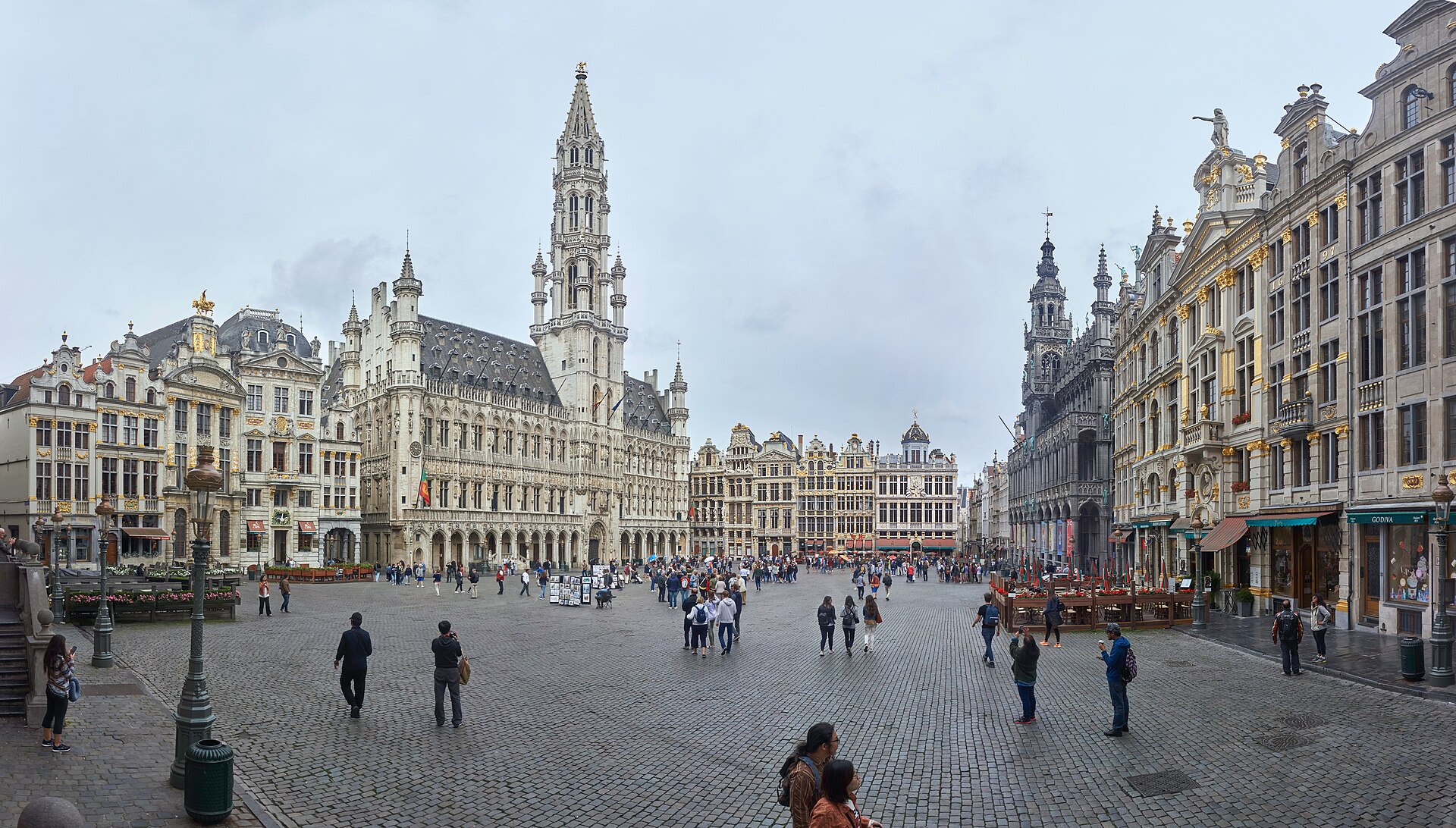
Grand-Place - Grote Markt
- Must see
- Historic monument
Museum · Brussels
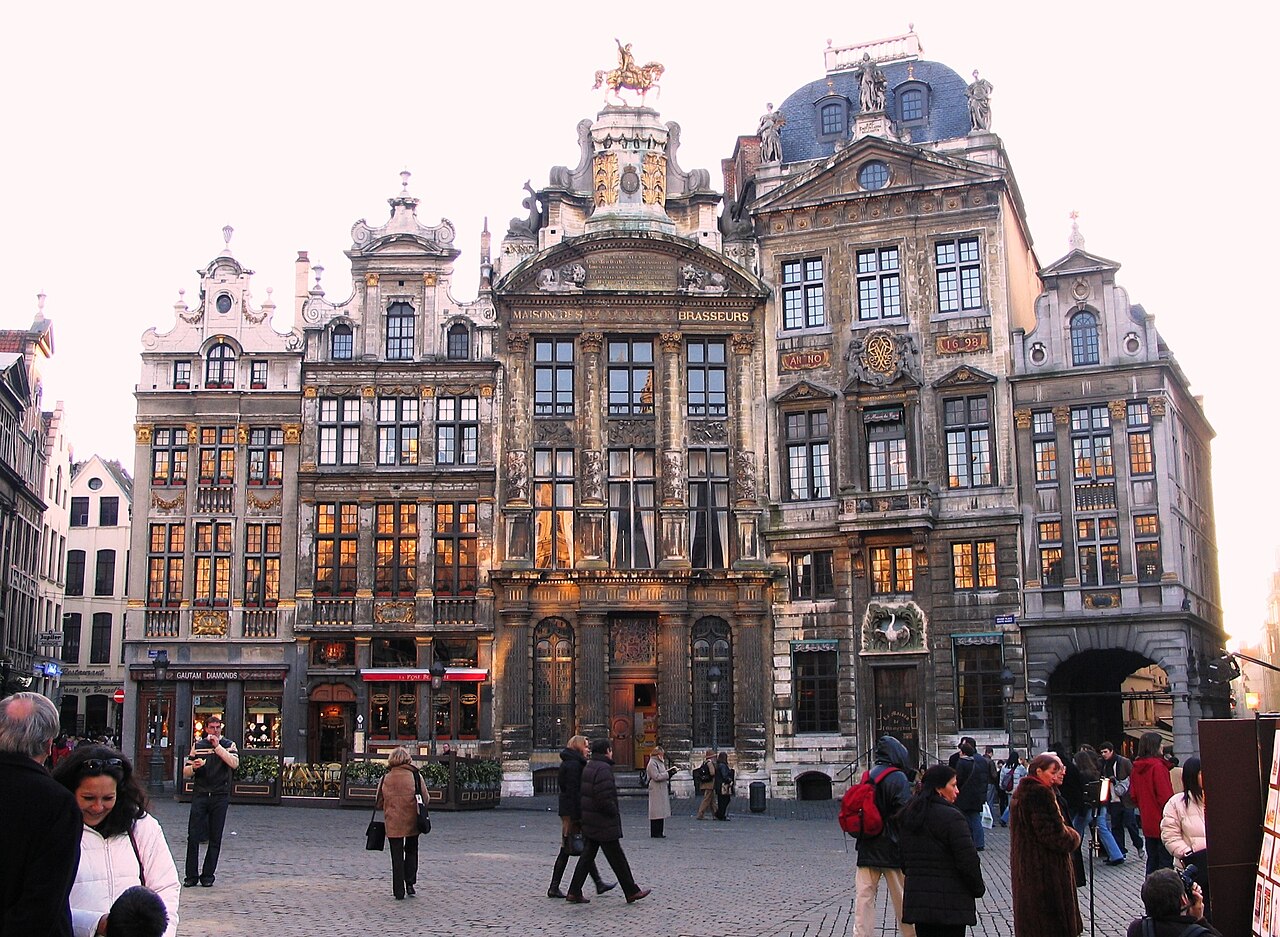
Musée des Brasseurs belges - Museum van de Belgische Brouwers
Closed today, Sunday. Next open Wednesday at 13:00 — the planner will not place a stop here on a Sunday.
Plan around it| Monday | Closed |
|---|---|
| Tuesday | Closed |
| Wednesday | 13:00 – 17:00 |
| Thursday | 13:00 – 17:00 |
| Friday | 11:00 – 17:00 |
| Saturday | 12:00 – 17:00 |
| Sunday | Closed |
Parsed from OpenStreetMap opening hours on 2026-09-09.
Museum van de Belgische Brouwers, also called Musée des Brasseurs belges, is a Brussels museum devoted to Belgian brewing. It presents brewing as part of the country’s cultural identity and introduces visitors to the traditions behind Belgian beer. The museum is a natural stop for travellers interested in food culture, craft production, and the history of a national industry whose styles are known far beyond Belgium. The Museum van de Belgische Brouwers, also known as Musée des Brasseurs belges, is a Belgian brewery museum located in Brussels. It documents the history and traditions of Belgian brewing, one of the country's most celebrated cultural heritage elements. Belgium's brewing tradition is recognized internationally, with numerous breweries operating across the country and Belgian beer styles enjoying global renown. The museum serves as a visitor point of interest for those seeking to understand this aspect of Belgian national identity.
Checked 2026-08-26 · Source
The museum’s subject is the making and heritage of Belgian beer. A visit can be understood through the equipment and objects associated with brewing, including production vessels, bottling apparatus, and tools used in brewery work. The Belgian brewing tradition encompasses distinctive families such as Trappist, abbey, lambic, and other regional styles. Displays connect production methods with the variety and cultural importance of Belgian beer. Belgian brewery museums typically exhibit historical brewing equipment, fermentation vessels, bottling apparatus, and related artifacts. Documentation of beer production methods, regional styles, and trade history may form part of presentations. A flexible visit lets travellers connect Museum van de Belgische Brouwers with the rest of the day without treating one room, viewpoint or photograph as the whole experience. The useful pace depends on personal interest and conditions on arrival.
Checked 2026-08-26 · Source
Allow roughly one to two hours for a brewery-focused museum visit. That range gives time to examine brewing equipment, follow explanations of production, and place Belgian beer styles within their wider tradition. Travellers with a strong interest in brewing history may linger over technical details and regional differences. A shorter visit can still provide a useful introduction before continuing through central Brussels and its food and drink culture. Visitors to comparable brewery museums in Belgium generally allocate between one and two hours for their experience, though this estimate derives from cautious judgement rather than confirmed guidance for this specific site.
Checked 2026-08-26 · Source
This museum fits naturally into a Brussels day shaped around Belgian food, drink, and local traditions. It works particularly well before or after exploring the city centre, when visitors can connect the history of brewing with the beer culture encountered elsewhere in Brussels. The indoor setting makes it suitable in changeable weather. Give the visit enough time to understand the production story rather than treating it only as a tasting-related stop.
Checked 2026-08-26 · Source
Approach the museum as a cultural introduction to Belgian brewing, with the main experience centred on heritage, equipment, production, and beer styles. Practical admission information is kept outside this guide, so no unsupported fare, tasting charge, or booking condition is attached to the visit. The museum is most rewarding for travellers who want context for Belgian beer rather than a general city-history exhibition or a purely commercial tasting venue.
Checked 2026-08-26 · Source
The museum is in Brussels, whose metro, tram, bus, and rail network makes the city’s cultural districts straightforward to combine in one day. Plan the journey as part of a walk through the centre, linking the museum with nearby streets and other food or heritage stops. Public transport can shorten the longer approach, while the final part of the route is best experienced as an urban walk through Brussels.
Checked 2026-08-26 · Source
The museum’s appeal depends on interest in brewing, production, and Belgian beer culture. Visitors looking for a broad art collection may find the subject specialised. Brewing history includes technical processes, regional traditions, and several beer families, so the displays reward curiosity about how drinks are made. If the experience includes beer-related content, remember that the cultural subject is broader than consumption and includes tools, methods, trade, and heritage.
Checked 2026-08-26 · Source
Photographs can capture the character of brewing equipment, vessels, bottles, and the visual language of Belgian beer heritage. Keep the camera secondary to the displays, particularly in compact rooms where other visitors may be nearby. Focus on objects and overall arrangements rather than turning the visit into a product shoot. The strongest images will help recall the connection between craft production, regional styles, and Brussels’ beer culture.
Checked 2026-08-26 · Source
It is a Brussels museum about Belgian brewing, its production traditions, equipment, beer styles, and place in Belgian cultural identity.
The guide connects Belgian brewing with Trappist, abbey, lambic, and other distinctive regional beer traditions.
The museum’s themes include brewing equipment, production vessels, bottling apparatus, brewery work, trade, regional styles, and the heritage of Belgian beer.
Plan roughly one to two hours to explore the brewing story, examine equipment, and understand the variety of Belgian beer traditions.
No. Its focus is Belgian brewing, including craft production, technical equipment, beer styles, trade, and cultural heritage.
It provides historical and cultural context for Belgian beer, making later encounters with Brussels brewing traditions more meaningful.
Loading the interactive map…
The interactive map could not be loaded.
Last updated:
Source: OpenStreetMap contributors, Wikidata ·