
6 min walk
Sewer Museum
- High
- Museum
Language · 11 published
Museum · Brussels
Musée Bruxellois de la Gueuze - Brussels Museum van de Geuze
Closed today, Sunday. Next open Monday at 10:00 — the planner will not place a stop here on a Sunday.
Plan around itReviewed by Elena Voss · Roavina Travel Editor
| Monday | 10:00 – 17:00 |
|---|---|
| Tuesday | 10:00 – 17:00 |
| Wednesday | 10:00 – 17:00 |
| Thursday | 10:00 – 17:00 |
| Friday | 10:00 – 17:00 |
| Saturday | 10:00 – 17:00 |
| Sunday | Closed |
Parsed from OpenStreetMap opening hours on 2026-09-09.
This place is a Museum. It opened in 1978.
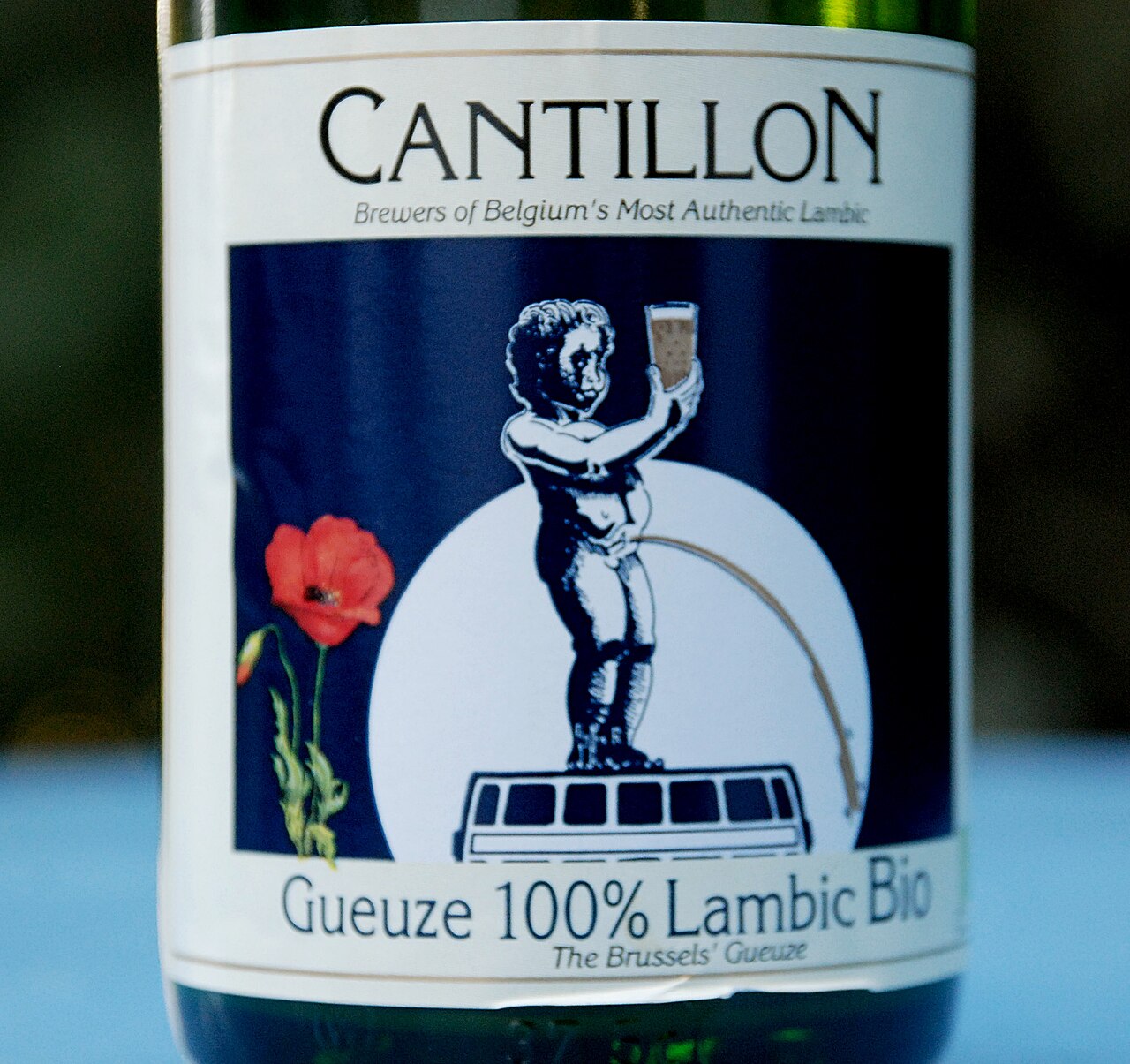
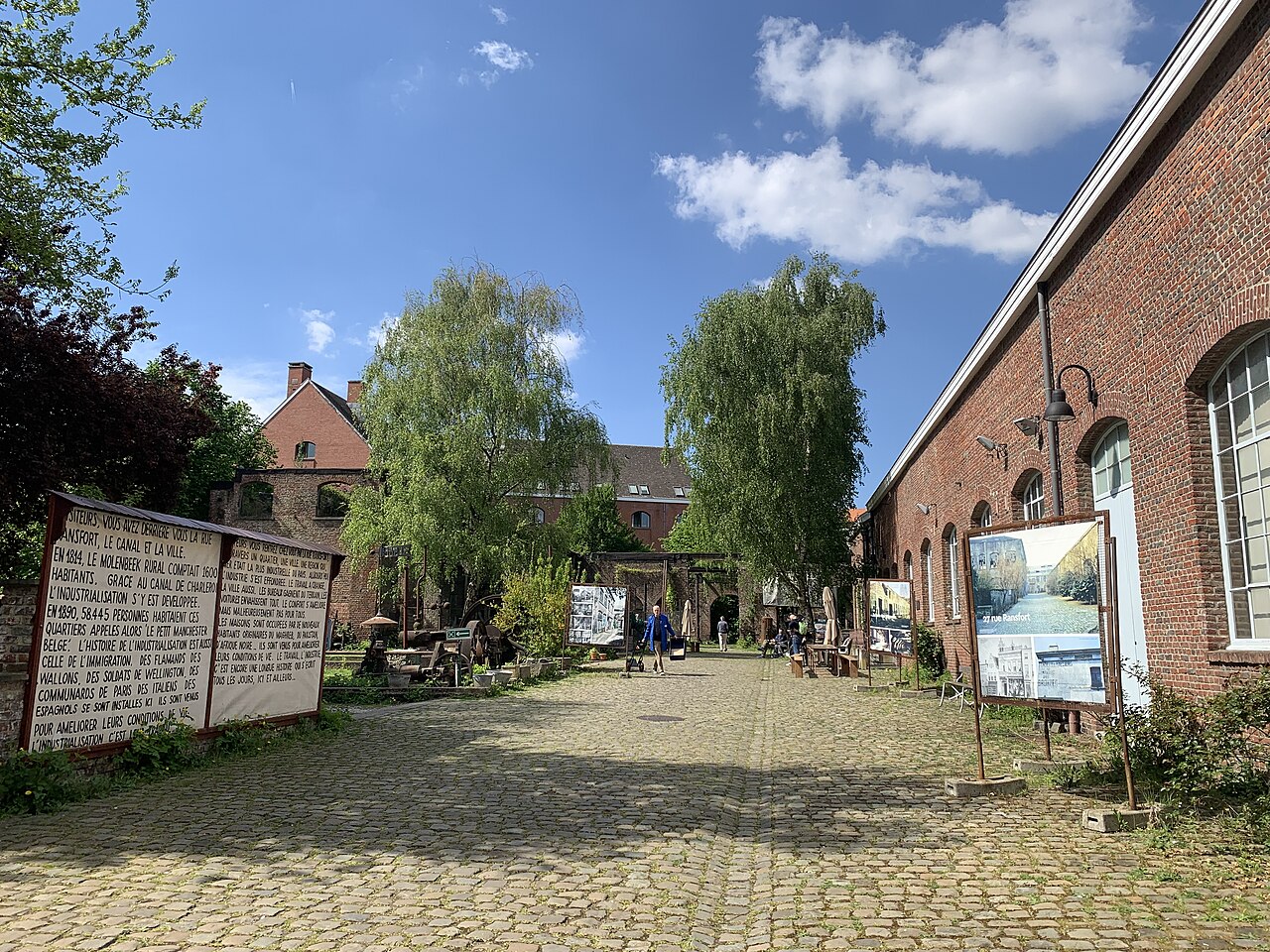
Brussels Museum van de Geuze, also known as Musée Bruxellois de la Gueuze, explores geuze and the brewing culture surrounding this distinctive Belgian beer. The museum places spontaneous fermentation and lambic traditions within Brussels’ wider food and industrial heritage. It is a specialized stop for travelers who want to understand why geuze is different from ordinary beer and how brewing became part of the region’s identity. The Brussels Museum van de Geuze, also known locally as Musée Bruxellois de la Gueuze, is a museum dedicated to geuze, a traditional Belgian lambic beer style. Located in Brussels, it celebrates the brewing heritage of this spontaneously fermented beer. The museum occupies a site associated with geuze production and culture. Visitors can explore the history and significance of this distinctive beverage within Belgian culinary tradition. The museum represents an aspect of Brussels' industrial and cultural heritage tied to its renowned beer culture. Visitors should verify current accessibility directly with the museum or through official Brussels tourism channels before planning their visit.
Checked 2026-08-26 · Source
Expect displays about geuze brewing, historical equipment, production traditions, and the cultural role of lambic beer. The museum’s subject is closely tied to the Zenne valley and to the artisanal knowledge behind spontaneous fermentation. Look for the relationship between ingredients, vessels, time, and local brewing practice. The collection offers a focused way to approach Belgian beer culture beyond a tasting room or bar menu. The museum contains exhibits related to geuze brewing history, equipment, and cultural significance. Visitors may encounter historical brewing apparatus, documentation of geuze traditions, and materials explaining the beer's role in Belgian society. The collection preserves knowledge of artisanal practices that distinguish geuze from other beer styles. The entry-specific source identifies this exact visitor POI.
Checked 2026-08-26 · Source
Allow around one to two hours for the museum, depending on how deeply you engage with the brewing history and technical explanations. Beer enthusiasts may linger over production details and historical apparatus, while other visitors can follow the main story at a quicker pace. Pairing the museum with a wider Brussels food or heritage route creates a balanced day without making the visit feel rushed. A typical visit to the Brussels Museum van de Geuze requires approximately one to two hours, depending on individual interest in brewing history and reading depth. Visitors with strong enthusiasm for Belgian beer culture may spend additional time examining technical exhibits. Those seeking a brief overview can complete a circuit more quickly.
Checked 2026-08-26 · Source
A weekday visit can make it easier to concentrate on the brewing story and examine equipment without the pace of a busy beer district. The museum suits travelers planning a food-and-drink themed day in Brussels, especially when combined with local restaurants or beer venues. Give the stop a clear place in the day because specialized museums reward attention to process rather than a rapid photo opportunity.
Checked 2026-08-26 · Source
Think of the museum as a cultural introduction to geuze rather than simply another place to drink Belgian beer. Its value comes from the history, equipment, and production knowledge surrounding the style. If your day includes tastings elsewhere, visit the museum first so the later glasses have a clearer regional and technical context. Keep the museum stop separate from commercial beer purchases.
Checked 2026-08-26 · Source
The museum is part of Brussels’ urban cultural landscape and can be included in a route using the city’s metro, tram, and bus network. The compact center also supports walking between museums, historic streets, and food stops. Travelers arriving through Brussels Central Station can continue into the city’s cultural areas before or after the museum, while drivers should expect the usual constraints of a dense European capital.
Checked 2026-08-26 · Source
Geuze is a beer-focused subject, so the museum is best suited to adults and to families comfortable discussing brewing culture. The experience centers on production heritage, not a general history of Brussels. Move slowly enough to connect the equipment with the fermentation process. French and Dutch are important local languages, while the city’s tourist districts make Brussels an approachable setting for international visitors.
Checked 2026-08-26 · Source
The brewing equipment and historical displays provide strong subjects for close observation and personal photographs where gallery rules allow. Photograph vessels, tools, and explanatory details as a sequence so the images retain the story of geuze production. Avoid flash when it is restricted and keep equipment, staff, and other visitors unobstructed. The most useful photographs are those that help explain the process later.
Checked 2026-08-26 · Source
It is dedicated to geuze, lambic brewing, spontaneous fermentation, and the Belgian brewing heritage associated with Brussels and the Zenne valley.
The museum presents brewing history, historical equipment, production traditions, and material explaining the cultural importance of geuze and lambic beer.
Geuze connects Brussels with regional brewing knowledge, spontaneous fermentation, artisanal practice, and the food culture of the surrounding Zenne valley.
Most visitors should allow approximately one to two hours, with more time useful for travelers especially interested in brewing technology and history.
Yes. The museum fits naturally into a Brussels route focused on beer, food, artisanal production, and regional cultural heritage.
Focus on how ingredients, brewing vessels, fermentation, time, and local tradition work together to create geuze’s distinctive identity.
Loading the interactive map…
The interactive map could not be loaded.
Last updated:
Source: OpenStreetMap contributors, Wikidata ·