
.jpg)


6 min walk
Brussels Museum van de Geuze
- Must see
- Museum
Language · 11 published
Museum · Brussels
Musée des Égouts - Riolenmuseum
Reviewed by Elena Voss · Roavina Travel Editor
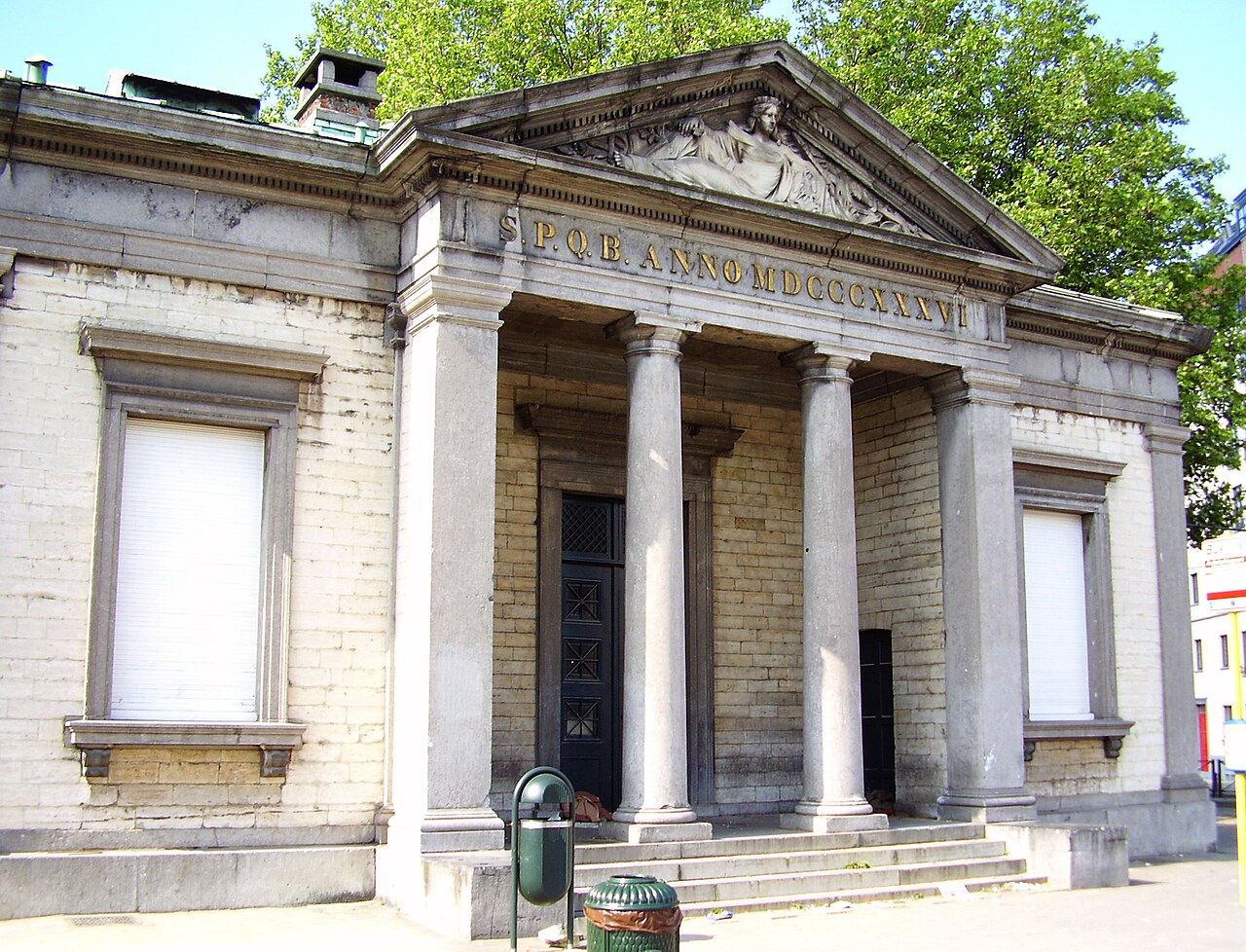
This place is a Museum. It opened in 1988. It is run by Brussels.
Brussels’s Sewer Museum, known locally as Musée des Égouts or Riolenmuseum, turns the city’s sanitation infrastructure into an industrial-heritage experience. The visit connects everyday urban life with the hidden engineering that carries wastewater beneath streets and buildings. Instead of presenting a conventional collection in decorated galleries, the museum’s subject is the working world of tunnels, channels, construction, and water management. It is an unusual Brussels attraction for travelers interested in infrastructure and the practical history of cities. The Sewer Museum in Brussels, locally known as Musée des Égouts or Riolenmuseum, offers visitors a distinctive underground exploration of the city's sanitation infrastructure. This unusual museum is situated within the actual working sewer system beneath Brussels, providing an authentic industrial heritage experience. The site reveals the engineering history and urban development connected to wastewater management. As a specialized industrial museum, it occupies a rare category of cultural institutions that transform functional civic infrastructure into educational visitor attractions. The museum's placement within active sewers creates an atmosphere unavailable in conventional exhibition spaces. The suitability depends on individual children and parental judgment. The underground environment features confined spaces, damp conditions, and authentic sanitation infrastructure that may discomfort some young visitors. Parents should assess their children's tolerance for enclosed spaces and unusual odors before visiting.
Checked 2026-08-26 · Source
The museum’s experience is built around sewer infrastructure and the systems that support urban sanitation. Visitors encounter tunnels, channels, brickwork, pipes, and structural elements as evidence of how Brussels manages water below ground. The setting gives engineering a tangible scale: instead of viewing a diagram alone, you see the physical passages and materials that make a city function. The strongest interest here lies in construction, public health, maintenance, and the relationship between underground works and life above the street.
Checked 2026-08-26 · Source
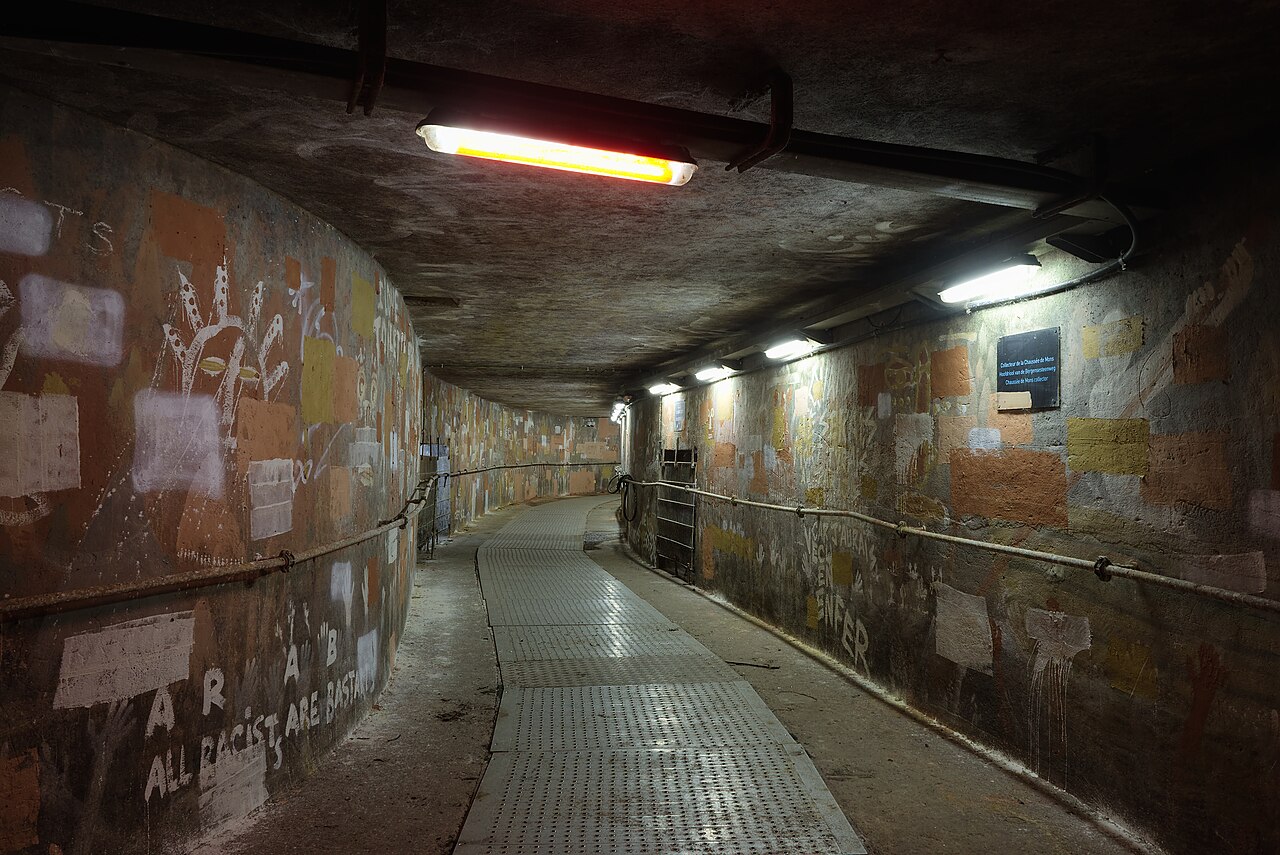
Plan the Sewer Museum as a compact but absorbing specialist visit. The amount of time you need depends on how much attention you give to the tunnels, construction details, and explanations of sanitation. Travelers who enjoy engineering or urban history may want to pause over the physical fabric of the site, while others may take a shorter route through the main spaces. Combine it with nearby Brussels sightseeing so the unusual underground visit anchors a broader day.
Checked 2026-08-26 · Source
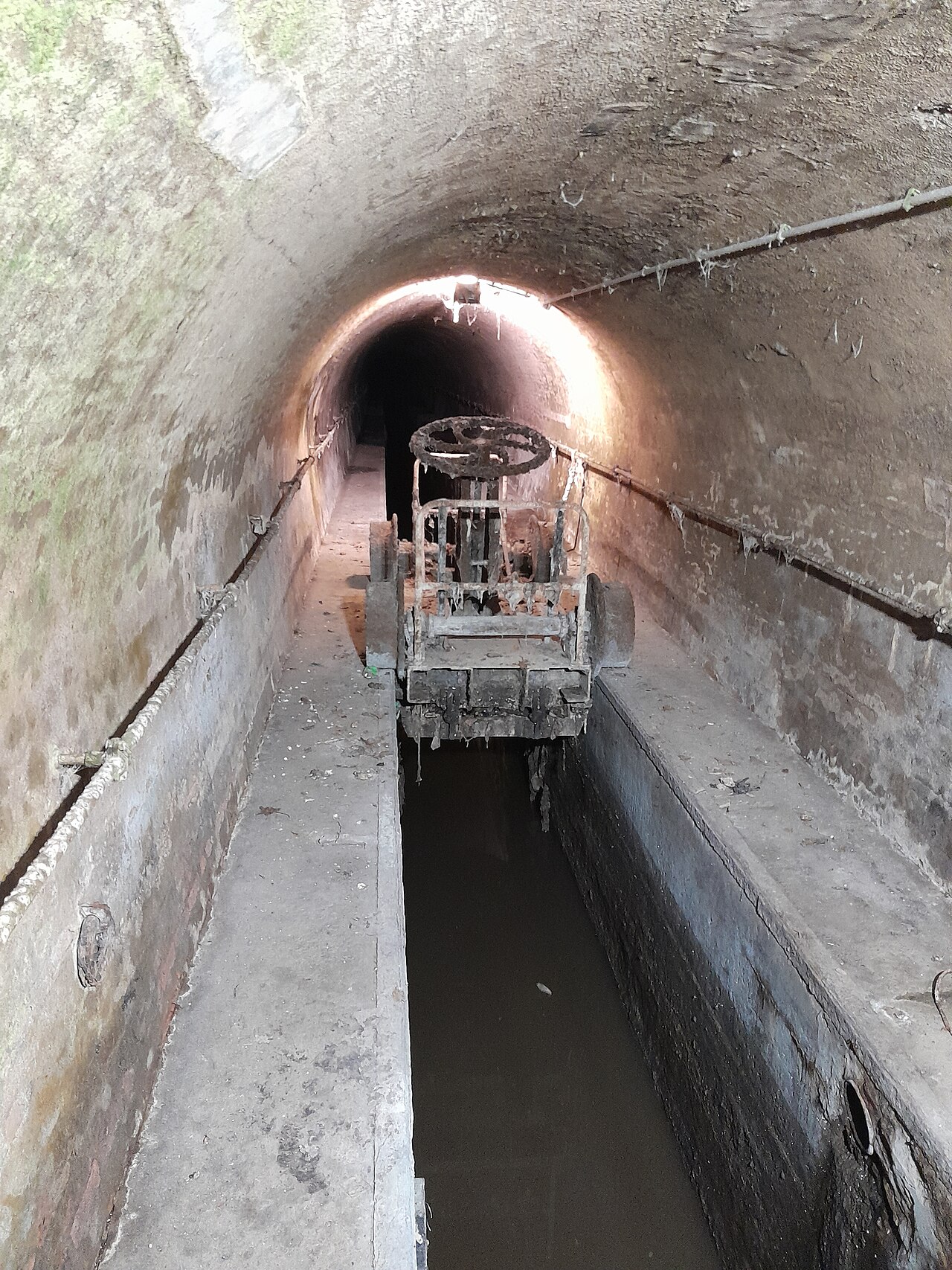
The underground setting makes the museum a strong option when Brussels weather is wet, cold, or unsuitable for a long outdoor walk. Its atmosphere is part of the attraction, so the visit feels different from a standard indoor museum even on a pleasant day. Plan around the museum’s access arrangements and your comfort with subterranean spaces. A route that combines the Sewer Museum with civic, architectural, or historical sights can explain how the hidden infrastructure relates to the city above.
Checked 2026-08-26 · Source
The available place information does not state an admission price or payment arrangement. Include the museum in your cultural itinerary without assigning it a precise cost in advance. The experience is valuable for its unusual subject and authentic infrastructure, not because it follows the format of a large art museum. If you are planning several paid attractions in Brussels, keep this stop as a separate budget item until your entry arrangements are settled.
Checked 2026-08-26 · Source
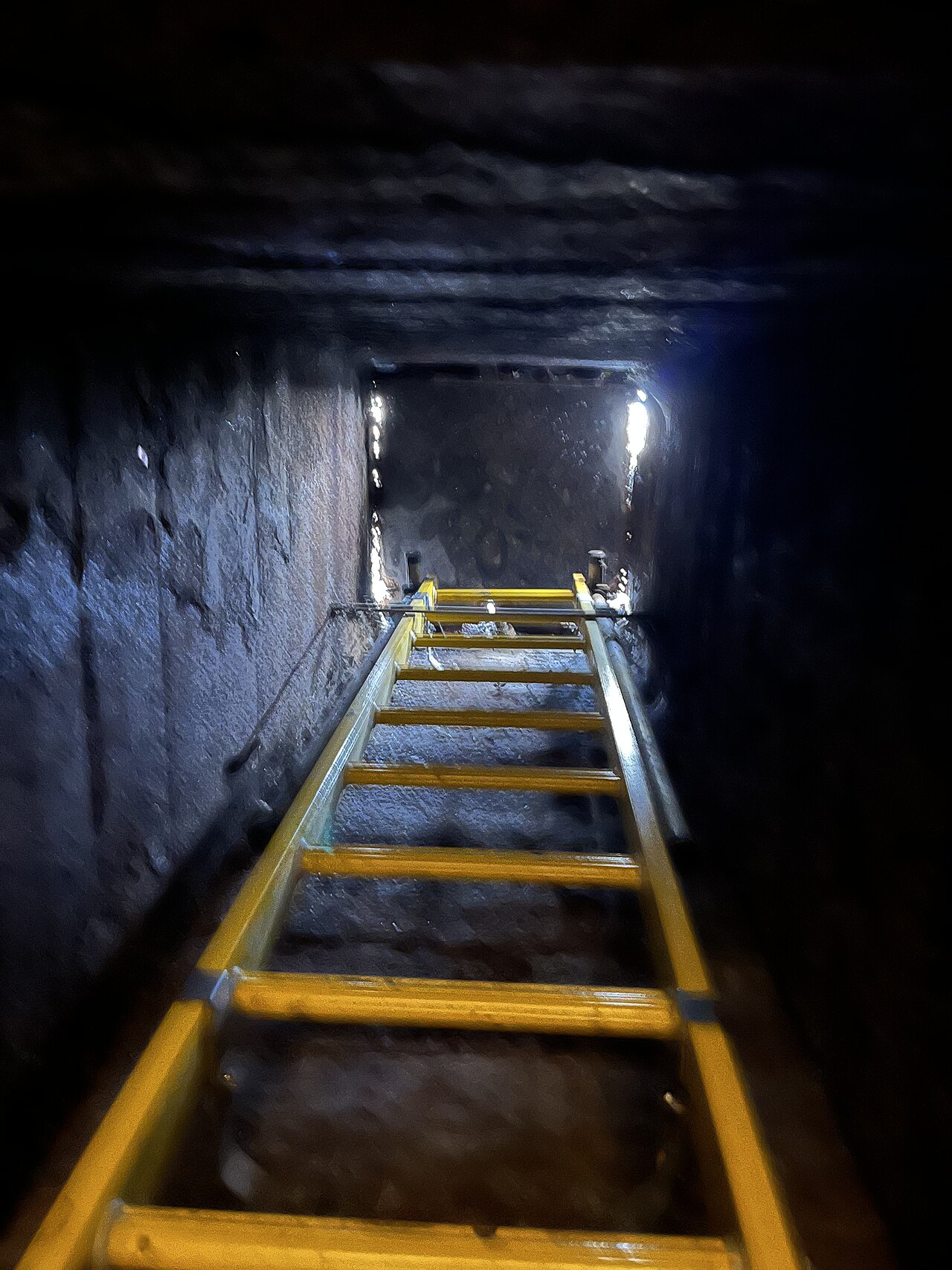
Use the museum’s mapped position to plan the route, then identify the public entrance before setting out. An underground attraction is less visually obvious than a monument or gallery, so accurate navigation matters more than simply reaching the surrounding neighborhood. Walking and public transport can both fit naturally into a Brussels day, while a route from another central sight lets you connect the museum with the city’s civic and engineering history. Leave room for the transition underground.
Checked 2026-08-26 · Source
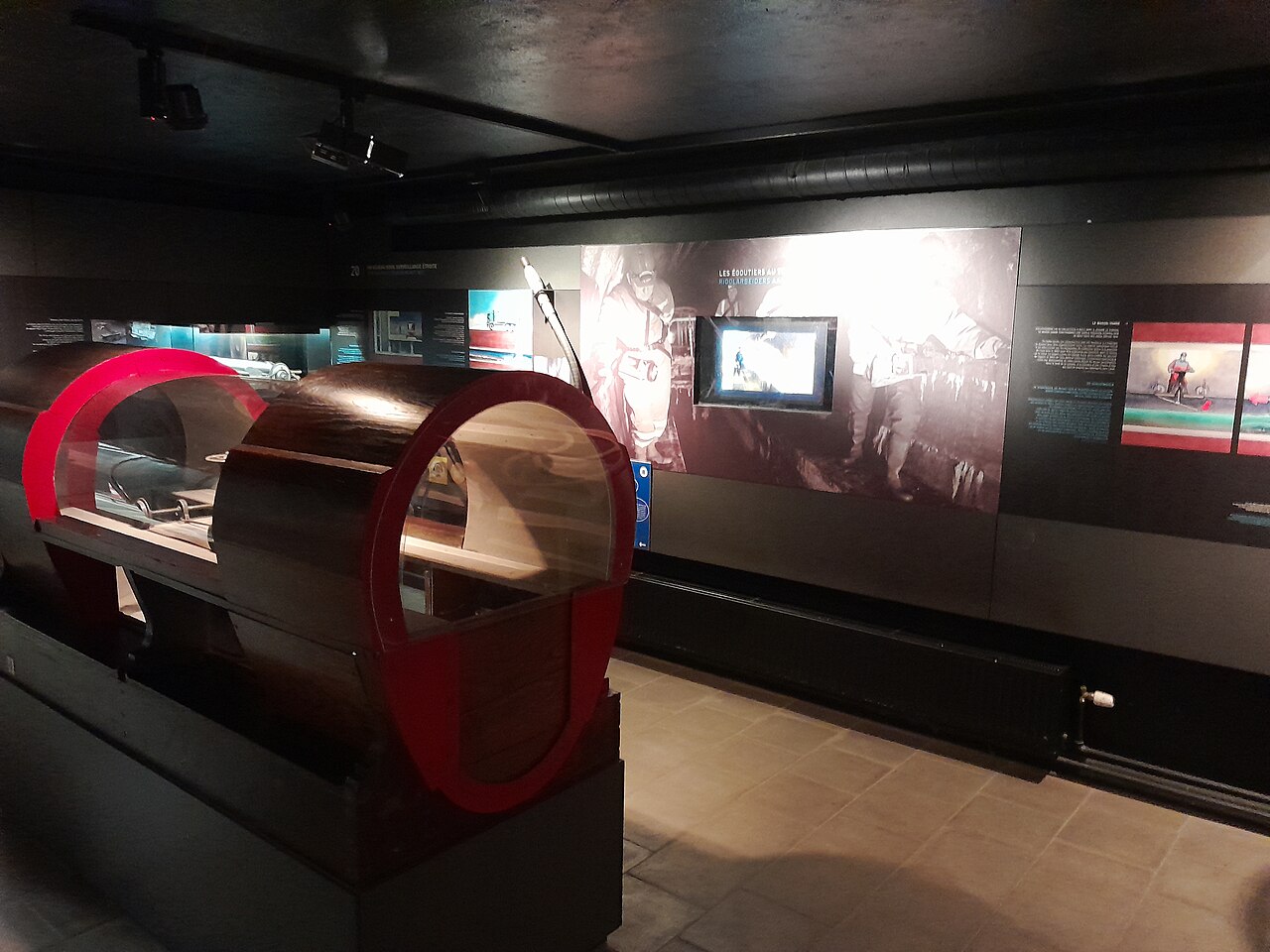
The Sewer Museum is an authentic underground environment, not a polished gallery. Expect the character of infrastructure: enclosed passages, hard surfaces, limited daylight, and the distinctive atmosphere of a sanitation site. Wear footwear suited to walking through an industrial setting and consider whether confined spaces are comfortable for everyone in your group. The subject can be fascinating for children and adults who enjoy how cities work, but the environment is more demanding than a conventional museum.
Checked 2026-08-26 · Source
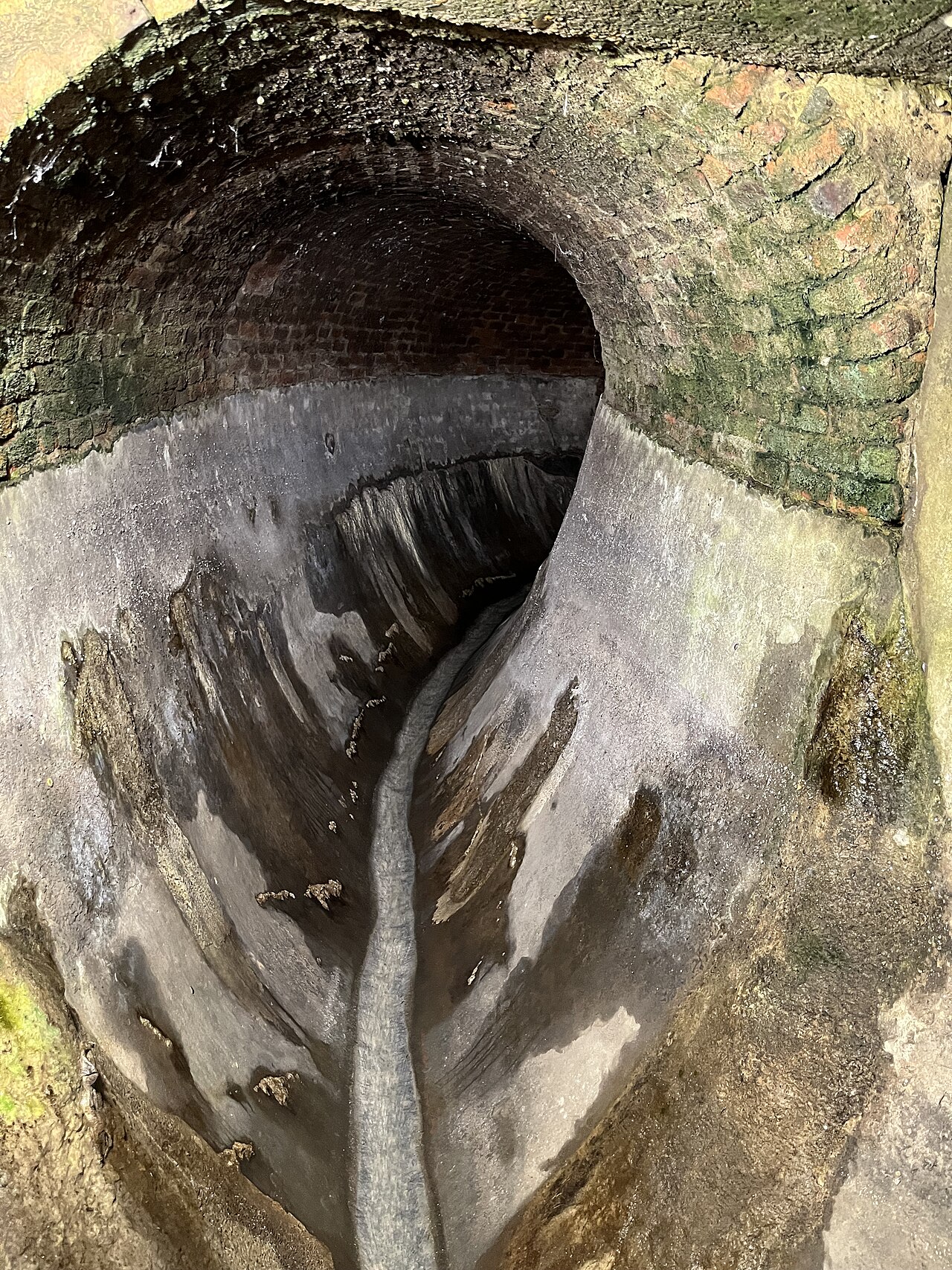
The museum offers unusual visual subjects: brick tunnels, channels, pipes, water-management structures, and the contrast between engineered geometry and the dark underground setting. Detail shots can communicate construction better than broad images, so look closely at joints, surfaces, arches, and changes in material. Keep equipment compact in confined passages and avoid interrupting the movement of other visitors. The atmosphere is central to the experience, making restrained, observational photography more effective than staged poses.
Checked 2026-08-26 · Source
It is an industrial-heritage museum centered on Brussels’s underground sewer infrastructure and sanitation history.
Visitors encounter tunnels, channels, pipes, brickwork, and structural elements connected with urban wastewater management.
Its subject is presented through real underground infrastructure rather than a conventional collection of detached museum objects.
It suits travelers interested in engineering, public health, urban history, architecture, infrastructure, and the practical workings of cities.
The experience takes place underground, within the physical environment associated with Brussels’s sewer system.
Pay attention to tunnels, brickwork, channels, pipes, water management, and the connection between underground systems and city life above.
Loading the interactive map…
The interactive map could not be loaded.
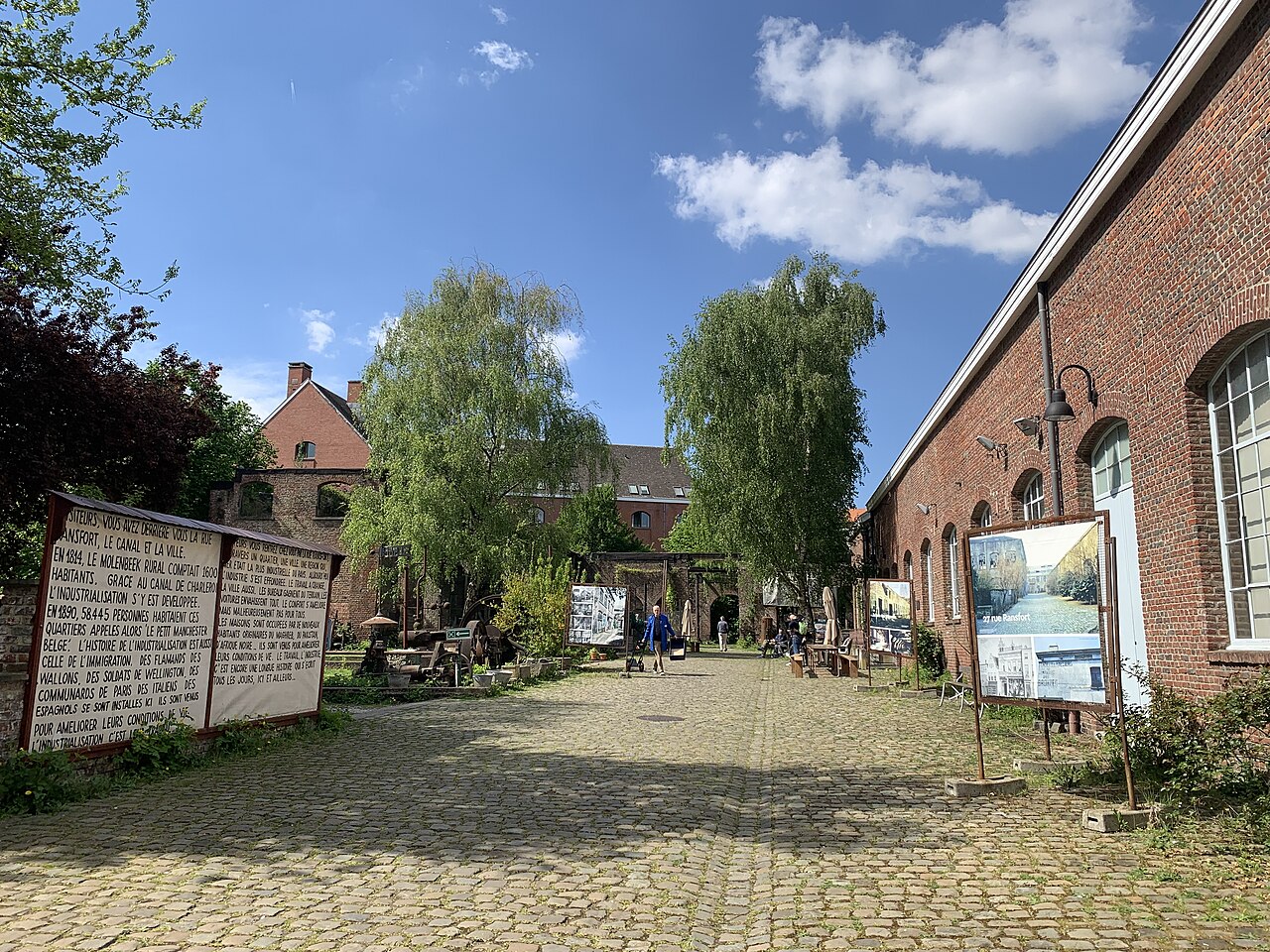
Last updated:
Source: OpenStreetMap contributors, Wikidata ·