.jpg)
_of_1923_used_at_ETS_Windelinckx,_Sint-Pieters-Leeuw.jpg)


12 min walk
Sewer Museum
- High
- Museum
Museum · Brussels
La Fonderie
| Monday | Closed |
|---|---|
| Tuesday | 10:00 – 17:00 |
| Wednesday | 10:00 – 17:00 |
| Thursday | 10:00 – 17:00 |
| Friday | 10:00 – 17:00 |
| Saturday | 10:00 – 17:00 |
| Sunday | 10:00 – 17:00 |
Parsed from OpenStreetMap opening hours on 2026-09-09.
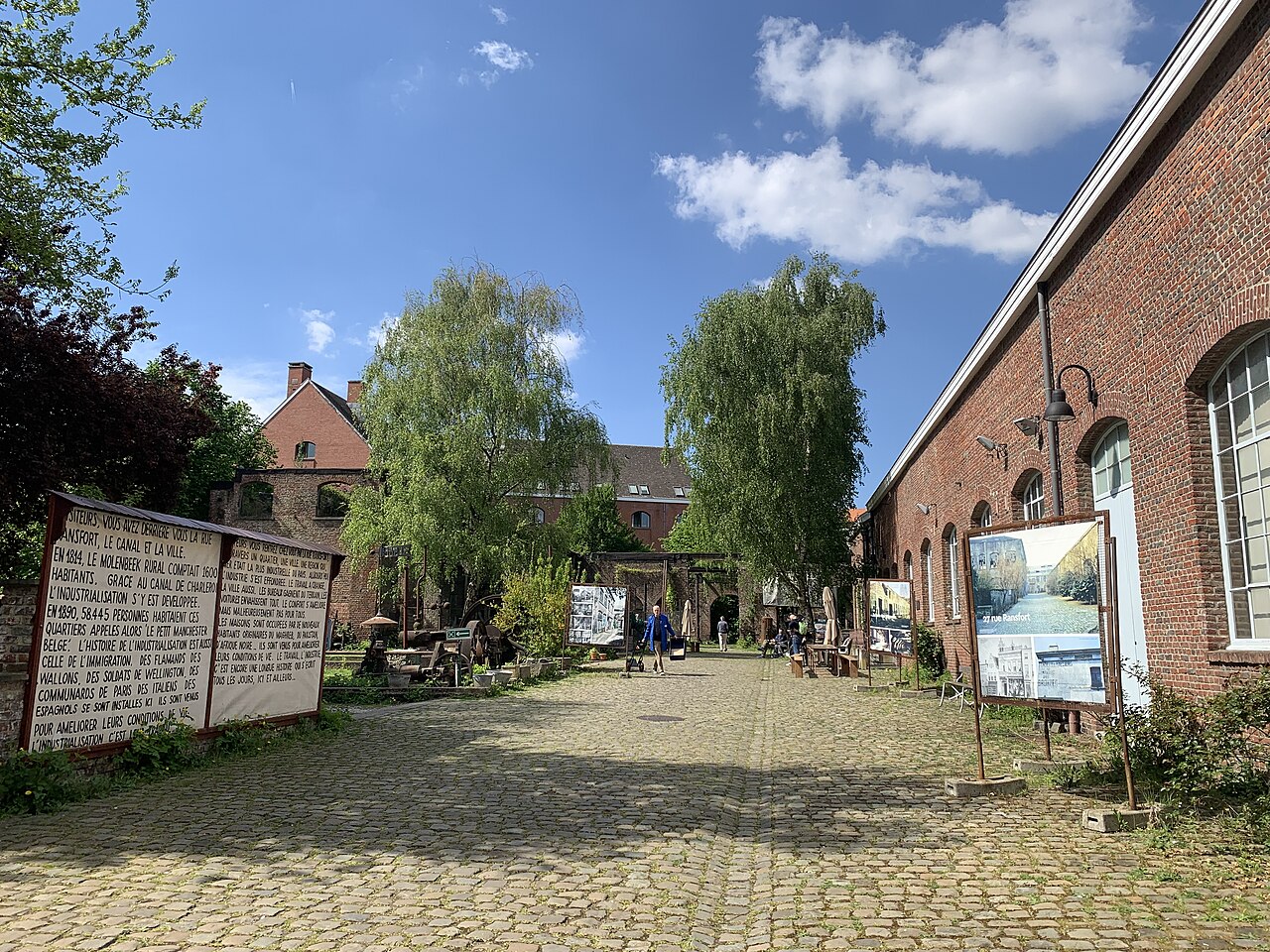
La Fonderie, the Brussels Museum of Industry and Labour, presents the industrial history of Brussels and its surrounding region. The museum occupies a former industrial site, making the setting part of the subject. Its collections connect machinery, production and working life with the city’s economic development. This is a strong choice for travellers interested in urban history, technology and the social experience of labour. La Fonderie, Brussels Museum of Industry and Labour is a museum dedicated to preserving and presenting the industrial heritage of Brussels and its surrounding region. The museum occupies a former industrial site, reflecting its thematic focus on manufacturing history, working conditions, and technological development. It serves as a cultural institution documenting the transformation of Brussels from an industrial centre to a post-industrial capital. The museum's collections and exhibitions explore the social and economic dimensions of labour, making it relevant for visitors interested in urban history, sociology, and European industrialisation patterns. Its location in Brussels connects it to Belgium's significant role in continental industrial development.
Checked 2026-08-26 · Source
The museum brings together machinery, tools, industrial processes, photographs, documents and material connected with working life. Displays cover trades such as metalworking and textiles, showing how production shaped Brussels communities. The objects are most rewarding when viewed together with the social history around them: technology changed workplaces, skills and neighbourhoods as well as output. Give equal attention to the equipment and the people whose labour made it useful. The museum contains collections related to industrial processes, machinery, tools, and documents illustrating working life in Brussels. Exhibits cover various sectors including metalworking, textiles, and other manufacturing trades that shaped the region. Educational displays may explain technological evolution and its impact on workers and communities. Visitors should consult the museum directly for current exhibition schedules and featured collections, as display configurations may change according to curatorial programmes and conservation requirements.
Checked 2026-08-26 · Source

Allow one to two hours for a substantial visit. That gives enough time to examine machinery and tools, read the historical explanations and connect industrial change with everyday working life. Visitors with a strong interest in industrial archaeology, labour history or technology may want longer. A quick visit can still provide a useful overview, but the museum becomes more rewarding when you pause over photographs, documents and the stories behind the equipment.
Checked 2026-08-26 · Source

La Fonderie is a practical Brussels destination in poor weather because the main experience is indoors. Choose a quieter part of the day if you want to read labels and study the machinery without interruption. The museum also suits travellers building an itinerary around the city’s industrial and working-class history. Leave room for a measured visit: the subject is easier to understand when the displays are not rushed.
Checked 2026-08-26 · Source
The museum is best planned as a dedicated industrial-history stop. Its value comes from the former industrial environment and the relationship between objects, machines and workers, so allow enough time to engage with the displays rather than treating it as a brief photo stop. If you are travelling with a particular historical interest, organise the day around the museum’s subject and preserve time for reading.
Checked 2026-08-26 · Source

La Fonderie lies within Brussels and fits a city itinerary based on public transport, walking or cycling. Use the mapped museum location to plan the route and the final walk. The former industrial setting gives the destination a different character from central art museums, so allow time for the journey and orientation. Driving into Brussels can be less convenient than using the city’s transit network and walking from the nearest practical stop.
Checked 2026-08-26 · Source

Industrial heritage spaces can include machinery, barriers, uneven surfaces, dim areas or strong ambient sounds. Stay within marked visitor routes and give equipment a wide berth. The bilingual Brussels setting also means exhibition language can vary, so the visual evidence and objects may carry as much meaning as the written labels. Keep children close to adults around machinery and respect staff instructions wherever access is limited.
Checked 2026-08-26 · Source
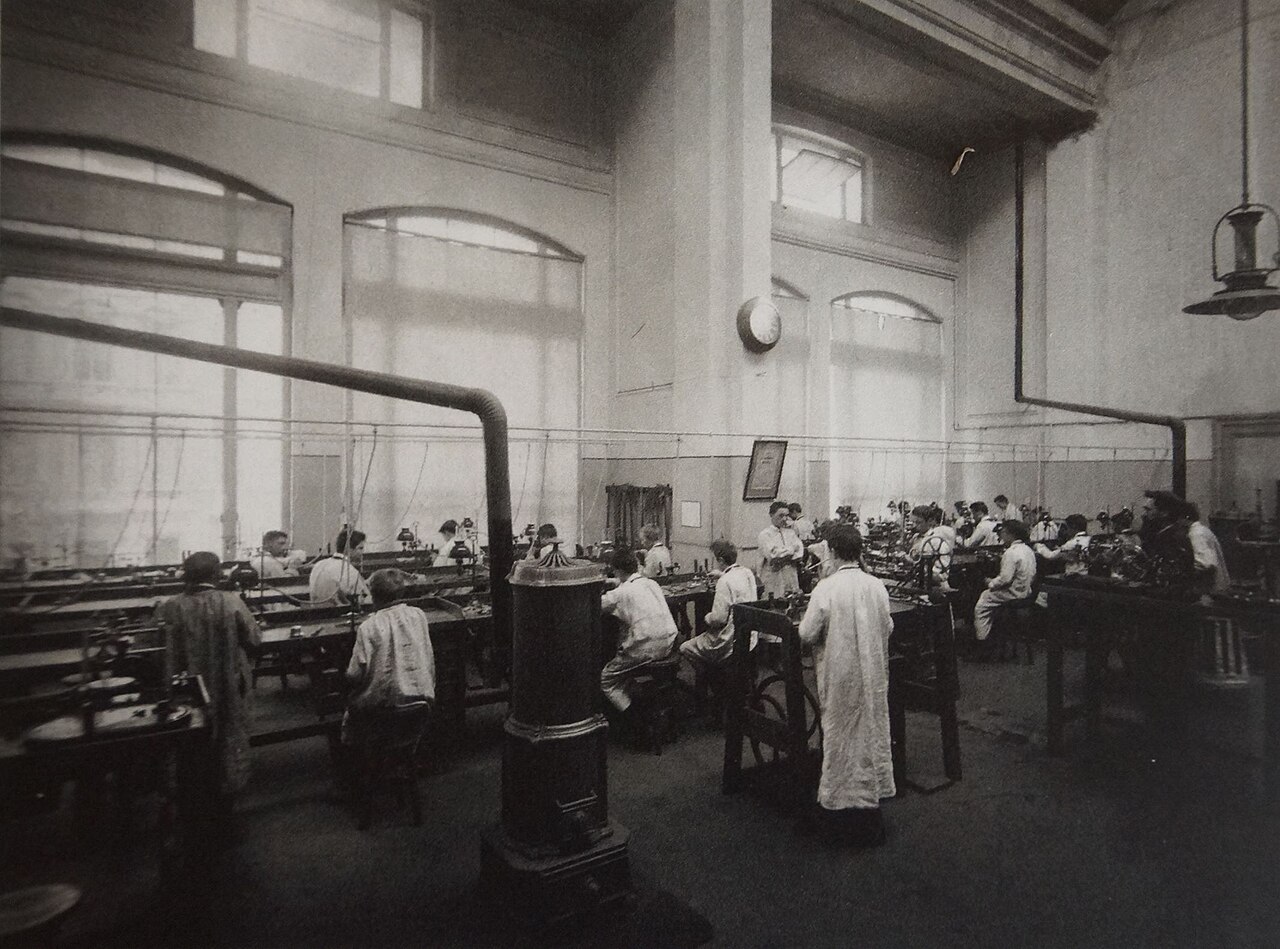
The machinery, tools and former industrial surroundings offer strong subjects for personal photography, but keep the activity unobtrusive. Follow signs for each gallery or object, avoid flash where it could disturb other visitors, and do not cross barriers to frame equipment. Large camera supports and selfie sticks can obstruct narrow routes. Photograph the relationship between machines and space, while preserving a clear path for other visitors.
Checked 2026-08-26 · Source
It explores Brussels industrial heritage, manufacturing, technology, working conditions and the history of labour.
The museum presents machinery, tools, photographs, documents and displays about industrial working life.
Plan about one to two hours for the collections, machinery and explanatory displays.
The museum occupies a former industrial site, so the setting reinforces its focus on manufacturing and labour.
The displays address sectors including metalworking, textiles and other manufacturing trades that shaped Brussels.
Yes. Machinery, tools and technological change are central to the museum’s industrial-history displays.
Loading the interactive map…
The interactive map could not be loaded.
Last updated:
Source: OpenStreetMap contributors, Wikidata ·