

15 min walk
Train World
- Must see
- Museum
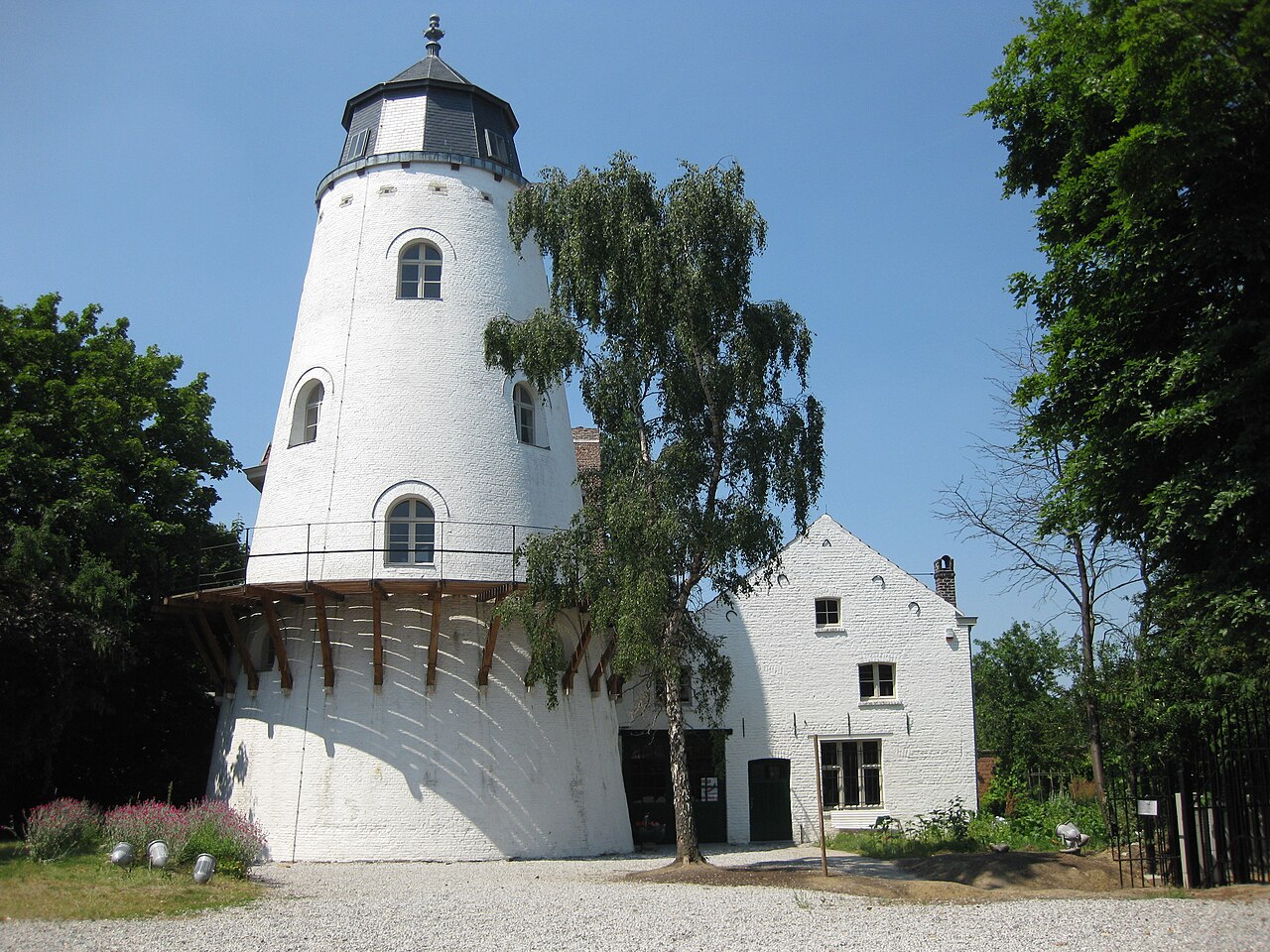
Museum · Brussels
Musée bruxellois du Moulin et de l'Alimentation - Brussels Museum van de Molen en de Voeding
Brussels Museum van de Molen en de Voeding, or Musée bruxellois du Moulin et de l’Alimentation, brings together the history of milling and the wider story of food. It is a specialized museum for travelers interested in industrial heritage, grain processing, nutrition, agricultural development, and culinary culture. The subject links mechanical technology with an everyday question: how food moves from raw material to the table. The Brussels Museum van de Molen en de Voeding, locally known as Musée bruxellois du Moulin et de l'Alimentation, is a museum in Brussels dedicated to mills and food. Its dual focus explores the historical technology of milling alongside the broader subject of food and nutrition. The institution preserves industrial heritage related to grain processing and examines how milling shaped food production. As a specialized museum, it serves visitors interested in technical history, agricultural development, and culinary culture within the Brussels region. Brussels operates officially in Dutch and French, so exhibitions may use either or both. The technical subject matter may interest older children; families should verify age-appropriate programming directly.
Checked 2026-08-26 · Source
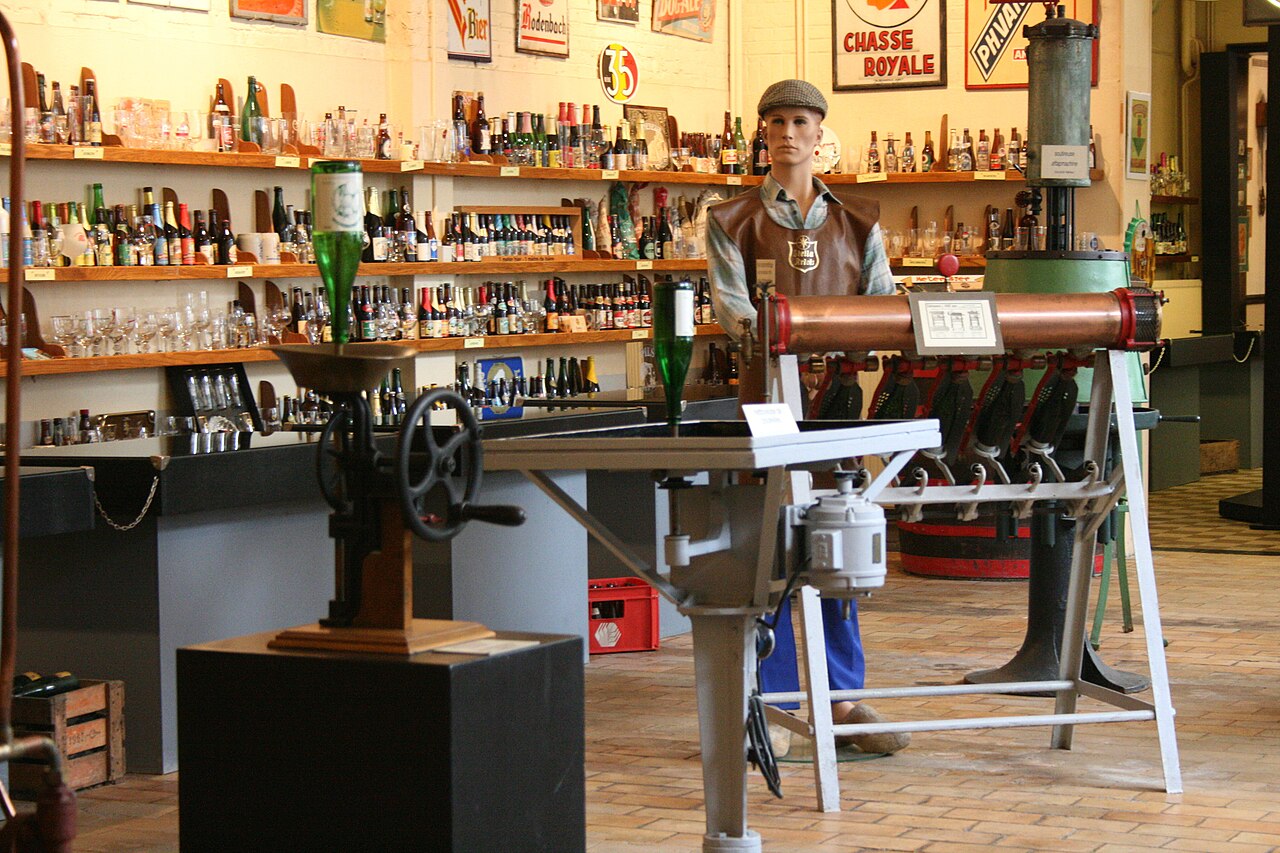
The museum’s themes center on millstones, grinding equipment, machinery, grain processing, and explanations of food practices. Displays connect the technical work of turning grain into flour with the social and nutritional role of food. Look closely at the relationship between tools and processes rather than expecting a collection of unrelated culinary objects. The museum offers a practical lens on production, nourishment, and the history of eating. The museum's collections center on milling equipment, machinery, and documentation of food-related practices. The food component may encompass displays on nutrition, food preparation, and the social history of eating. Visitors should consult the museum directly or verify through current listings for precise details about displayed artifacts and any temporary presentations.
Checked 2026-08-26 · Source
Reserve about one to two hours for a considered visit through the milling and food displays. Visitors drawn to machinery may spend longer studying how grinding equipment works, while those more interested in nutrition or culinary history can focus on the food-related explanations. The museum is compact enough to combine with another Brussels activity, but its technical subject deserves more than a hurried walk-through. Museums of comparable scope and specialization generally require between one and two hours for a thorough experience. The actual time needed depends on individual interest in mechanical and food history, reading depth for explanatory texts, and whether guided elements or multimedia components are available. Visitors with strong enthusiasm for industrial heritage or culinary topics may wish to allocate additional time.
Checked 2026-08-26 · Source
This museum is a good choice when you want an indoor cultural stop with a clear, practical subject. Visit when you have enough time to read and compare the machinery with the food processes it supported. It can balance a day of major Brussels landmarks by shifting attention from monumental architecture to the technologies and habits that shaped ordinary life.
Checked 2026-08-26 · Source
Approach the museum as a focused heritage experience rather than a broad city attraction. The strongest reason to include it is the connection between mechanical innovation and food culture. It is especially rewarding for travelers who enjoy museums about work, agriculture, engineering, and daily life. Combine it with a meal or market visit in Brussels to continue the food story beyond the galleries.
Checked 2026-08-26 · Source
Include the museum in a Brussels route using the city’s public transport network, with metro, tram, bus, and regional rail connections supporting movement across the capital. Walking works well once you are in the surrounding neighborhood. If you are driving, treat the museum as one stop in a wider route and plan around the practical limits of parking in a dense urban environment.
Checked 2026-08-26 · Source
The museum’s technical focus may appeal most to visitors who enjoy machinery, production, and detailed explanations. Dutch and French are central languages in Brussels, and the bilingual character of the city is part of the setting. Take care around historic equipment and keep the galleries comfortable for other visitors. The museum works best when approached with curiosity about ordinary food systems, not only famous sights.
Checked 2026-08-26 · Source
Millstones, machinery, tools, and food-related displays can make strong photographs because they show both texture and function. Frame equipment with its explanatory material when possible, so the image preserves the connection between object and process. Follow gallery instructions, keep flash off where restricted, and avoid blocking narrow viewing areas. A short visual sequence can explain milling more effectively than one isolated detail.
Checked 2026-08-26 · Source
It explores milling, grain processing, food production, nutrition, agricultural development, and the social history of eating.
The subject includes millstones, grinding apparatus, machinery, and other material connected with transforming grain into flour and food products.
Yes. Its dual focus connects the technology of milling with nutrition, preparation, culinary culture, and the everyday role of food.
Allow approximately one to two hours, with additional time useful for visitors who enjoy studying mechanical details and technical explanations.
It is a strong choice for travelers interested in industrial heritage, engineering, agriculture, food systems, nutrition, and the history of daily life.
Continue the food story through a Brussels meal, market, or culinary walk, using the museum’s explanations to think about production and nourishment.
Loading the interactive map…
The interactive map could not be loaded.
Last updated:
Source: OpenStreetMap contributors, Wikidata ·