

.JPG)


2 min walk
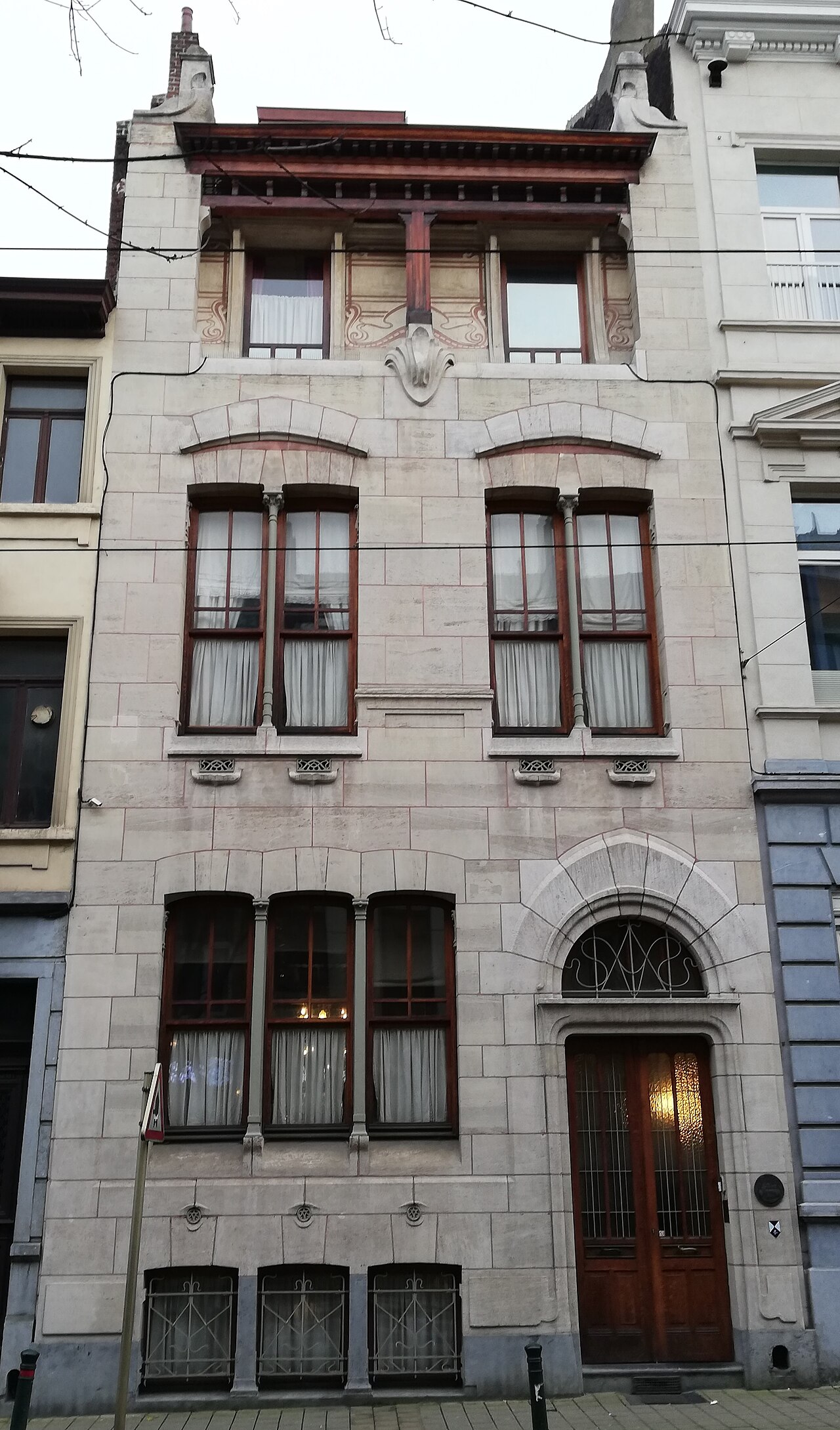
Autrique House
- Notable · Heritage site
- Museum
Language · 11 published
Museum · Brussels
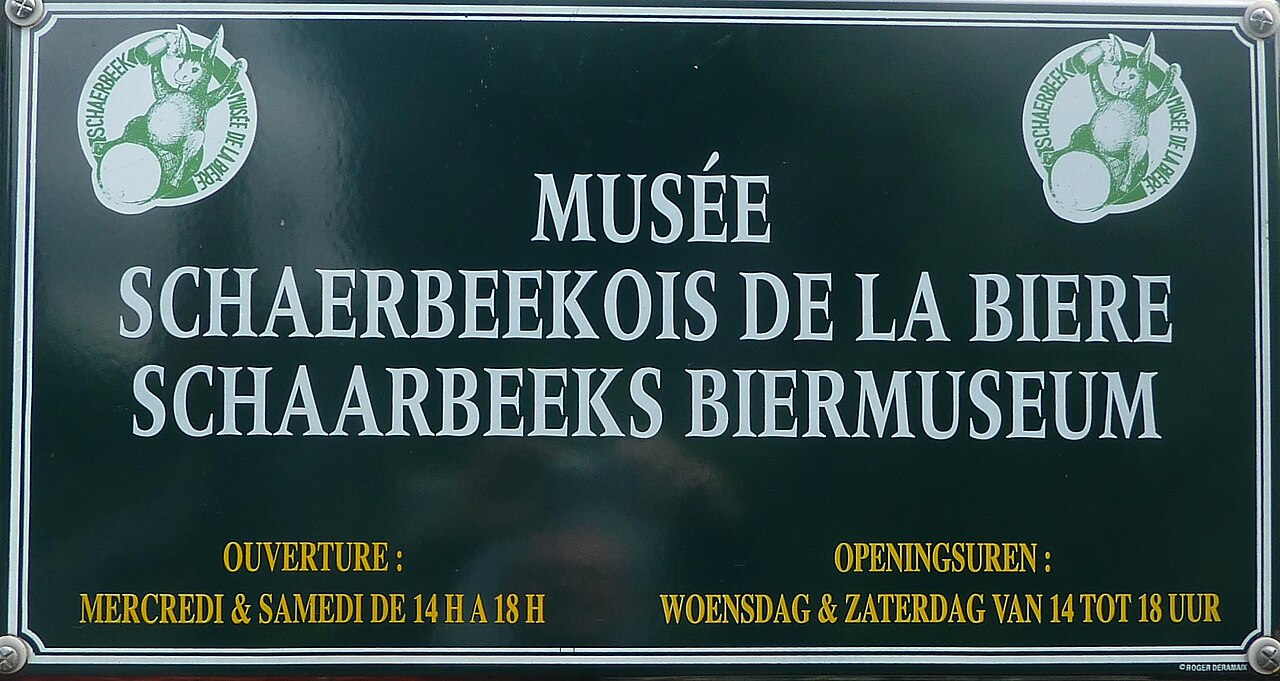
Musée schaerbeekois de la bière - Schaarbeeks Biermuseum
Reviewed by Elena Voss · Roavina Travel Editor
| Monday | Closed |
|---|---|
| Tuesday | Closed |
| Wednesday | 14:00 – 18:00 |
| Thursday | Closed |
| Friday | Closed |
| Saturday | 14:00 – 18:00 |
| Sunday | Closed |
Parsed from OpenStreetMap opening hours on 2026-09-09.
This place is a Museum.
Schaerbeek Beer Museum, also called Musée schaerbeekois de la bière or Schaarbeeks Biermuseum, is a Brussels museum devoted to beer history and culture. Its setting in Schaerbeek gives the visit a local focus while connecting the municipality with wider Belgian brewing traditions. It suits travelers who want cultural context, historic objects, and a quieter alternative to Brussels’ best-known central attractions. The Schaerbeek Beer Museum, locally known as Musée schaerbeekois de la bière or Schaarbeeks Biermuseum, is a museum in the Brussels municipality of Schaerbeek dedicated to the history and culture of beer. It occupies a building identified by the OpenStreetMap way 228053858. The museum preserves and presents brewing heritage connected to the Schaerbeek area and broader Belgian beer traditions. Belgian beer culture holds UNESCO recognition as Intangible Cultural Heritage, providing relevant context for this institution's cultural significance within Brussels. The entry-specific source identifies this exact visitor POI. The museum focuses on beer history, which may or may not include content designed for younger visitors. Parents should assess based on children's interests in history and museums generally.
Checked 2026-08-26 · Source
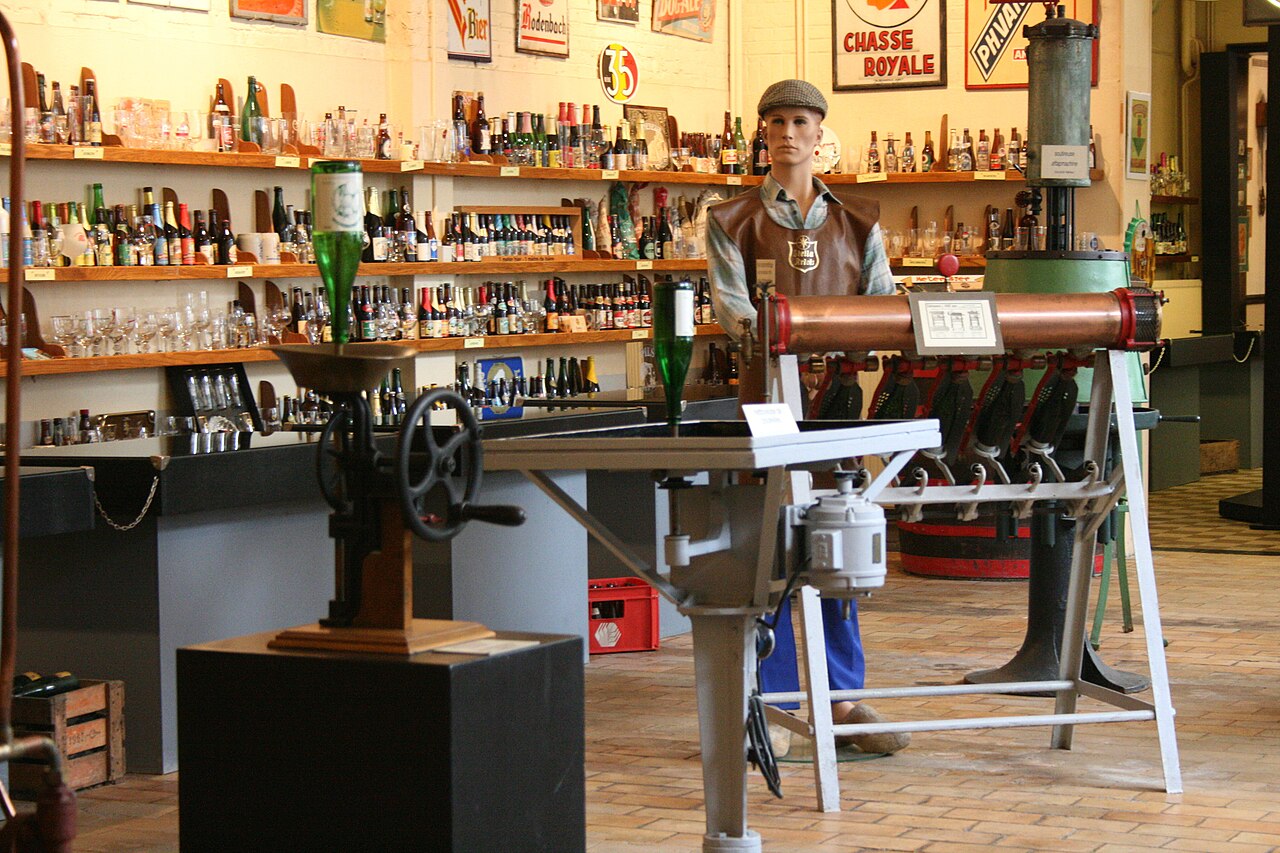
The museum’s subject is the material and social world of beer: how it was produced, presented, sold, and enjoyed. Expect a visit shaped by brewing heritage, local associations, bottles, labels, advertising, tools, and historical interpretation. The Schaerbeek setting adds a neighborhood perspective to Belgium’s broader beer story. Travelers interested in design, industrial history, food culture, or everyday life will find several useful angles for looking at the displays. The museum's collections relate to beer production, consumption, and social history. The Schaerbeek connection may reflect historical breweries or drinking establishments in this northeastern Brussels municipality. Visitors should expect a focus on material culture and historical narrative rather than contemporary commercial beer production or tasting facilities.
Checked 2026-08-26 · Source
Allow enough time to move through the displays without rushing the labels and smaller objects. Beer enthusiasts may linger over brewing equipment, packaging, and local references, while visitors making a short cultural stop can keep the experience focused on the main exhibits. The museum works well as one part of a Schaerbeek walking day, especially when paired with nearby streets, cafés, or other neighborhood sights. Small municipal museums of this nature commonly require between forty-five minutes and two hours for a comprehensive experience, depending on individual interest in brewing history and the density of exhibited material. Visitors with specialized knowledge of Belgian beer or industrial heritage may spend additional time examining technical artifacts. Those with limited time or passing interest might complete a basic walkthrough more quickly.
Checked 2026-08-26 · Source
Because this is an indoor museum, it can strengthen a Brussels day affected by rain or cool weather. A weekday visit may provide a calmer atmosphere for reading and examining the collection, while a weekend can suit travelers building a broader leisure outing in Schaerbeek. Plan the museum alongside nearby activities rather than treating it as a stop that depends on outdoor conditions.
Checked 2026-08-26 · Source
The museum is a compact cultural attraction whose main value lies in its beer-history displays and local character. Keep your visit flexible within a Brussels itinerary, since the practical arrangements for entry are separate from the historical experience itself. Travelers should think of the museum as a focused heritage stop, particularly rewarding for people who want more than a brewery visit or a tasting-room experience.
Checked 2026-08-26 · Source
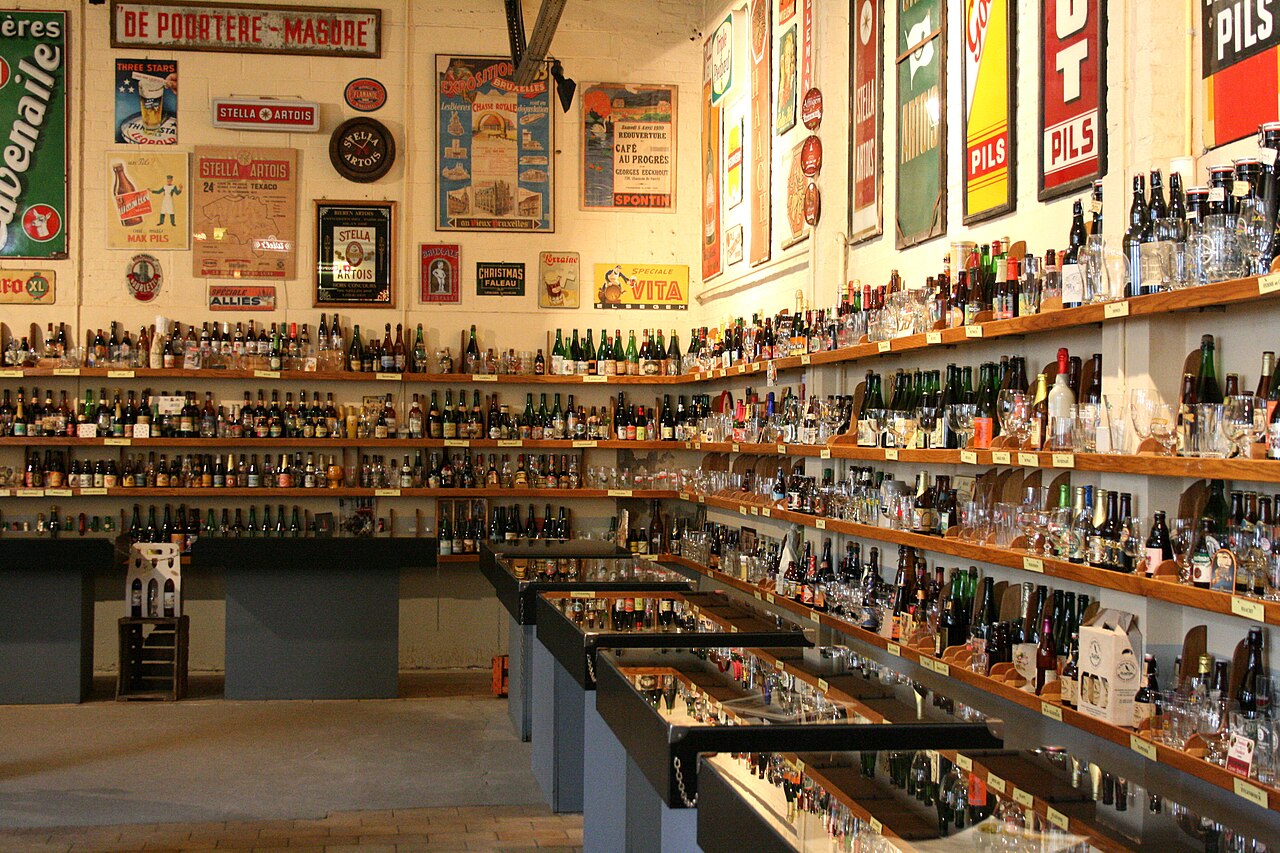
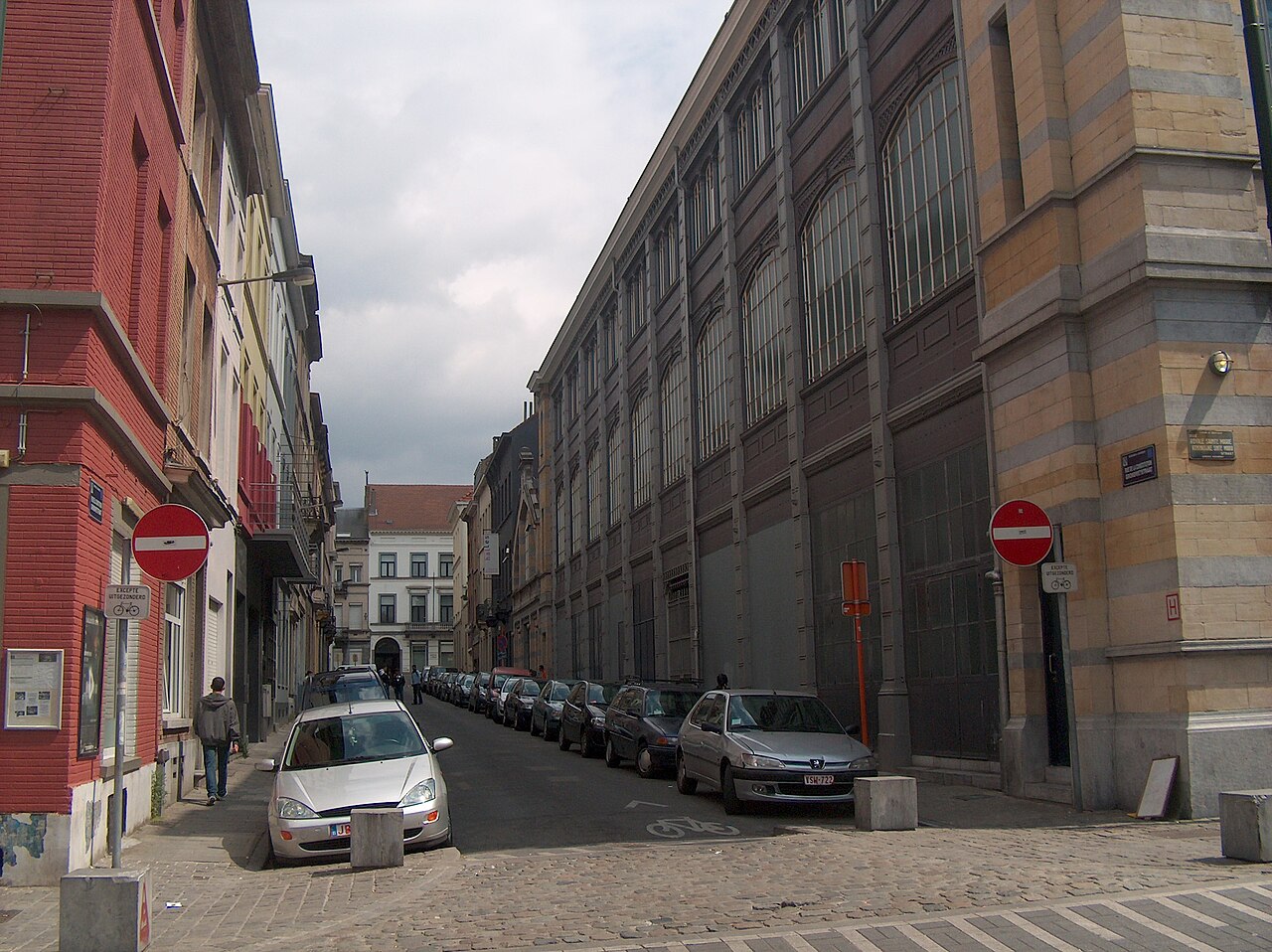
Schaerbeek lies northeast of Brussels’ historic center and is integrated into the capital’s urban transport network. Reach the neighborhood by public transport or combine the museum with a walk through the surrounding streets. Travelers driving should remember that urban parking can be difficult. A map route using the museum’s mapped OpenStreetMap feature is the clearest way to connect this stop with the rest of the day.
Checked 2026-08-26 · Source
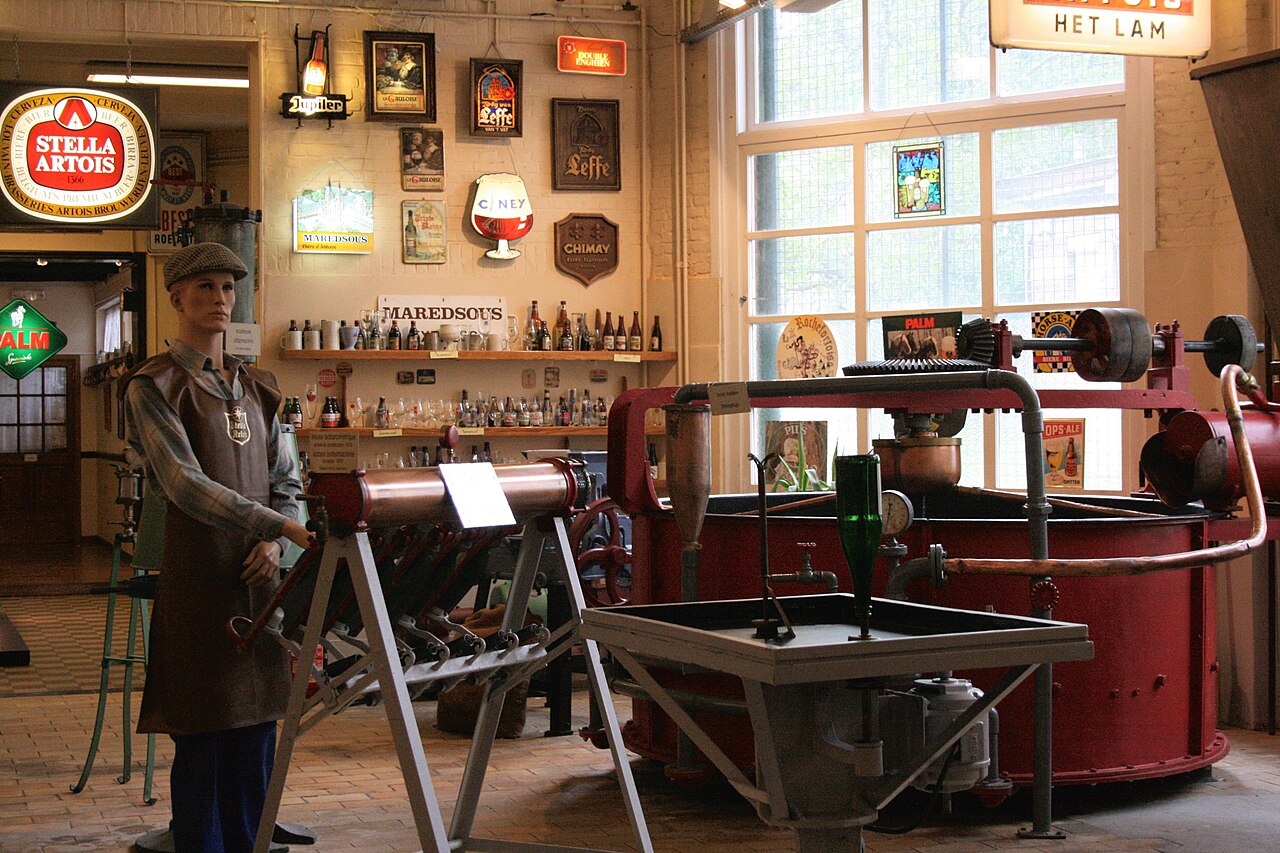
The experience centers on heritage interpretation rather than a modern brewery production floor. Give attention to the language of labels and the scale of the objects, since smaller museums often reward patient looking more than a quick circuit. Schaerbeek is an active urban municipality, so combine museum time with ordinary city awareness when walking between the venue and other parts of Brussels.
Checked 2026-08-26 · Source
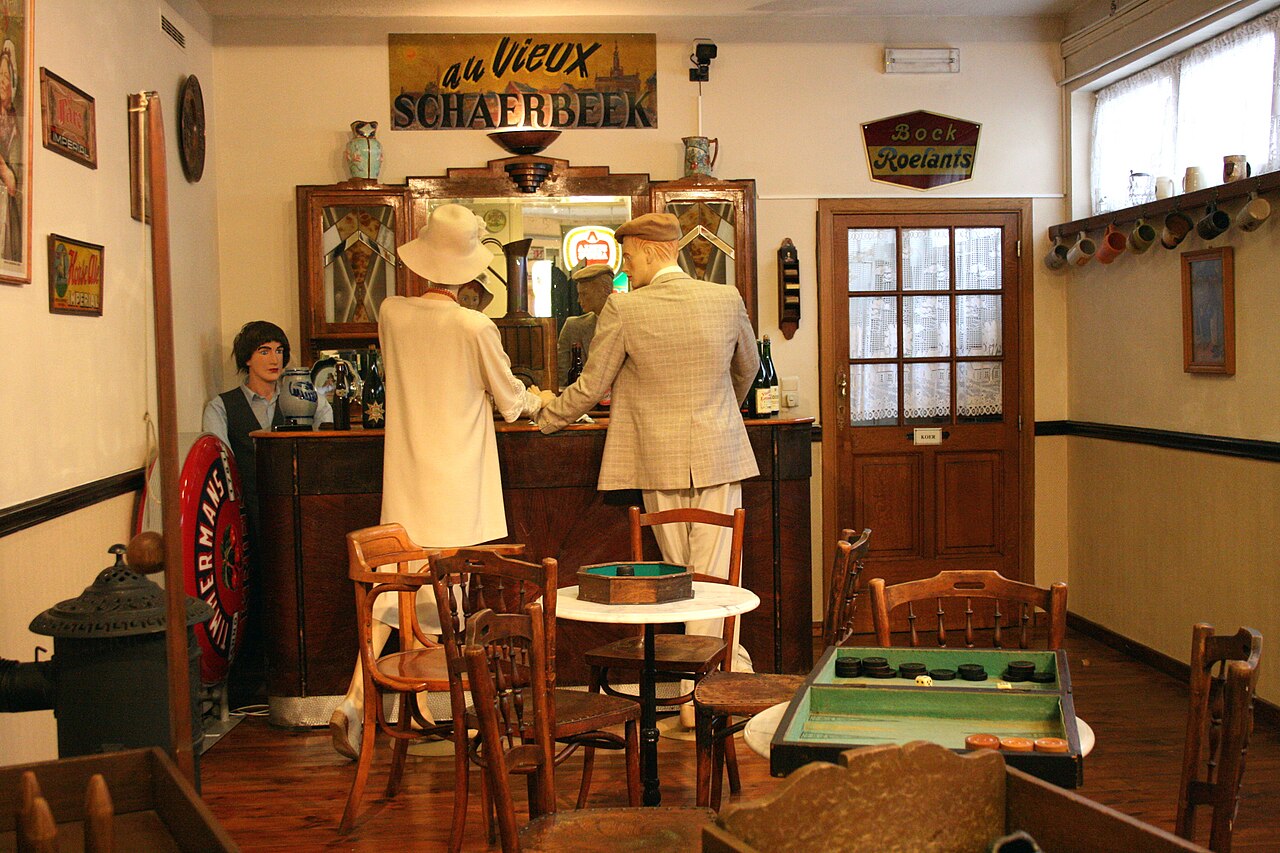
Treat the displays as museum objects and follow any signs or staff directions about cameras. The most rewarding photographs may be close studies of labels, bottles, tools, and graphic design, provided image-making does not interrupt other visitors. The museum’s subject also offers a visual record of Belgian beer culture, so look for contrasts between practical brewing equipment and the colorful identity of historic brands.
Checked 2026-08-26 · Source
It explores the history and culture of beer, with a local Schaerbeek perspective and connections to Belgian brewing heritage.
It offers a focused neighborhood museum experience for travelers interested in beer, industrial heritage, packaging, design, and local history.
The attraction is presented as a museum devoted to beer history and culture, making it a heritage stop rather than a standard brewery tour.
It is in Schaerbeek, a municipality in the northeastern part of Brussels.
It places local beer heritage within the wider Belgian tradition of brewing, presentation, and social drinking culture.
It is especially suitable for travelers who enjoy local museums, Belgian beer culture, historic objects, graphic design, and industrial history.
Loading the interactive map…
The interactive map could not be loaded.
Last updated:
Source: OpenStreetMap contributors, Wikidata ·