
5 min walk
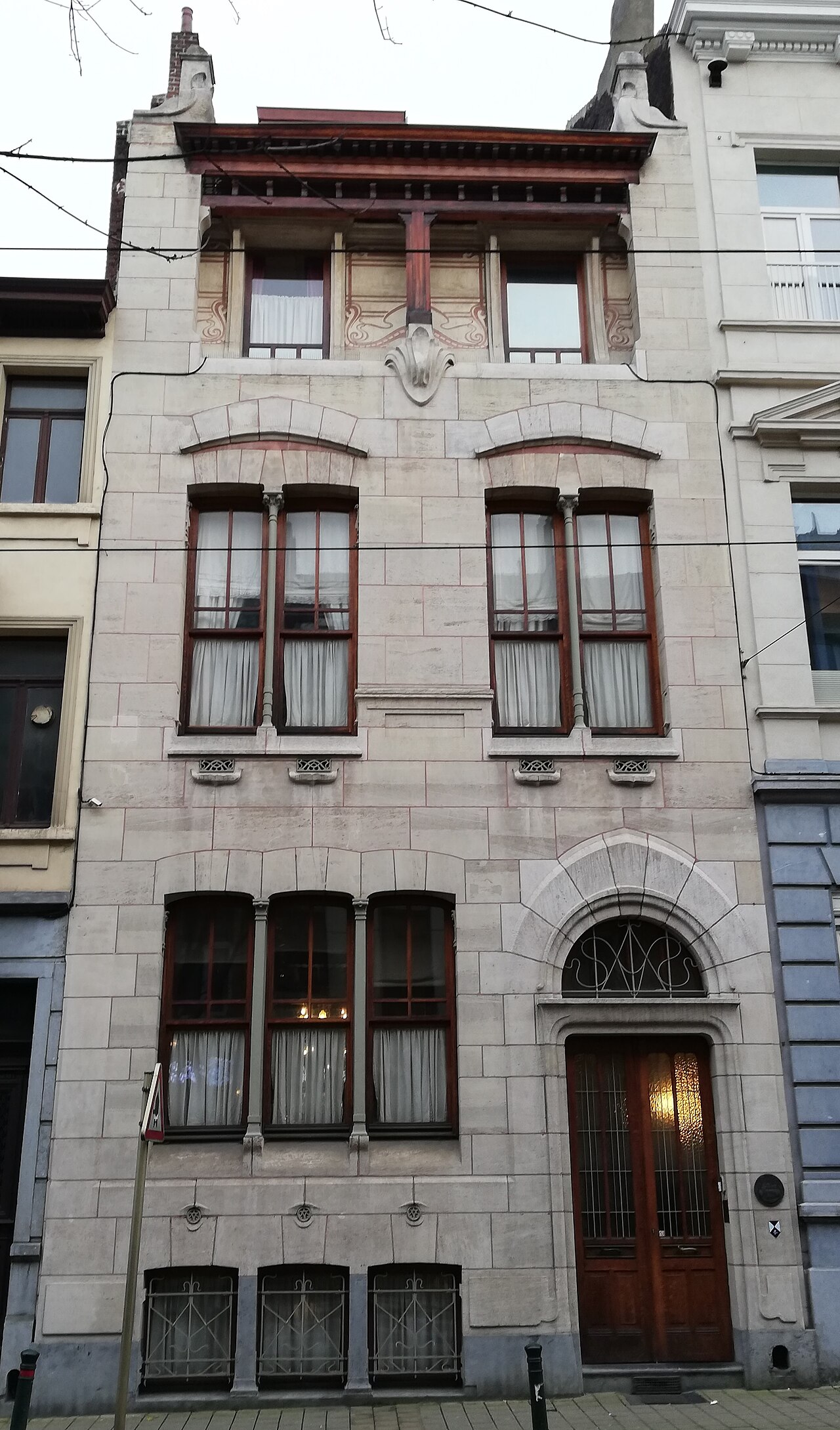
Autrique House
- Notable · Heritage site
- Museum
Language · 11 published
Museum · Brussels
Musée d’Art Spontané - Museum voor Spontane Kunst
Reviewed by Elena Voss · Roavina Travel Editor
This place is a Museum.
Museum voor Spontane Kunst, also known as Musée d’Art Spontané, is a Brussels museum devoted to spontaneous art. Its collection focuses on artistic expression shaped by intuitive and non-academic creative processes. The Dutch and French names reflect the bilingual character of Brussels, while the subject gives visitors an alternative to conventional museum visits centred on established schools, academic technique or canonical movements. The Museum voor Spontane Kunst, also known as Musée d'Art Spontané, is a Brussels institution dedicated to spontaneous art. The museum occupies a position within Belgium's bilingual capital, where both French and Dutch names appear officially. Its Wikidata entry Q3329651 confirms its established identity as a cultural venue. The museum's focus on spontaneous artistic expression distinguishes it from conventional fine art institutions. Visitors encounter a collection shaped by intuitive, unplanned creative processes rather than academic traditions. Contact the museum directly before visiting.
Checked 2026-08-26 · Source
The museum presents works connected with spontaneous artistic expression, including art made outside conventional academic traditions. Approach the galleries with attention to intuition, personal symbolism and the direct quality of the creative process. The museum’s identity matters more than a single headline object: the interest comes from seeing how artists communicate through individual forms, colours and ideas beyond standard fine-art categories. As a spontaneous art museum, it presumably exhibits works created through intuitive, automatic, or unpremeditated artistic methods. This may encompass outsider art, art brut, intuitive painting, and other non-academic practices. The precise number of works, featured artists, and thematic organisation await documentation. Visitors should consult the museum directly or monitor its official communications for current exhibition information.
Checked 2026-08-26 · Source
Allow around an hour for a considered first visit to Museum voor Spontane Kunst. The specialised subject rewards a slower pace than a quick checklist stop, because individual works invite comparison of materials, symbols and visual language. Visitors already interested in outsider art, art brut or intuitive painting may want additional time to look closely and discuss the collection afterwards. Comparable small to medium-sized specialised museums typically require between forty-five minutes and two hours for meaningful engagement. Factors affecting visit length include temporary exhibition complexity, audio guide availability, and personal interest in spontaneous art traditions. Visitors with particular enthusiasm for outsider art or art brut movements may wish to allocate additional time. First-time visitors should consider the museum's scale relative to larger Brussels institutions when planning their itinerary.
Checked 2026-08-26 · Source
This museum is a good choice when you want a quieter, specialised cultural experience in Brussels rather than another large landmark. It can anchor a day devoted to independent art and unusual collections, or provide a focused contrast with the city’s mainstream fine-art institutions. Leave enough room in the itinerary to look carefully; the works are better suited to attention than hurried sightseeing. Prospective visitors must verify current hours through direct contact with the museum or its official channels before travelling.
Checked 2026-08-26 · Source
Museum voor Spontane Kunst is a specialised cultural venue dedicated to spontaneous art. Plan the visit around its collection and give yourself time to engage with the works rather than treating it as a rapid photo stop. This guide does not state a confirmed admission amount, so keep the museum’s cost outside any exact daily calculation. Its main reward is the distinctive artistic perspective.
Checked 2026-08-26 · Source
Museum voor Spontane Kunst is in Brussels, a city served by metro, tram and bus routes. Use the museum name and its current map position to plan the final journey, then leave time for the walk from public transport. Brussels’s bilingual environment means the venue may be identified by either its Dutch or French name, so keep both names available when asking for directions.
Checked 2026-08-26 · Source
The museum’s subject rewards an open-minded visit. Spontaneous art may use symbols, forms and techniques that do not fit familiar academic categories, so avoid judging the works only by realism or technical polish. Brussels’s bilingual setting is also relevant when reading names and labels. Move through the galleries respectfully, give other visitors space and allow the collection to set its own pace.
Checked 2026-08-26 · Source
The works themselves are the main photographic subjects, especially their unusual colours, textures and personal visual symbols. Follow the museum’s posted rules and staff directions about photography, flash and equipment. A considerate approach keeps walkways clear and avoids disrupting visitors who are studying the art. When photographing, frame individual details as well as whole works to capture the collection’s varied creative language.
Checked 2026-08-26 · Source
It is a Brussels museum devoted to spontaneous art and artistic expression outside conventional academic traditions.
The French name is Musée d’Art Spontané; the Dutch name is Museum voor Spontane Kunst.
It focuses on spontaneous, intuitive and non-academic artistic expression, including work associated with outsider-art and art-brut traditions.
Plan around an hour, with extra time if you want to compare individual works, materials, symbols and visual approaches closely.
It offers a focused alternative to conventional fine-art museums and introduces creative practices shaped by intuition rather than academic standards.
Look for personal symbolism, direct expression, unusual materials and individual visual languages instead of judging each work only by realism or technical polish.
Loading the interactive map…
The interactive map could not be loaded.
Last updated:
Source: OpenStreetMap contributors, Wikidata ·