


3 min walk
Autoworld
- Must see
- Museum
Language · 11 published
Museum · Brussels
Maison Cauchie - Cauchiehuis
Reviewed by Elena Voss · Roavina Travel Editor
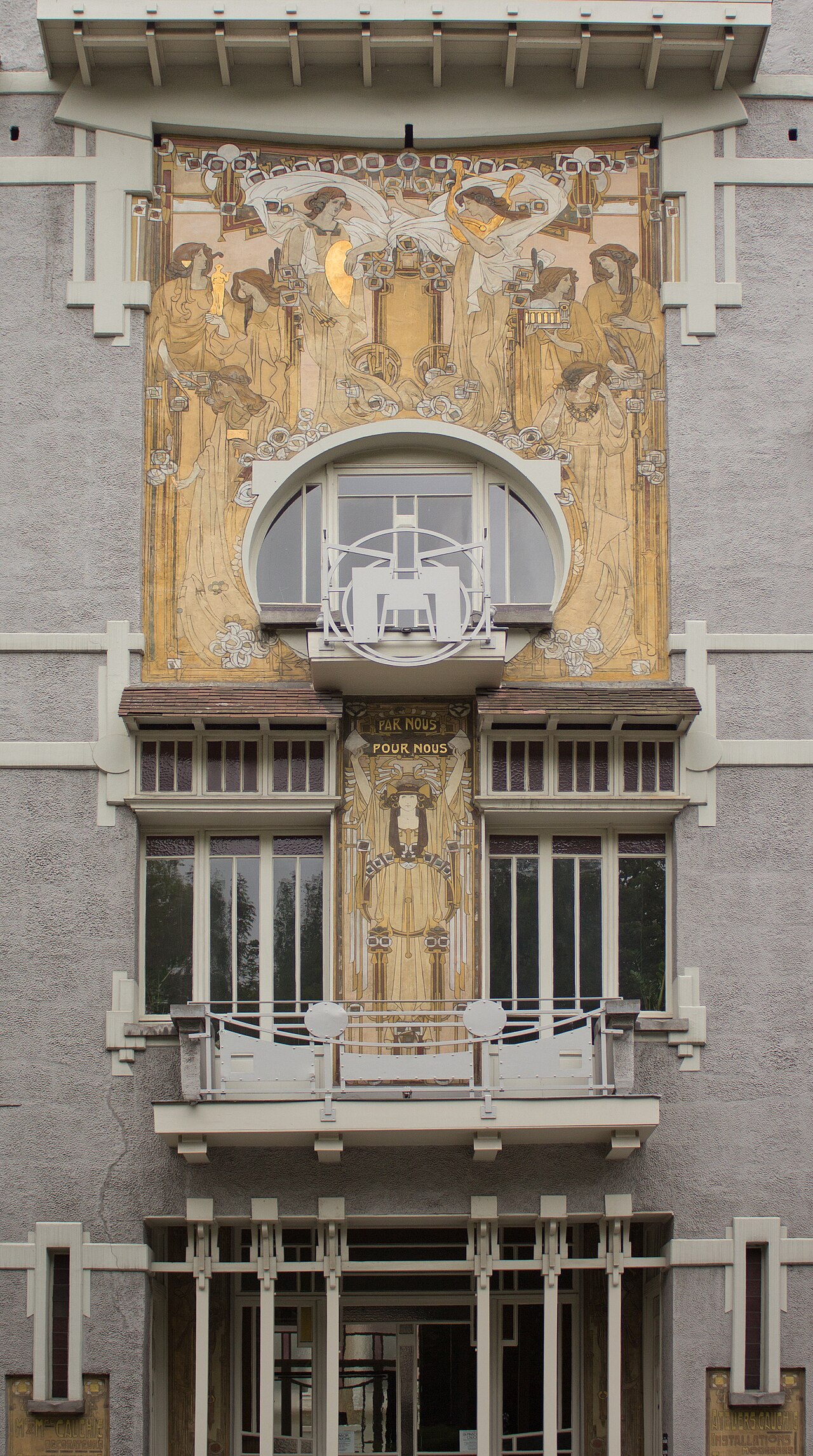
This place is a Museum. It was established in 1905. It was built in the Art Nouveau architecture style. It was designed by Paul Cauchie. It carries the protected monument heritage designation.
Cauchie House, Maison Cauchie or Cauchiehuis, is an Art Nouveau townhouse in Brussels designed by architect and artist Paul Cauchie in 1905. It served as his residence and studio, allowing him to shape both the building and its decoration. The house is especially notable for its sgraffito facade and for the way architecture, painting, and ornamental design work together. It offers a concentrated view of Belgian Art Nouveau in a domestic setting. The Cauchie House, known locally as Maison Cauchie or Cauchiehuis, is an Art Nouveau townhouse in Brussels. Designed by architect Paul Cauchie in 1905, it served as both his private residence and professional studio. The building exemplifies the whiplash curve style characteristic of Belgian Art Nouveau, with Cauchie himself responsible for its distinctive decorative sgraffito facade. The property stands as a significant monument to early twentieth-century Belgian decorative arts and architectural innovation, representing the period when Brussels was a leading centre of Art Nouveau design. Visitors should verify current access arrangements through official channels, as smaller historic properties may operate with limited hours or require advance booking.
Checked 2026-08-26 · Source
The house preserves decorative elements associated with Cauchie’s artistic practice, including sgraffito work, painted murals, period fittings, and original room arrangements. These details show how Art Nouveau extended beyond a building’s exterior into everyday domestic space. Look for the unity between surface decoration, room design, and architectural form rather than treating each ornament separately. The house’s strength is authenticity: it presents a personal creative environment instead of a large collection displayed in unrelated galleries. The interior preserves original decorative elements including sgraffito work, painted murals, and period fittings that demonstrate Cauchie's artistic range.
Checked 2026-08-26 · Source

Reserve roughly one hour for a focused visit, with additional time if you enjoy examining decorative technique, painted surfaces, and the relationship between rooms. The townhouse format creates a compact experience rather than a sprawling museum circuit. Art Nouveau enthusiasts may want to place it within a longer Brussels architecture day that includes other buildings and streets. A shorter exterior stop still rewards attention because the facade carries much of the house’s artistic identity.
Checked 2026-08-26 · Source
Because the experience is largely architectural and interior-focused, the house remains interesting throughout the year. Drier, brighter weather helps if you want to study or photograph the facade from the street, while poor weather does not diminish the appeal of the preserved rooms. Place the visit within a Brussels Art Nouveau route so the house becomes part of a wider story about domestic design. A smaller historic property rewards a calm schedule and careful observation.
Checked 2026-08-26 · Source

Cauchie House is a specialised heritage property rather than a large museum, so its admission arrangements belong to the individual visitor experience. Plan the house as a focused architectural stop and keep your wider Brussels budget separate from it. The artistic value comes from the preserved building and decoration, not from a broad programme of galleries. If you are visiting several Art Nouveau sites, give each property its own place in the day because their scale and access style differ.
Checked 2026-08-26 · Source
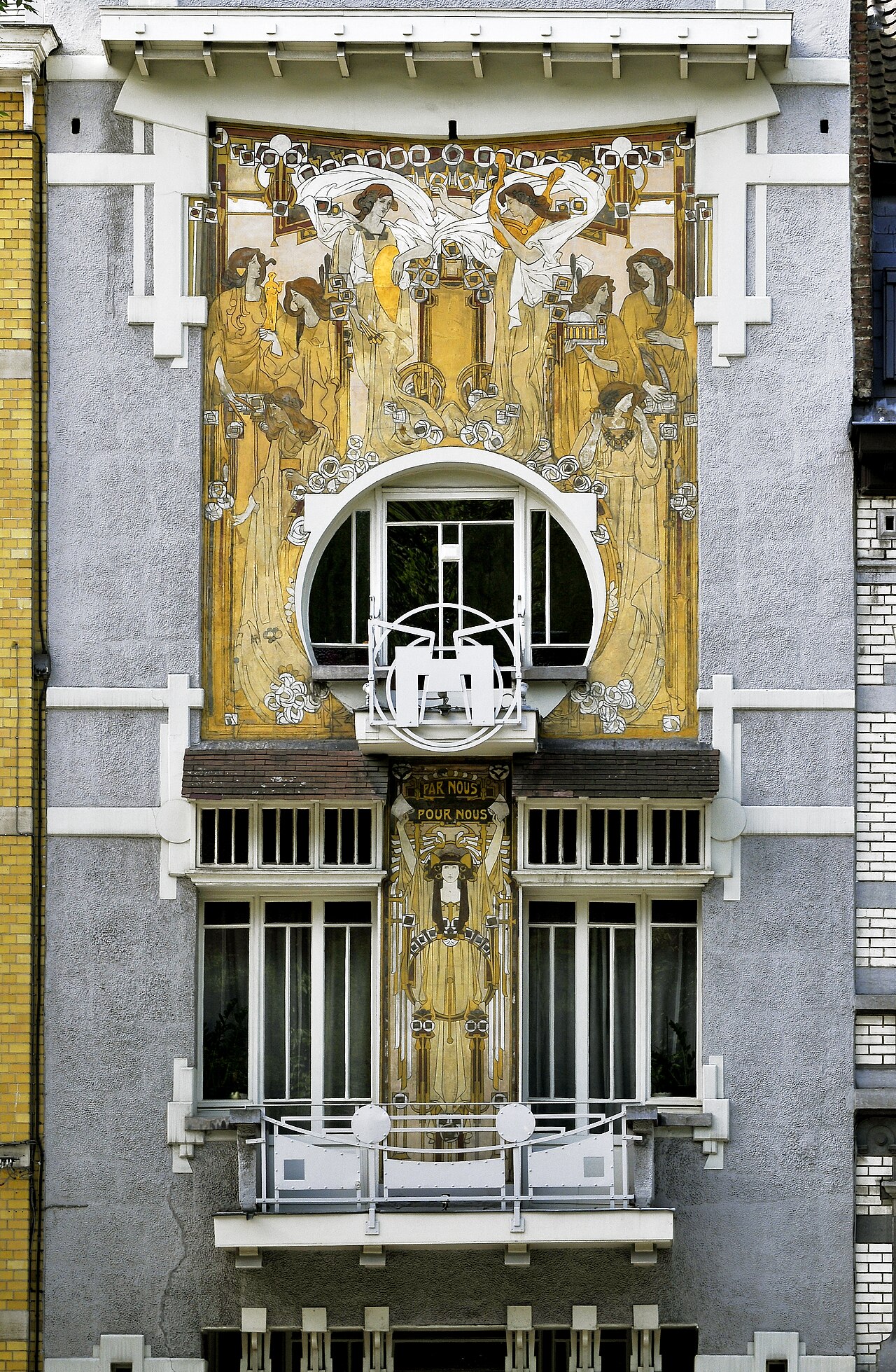
Cauchie House is part of Brussels’ urban fabric and can be included in a city architecture route using the metro, tram, and bus network. Walking connections are particularly valuable for travellers exploring Art Nouveau buildings, since the streets between stops form part of the architectural experience. Approach the townhouse as a residential-scale landmark rather than a detached museum complex. Leave enough time for the final walk from transit and for viewing the facade without blocking the pavement.
Checked 2026-08-26 · Source
The sgraffito facade and original interior surfaces are conservation-sensitive. Do not touch decorative work, lean bags against walls, or disregard barriers and visitor instructions. A historic townhouse may involve stairs and narrow circulation, so move carefully and allow other visitors to pass. The property sits within a residential street, making quiet behaviour and clear pavements important. Treat the house as a preserved work of art as well as a building, with care for both fabric and neighbours.
Checked 2026-08-26 · Source
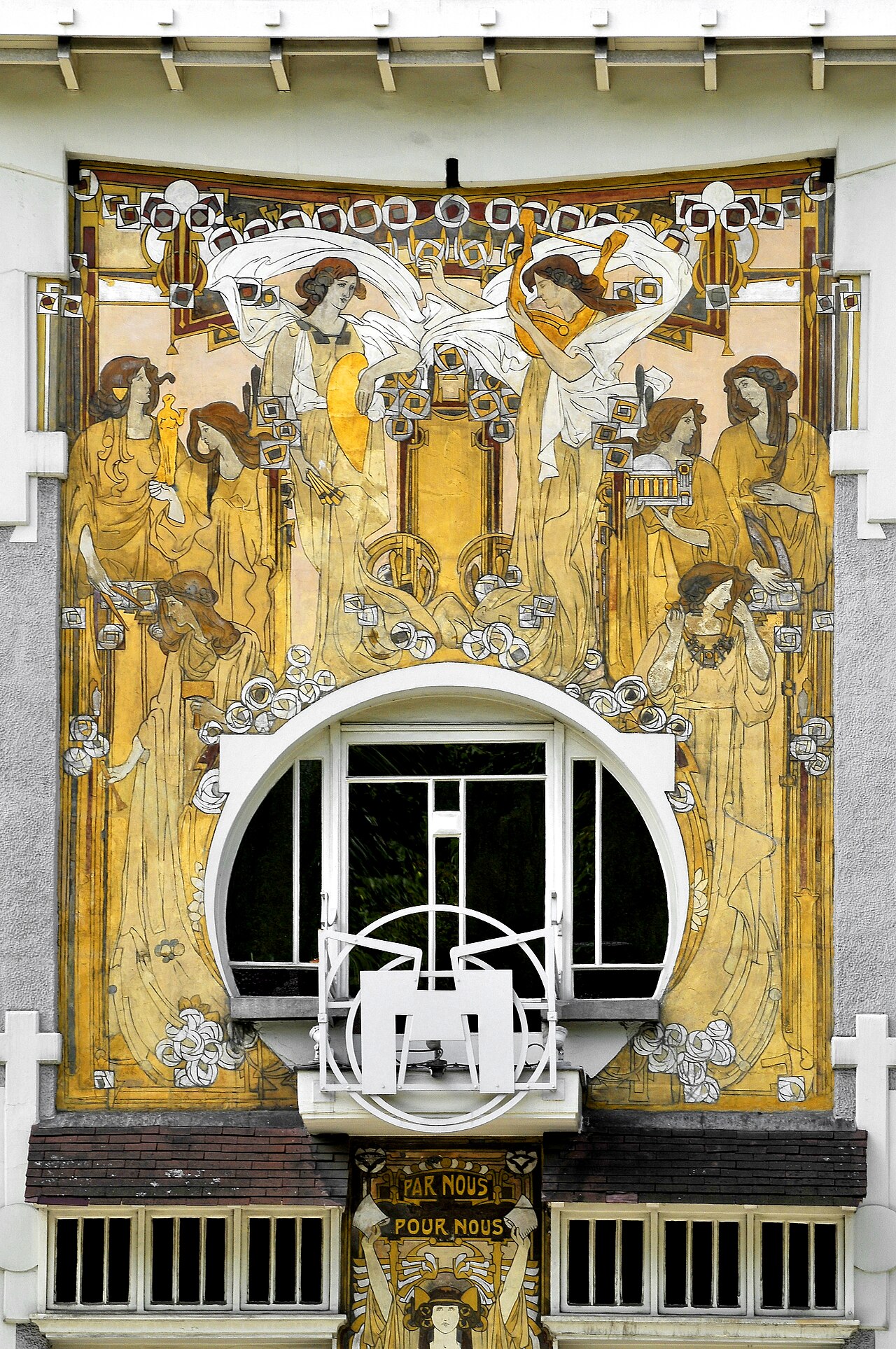
The facade’s sgraffito decoration is the essential exterior subject, with layered linework and ornament that reward close framing. Inside, murals, fittings, and room details provide a visual study of Art Nouveau’s integrated approach to design. Historic interiors can be tight, so a compact camera is easier to use without disturbing circulation. Flash, tripods, and commercial photography should follow the property’s posted rules. Give priority to preserving the surfaces over achieving a particular image.
Checked 2026-08-26 · Source
Paul Cauchie designed the 1905 townhouse as his residence and studio, integrating architecture and decoration through a distinctive Art Nouveau sgraffito facade and preserved interiors.
The interior includes original room arrangements, painted murals, period fittings, and decorative work that demonstrates the unity of Art Nouveau architecture and applied art.
About one hour suits a focused visit, with extra time useful for visitors who want to study decorative techniques and connect the house with other Brussels Art Nouveau sites.
The sgraffito facade is the defining photographic subject, while the murals, fittings, and preserved rooms provide detailed interior studies where photography is permitted.
It works best within an Art Nouveau walking route, linking a compact domestic masterpiece with the wider architectural heritage of Brussels.
Protect the original surfaces by avoiding contact, keeping bags clear of walls, moving carefully through narrow spaces, and following all photography and conservation instructions.
Loading the interactive map…
The interactive map could not be loaded.
Last updated:
Source: OpenStreetMap contributors, Wikidata ·