


20 min walk
Experimental Garden Jean Massart
- High · Heritage site
- Museum
Language · 11 published
Historic monument · Brussels
Château Charle-Albert — Charle-Albertkasteel
Reviewed by Elena Voss · Roavina Travel Editor

It was built in the Flemish Renaissance Revival architecture style. It was designed by Albert Charle. It carries the protected monument heritage designation.
Charle-Albert Castle, also known as Château Charle-Albert or Charle-Albertkasteel, is a named historic castle structure in Brussels. The building contributes to the architectural character of Belgium’s capital and gives travelers an opportunity to encounter a less conventional heritage landmark within the city. Unlike a clearly presented palace museum, Charle-Albert Castle is best approached as an architectural point of interest whose value begins with its exterior presence and urban setting. The name reflects Brussels’ French and Dutch linguistic landscape. Travelers who enjoy distinctive buildings, local heritage and quieter alternatives to major central attractions may find the site a worthwhile stop.
Checked 2026-08-26 · Source
The accessible interior arrangement of Charle-Albert Castle is not established by the place information supplied for this guide. The most reliable experience described by the landmark itself is therefore the opportunity to view and appreciate the castle as a substantial historic building in Brussels. Travelers should focus on its architectural form, proportions, materials and relationship with the surrounding urban landscape. The building’s identity as a castle does not by itself establish a museum collection, period rooms or public exhibition route. Treat the exterior as the central sightseeing subject, and enjoy the contrast between a named heritage structure and the modern city around it.
Checked 2026-08-26 · Source
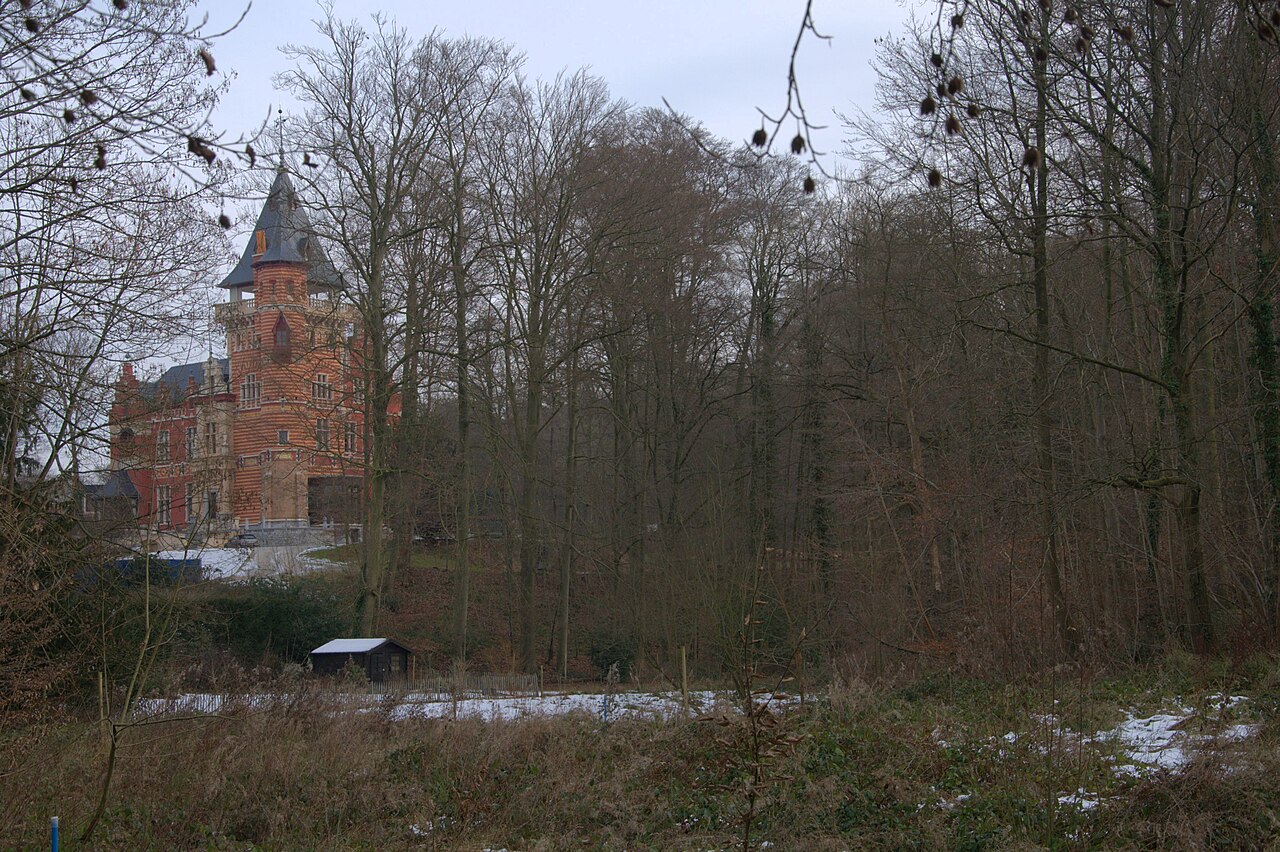
A short exterior viewing is the most practical way to include Charle-Albert Castle in a Brussels walk. Reserve around fifteen to thirty minutes for observing the building, choosing a suitable public viewpoint and taking photographs. A longer visit only makes sense when the castle forms part of a wider neighborhood route or architectural itinerary. The compact stop can work well between other Brussels activities because it does not require the time commitment of a large museum complex. Keep the visit flexible and let the building’s setting determine how long you remain rather than planning a full-day castle excursion around it.
Checked 2026-08-26 · Source
Charle-Albert Castle is best viewed in daylight, when travelers can read the building’s architectural form and place it within the surrounding Brussels streetscape. Late spring through early autumn generally offers more comfortable conditions for an exterior stop, while cloudy weather can still create soft light for architectural photographs. Because the landmark’s public visitor arrangements are not described here, plan it as a flexible outdoor sight rather than the fixed centerpiece of a timed museum schedule. A daytime visit also makes it easier to combine the castle with nearby walking, cafés and other urban architecture.
Checked 2026-08-26 · Source
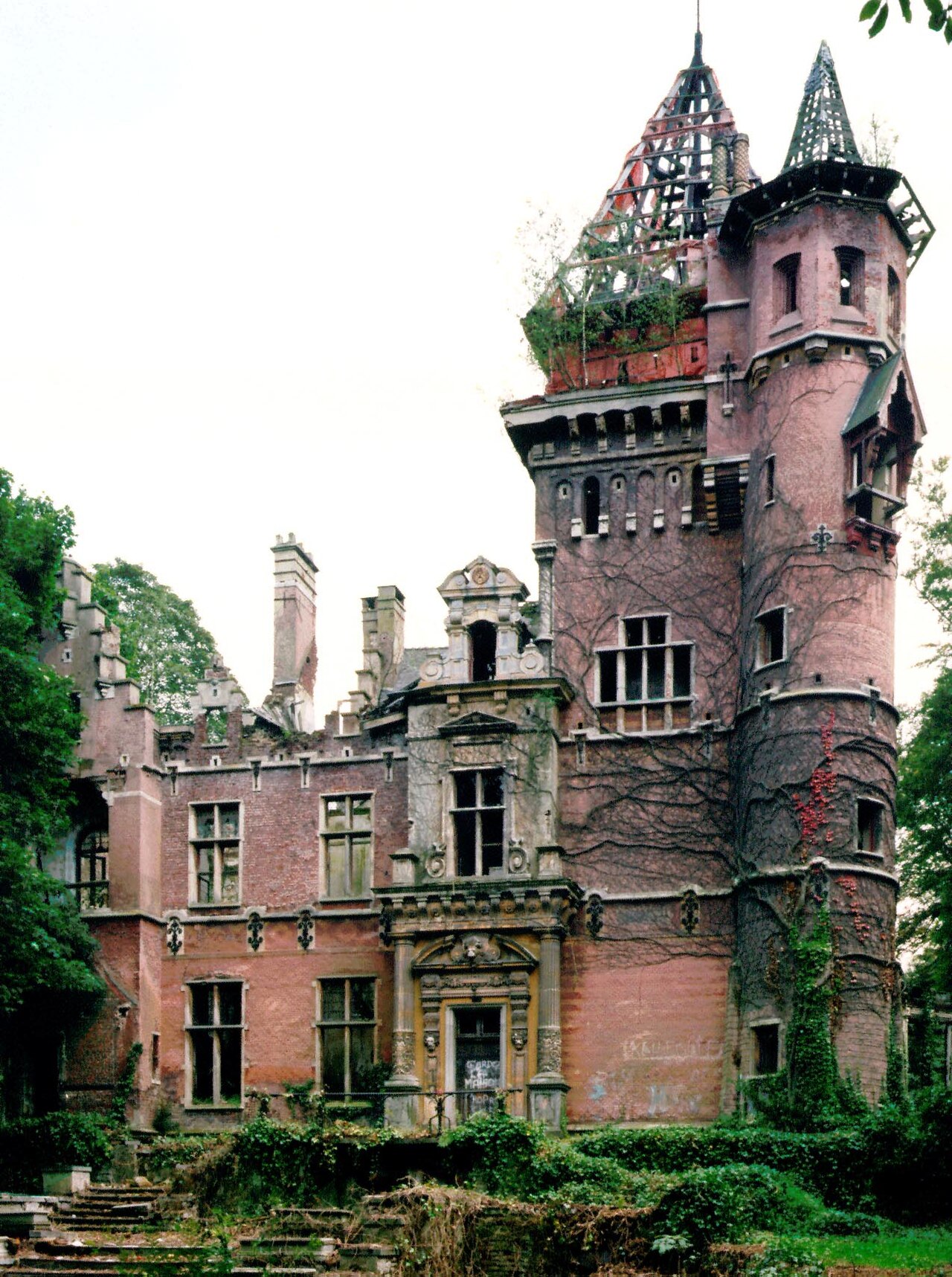
No admission amount or ticket arrangement is supplied for Charle-Albert Castle. The sensible way to plan this landmark is as an exterior architectural stop in Brussels, with sightseeing value coming from the building and its setting rather than from a stated museum program. Do not build a detailed budget around an assumed entry system. If an interior event or organized access opportunity forms part of your plans, treat that as a separate arrangement from ordinary exterior viewing. The castle can still be included in an urban itinerary without assigning it a conventional palace-museum ticket category.
Checked 2026-08-26 · Source
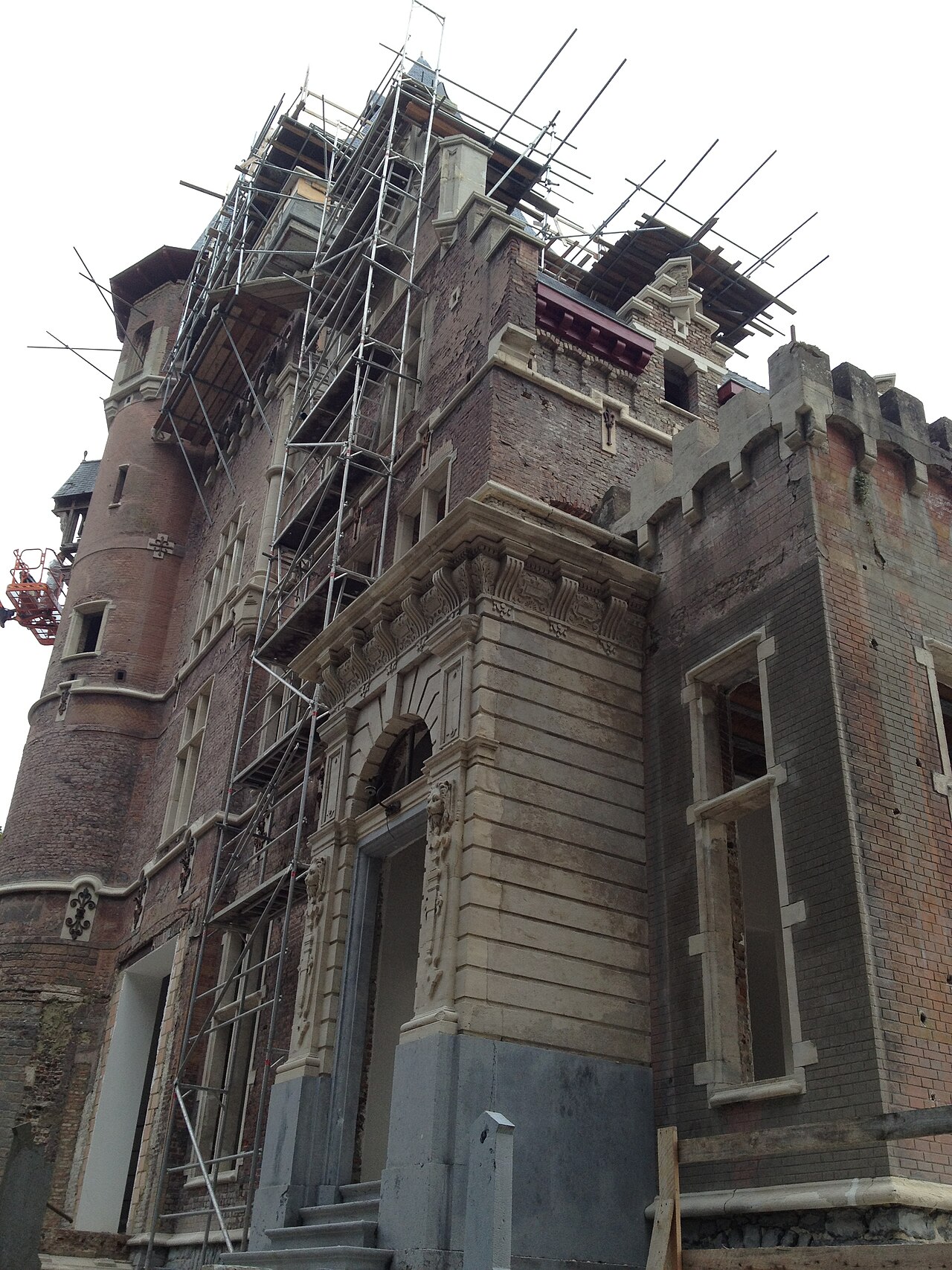
Charle-Albert Castle is located in Brussels and can be incorporated into a city walking route using its mapped position as the destination. Brussels’ metro, tram and bus network supports neighborhood exploration, while walking and cycling are useful for connecting architectural landmarks at street level. Build the final approach around public streets and visible access points, keeping the stop within the wider urban route rather than treating it as an isolated countryside castle. Drivers should expect the ordinary parking and traffic challenges of a European capital. The local names Château Charle-Albert and Charle-Albertkasteel can help when discussing the landmark in Brussels’ bilingual setting.
Checked 2026-08-26 · Source
Charle-Albert Castle should be visited with respect for property boundaries and the surrounding urban setting. Keep to public space unless a clearly marked visitor entrance or organized access route is provided. Avoid entering gates, grounds or buildings that do not invite public passage. Brussels traffic, bicycles and changing pavement conditions deserve ordinary city attention, especially when concentrating on photography. Wear weather-appropriate clothing for an outdoor stop and leave room for other pedestrians. A careful, low-impact visit suits this landmark: observe the architecture, respect privacy and security, and do not turn an architectural viewpoint into an attempt to gain unauthorized access.
Checked 2026-08-26 · Source
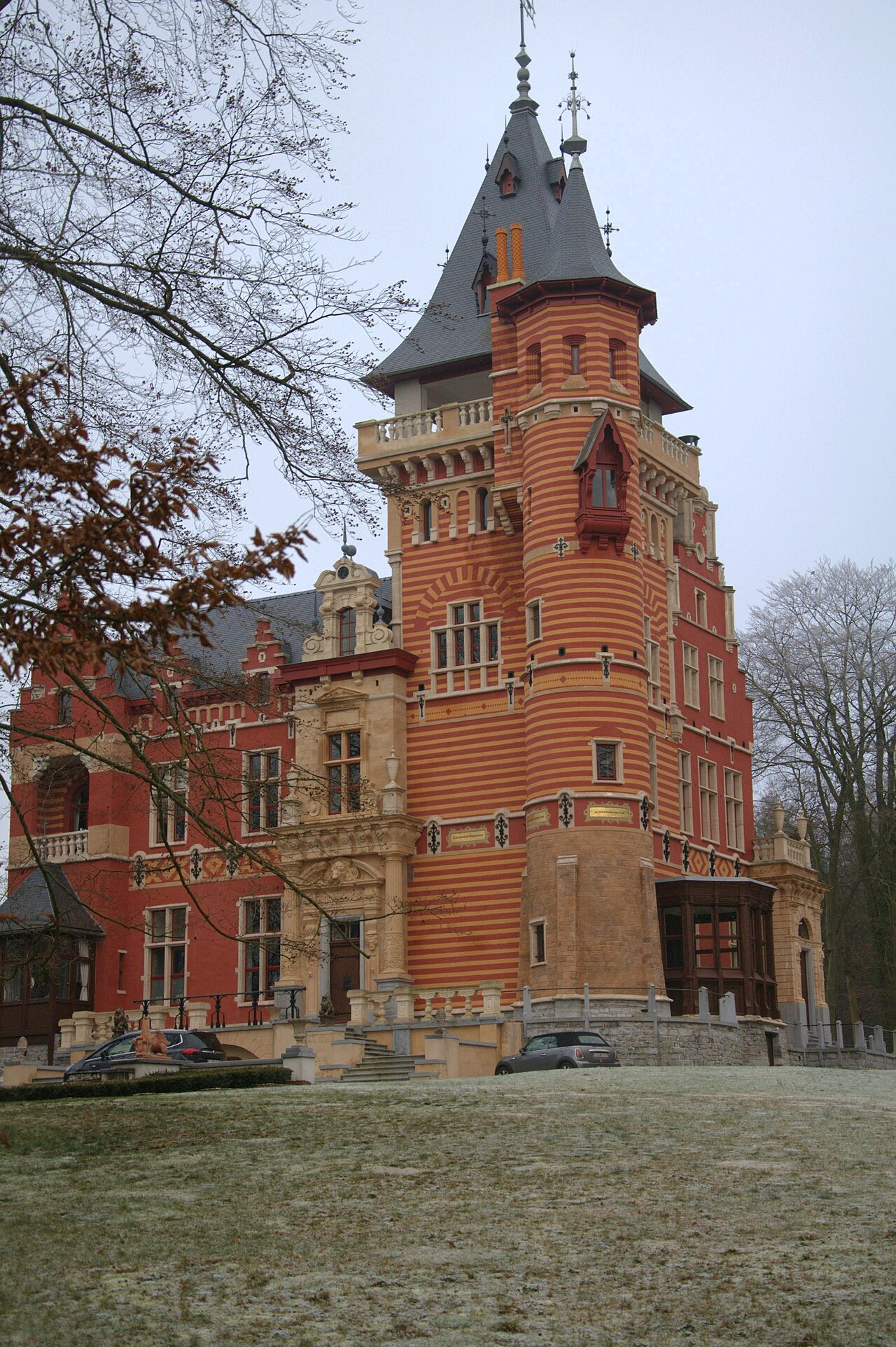
The exterior of Charle-Albert Castle is the natural focus for photography. Use public viewpoints to frame the building against the Brussels streetscape, and try both wider compositions that show its urban context and closer views of architectural details. Daylight reveals form and texture more clearly than a dark evening stop, while overcast conditions can reduce harsh contrast on the façade. Keep equipment compact where pavements are busy. Interior photography, tripods, commercial work and aerial images require permission wherever access or local rules make that necessary. Respect privacy, posted signs and neighboring properties while composing photographs.
Checked 2026-08-26 · Source
Charle-Albert Castle is a named historic building in Brussels, suitable for inclusion in an urban architecture or local-heritage walk.
Allow about fifteen to thirty minutes for an exterior viewing, with additional time only if it forms part of a broader neighborhood walk.
View the building from public streets, study its architectural form and place it within Brussels’ surrounding urban landscape.
Exterior photography from suitable public viewpoints is the most practical approach; keep clear of traffic, private property and neighboring residents.
The landmark is best treated as an architectural heritage stop rather than a confirmed palace-museum visit with a described exhibition route.
Yes. Its Brussels location makes it suitable for a flexible neighborhood itinerary linking local architecture, streets and other city sights.
Loading the interactive map…
The interactive map could not be loaded.
Last updated:
Source: OpenStreetMap contributors, Wikidata ·