.jpeg)
.jpeg)
.jpg)
5 min walk
Arts center of Red Cloister
- Must see
- Museum
Language · 11 published
Museum · Brussels
Jardin botanique Jean Massart - Botanische tuin Jean Massart
Closed today, Sunday. Next open Monday at 09:00 — the planner will not place a stop here on a Sunday.
Plan around itReviewed by Elena Voss · Roavina Travel Editor
| Monday | 09:00 – 17:00 |
|---|---|
| Tuesday | 09:00 – 17:00 |
| Wednesday | 09:00 – 17:00 |
| Thursday | 09:00 – 17:00 |
| Friday | 09:00 – 17:00 |
| Saturday | Closed |
| Sunday | Closed |
Parsed from OpenStreetMap opening hours on 2026-09-09.
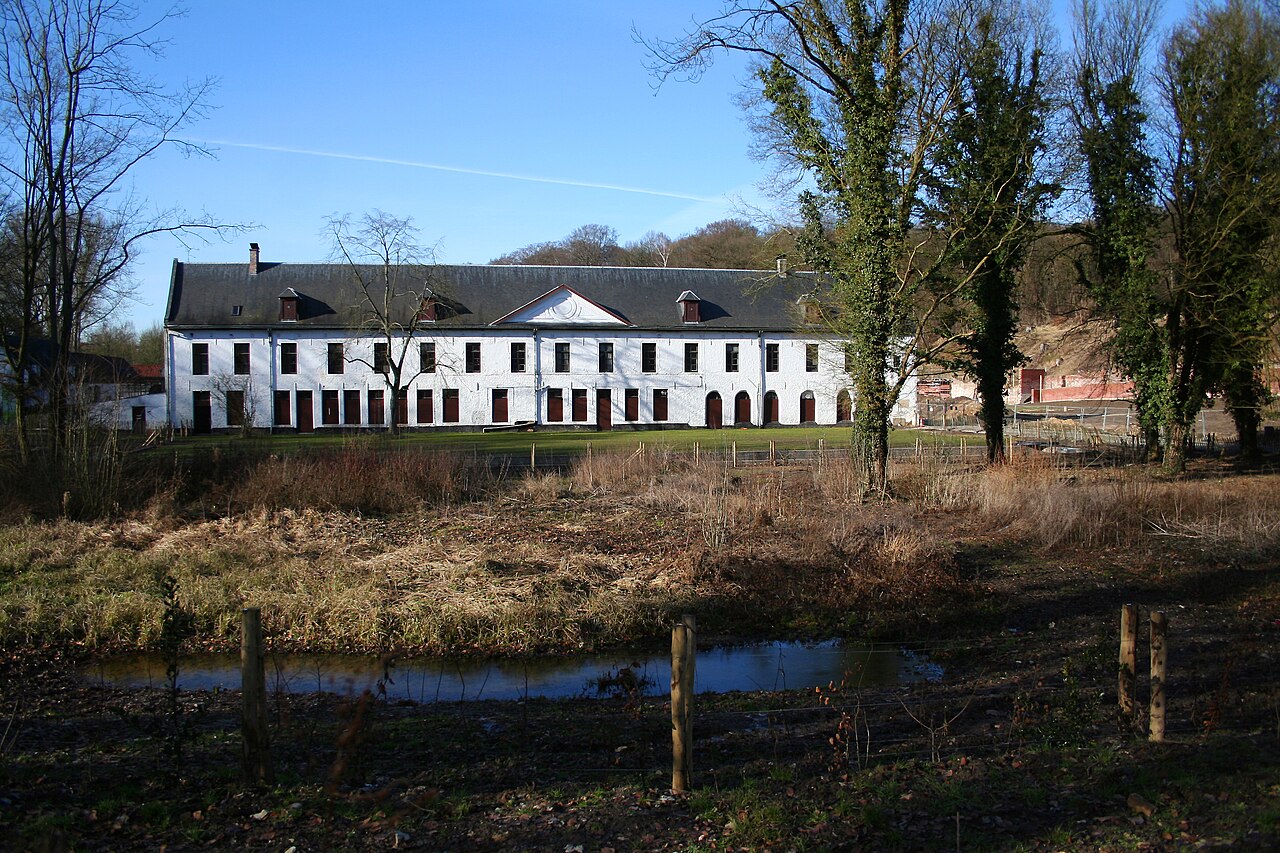
This place is a Museum. It was established in 1922. It was designed by Jules Buyssens. It carries the protected monument heritage designation.
Experimental Garden Jean Massart is a botanical garden in Brussels, also known as Jardin botanique Jean Massart and Botanische tuin Jean Massart. It is affiliated with the Université libre de Bruxelles and combines public access with scientific research. The garden is named after Belgian botanist Jean Massart. Rather than functioning only as ornamental parkland, it presents plants as living material for observation, study and education. The result is a green Brussels stop with a distinctly academic identity and a strong connection to urban biodiversity. The Experimental Garden Jean Massart is a botanical garden in Brussels, known locally as Jardin botanique Jean Massart or Botanische tuin Jean Massart. It serves as a scientific research facility and public green space affiliated with the Université libre de Bruxelles. Visitors should verify current schedule directly with the garden or Université libre de Bruxelles before visiting.
Checked 2026-08-26 · Source
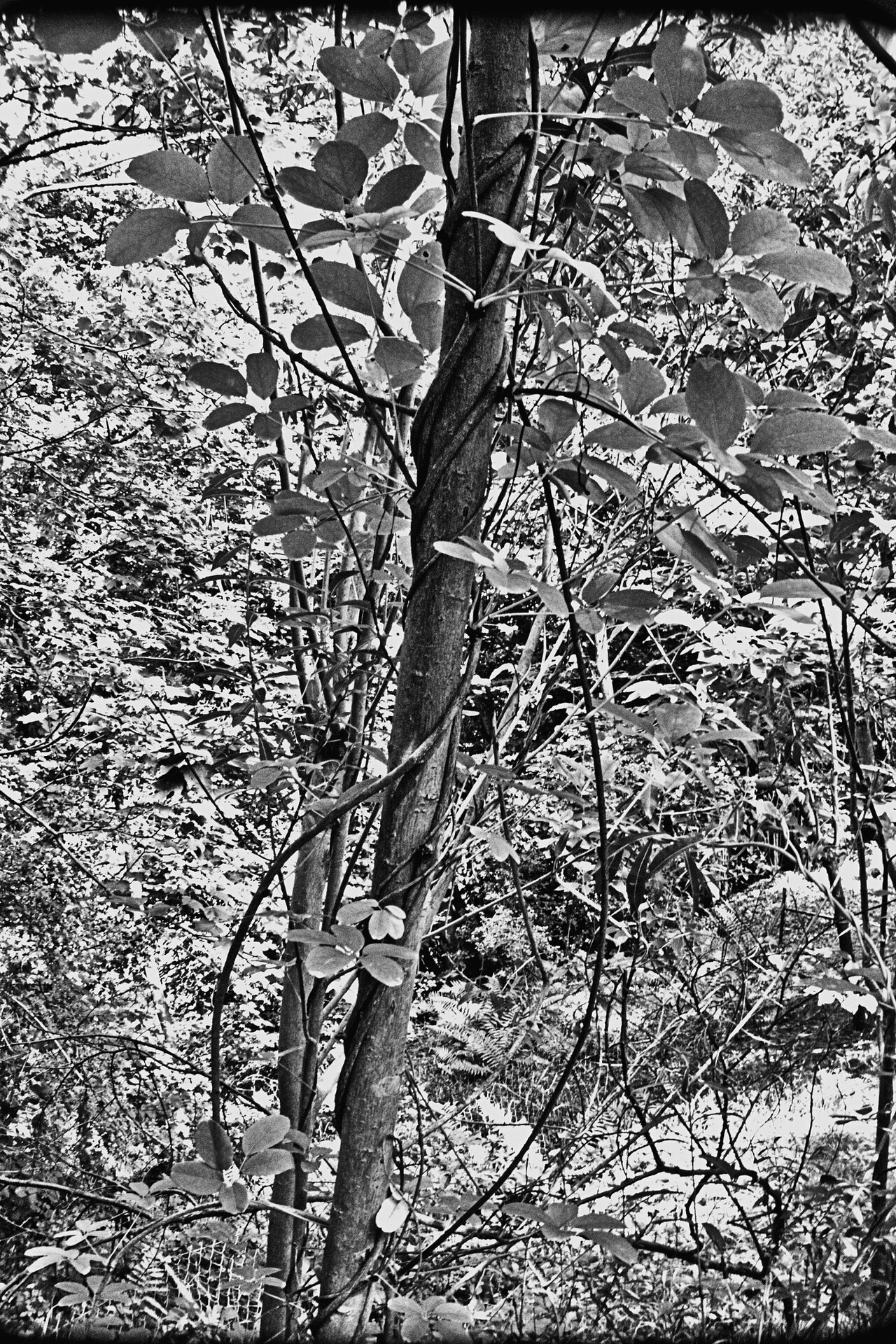
The garden contains curated plant collections arranged for scientific observation and study. Visitors encounter organised botanical specimens and structured plantings rather than a purely decorative landscape. The garden's classification as a botanical garden is confirmed by Wikidata entry Q3162373. Its research purpose means the living collections can support several kinds of visit: a relaxed walk, close observation of plant form and seasonal change, or a more educational outing connected with botany. Follow the paths and boundaries carefully, because the garden is both a visitor space and a working academic environment.
Checked 2026-08-26 · Source
Allow between forty-five minutes and two hours, depending on how closely you study the plantings. A casual visitor can make a short circuit through the grounds, while a keen gardener or botany enthusiast may pause at individual specimens and compare seasonal details. The garden suits an unhurried walk better than a rushed photo stop. Build in extra time if children or students are using the collections as an outdoor learning setting, since observation and questions naturally slow the pace.
Checked 2026-08-26 · Source
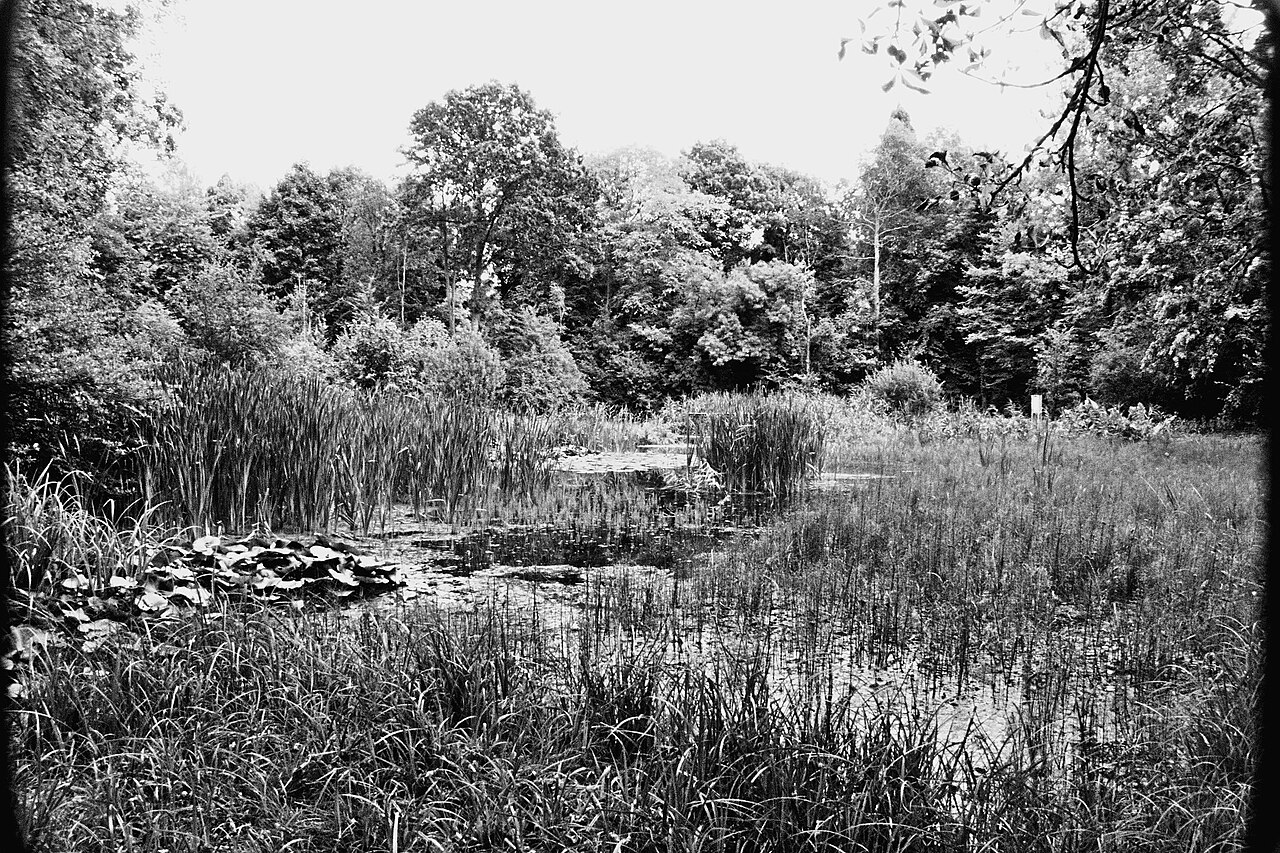
The garden is most rewarding when the growing season gives the collections visible variety, while changing weather can alter the character of the paths and plantings. Spring and summer bring active growth; autumn adds colour and texture to the walk. Brussels rain can arrive in any season, so outdoor clothing improves comfort. Choose a time when you can move slowly and observe rather than simply pass through. The garden also fits well into a day built around green spaces and university-linked cultural places.
Checked 2026-08-26 · Source
Experimental Garden Jean Massart is a university-affiliated botanical garden with a public green-space role and a scientific mission. The visit is therefore centred on access to the living collections and the garden environment, not on a conventional museum ticketed display. Plan for time outdoors and for a walk between organised plantings. The garden's educational value comes from seeing plants in a curated research setting, which makes it a useful stop for visitors interested in botany, biodiversity and the relationship between science and public space.
Checked 2026-08-26 · Source
The garden lies within Brussels and can be reached through the city's public-transport network. Use current STIB-MIVB route information to plan the approach, then allow time for the final walk to the garden entrance. Cycling can suit visitors combining the stop with other green spaces. Driving in Brussels requires attention to traffic and parking. Because the experience takes place across garden grounds rather than in a single room, arrive prepared for an outdoor route and keep the day flexible around weather and walking speed.
Checked 2026-08-26 · Source
Treat Experimental Garden Jean Massart as a research garden as well as a visitor attraction. Stay on visitor paths, respect marked boundaries and do not pick, handle or trample the plants. Path surfaces in botanical grounds can be uneven, so sturdy footwear helps. Rain changes the comfort of an outdoor visit, and there may be limited shelter while moving between collections. The academic setting calls for quiet attention and care around research activity. Visitors who need fully adapted circulation should consider the ground conditions before setting out.
Checked 2026-08-26 · Source
The garden offers natural subjects for personal photography: organised plantings, individual specimens, seasonal growth and the contrast between cultivated collections and Brussels surroundings. Walk carefully while framing images and keep to the paths. Avoid disturbing plants, pollinators, equipment or people engaged in research. Soft daylight can reveal leaf structure and texture more clearly than harsh midday sun. A compact camera or phone is practical on the garden walk. Photograph the living collections as an observer, preserving the garden's scientific and educational purpose.
Checked 2026-08-26 · Source
It is a botanical garden in Brussels affiliated with the Université libre de Bruxelles and used for public education and scientific research.
Jean Massart was a Belgian botanist, and the garden bears his name.
Visitors can walk among curated plant collections and organised botanical specimens arranged for observation and study.
Plan for forty-five minutes to two hours, depending on how closely you study the plant collections.
Yes. Its organised living collections and research connection make it especially suitable for botanical observation and education.
Wear comfortable outdoor clothing and sturdy footwear, since the experience involves walking through garden grounds and Brussels weather can be changeable.
Loading the interactive map…
The interactive map could not be loaded.

Last updated:
Source: OpenStreetMap contributors, Wikidata ·