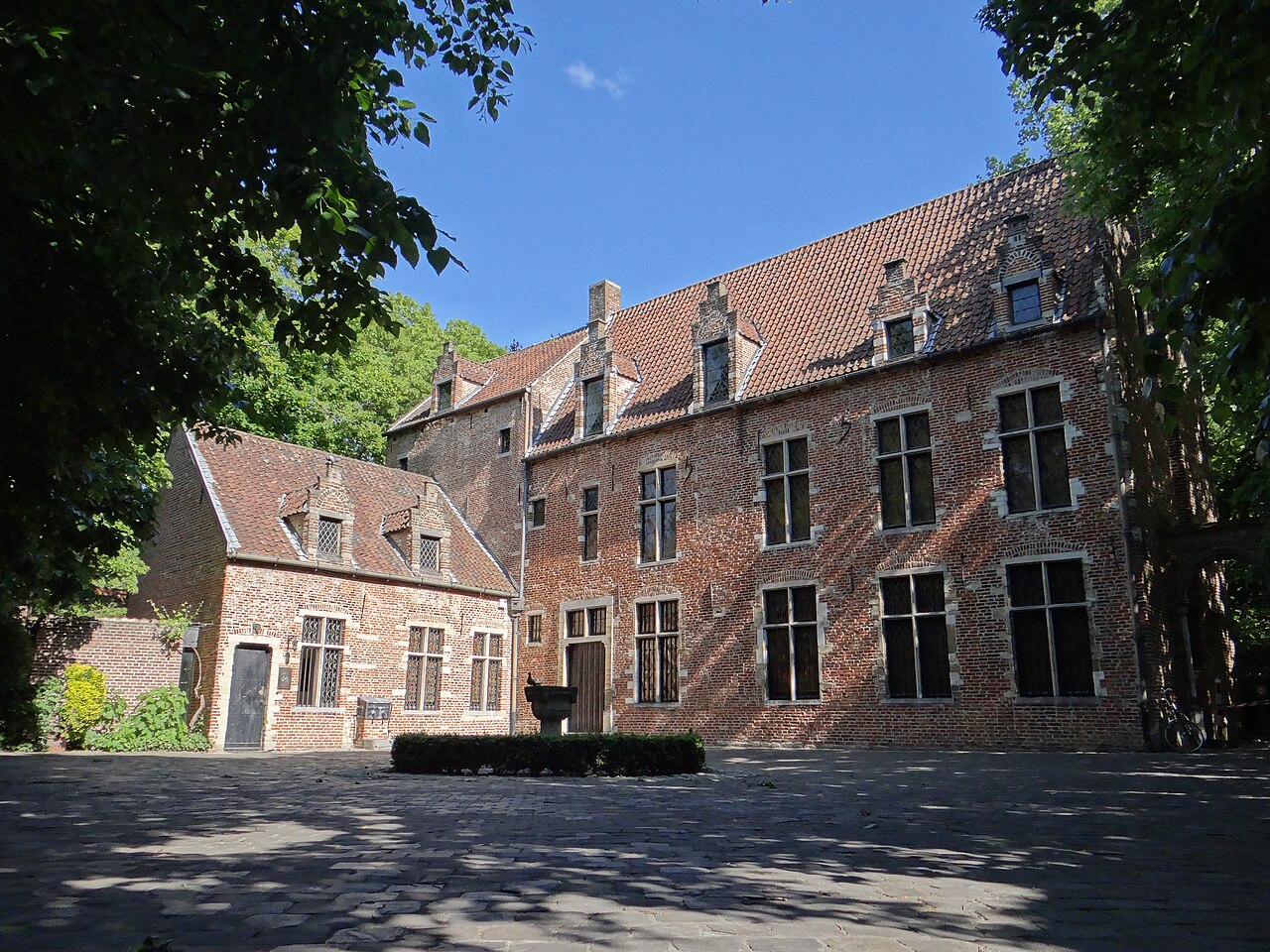
15 min walk
Erasmus House
- Must see · Heritage site
- Museum
Language · 11 published
Museum · Brussels
Musée de Chine des Missionnaires de Scheut - Chinamuseum
Reviewed by Elena Voss · Roavina Travel Editor
This place is a Museum.
Chinamuseum, also known as the Musée de Chine des Missionnaires de Scheut, is a Brussels museum devoted to Chinese art and culture. Its collections grew from the work of the Scheut missionaries and their long historical connection with China. The museum offers a focused encounter with objects shaped by religious contact, cultural exchange and Belgian missionary activity in China. The Musée de Chine des Missionnaires de Scheut, known as Chinamuseum, is a museum in Brussels dedicated to Chinese art and culture. It was established by the Scheut missionaries, a Catholic missionary congregation with extensive historical connections to China. The museum preserves and displays collections gathered through missionary activities. It represents an important cultural bridge between Belgium and China, reflecting historical religious and cultural exchange. The institution operates under the legacy of the Scheut Fathers, whose work in China spanned significant periods of the nineteenth and twentieth centuries.
Checked 2026-08-26 · Source
Expect displays of Chinese art and historical objects connected with the Scheut missionaries. Religious items, ethnographic material and artistic works help show how missionaries encountered Chinese society and brought objects into a Belgian institutional setting. The collection is best approached as both an art display and a record of cultural contact. Look at individual objects alongside the wider questions of faith, exchange and collecting. The museum houses collections of Chinese art and artifacts accumulated by Scheut missionaries during their time in China. These holdings typically include religious objects, ethnographic materials, and artistic works reflecting Chinese cultural traditions. The collections document the intersection of Chinese culture and missionary activity. Visitors should expect displays centered on historical missionary engagement with Chinese society, presented through objects that missionaries collected, received, or commissioned during their service abroad.
Checked 2026-08-26 · Source
A focused visit generally fits into one to two hours. Use that time to examine the objects closely and to follow the connection between Chinese cultural traditions and missionary history. Travellers mainly interested in visual highlights can make a concise circuit, while visitors drawn to religious history or Sino-Belgian relations will benefit from a slower reading pace. The museum’s specialised subject rewards attention rather than rushing. A visit to the Chinamuseum typically requires between one and two hours, depending on individual interest in Chinese art and missionary history. The museum's focused scope means it does not demand extended time compared to major national institutions.
Checked 2026-08-26 · Source
Chinamuseum is an indoor cultural stop that can anchor a Brussels itinerary in any season. Spring and autumn are comfortable periods for moving around the city, while the museum provides a useful destination during colder or wetter weather. Its specialised focus suits travellers who want a quieter museum experience with a clear subject. Pair it with other Brussels activities only if you can preserve time for close viewing.
Checked 2026-08-26 · Source
Treat the museum as a focused cultural visit centred on its Chinese art and missionary collections. The experience is strongest when you have time to look at objects and absorb their historical context, rather than rushing through as one more checklist stop. A flexible Brussels schedule makes it easier to give the displays the attention they deserve and to include the museum alongside other cultural sites.
Checked 2026-08-26 · Source
Chinamuseum is located within Brussels, a city well suited to public transport, walking and cycling between cultural destinations. Use its mapped position to plan the final approach, and allow extra time if you are linking it with museums elsewhere in the city. The museum’s institutional setting makes it a destination for a deliberate visit, not merely a landmark encountered by chance while crossing the centre.
Checked 2026-08-26 · Source
The collection carries a missionary and colonial history, which adds important context to the objects on display. Give yourself time to consider how religious workers encountered, collected and presented Chinese material. Some displays may be more meaningful when read slowly than when viewed only as decorative art. The museum’s religious background also makes respectful behaviour especially appropriate. Keep personal belongings controlled in exhibition areas.
Checked 2026-08-26 · Source
Keep photography discreet in the museum’s focused exhibition environment. Religious objects and delicate historical materials deserve careful treatment, while close galleries leave little room for bulky equipment. Follow posted signs and staff directions, avoid flash unless expressly permitted, and do not let photography replace looking closely at the displays. Tripods, selfie sticks and commercial filming are particularly unsuitable in compact museum rooms.
Checked 2026-08-26 · Source
It explores Chinese art and culture through collections connected with the Scheut missionaries’ historical work in China.
Displays include Chinese artistic, religious and ethnographic objects associated with missionary cultural contact.
Plan approximately one to two hours for a focused visit and close examination of the collection.
The museum’s collections reflect objects encountered and gathered through the Scheut missionaries’ work in China.
No. It is a specialised museum with a concentrated subject: Chinese art, culture and missionary exchange.
Compare the objects’ artistic and religious qualities with the wider history of Belgian missionary contact with China.
Loading the interactive map…
The interactive map could not be loaded.

Last updated:
Source: OpenStreetMap contributors, Wikidata ·