
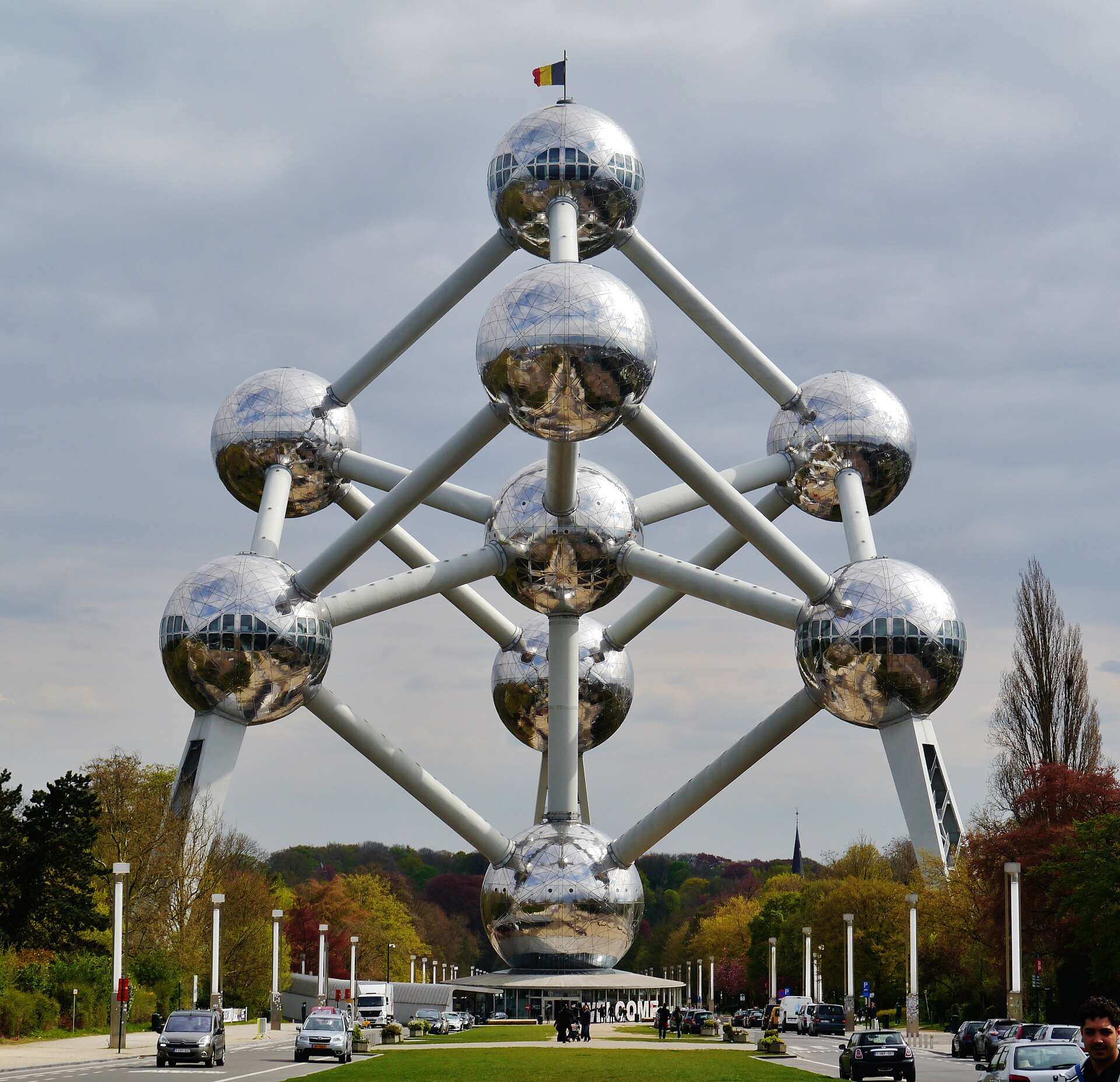
4 min walk
Atomium
- Must see
- Historic monument
Language · 11 published
Museum · Brussels
Reviewed by Elena Voss · Roavina Travel Editor
| Monday | 11:00 – 19:00 |
|---|---|
| Tuesday | 11:00 – 19:00 |
| Wednesday | 11:00 – 19:00 |
| Thursday | 11:00 – 19:00 |
| Friday | 11:00 – 19:00 |
| Saturday | 11:00 – 19:00 |
| Sunday | 11:00 – 19:00 |
Parsed from OpenStreetMap opening hours on 2026-09-09.
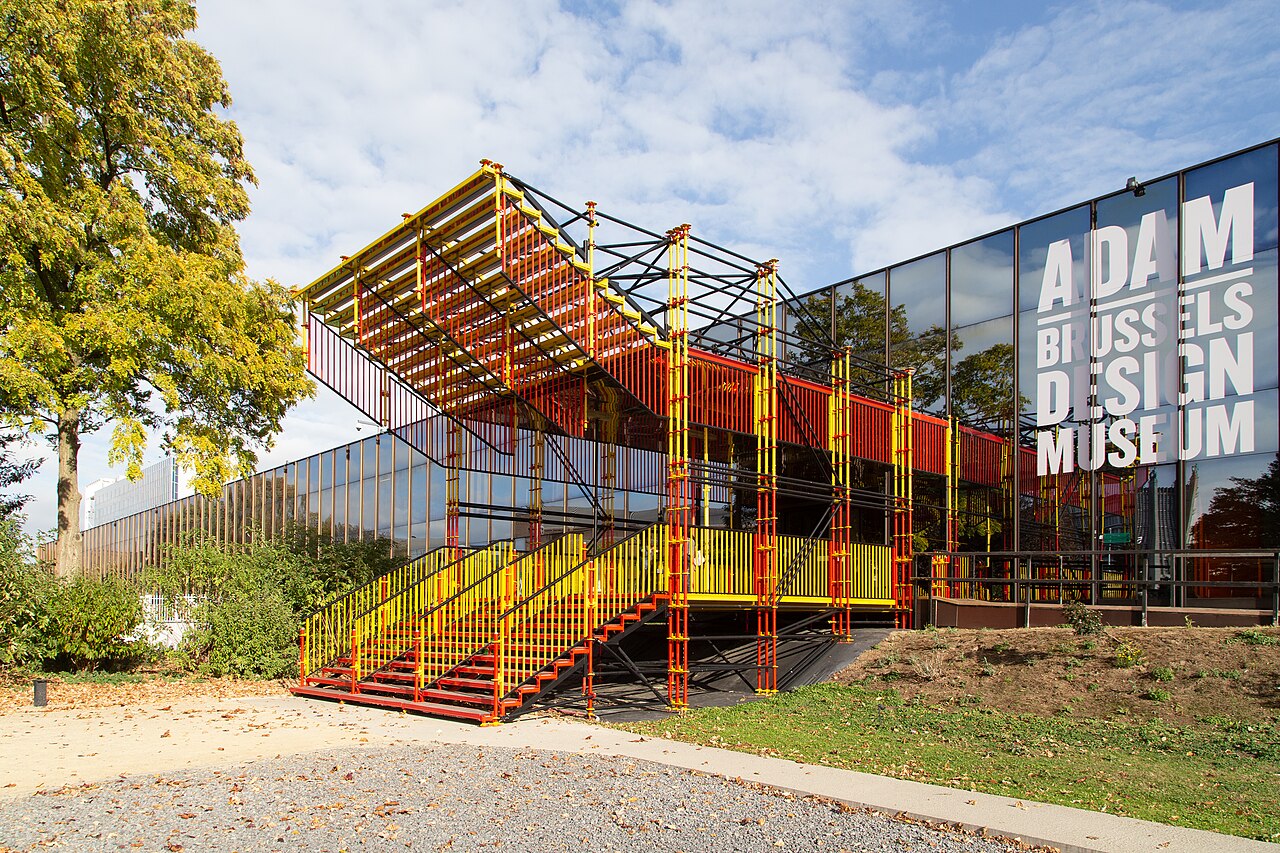
This place is a Museum. It opened in 2015. It is run by Atomium.
Design Museum Brussels is a Brussels museum devoted to design history and contemporary design practice. It places functional objects, visual ideas, and manufacturing culture within a wider cultural setting. The museum is relevant for travelers interested in how everyday things are shaped, produced, and used. Its focus adds a design-oriented stop to Brussels' broader museum landscape and offers a different perspective from museums centered only on painting or sculpture. Design Museum Brussels is a museum dedicated to design, located in Brussels, Belgium. It was established to showcase design collections and promote understanding of design history and contemporary practice. The institution occupies a significant position within Belgium's cultural landscape, contributing to Brussels' reputation as a centre for design and creative industries. The museum emerged from broader efforts to preserve and present Belgian and international design heritage. Its founding reflects recognition of design as a distinct discipline worthy of scholarly and public attention. The museum operates as a cultural institution serving both local residents and international visitors interested in design. The museum welcomes visitors of all ages though design-focused content may engage older children and teenagers more directly than very young visitors.
Checked 2026-08-26 · Source
Displays cover several design disciplines and periods, including furniture, objects, graphics, and industrial design. Historical pieces can be read alongside contemporary works, showing changes in materials, manufacturing, style, and practical needs. Belgian design traditions meet international influences across the displays. Rotating exhibitions add new themes for repeat visitors, while the museum's accessible presentation connects visual appeal with the everyday function of the objects on view. The museum houses collections spanning various design disciplines and periods. Exhibitions typically feature furniture, objects, graphics, and industrial design pieces. The institution presents both historical artefacts and contemporary works, illustrating evolution in design thinking and manufacturing. Visitors encounter displays demonstrating Belgian design traditions alongside international influences. The curatorial approach emphasises connections between functional objects and aesthetic innovation.
Checked 2026-08-26 · Source
Plan roughly sixty to ninety minutes for the principal galleries and about two to three hours for a slower visit with close reading and detailed comparisons. Students, designers, and visitors following a particular movement may spend longer with individual objects. A self-guided visit allows you to move at your own pace, prioritizing highlighted works when time is limited. Exhibition density and personal interest shape the final duration.
Checked 2026-08-26 · Source
An indoor museum visit works well in every season and provides a comfortable cultural activity during unsettled Brussels weather. Weekday mornings are a good choice for a quieter examination of objects, while weekends, holidays, exhibition openings, and design events can bring heavier attendance. Because temporary exhibitions influence the experience, travelers who have a particular theme in mind should build their day around the exhibition programme available for their visit.
Checked 2026-08-26 · Source
The visit is organized as a museum admission experience, with pricing shaped by the institution's current policy and exhibition programme. Travelers should allow for the possibility of different rates for adults, students, seniors, children, or groups. The value of the visit comes from combining the permanent design focus with any temporary exhibition included in entry. Carry a suitable payment method and keep the museum's own ticket information available when planning.
Checked 2026-08-26 · Source
Design Museum Brussels sits within Brussels' urban cultural network, where metro, tram, and bus services connect museums and central neighborhoods. Visitors coming from Brussels Central Station or another major hub can plan the final leg using the current STIB/MIVB network. Walking works well once you are in the surrounding district, while cycling and taxis provide additional city options. If arriving by car, treat central parking as a practical constraint.
Checked 2026-08-26 · Source
The exhibition programme changes, so a work or theme that interests you may not be present on every visit. Museum galleries require quiet, careful movement around objects, and children need supervision near displays. Keep bags within the institution's permitted limits and follow staff directions. Photography rules can differ between permanent and temporary displays. Visitors who need specific routes, facilities, or language support should plan those needs before setting out.
Checked 2026-08-26 · Source
Design objects often reward close attention to shape, material, proportion, and surface, making the galleries attractive to photographers. Follow signs and staff directions in each room, especially where temporary loans or contemporary works have separate restrictions. Keep flash disabled unless expressly permitted, and avoid tripods or selfie sticks that interrupt visitor circulation. Personal photographs should not interfere with other visitors, gallery staff, or the presentation of fragile objects.
Checked 2026-08-26 · Source
It focuses on design history and contemporary design, including furniture, objects, graphics, and industrial design.
Allow about sixty to ninety minutes for a main visit, or two to three hours for detailed viewing and reading.
Displays include furniture, graphics, industrial design, historical objects, and contemporary works from Belgian and international design traditions.
Yes. Rotating exhibitions complement the museum's wider presentation of historical and contemporary design.
Yes. The museum provides an indoor cultural stop that suits Brussels visits in all seasons and weather conditions.
Brussels metro, tram, and bus services connect the museum area with central neighborhoods and major transport hubs.
Loading the interactive map…
The interactive map could not be loaded.
Last updated:
Source: OpenStreetMap contributors, Wikidata ·