This place is a Attraction.
It was established in 1548.
It was built in the Neoclassical architecture style.
It was designed by Giovanni Niccolò Servandoni.
It carries the protected monument heritage designation.
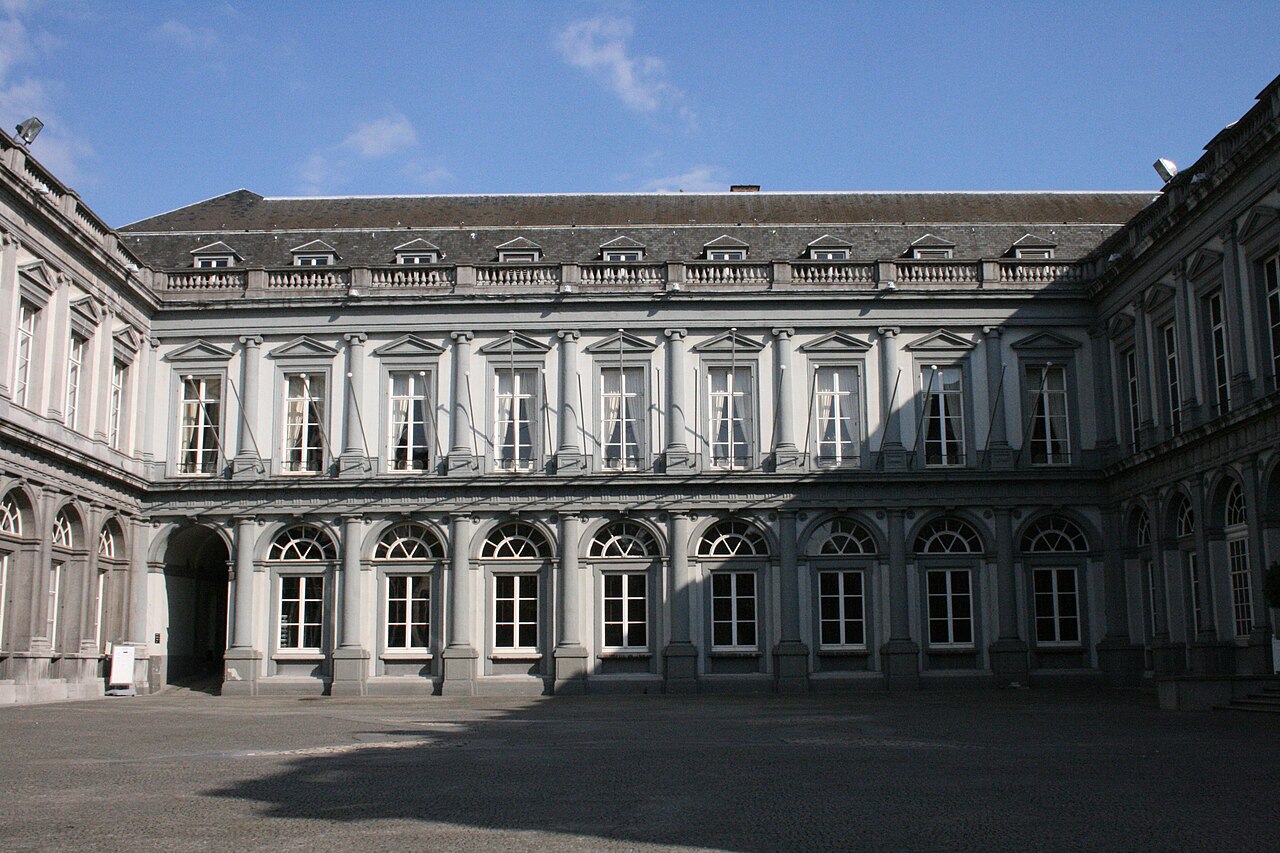
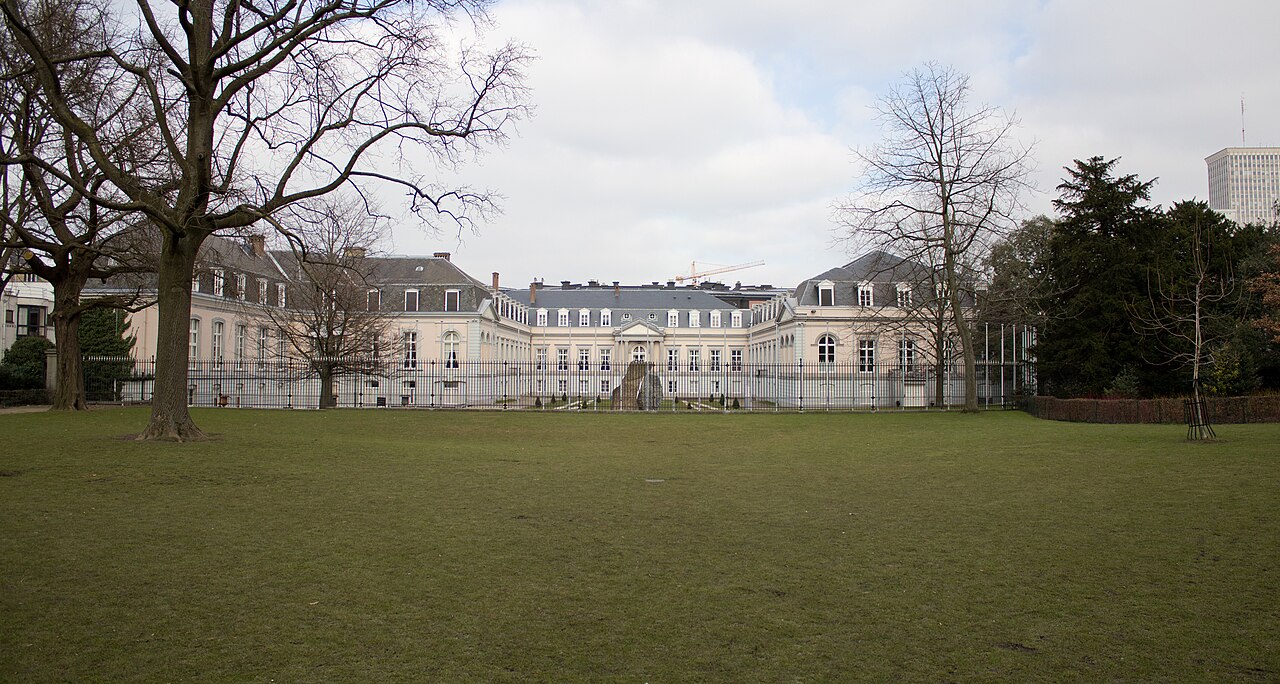
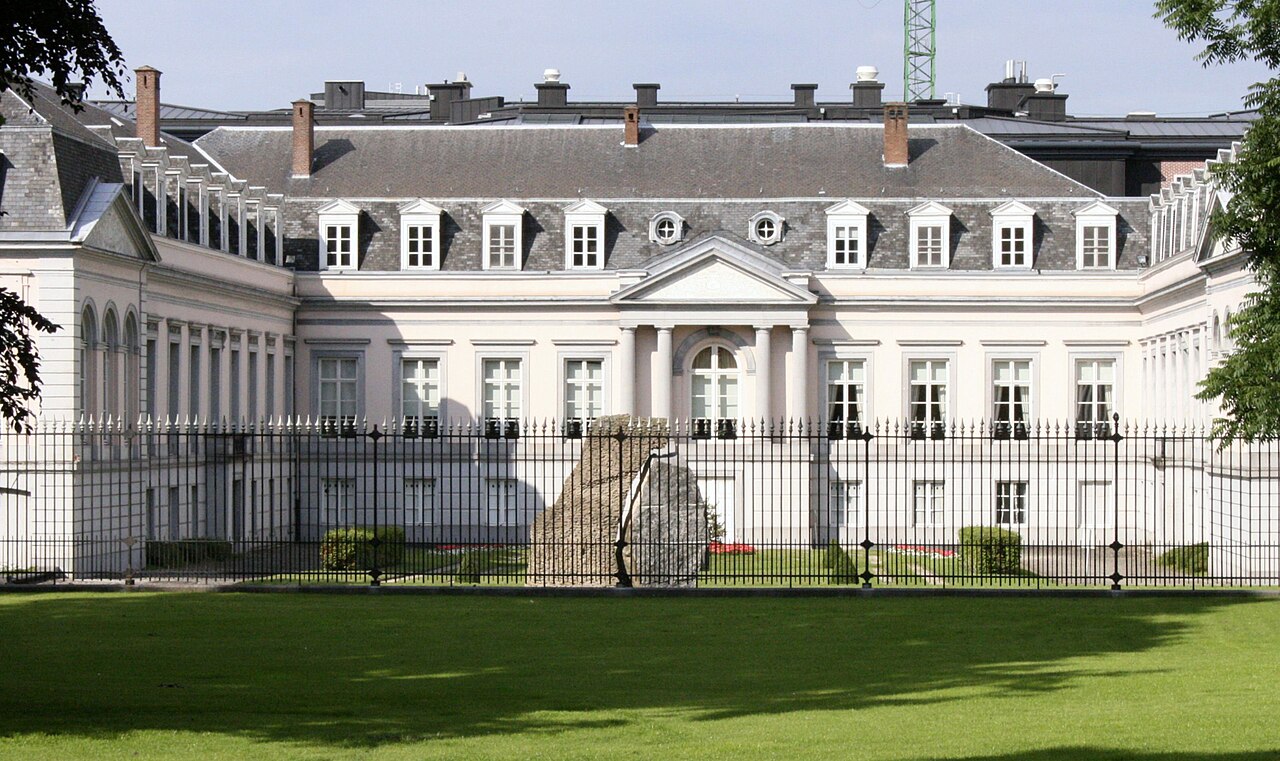
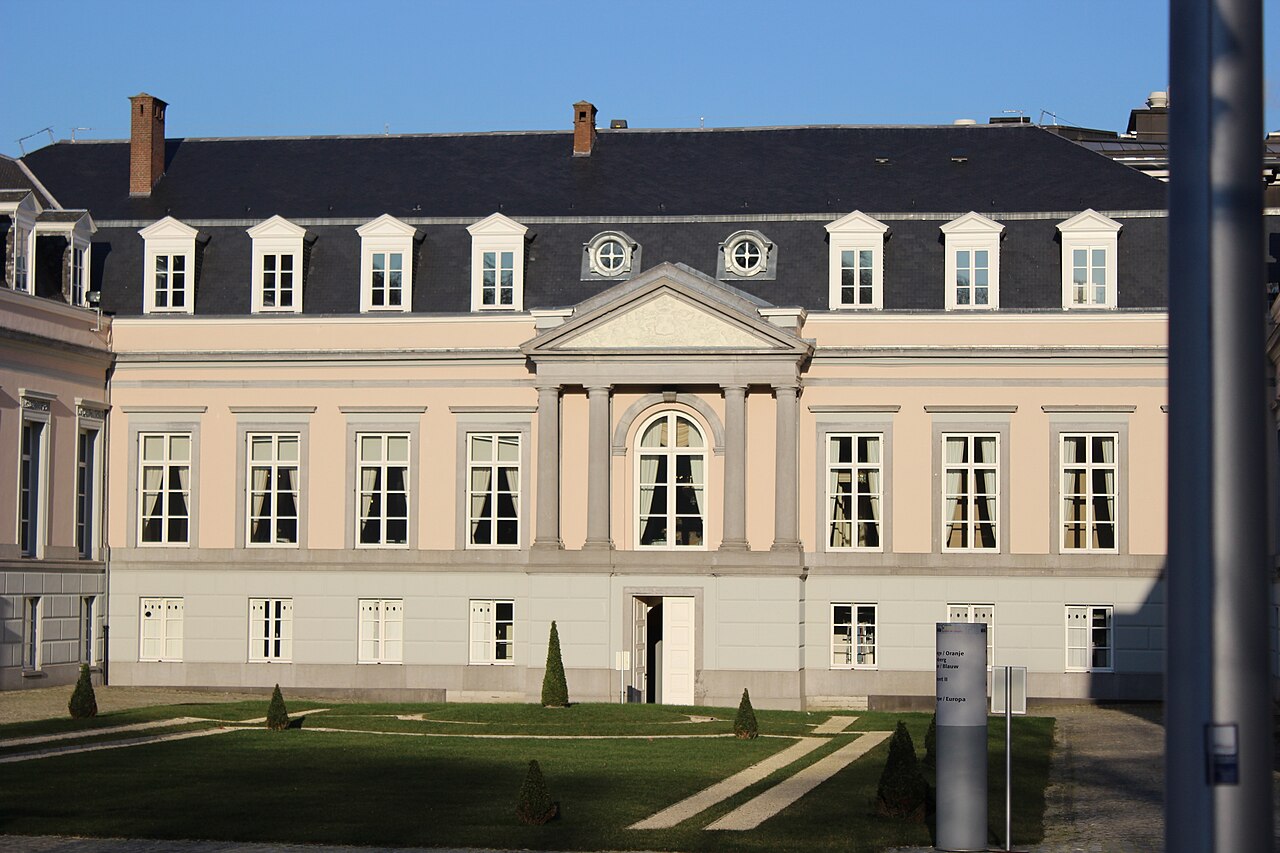
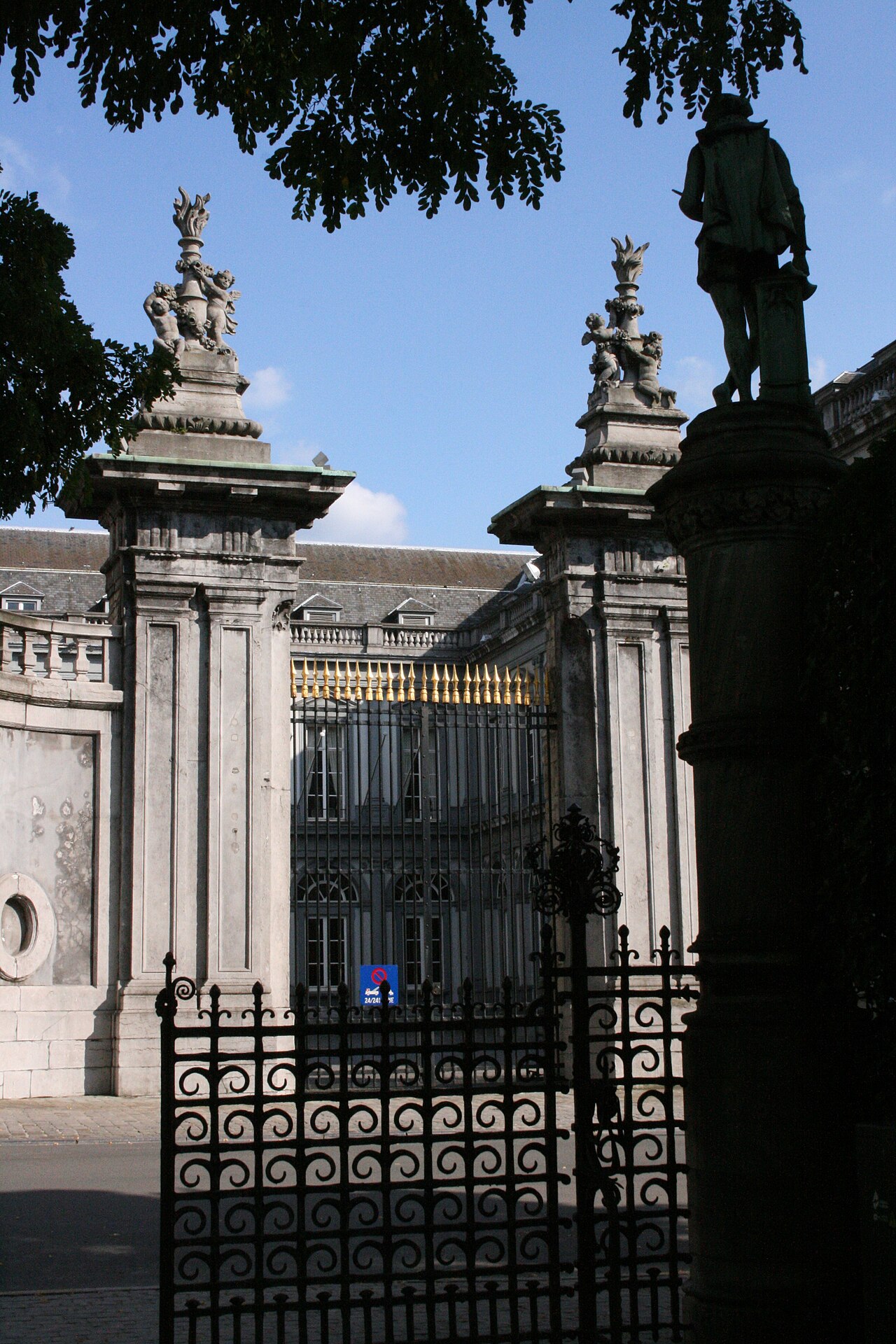
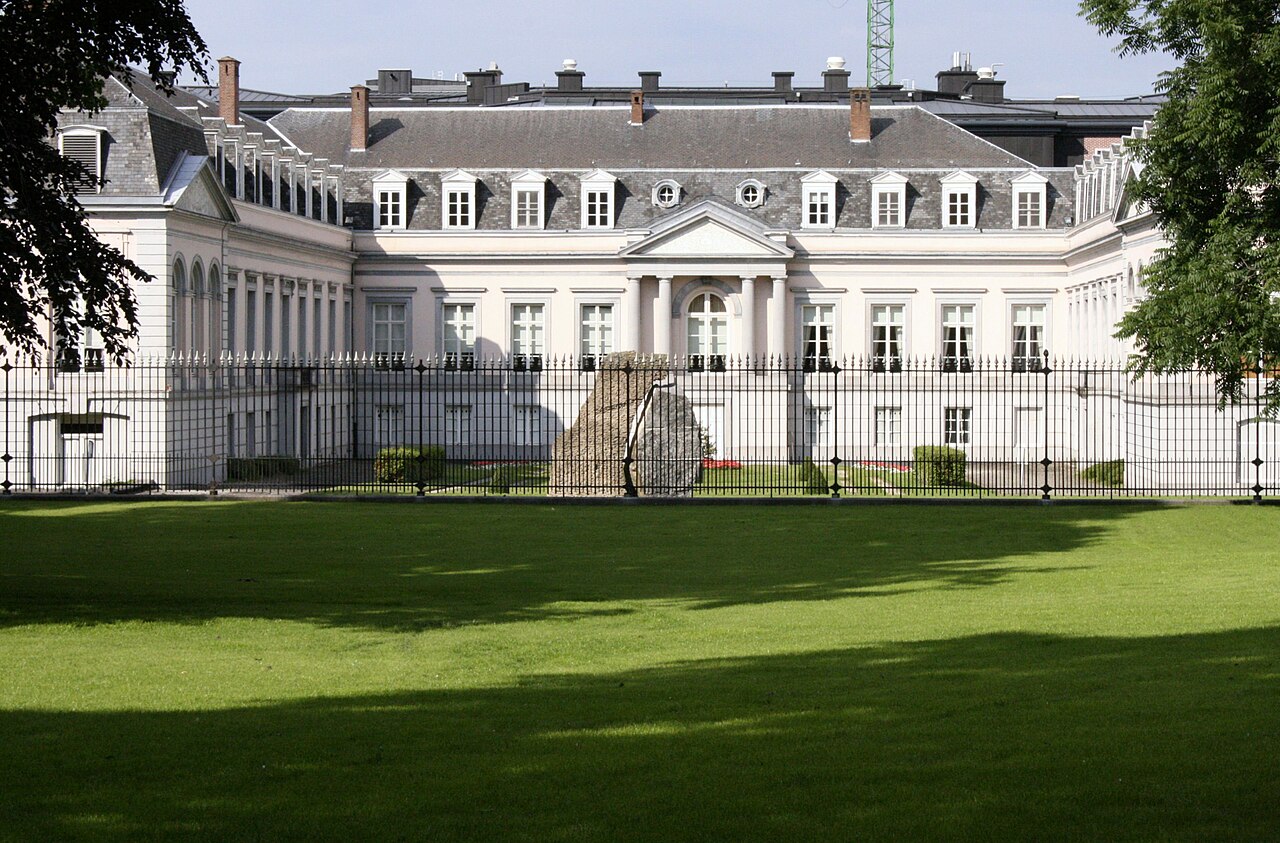
Egmont Palace is a historic aristocratic residence beside the Petit Sablon in central Brussels. Today it serves as a venue for Belgian and international state functions, diplomatic meetings, ministerial gatherings and ceremonial occasions. Its connection with the Counts of Egmont gives the building a strong place in the history of the Low Countries. For travellers, the palace is best understood as a working government setting with historic architecture, rather than as a conventional museum with unrestricted daily entry. Egmont Palace is a historic aristocratic residence in Brussels, now serving as a venue for Belgian and international state functions. The palace carries the name of the Egmont counts, a prominent noble family in the Low Countries. Its classical architecture and gardens occupy a significant site near the Petit Sablon. The building functions primarily as a working government and diplomatic venue rather than a conventional public monument, which shapes visitor access significantly. The palace functions primarily as a governmental and diplomatic venue without standard public access provisions. Casual tourism visits are not accommodated.
The palace contains reception rooms, salons and spaces used for diplomatic meetings, ministerial gatherings and ceremonial events. Historic decorative features from its aristocratic period may be encountered during an approved function or special access occasion. Working offices share the site with formal rooms, so the building does not offer a standard museum circuit. Travellers viewing the exterior can pair the palace with the Petit Sablon and the surrounding historic streets, creating a fuller sense of the district without depending on interior entry. The interior contains state reception rooms, salons, and spaces configured for diplomatic meetings, ministerial gatherings, and ceremonial events.
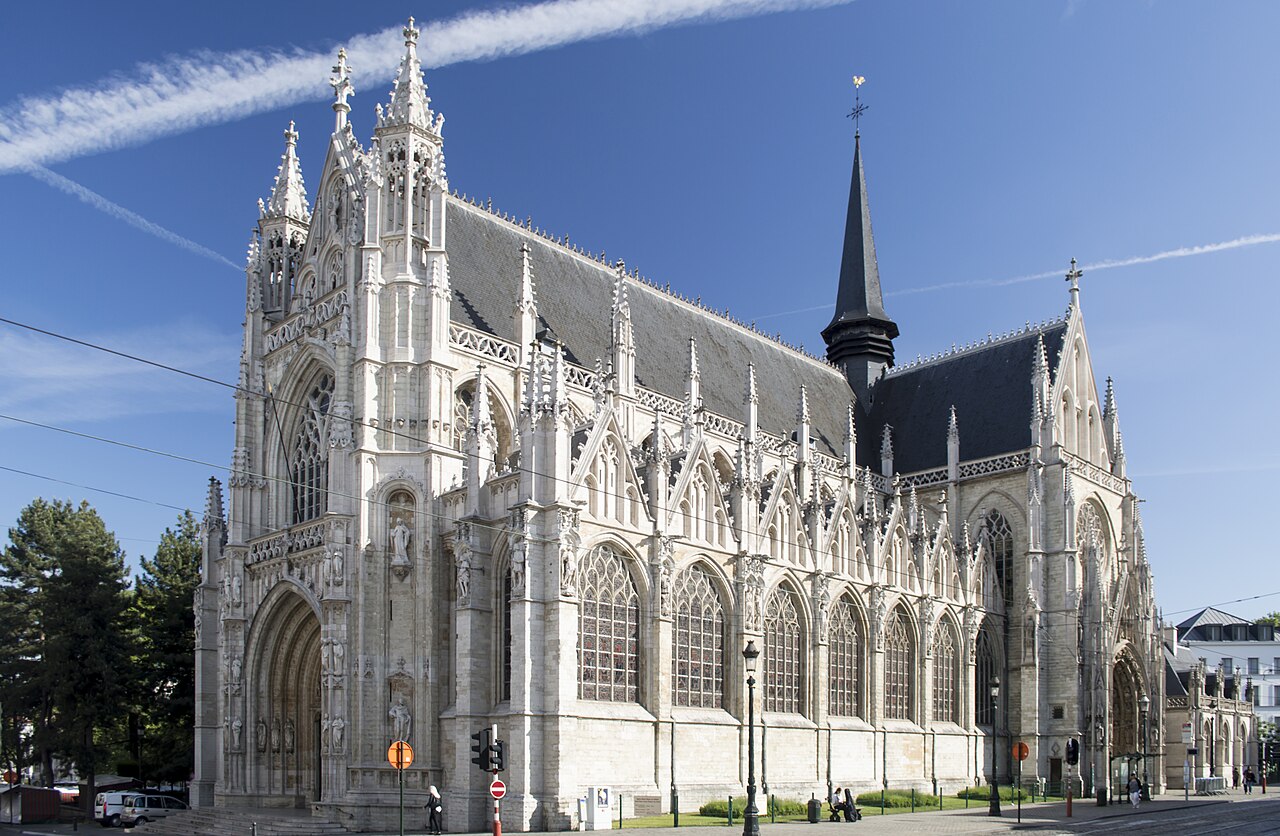
Egmont Palace has no regular sightseeing duration because access depends on an invitation, an arranged event or an exceptional open-door occasion. If you have approved entry, the time required will follow the programme and the areas made available. For an exterior stop, allow enough time to view the building near the Petit Sablon and continue through the neighbouring square and streets. Notre-Dame du Sablon provides a nearby conventional attraction when the palace itself cannot be entered.
Casual visitors do not have a published daily schedule for Egmont Palace. The site follows government and diplomatic activity, so access can change with official functions and security arrangements. Daylight is the most useful time for appreciating the exterior and linking the stop with the Petit Sablon, nearby streets and Notre-Dame du Sablon. Treat the palace as a planned architectural sight or event destination, not as a walk-in museum on a fixed Brussels sightseeing timetable.
Egmont Palace does not operate with a standard public admission structure. Entry belongs to specific official functions, invitations or organised occasions rather than ordinary museum ticketing. If your Brussels visit includes a recognised event at the palace, follow the arrangements attached to that event. A normal attraction pass or commercial city tour should not be treated as an interior-entry ticket. The Petit Sablon and surrounding public streets remain useful companions for a visit focused on the exterior.
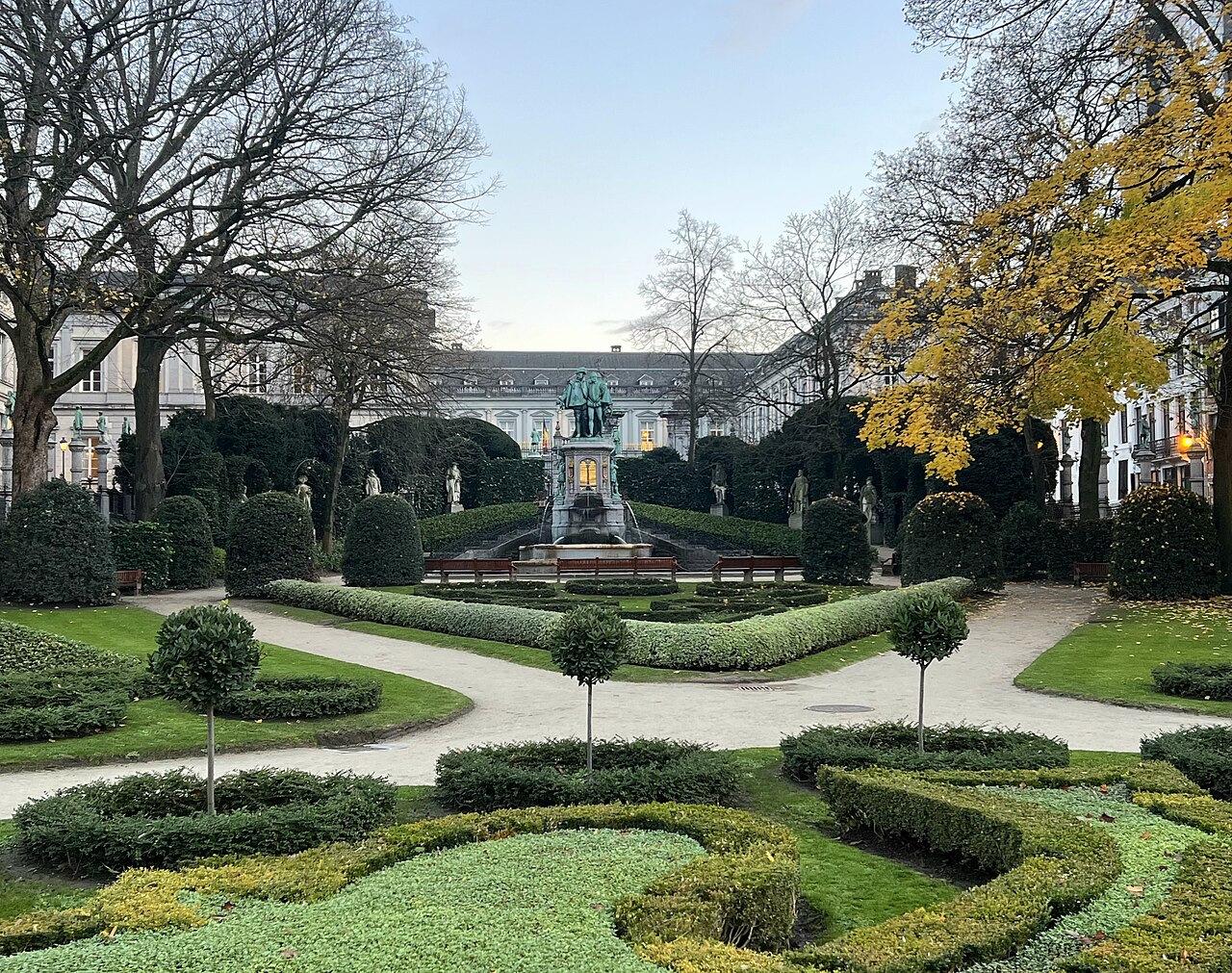
The palace stands near the Petit Sablon in central Brussels, an area that fits naturally into a walking route through the historic centre. Metro, tram and bus services connect the wider Sablon district, while cycling and walking are practical for nearby landmarks. Driving is less convenient because central streets offer limited parking and official movements may affect access. Use the mapped palace location to orient yourself, then approach respectfully through public streets rather than searching for an unannounced entrance.
Egmont Palace is an active governmental and diplomatic venue, and security has priority over sightseeing. Do not linger at entrances, cross barriers or photograph security personnel, official vehicles or controlled areas. Access may change around state visits, meetings or other official duties. Keep the palace distinct from adjacent Egmont Park, which is a separate public green space with its own access conditions. The surrounding Sablon area can be busy, so keep personal belongings secure while moving between landmarks.
Exterior views from public thoroughfares can form part of a Brussels architecture walk, with the Petit Sablon providing additional subjects nearby. Interior photography follows the rules of the event or function granting access, and security considerations matter throughout the site. Keep cameras and equipment discreet around entrances, barriers and official activity. The adjacent square, church and sculpture garden offer easier subjects for a broader photographic stop when palace access is limited to an exterior view.
It is a historic aristocratic residence now used for Belgian and international state functions, diplomatic meetings and ceremonial events.
Where is Egmont Palace?
Egmont Palace is beside the Petit Sablon in central Brussels, within a walkable historic district containing Notre-Dame du Sablon and other heritage sights.
Who gives Egmont Palace its name?
The palace takes its name from the Counts of Egmont, a prominent noble family in the history of the Low Countries.
What can I see near Egmont Palace?
The Petit Sablon, Notre-Dame du Sablon, surrounding historic streets and adjacent Egmont Park make a natural group of nearby sights.
Is Egmont Palace a conventional museum?
No. It is primarily a working governmental and diplomatic venue containing reception rooms, salons and offices rather than a standard self-guided museum circuit.
What should I keep in mind when photographing Egmont Palace?
Keep photography discreet around entrances, barriers and official activity, and follow any rules attached to an event or approved interior visit.
Nothing non-essential is set before you choose, in regions where consent is required. If you decline, ads still appear and analytics is switched off entirely.


.jpg)


