

.jpg)
6 min walk
The Children's Museum
- High
- Museum
Nature site · Brussels
Jardins de l'Abbaye de la Cambre - Tuinen van de Ter Kamerenabdij
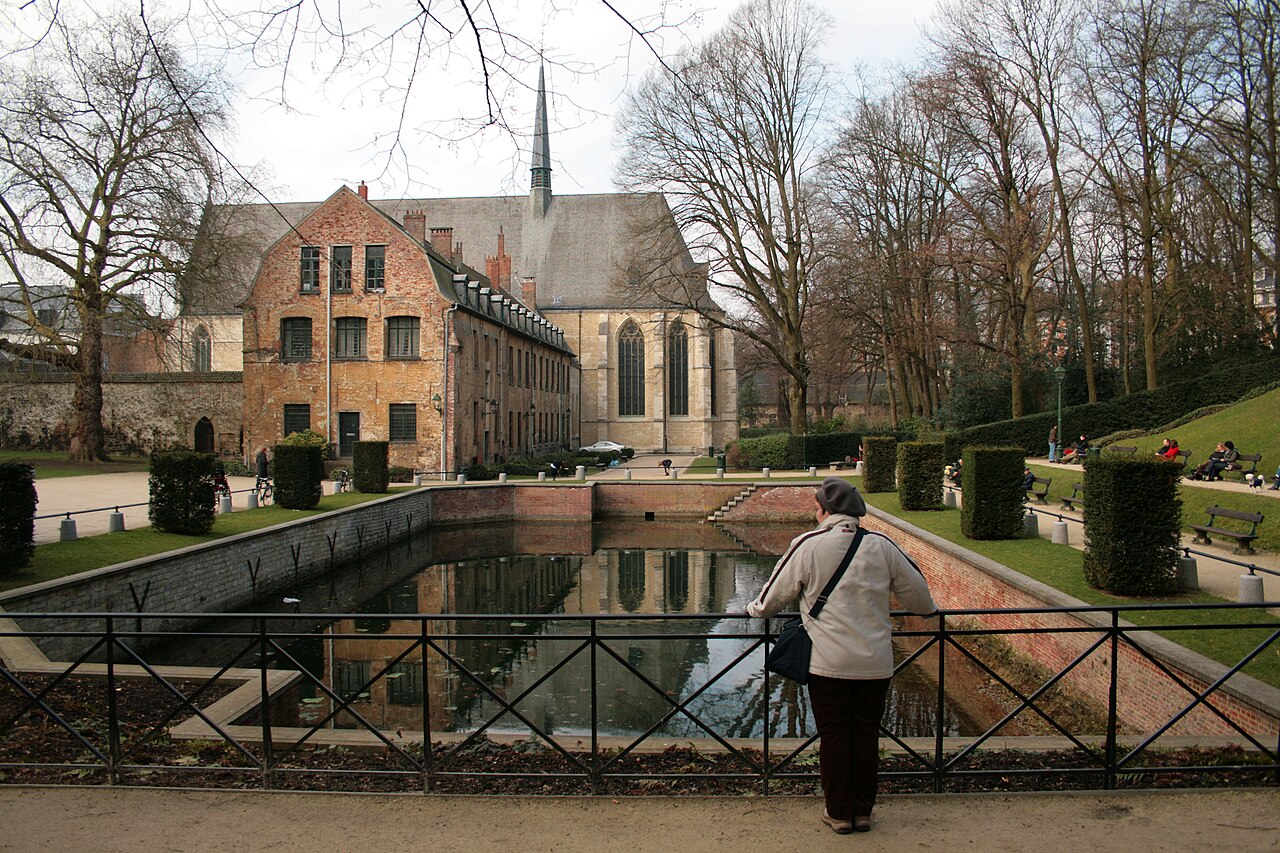
The Gardens of La Cambre Abbey are historic green grounds in Brussels, associated with the former Cistercian abbey founded in the medieval period. The site combines formal garden character, mature greenery, open lawns, and the presence of surviving abbey buildings. In Ixelles, it offers travelers a chance to move from urban streets into a landscape shaped by religious history, water, paths, and long-established planting. The Gardens of La Cambre Abbey constitute a historic landscaped green space in Brussels, associated with the former Cistercian abbey founded in the medieval period. The site blends formal garden elements with naturalistic parkland along the Maelbeek valley. Local name Jardins de l'Abbaye de la Cambre in French and Tuinen van de Ter Kamerenabdij in Dutch reflects Brussels bilingual character. The gardens occupy a significant footprint in the Ixelles municipality, serving as recreational grounds for residents and visitors. The abbey buildings themselves, partially preserved, anchor the northern portion of the grounds.
Checked 2026-08-26 · Source
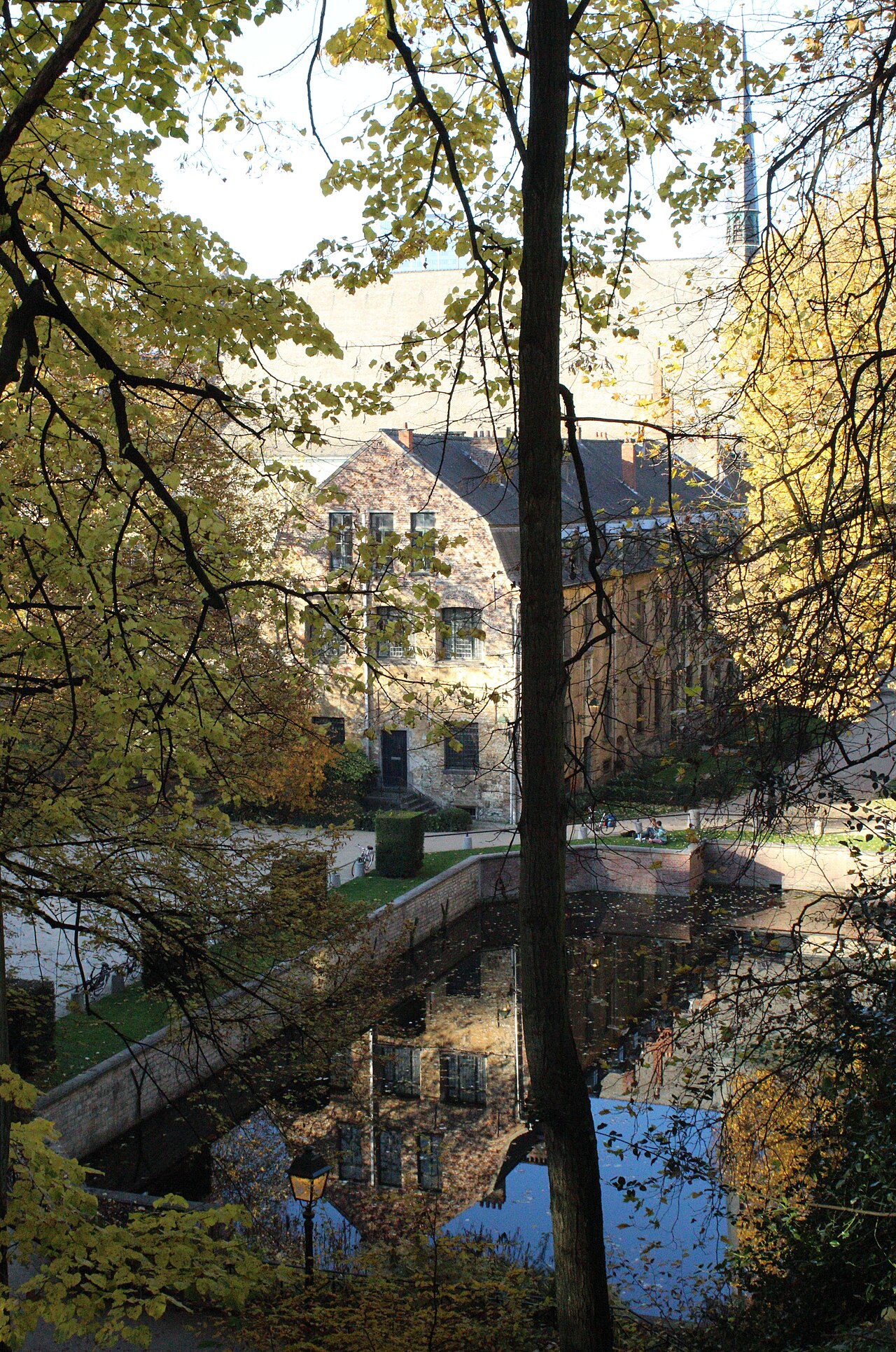
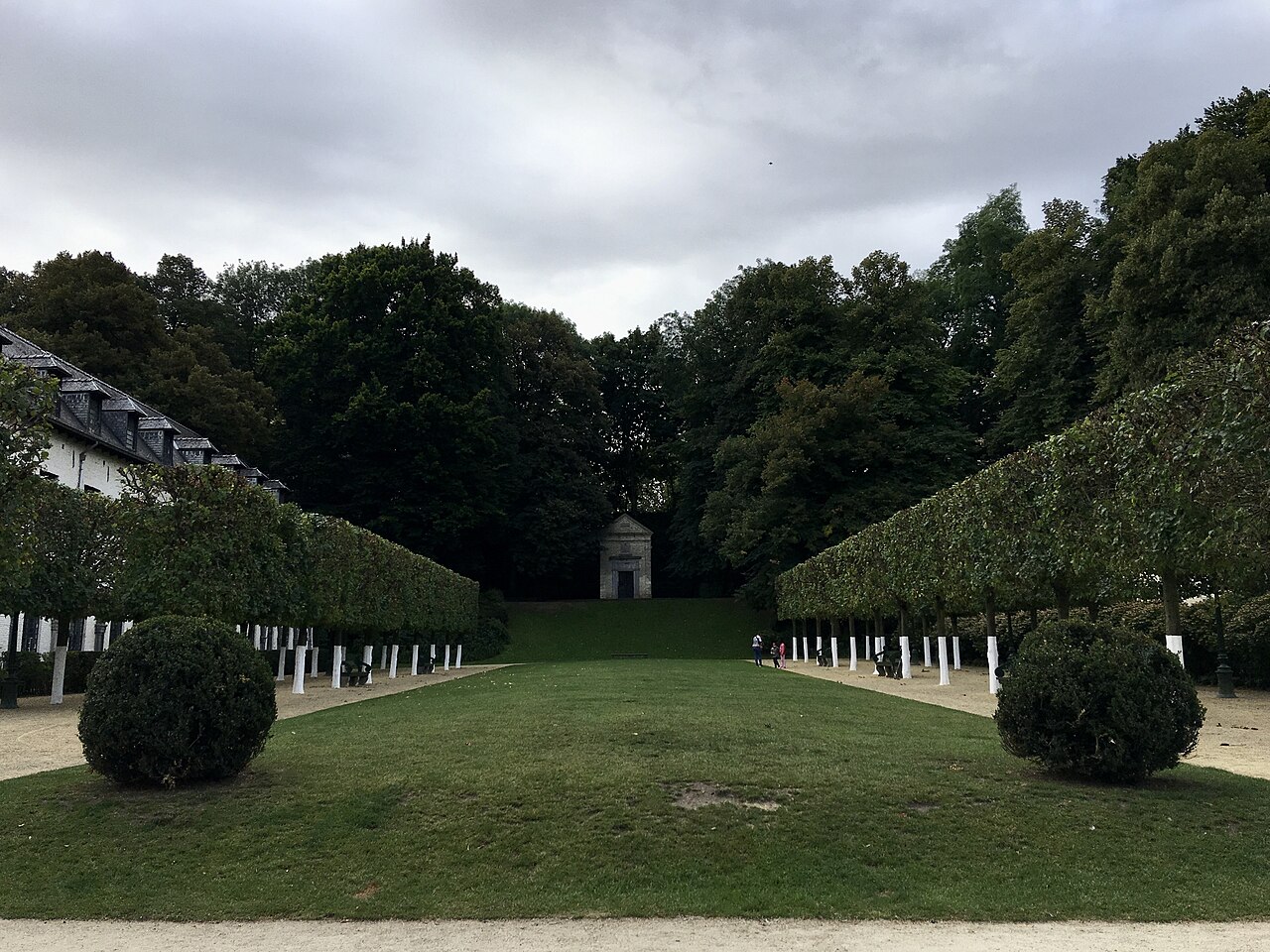
Walkways lead through tree-lined areas, open lawns, and water features connected with the Maelbeek valley. Mature trees give the gardens a sense of depth, while the abbey structures provide an architectural counterpoint to the greenery. The experience is primarily one of walking and looking: compare formal edges with more natural vegetation, notice reflections near water, and use the paths to understand how the grounds unfold. The gardens contain varied landscape features including tree-lined avenues, open lawns, and water elements connected to the Maelbeek stream. The former abbey structures, some adapted for contemporary use, stand at the garden edge. Mature specimen trees populate the grounds, suggesting long-established horticultural development. Walkways traverse the terrain, permitting circulation through distinct garden zones. The interface between cultivated landscape and more informal woodland margins creates spatial variety. Seasonal vegetation changes affect visual character throughout the year.
Checked 2026-08-26 · Source
A purposeful walk through the principal paths can be a compact stop, while a slower visit benefits from extra time for lawns, trees, water, and the abbey setting. Visitors using the gardens for a break may linger, sit, or repeat a section of the route. Include additional time if architectural details matter to you. The grounds work equally well as a brief pause and as part of a longer Ixelles outing.
Checked 2026-08-26 · Source
The gardens are most rewarding when the weather supports outdoor walking. Spring and autumn bring strong seasonal changes in planting and tree color, while summer offers longer daylight for exploring the paths and open spaces. After rain, choose footwear that can handle damp ground. The setting also gives rainy-day travelers a useful outdoor option when conditions improve, even if the visit needs to remain shorter.
Checked 2026-08-26 · Source
Treat the gardens as a landscape and heritage visit rather than a ticketed indoor attraction. Their value comes from the combination of abbey history, paths, lawns, trees, and water. If you are planning a broader Brussels route, the grounds provide a natural pause between urban sightseeing stops. Bring time for unstructured wandering, since the gardens are best experienced through the contrasts between formal design and informal greenery.
Checked 2026-08-26 · Source
The gardens are in Ixelles, within Brussels’ urban area and connected to the capital’s walking, cycling, and public transport network. Build the approach around the mapped garden location, then allow time to walk through the grounds rather than stopping only at the edge. Driving requires attention to city parking conditions. The Maelbeek valley landscape can make the route feel more spacious than the surrounding streets once you enter the gardens.
Checked 2026-08-26 · Source
Rain can make paths damp and uneven ground more difficult, so comfortable shoes are useful. Water features call for extra care with young children. The grounds are an urban green space, making ordinary awareness of belongings sensible. Weather changes quickly in Brussels; a light outer layer can improve the visit. Near dusk, pay attention to visibility and choose a route that keeps you comfortable as daylight fades.
Checked 2026-08-26 · Source
The gardens provide photographs that combine architecture, mature trees, lawns, paths, and water reflections. Use the abbey buildings as a visual anchor, then vary the frame to include the wider landscape. Morning and evening light can add depth to façades and vegetation. After rain, reflections may enrich compositions, but protect equipment and keep paths clear. Photograph quietly and leave space for people enjoying the gardens.
Checked 2026-08-26 · Source
They are historic landscaped grounds in Ixelles associated with a former Cistercian abbey and combining greenery, paths, water, lawns, and surviving buildings.
Look for tree-lined areas, open lawns, water features connected with the Maelbeek valley, mature vegetation, paths, and abbey architecture.
Yes. The gardens support both a short purposeful circuit and a slower visit centered on greenery, water, architecture, and quiet urban respite.
Spring and autumn offer pronounced seasonal changes, while summer provides longer daylight for exploring the outdoor paths and lawns.
Comfortable walking shoes and a weather-appropriate layer are useful, particularly after rain or during cooler Brussels conditions.
The abbey buildings, mature trees, open lawns, paths, water reflections, and contrasts between formal and naturalistic planting provide varied subjects.
Loading the interactive map…
The interactive map could not be loaded.

Last updated:
Source: OpenStreetMap contributors, Wikidata ·