


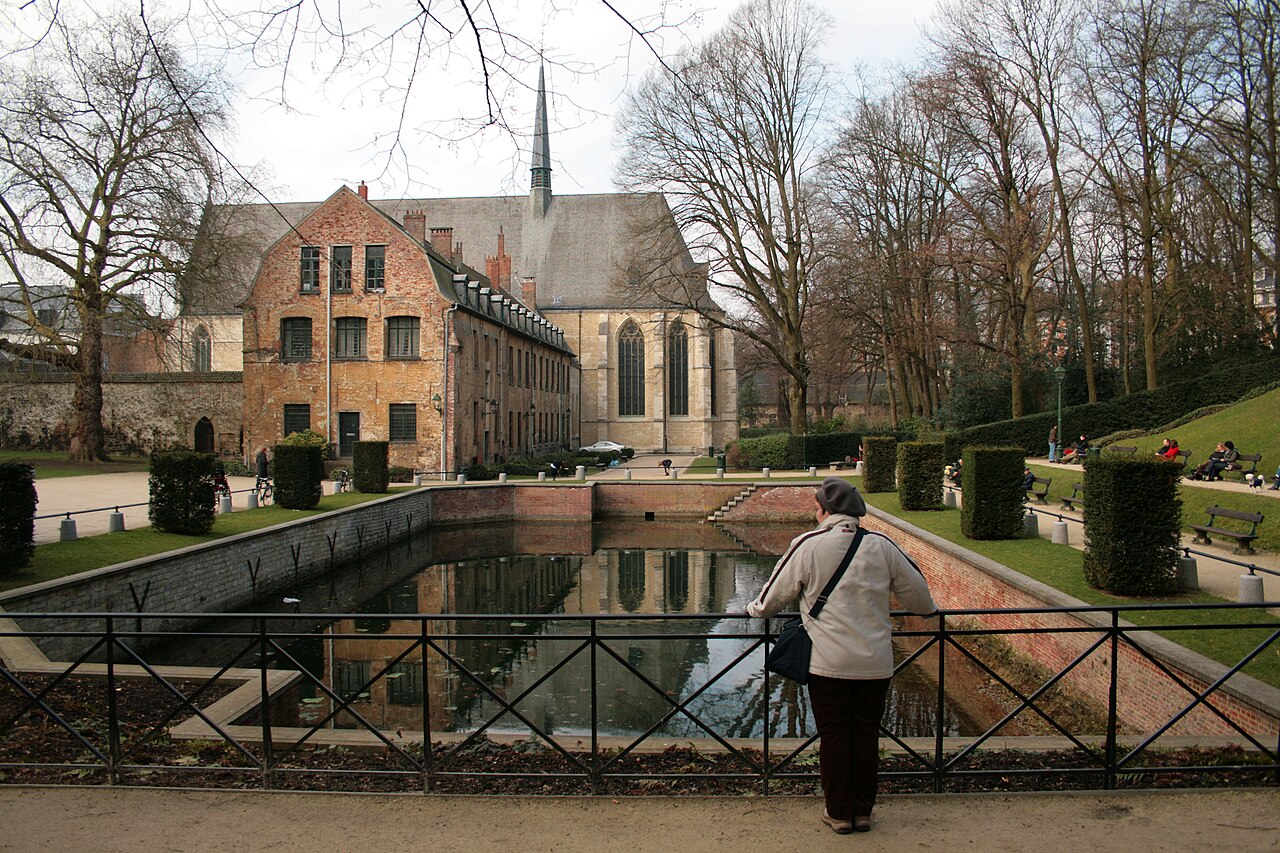
6 min walk
Gardens of La Cambre Abbey
- High · Heritage site
- Nature site
Language · 11 published
Museum · Brussels
Le Musée des Enfants - Het Kindermuseum
Reviewed by Elena Voss · Roavina Travel Editor
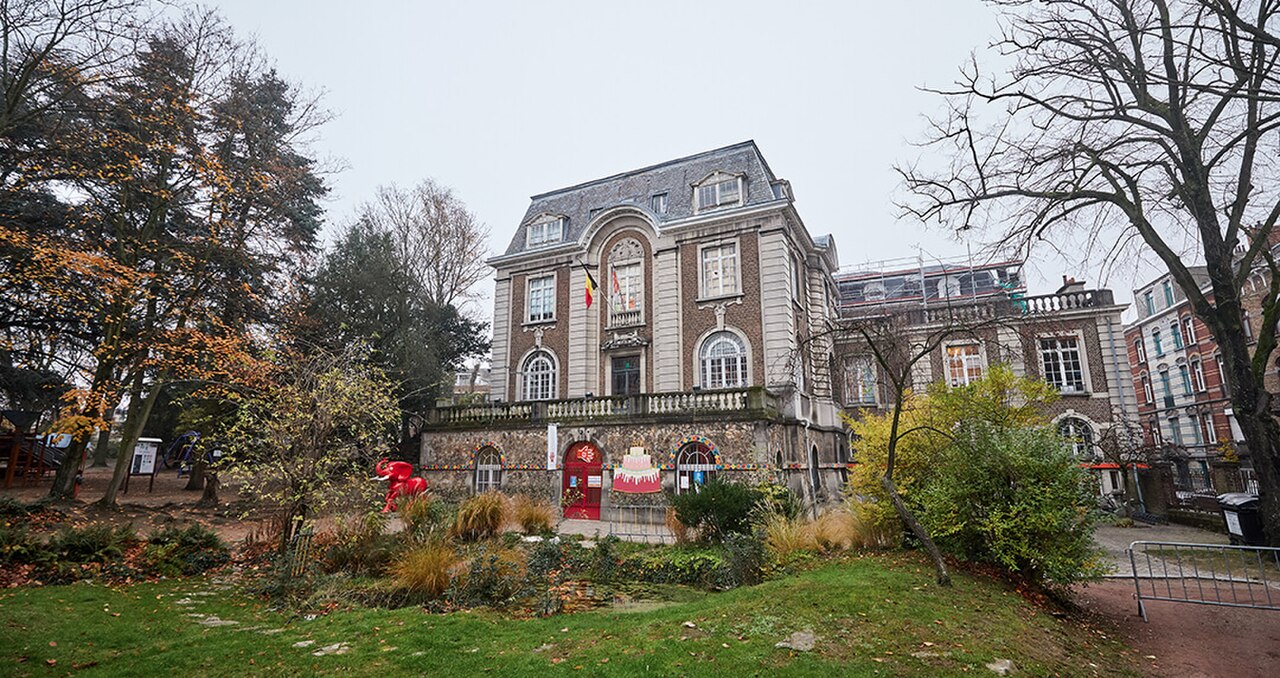
This place is a Museum. It opened in 1976.
The Children’s Museum, known as Le Musée des Enfants or Het Kindermuseum, is a Brussels attraction built around learning through play. It gives children an active role, encouraging them to explore, handle, imagine, and make connections outside a traditional classroom. Families looking for an experience led by curiosity rather than quiet observation can make this a central stop in a child-focused Brussels day. The Children's Museum, known locally as Le Musée des Enfants or Het Kindermuseum, is a Brussels institution dedicated to young visitors. It occupies a purpose-built space designed for interactive learning through play. The museum serves the bilingual community of Brussels, operating in both French and Dutch. Its mission centres on child development and education outside traditional classroom settings. The museum is identified by production node/11112672276 in city POI databases, with coordinates preserved without approximation from source records. Parents should enquire directly about suitable activities for very young children.
Checked 2026-08-26 · Source
The museum combines hands-on exhibits, activity areas, creative exploration, and educational workshops. Children can learn through movement, sensory discovery, imaginative play, and practical participation. The bilingual Brussels context gives the attraction a French- and Dutch-speaking setting. Families should approach the visit as an opportunity for children to choose, experiment, and return to activities that hold their attention, rather than moving through rooms as quickly as possible. The museum contains hands-on exhibits and activity zones tailored to children of various ages. Interactive installations encourage exploration, creativity, and sensory engagement. Workshop spaces support structured educational programmes. Thematic displays rotate to maintain visitor interest across repeat visits. Visitors should consult the museum directly for up-to-date information on what is presently available for children and families to experience. A flexible visit lets travellers connect The Children's Museum with the rest of the day without treating one room, viewpoint or photograph as the whole experience. The useful pace depends on personal interest and conditions on arrival.
Checked 2026-08-26 · Source
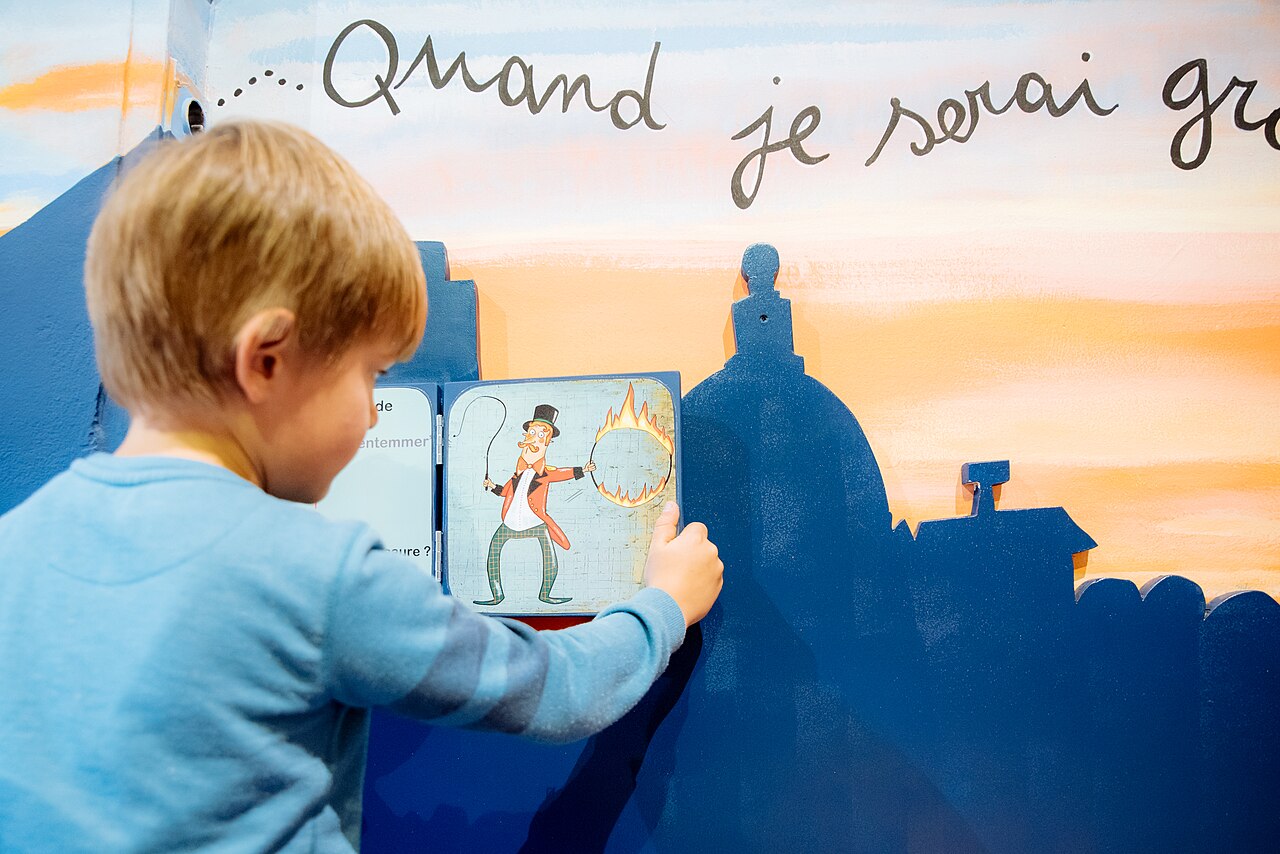
A family visit can comfortably fill a substantial part of the day because children need time to understand each activity, repeat favorite discoveries, and change pace. Younger visitors may concentrate on simpler sensory or imaginative experiences, while older children may stay longer with activities that involve problem-solving. Leave room for pauses between zones so the visit feels playful rather than hurried. A typical family visit to The Children's Museum generally requires between two and three hours to engage meaningfully with the available activities. This duration allows children sufficient time to explore interactive stations without rushing.
Checked 2026-08-26 · Source
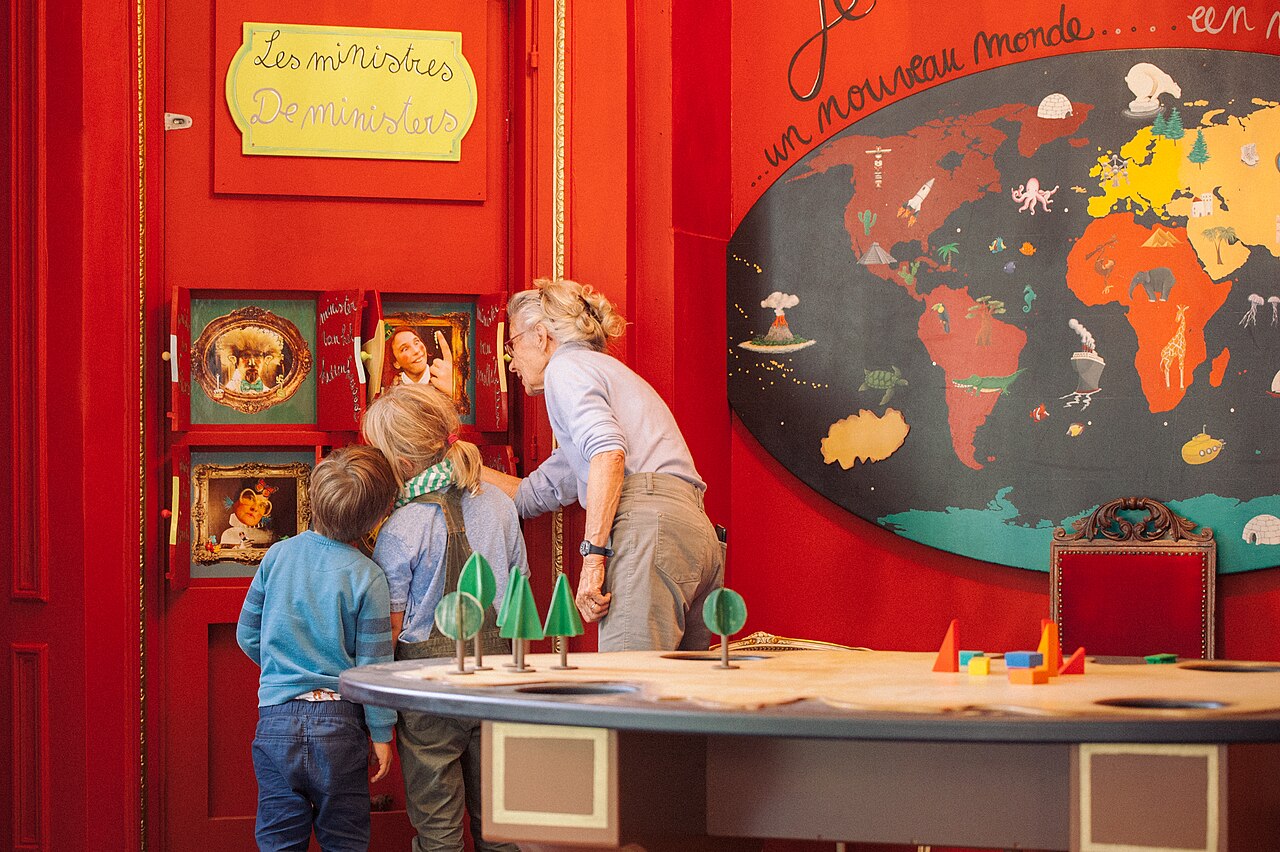
The museum is a strong choice for a rainy Brussels day because its appeal comes from indoor, hands-on activity. Families with flexible schedules may prefer a quieter weekday period, while weekends and school breaks naturally fit family travel. Consider the children’s energy when planning the surrounding itinerary: an interactive museum can be more enjoyable when it is given the attention and unhurried time it deserves.
Checked 2026-08-26 · Source
The attraction is designed around children’s participation, so plan the visit as a family activity rather than a quick adult museum stop. Its educational purpose makes it suitable for a day where play and learning share equal importance. Families can build the experience around the child’s interests, leaving flexibility for creative activities, workshops, and repeated exploration of favorite installations.
Checked 2026-08-26 · Source
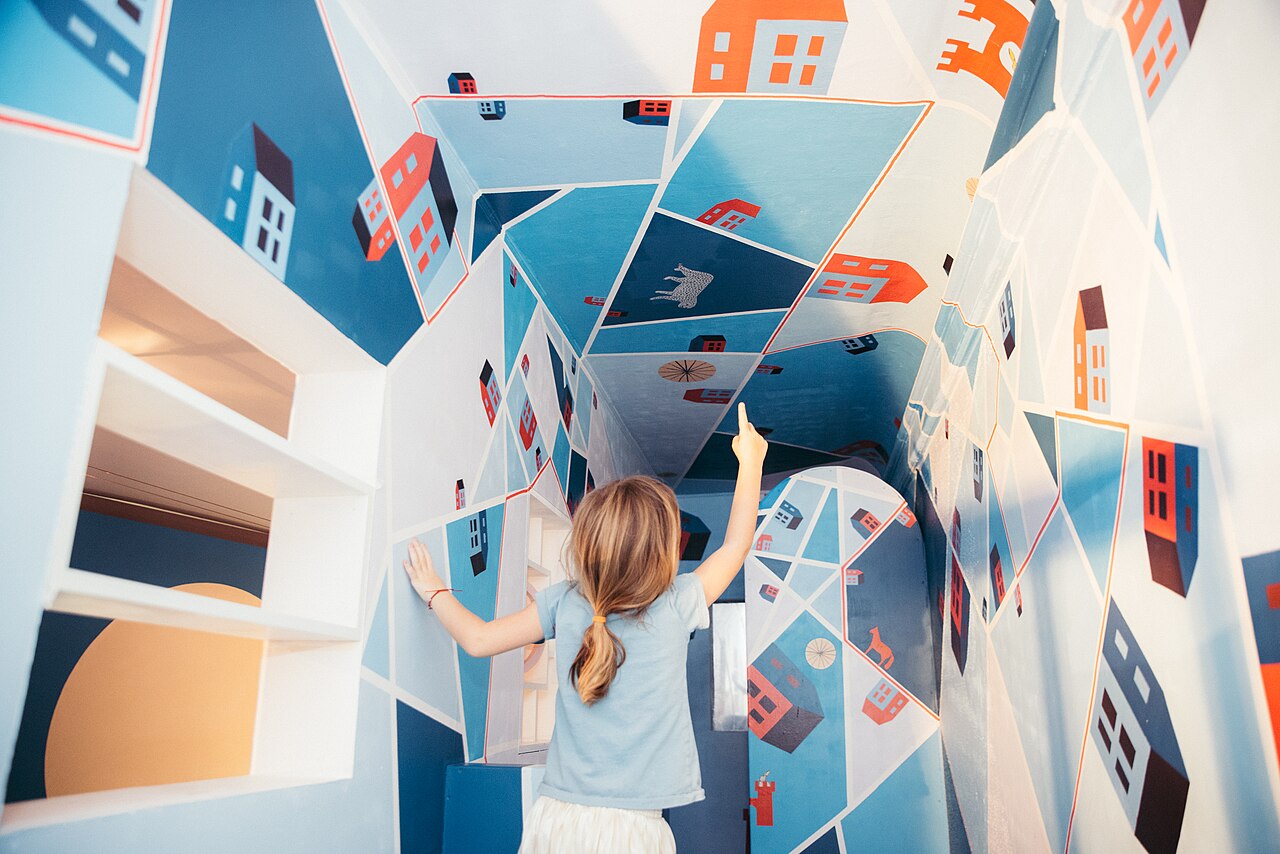
The Children’s Museum is within Brussels and can be included in a day using the city’s public transport network. Metro, tram, and bus services connect the capital’s districts, while walking or cycling may suit families already nearby. When driving, allow for the practical difficulties of urban parking. Use the mapped location for the final approach and keep the route simple for children.
Checked 2026-08-26 · Source
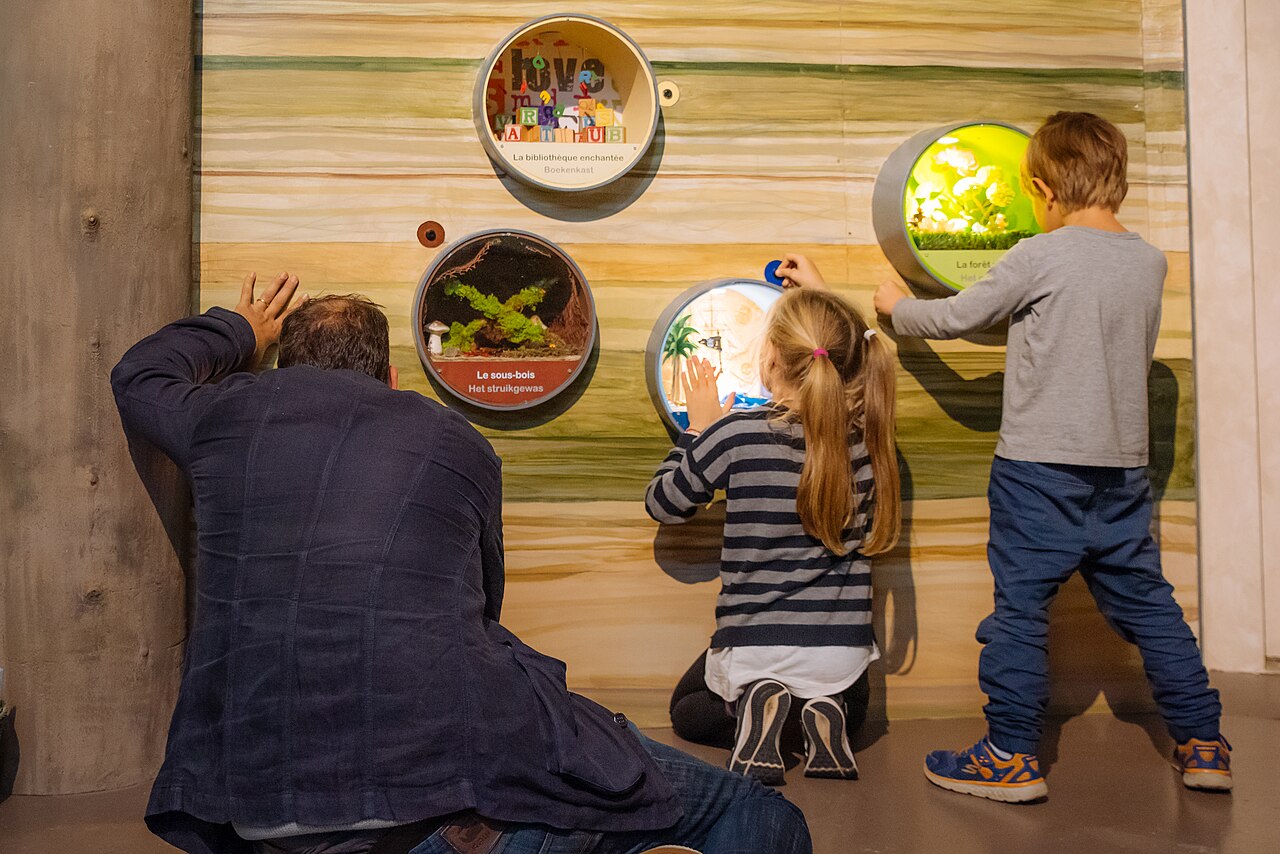
Adult supervision remains important because the museum encourages active participation. Stay close enough to help children use installations appropriately and to keep track of them during busy periods. Match activities to each child’s age, confidence, and energy. The best visit is flexible: allow children to pause, repeat an activity, or move on when their interest changes rather than imposing an adult-paced route.
Checked 2026-08-26 · Source
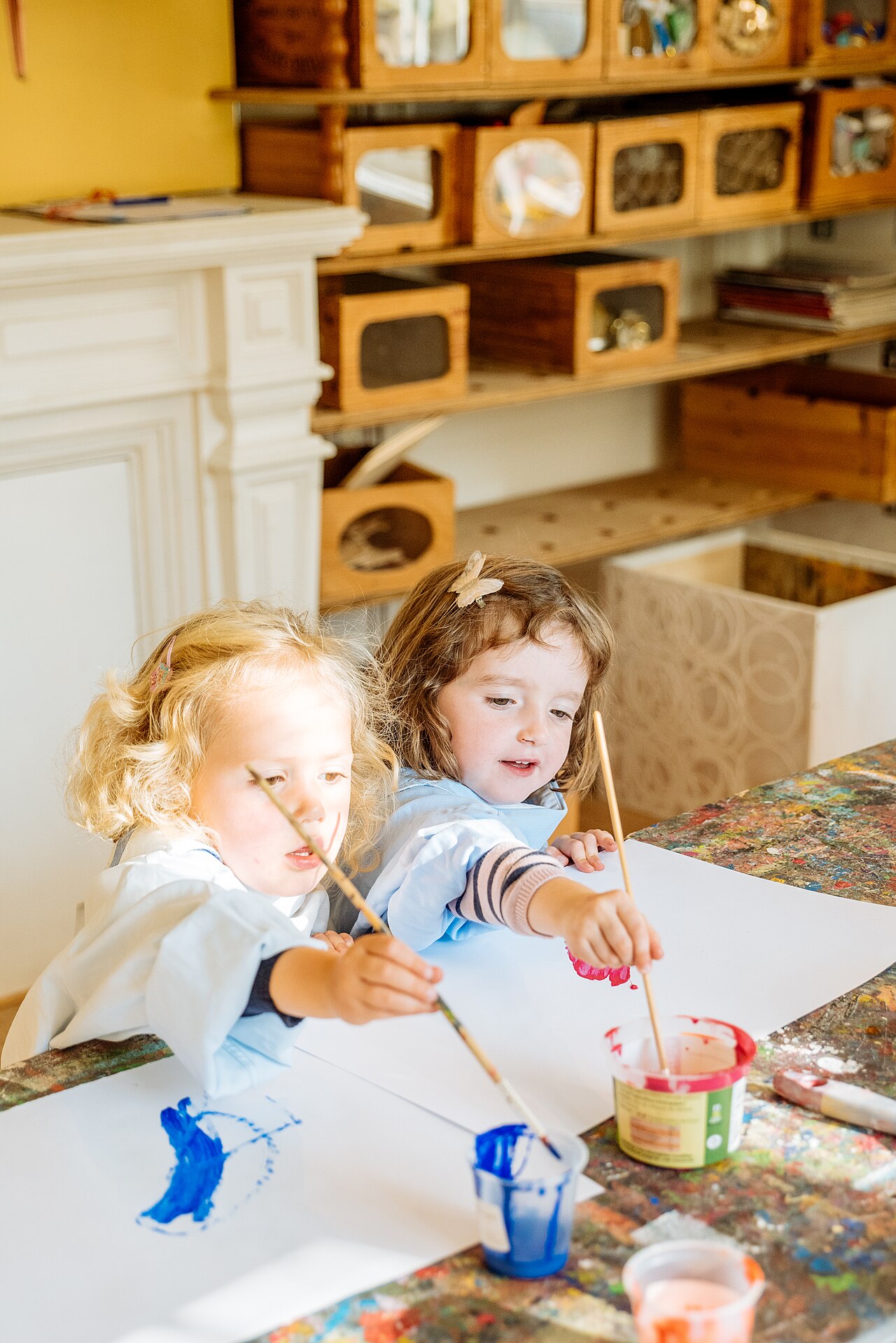
Photography should respect the privacy of children visiting with other families. Focus on your own group and on the museum’s installations, and follow any signs or staff directions about camera use. Avoid turning the visit into a photo session when children are absorbed in play. The strongest memories may come from recording a child’s creative response while keeping other visitors outside the frame.
Checked 2026-08-26 · Source
It offers hands-on learning through play, with interactive areas, creative exploration, sensory engagement, and educational activities.
Yes. The museum is dedicated to young visitors and places children’s curiosity, participation, and development at the center of the experience.
The museum is connected with Brussels’ bilingual French- and Dutch-speaking environment and is known locally by French and Dutch names.
Its indoor, interactive format gives families a child-centered activity that works well when adults want learning and play in the same outing.
Adults should supervise actively while allowing children to choose activities, repeat discoveries, and set a comfortable pace.
Photograph your own family and the installations only when permitted, while protecting the privacy of other children and following museum directions.
Loading the interactive map…
The interactive map could not be loaded.
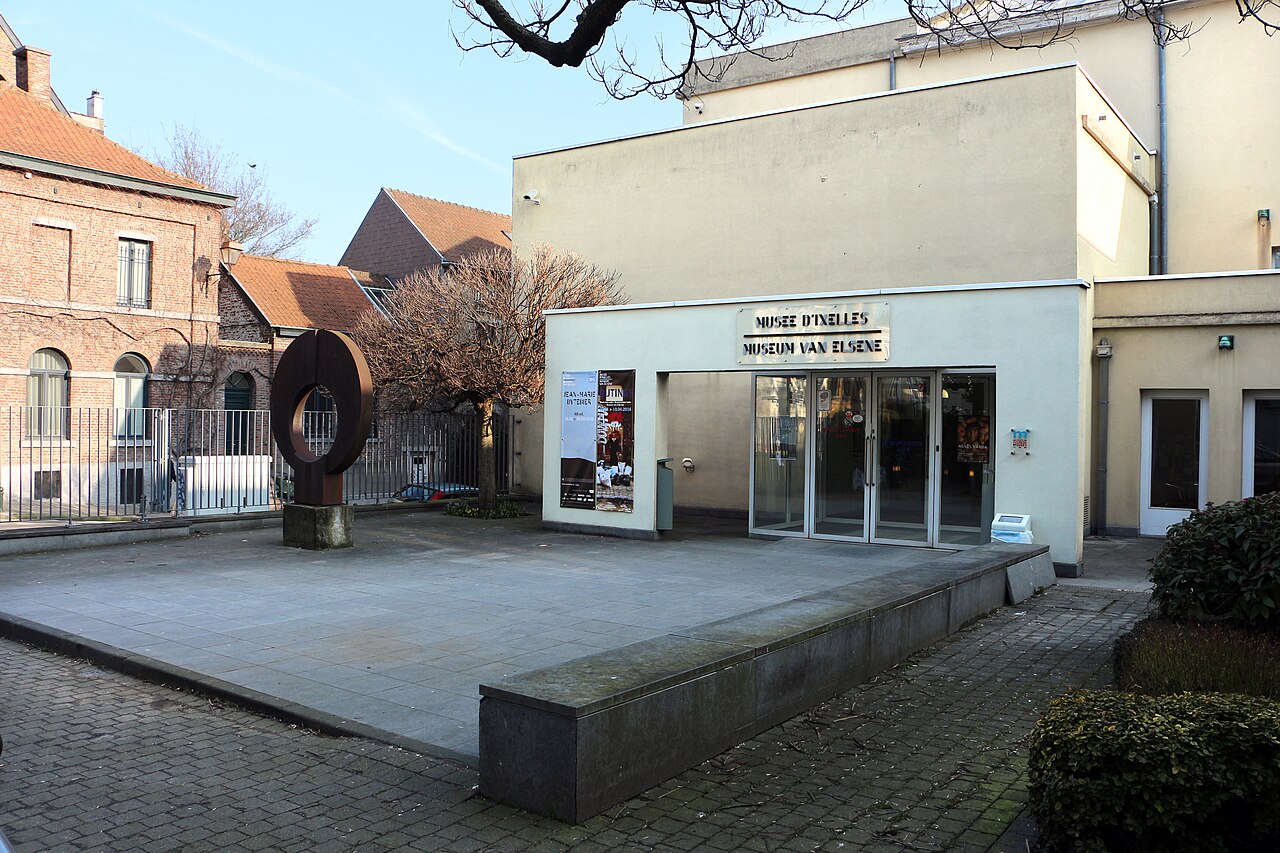

Last updated:
Source: OpenStreetMap contributors, Wikidata ·