
10 min walk
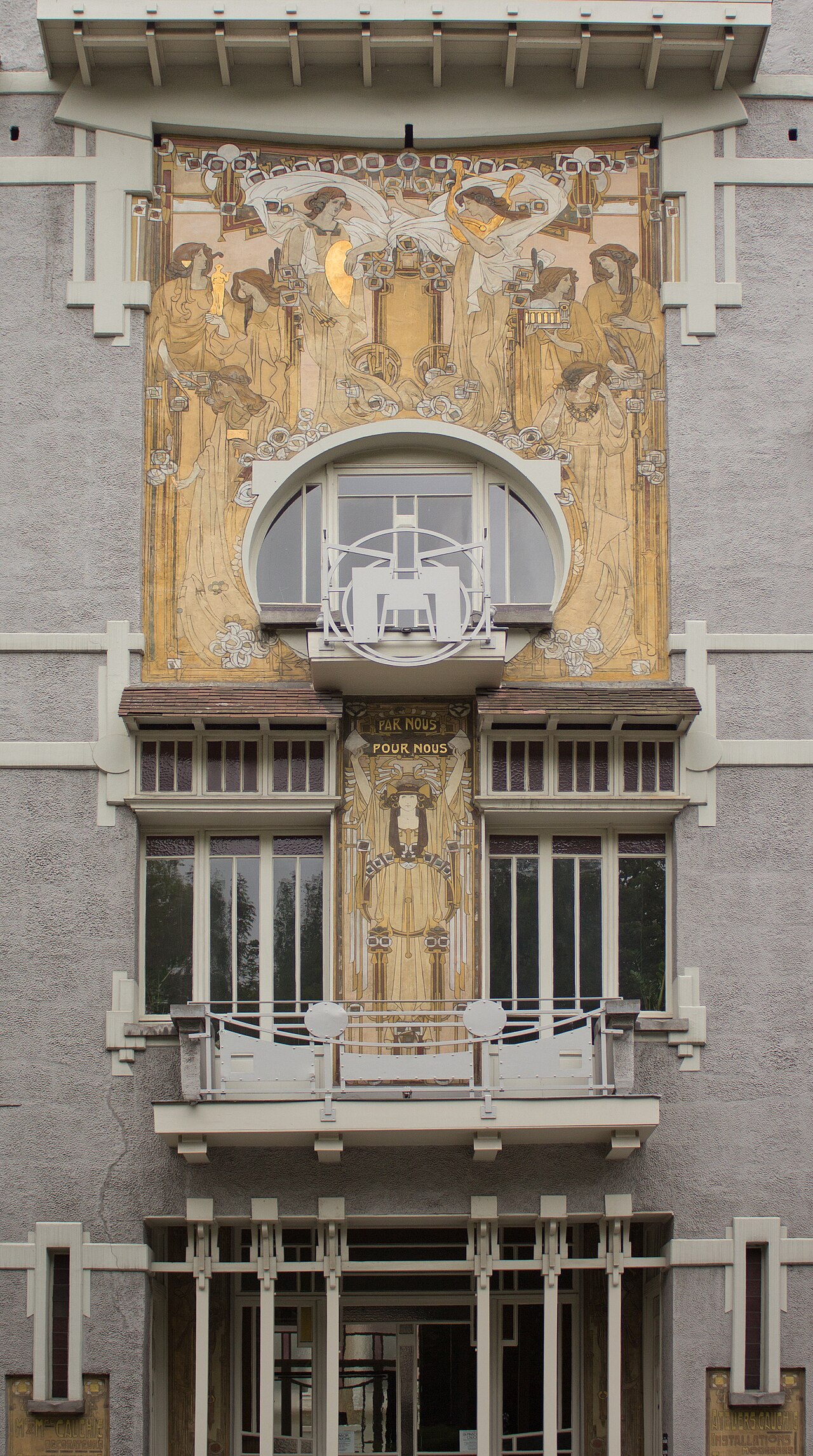
Cauchie House
- Notable · Heritage site
- Museum
Language · 11 published
Historic monument · Brussels
Castel de Lindthout
Reviewed by Elena Voss · Roavina Travel Editor
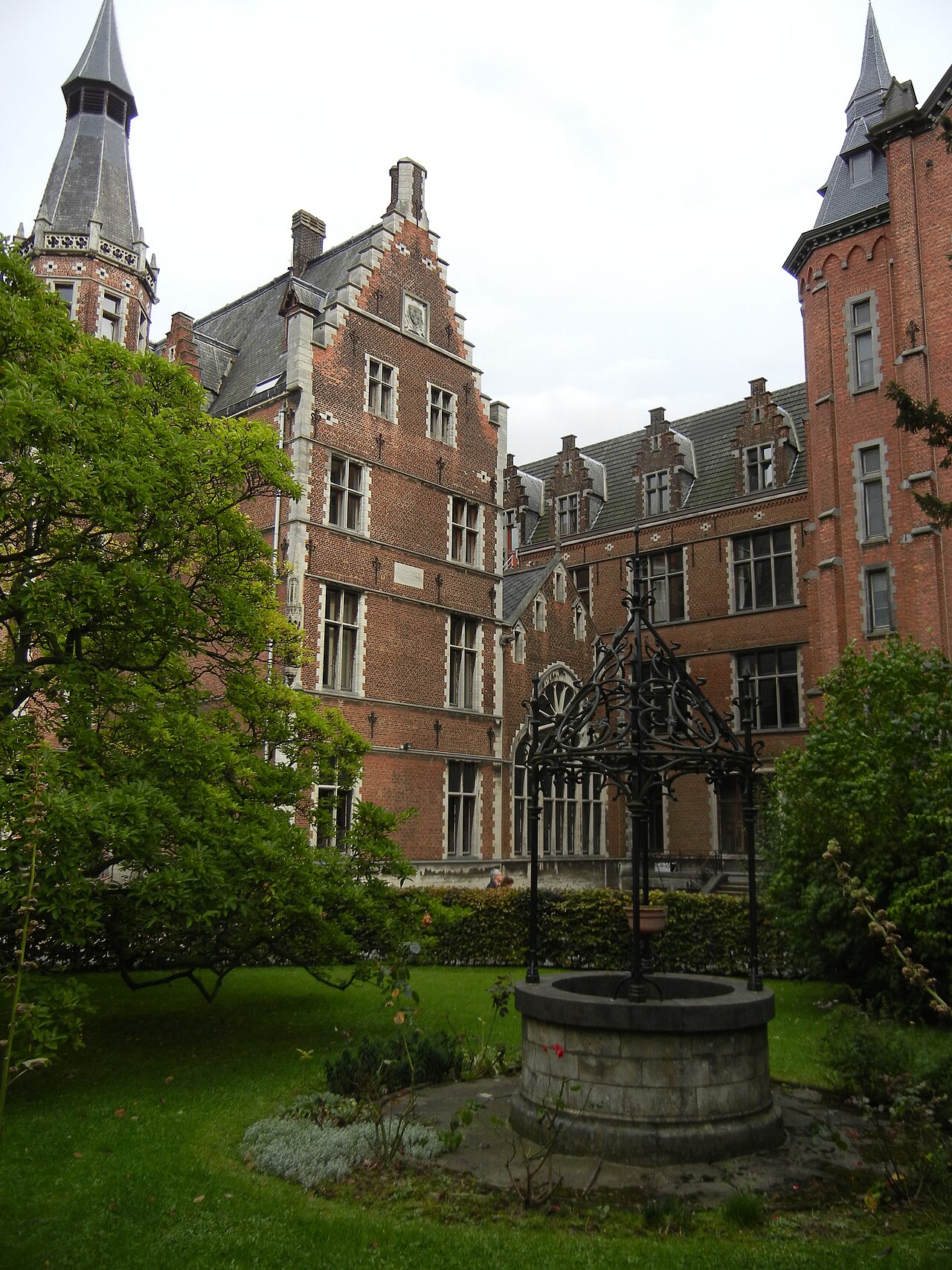
It was built in the Gothic Revival style. It was designed by Julien Walckiers. It carries the protected monument heritage designation.
Linthout Castle, also known as Castel de Lindthout, is a documented historic structure in Brussels and is identified by Wikidata as Q2941363. The building contributes to the architectural heritage of the Belgian capital and to the historic character of the Schaerbeek area. Linthout Castle is a good choice for travelers who enjoy named landmarks, aristocratic or institutional architecture and quieter urban discoveries. The local French name reflects Brussels’ bilingual cultural setting. The castle is best understood as part of the city’s historical fabric: a substantial heritage building encountered within Brussels rather than a separate rural fortress reached by a long excursion.
Checked 2026-08-26 · Source
A detailed interior inventory for Linthout Castle is not supplied, so the building’s exterior identity and urban setting form the clearest supported focus for a visit. Travelers can appreciate the castle as a historic architectural presence in Brussels, observing its scale, design and relationship with the Schaerbeek area. The name and heritage status establish a distinct landmark, but they do not establish a museum collection, period-room route or permanent exhibition. Plan the stop around architectural observation and the surrounding city rather than expecting a described interior program. That approach keeps the visit grounded in what the landmark itself visibly contributes to Brussels.
Checked 2026-08-26 · Source
Allow around thirty minutes to two hours for Linthout Castle, depending on whether the stop is an exterior architectural viewing or part of a longer Brussels neighborhood walk. A brief visit suits travelers collecting heritage landmarks across the capital, while additional time can be used to observe the building and surrounding streets at a relaxed pace. The castle is more practical as one element in a city itinerary than as the sole destination for a full day. Leave space for walking between nearby urban sights, since the character of Schaerbeek is part of the experience of reaching a Brussels landmark.
Checked 2026-08-26 · Source
Visit Linthout Castle in daylight so the architectural form can be seen clearly and the building can be placed within its Brussels surroundings. Spring, summer and early autumn are comfortable periods for combining the landmark with an outdoor neighborhood walk, although the urban setting also makes a short winter viewing possible in suitable weather. Keep the stop flexible because the visitor experience is centered on the historic building rather than a described timed exhibition. Daylight is particularly useful for photography and for reading the relationship between the castle, public streets and the broader Schaerbeek landscape.
Checked 2026-08-26 · Source
No admission amount or ticket arrangement is supplied for Linthout Castle. Travelers should plan it as an architectural heritage stop in Brussels, with the building’s presence and historical character providing the main sightseeing value. Keep the castle separate from the paid attractions in a wider city itinerary and do not assign a conventional museum budget to it. If organized access is offered as part of a particular event, that would be a distinct experience from viewing the landmark in its urban context. A simple, flexible plan works best for this kind of Brussels discovery.
Checked 2026-08-26 · Source
Linthout Castle is in Brussels, in the Schaerbeek area, and its mapped location can guide the final approach. Public transport, walking and cycling are practical ways to connect the castle with other city landmarks. Use the exact destination in a current map when planning the route, then expect an urban walk between the nearest useful stop and the building. Driving brings the usual traffic and parking pressures of Brussels. The name Castel de Lindthout may help travelers communicate about the landmark in the city’s French- and Dutch-speaking environment. Build the visit into a neighborhood route rather than treating it as a distant day trip.
Checked 2026-08-26 · Source
Respect boundaries around Linthout Castle and remain in public areas unless a clearly marked entrance invites visitors inside. A historic building may have uneven surfaces, restricted zones and limited visitor infrastructure, so move carefully and follow signs or staff directions. Brussels streets bring ordinary traffic, bicycles and changing pavement conditions during the approach. Wear comfortable shoes and prepare for variable weather. Keep the stop low-impact: observe the architecture, avoid climbing or crossing barriers, and do not disturb nearby residents or people using the building. Careful conduct is especially important when a landmark forms part of a living urban neighborhood.
Checked 2026-08-26 · Source
Linthout Castle is suited to exterior architectural photography from appropriate public viewpoints. Use wide compositions to show the building within Brussels and closer frames to emphasize its historic scale, materials and distinctive details. Daylight provides the clearest reading of the structure, while soft overcast conditions can help control contrast on the façade. Keep equipment compact on urban pavements and respect privacy, neighboring properties and any posted restrictions. Interior photography, flash, tripods, commercial work and drone use require permission wherever access or local rules require it. The strongest photographs will connect Castel de Lindthout with its Schaerbeek setting rather than isolating it from the city.
Checked 2026-08-26 · Source
Linthout Castle, also called Castel de Lindthout, is in the Schaerbeek area of Brussels.
Allow about thirty minutes to two hours, depending on whether you make a brief architectural stop or include it in a longer neighborhood walk.
Linthout Castle is a documented historic Brussels landmark that contributes to the architectural heritage of the Schaerbeek area.
Exterior photography from suitable public viewpoints is the most practical option; respect privacy, public space and any posted restrictions.
Combine the castle with a walking, cycling or public-transport route through Schaerbeek and other Brussels architectural landmarks.
Wear comfortable shoes and weather-appropriate clothing for an urban walk and for historic surfaces around the landmark.
Loading the interactive map…
The interactive map could not be loaded.
Last updated:
Source: OpenStreetMap contributors, Wikidata ·