7 min walk
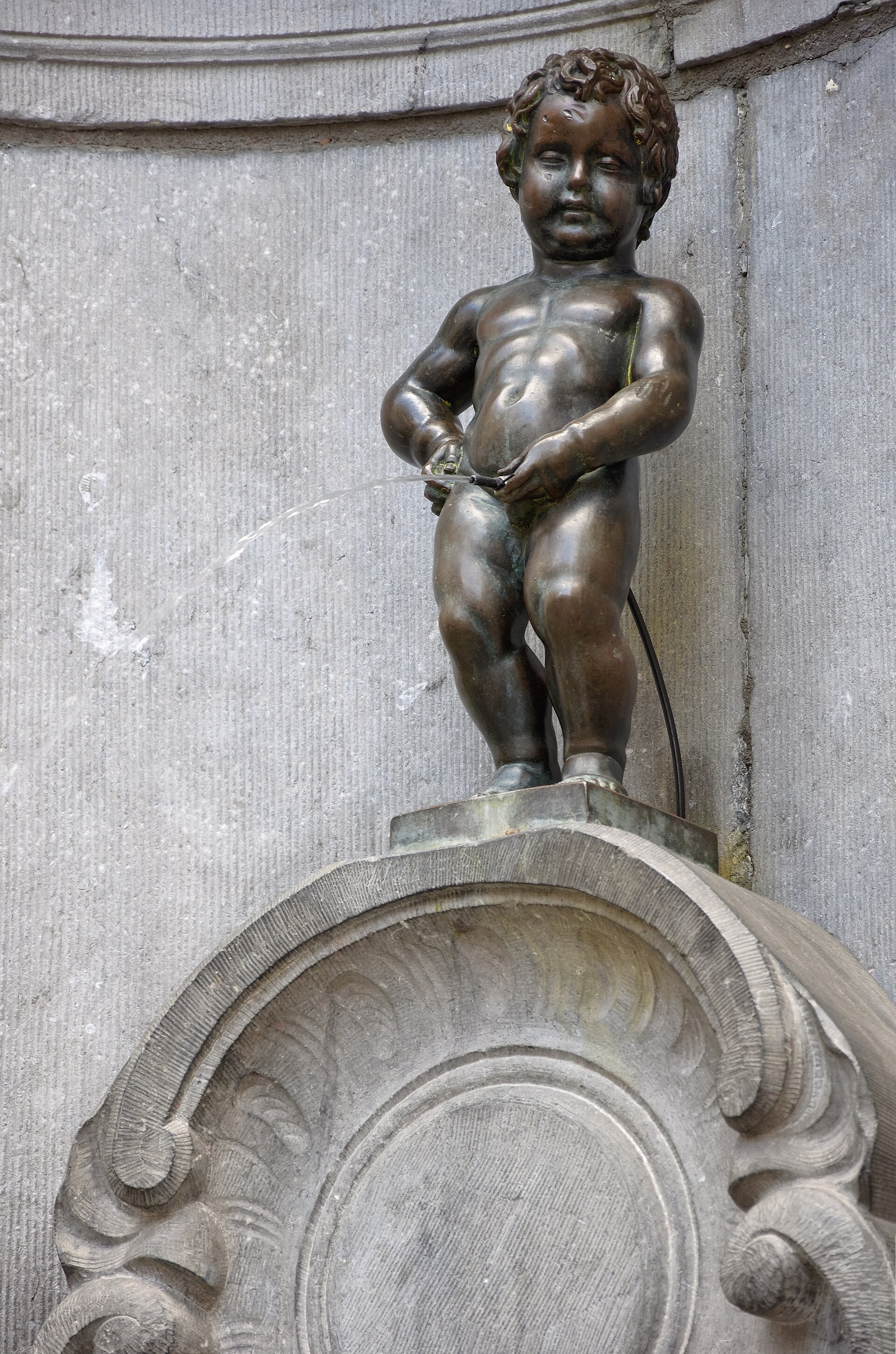
Manneken Pis
- Must see · Heritage site
- Historic monument
Language · 11 published
Museum · Brussels
Musée de l'Église orthodoxe - Museum van de orthodoxe Kerk
Reviewed by Elena Voss · Roavina Travel Editor
This place is a Museum.
Museum van de Orthodoxe Kerk, also called Musée de l’Église orthodoxe, is a Brussels religious museum connected with Orthodox Christian heritage. It presents sacred art and liturgical traditions within the setting of an Orthodox church. The visit offers a focused look at Eastern Christianity in Belgium and adds a faith-based cultural perspective rarely found in general city museum routes. The Museum van de Orthodoxe Kerk, also known locally as Musée de l'Église orthodoxe, is a religious museum in Brussels dedicated to the heritage of the Orthodox Church. Housed within an Orthodox church setting, it presents sacred art and liturgical traditions of Eastern Christianity. The institution serves both as a place of worship and a cultural repository, reflecting the presence of Orthodox communities in Belgium. The museum occupies a distinctive position among Brussels's smaller faith-based cultural venues, offering insight into a branch of Christianity less represented in Western European museum collections. No specific family facilities or child-appropriate programming are documented. The religious nature and modest scale may limit engagement for younger visitors unfamiliar with Orthodox traditions. It is a Brussels museum focused on Orthodox Christian heritage, sacred art and liturgical traditions.
Checked 2026-08-26 · Source
The museum’s subject is Orthodox religious art, worship and liturgical heritage. Visitors should approach the displays as both cultural objects and expressions of devotion. Icons, church traditions and sacred practice provide the central context, while the church setting gives the visit an atmosphere different from a secular gallery. The experience is best understood through attention to Orthodox visual and religious culture. Typical Orthodox church museums may include icons, vestments, liturgical vessels, manuscripts, and ecclesiastical textiles, but exact holdings here are unverified. Visitors should expect a modest-scale presentation rather than a comprehensive national museum experience. The integration of museum functions within an active worship space suggests that displayed items serve devotional as well as educational purposes.
Checked 2026-08-26 · Source
The museum suits a concentrated visit built around observing sacred art and understanding the Orthodox setting. Give yourself time to look carefully rather than rushing through as if it were a large gallery. Visitors who also encounter worship activity should allow their pace to follow the atmosphere of the church. Its compact, specialised character works well as one thoughtful stop in Brussels. A visit to this compact religious museum typically requires between thirty minutes and one hour, depending on individual interest in Orthodox iconography and liturgical objects. The modest scale of church-based museums generally precludes extended stays. Visitors with specialized knowledge of Byzantine art or Orthodox theology may linger longer examining specific pieces.
Checked 2026-08-26 · Source
Plan this visit as a cultural and religious experience, with awareness that the building serves Orthodox worship as well as museum purposes. It can enrich a Brussels itinerary focused on communities, architecture, sacred art and the city’s varied cultural life. A calm daytime visit allows you to appreciate the setting without trying to force the museum into the rhythm of a crowded landmark circuit.
Checked 2026-08-26 · Source
The museum’s religious character should shape how you think about entry. This is a place connected with Orthodox church heritage, not a conventional blockbuster museum. Its value lies in sacred art, liturgy and community history. Combine the visit with other Brussels cultural stops if you want a fuller day, while preserving enough time for a respectful and attentive experience inside the church setting.
Checked 2026-08-26 · Source
The museum is in Brussels and belongs naturally in an itinerary exploring the city’s religious, architectural and community heritage. Use it as a destination within a wider neighbourhood walk, connecting the church setting with other cultural experiences. Brussels rewards visitors who move between major attractions and smaller specialist places, and this museum provides a distinctive Eastern Christian perspective within that wider urban journey.
Checked 2026-08-26 · Source
Remember that this is an active Orthodox religious environment as well as a museum. Dress and behaviour should be respectful, and visitors should give worshippers priority if religious activity is taking place. Sacred objects are not simply decorative displays. A quiet, considerate approach will make the visit more rewarding and will help you understand the relationship between the museum and the church.
Checked 2026-08-26 · Source
The church setting calls for particular care with photography. Photograph only where permitted, avoid disrupting prayer or worship and treat icons and liturgical objects respectfully. The most meaningful images may be architectural or atmospheric rather than intrusive close-ups. If you photograph the exterior or surrounding streets, the church can become part of a broader Brussels story about religious diversity and urban heritage.
Checked 2026-08-26 · Source
It is a Brussels museum focused on Orthodox Christian heritage, sacred art and liturgical traditions.
Yes. The museum is presented in an Orthodox church setting that also has a religious and worship-related role.
Focus on Orthodox sacred art, icons, liturgical traditions and the relationship between the displays and the church setting.
Remain quiet and respectful, dress appropriately for a religious setting and give worshippers priority if services or prayer are taking place.
It suits visitors interested in Orthodox Christianity, sacred art, religious heritage, architecture and Brussels’ cultural diversity.
Photography should be limited to areas where it is permitted and must never interrupt worship or treat sacred objects carelessly.
Loading the interactive map…
The interactive map could not be loaded.
Last updated:
Source: OpenStreetMap contributors, Wikidata ·