


1 min walk
Palace of National Industry
- Notable
- Historic monument
Historic monument · Brussels
Palais de Charles de Lorraine - Paleis van Karel van Lotharingen
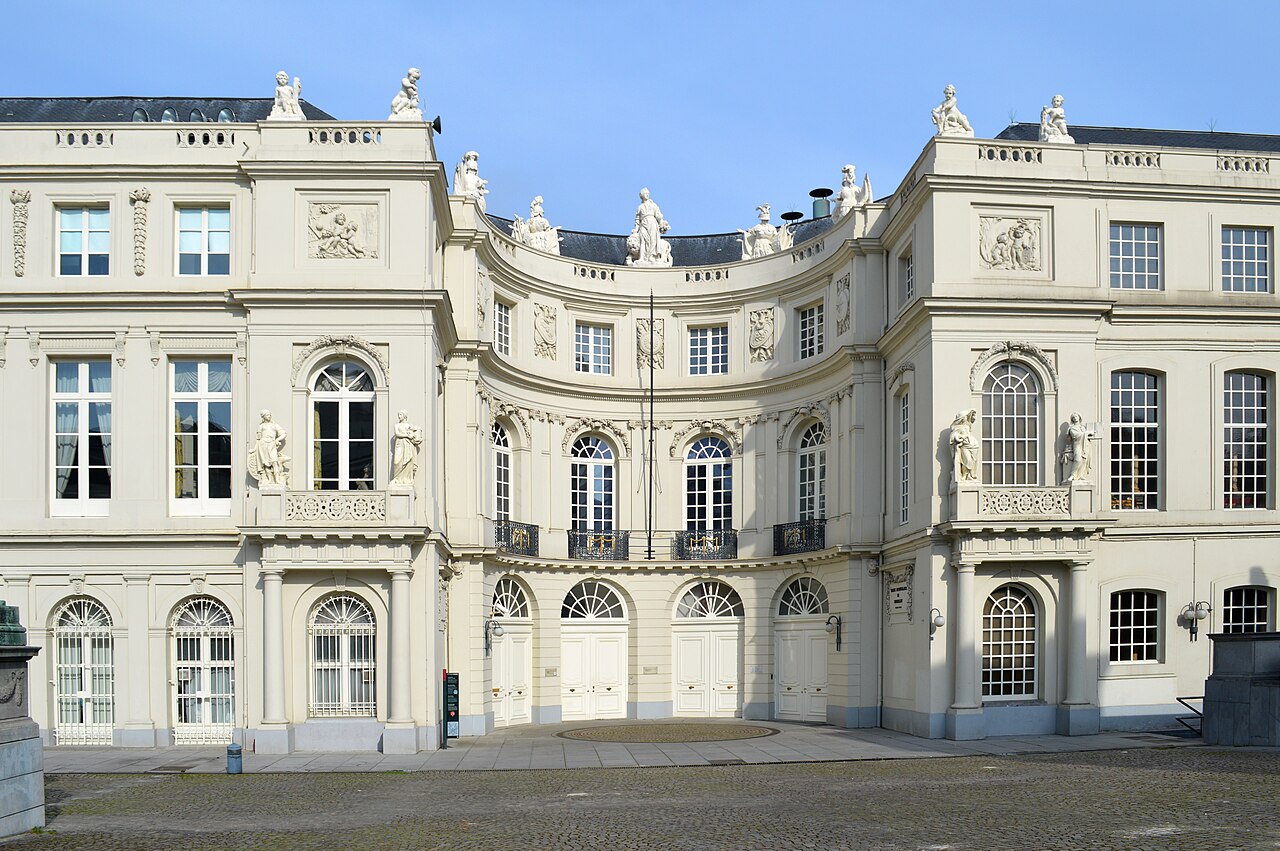
The Palace of Charles of Lorraine is a historic Brussels building associated with Charles of Lorraine and the aristocratic world of the Habsburg Netherlands. Known locally as Palais de Charles de Lorraine and Paleis van Karel van Lotharingen, it represents the city's noble residential heritage. Its central setting makes it a useful architectural stop during a walk through Brussels' historic core, particularly for travellers interested in palaces, ceremonial buildings and the city's layered European past. The Palace of Charles of Lorraine is a historic building in Brussels, known locally as Palais de Charles de Lorraine in French and Paleis van Karel van Lotharingen in Dutch. It bears the name of Charles of Lorraine, an important historical figure connected to the Habsburg Netherlands. The structure represents aristocratic residence architecture from its period. Visitors encounter a building with significant heritage value within the Brussels urban landscape. Visitors must verify current accessibility directly with operators.
Checked 2026-08-26 · Source
The palace is associated with aristocratic residence architecture and historic interiors, including formal rooms and decorative elements connected with its noble setting. The visitor experience depends on which parts of the building are accessible during a particular opening or event. It is more useful to approach the palace as a heritage property than to expect a uniform museum route. The surrounding central Brussels streets add context, allowing the exterior and the building's historical role to be appreciated together. As a palace associated with noble residence, visitors might reasonably expect period rooms, decorative elements, or heritage interiors typical of such establishments. However, without verified information about current exhibitions, permanent displays, or accessible chambers, no definitive description of contents can be provided.
Checked 2026-08-26 · Source
Allow about forty-five minutes to two hours if the palace offers interior access, depending on the rooms available and your interest in architectural history. A shorter stop works for exterior appreciation during a central Brussels walk. Travellers drawn to Habsburg-era residences and decorative heritage may want a slower visit, while those following a tight route can treat the palace as one element among several nearby landmarks. Build the surrounding historic district into the same outing.
Checked 2026-08-26 · Source
The palace suits a daytime heritage itinerary, when exterior details and the surrounding historic streets are easiest to appreciate. Interior visits depend on the access arrangement operating at the time of your visit, while special events can shape the experience. Milder months are comfortable for combining the building with nearby outdoor sights, but the palace remains principally an architectural and historical destination. Give the stop a defined place in your route so an exterior visit still has clear value.
Checked 2026-08-26 · Source
The palace is not presented as a standard attraction with a simple, universal ticketing pattern. Entry arrangements depend on the parts of the building available to visitors and the nature of the occasion. If your route includes an organised interior visit, use the booking or entry terms attached to that occasion. For an exterior-only stop, no ticket is needed to appreciate the building from the surrounding public streets and central Brussels heritage routes.
Checked 2026-08-26 · Source
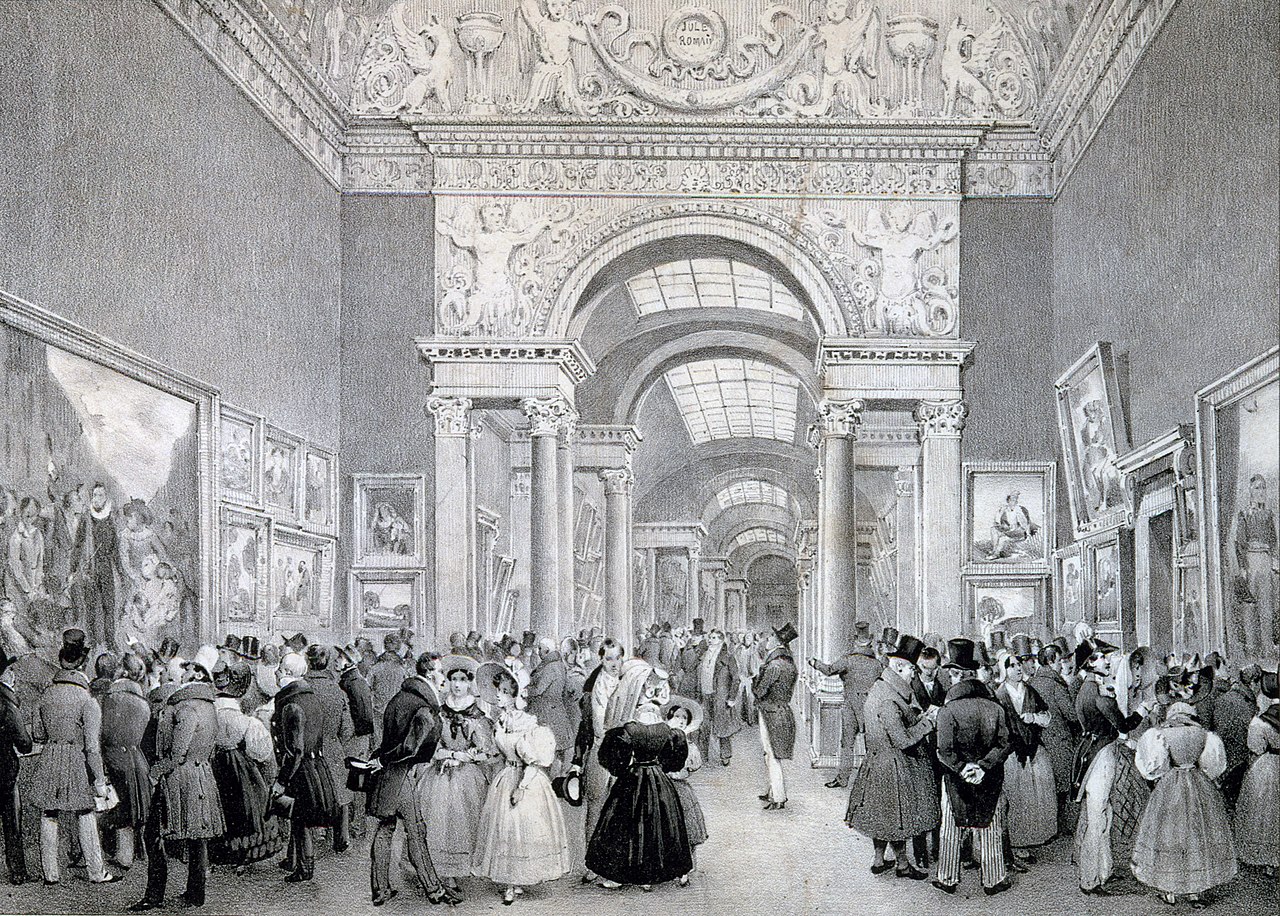
The Palace of Charles of Lorraine stands within Brussels' central urban fabric, where walking between historic landmarks is a practical way to build an itinerary. Metro, tram and bus services connect the central area, and cycling is another option for moving between districts. Drivers face the usual constraints of a busy city centre, including limited parking. Use the mapped palace location as your route point, then explore the nearby streets on foot to place the building within its historic setting.
Checked 2026-08-26 · Source

Historic palace access can be more limited than access to a purpose-built museum. Interior rooms may have conservation requirements, controlled circulation or event-related restrictions. Wear comfortable shoes for a central walking route and respect barriers, staff directions and any protected surfaces. The extent of accessible areas also matters for visitors with mobility needs. Keep valuables secure in busy city-centre streets, and allow flexibility if the building's available route differs from the broader heritage setting outside.
Checked 2026-08-26 · Source
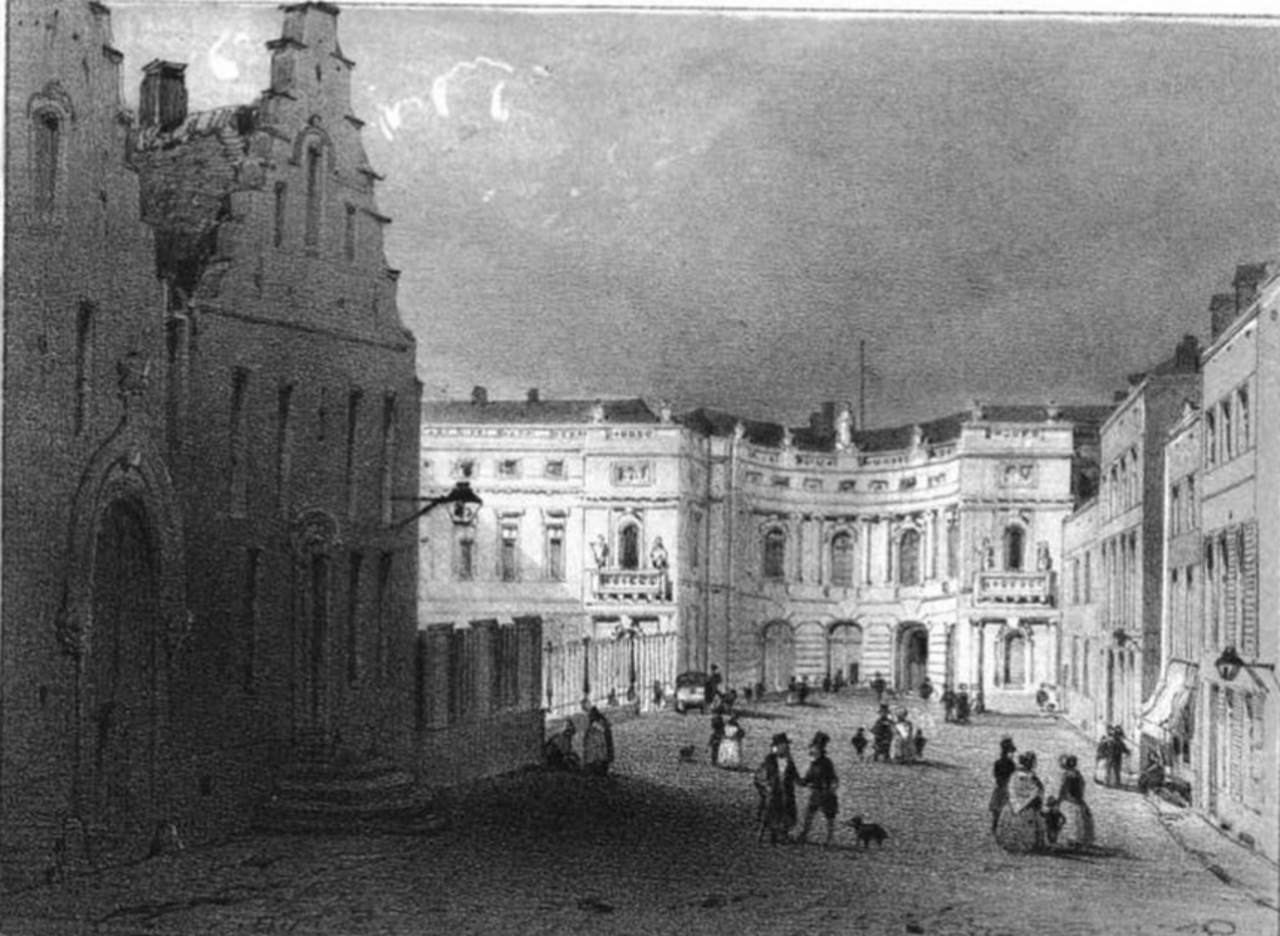
Exterior photography is a natural part of appreciating the palace within central Brussels. For interior rooms, follow the rules attached to the visit and respect restrictions on flash, tripods or professional equipment where they apply. Architectural details, entrances and surrounding streets can provide strong compositions without interrupting other visitors. A discreet camera setup works best in a heritage setting, particularly where rooms remain protected or are being used for an organised event.
Checked 2026-08-26 · Source
It is a historic Brussels palace associated with Charles of Lorraine and the aristocratic heritage of the Habsburg Netherlands.
The building is known as Palais de Charles de Lorraine in French and Paleis van Karel van Lotharingen in Dutch.
Allow about forty-five minutes to two hours for an interior visit, or make a shorter exterior stop during a central Brussels walk.
It suits travellers interested in aristocratic residences, Habsburg-era history, historic interiors and Brussels architecture.
Yes. Its central position makes it practical to combine with nearby historic landmarks and streets on foot.
Follow the rules of the interior visit, keep equipment discreet and respect any restrictions on flash, tripods or protected rooms.
Loading the interactive map…
The interactive map could not be loaded.
Last updated:
Source: OpenStreetMap contributors, Wikidata ·