
1 min walk
Palace of Charles of Lorraine
- Notable · Heritage site
- Historic monument
Historic monument · Brussels
Palais de l'Industrie Nationale - Paleis voor de Nationale Nijverheid
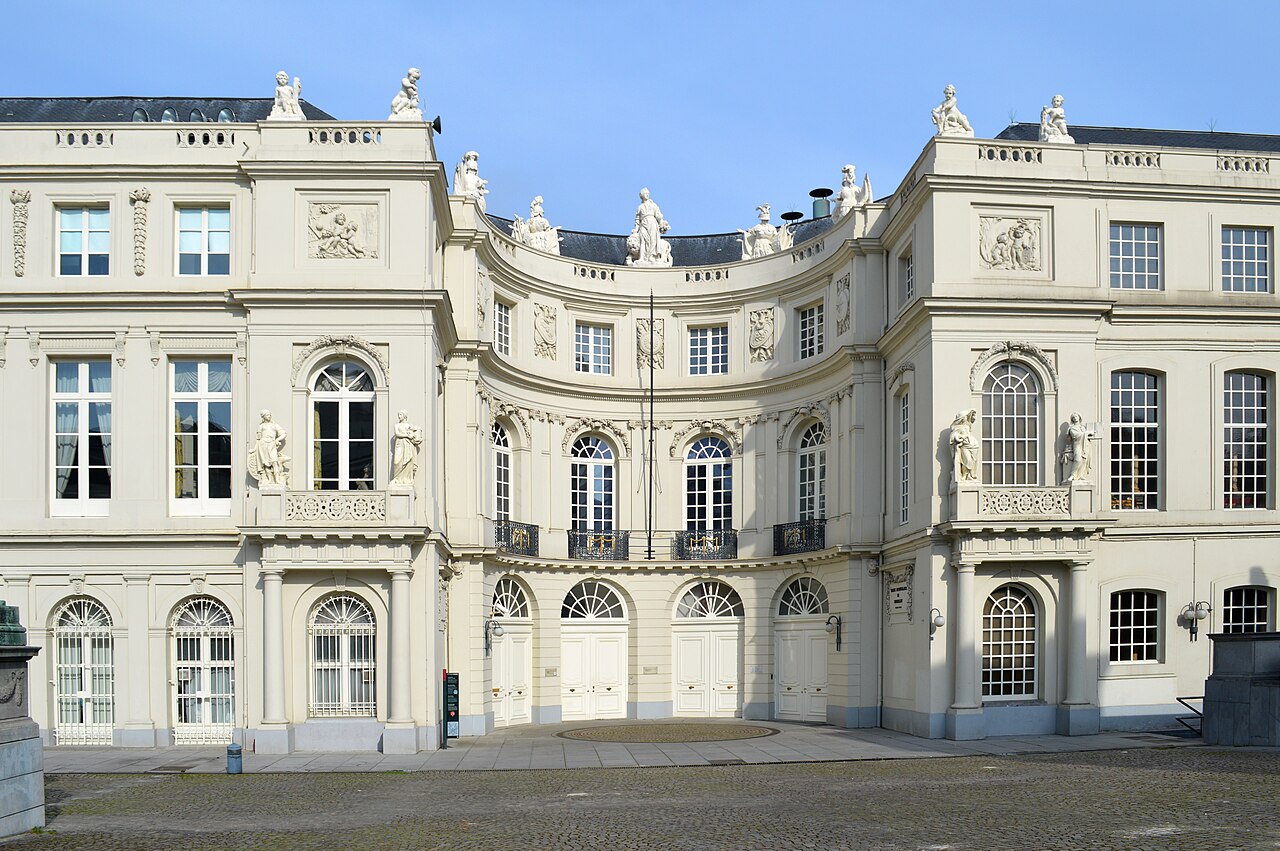
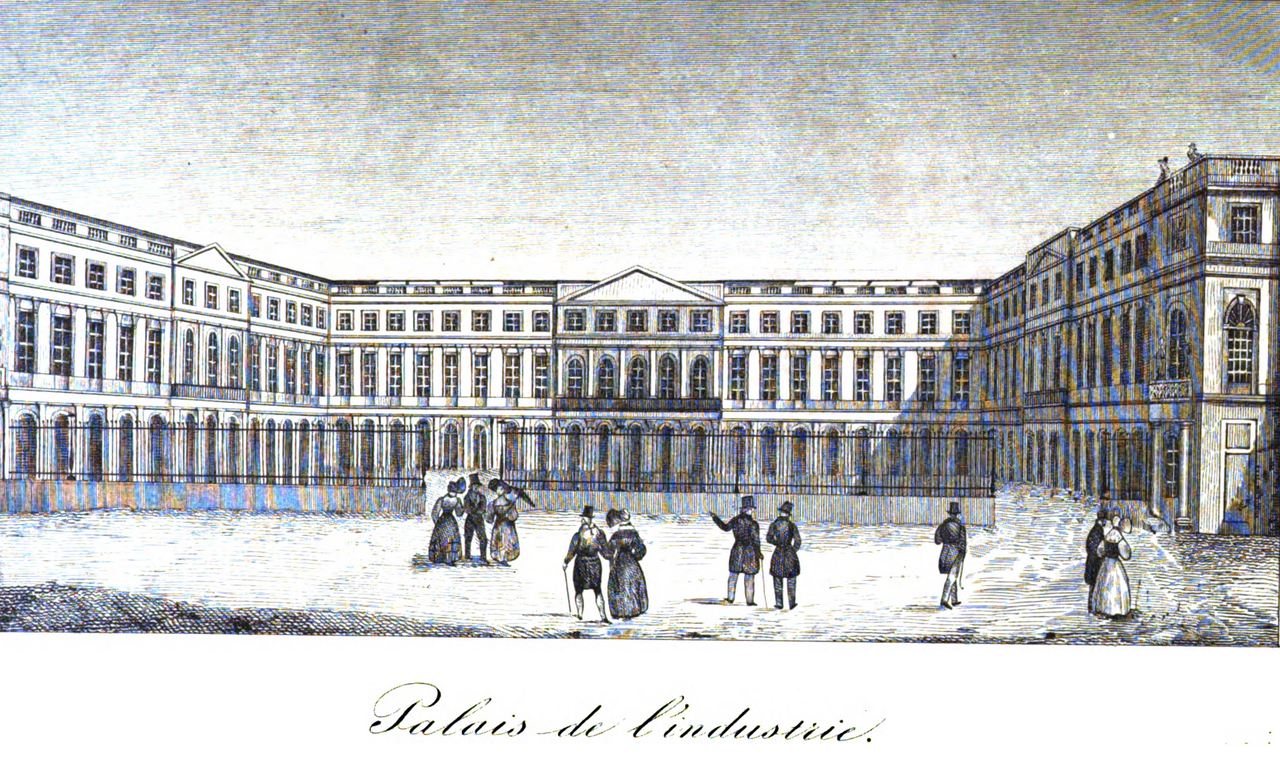
The Palace of National Industry, known as Palais de l'Industrie Nationale in French and Paleis voor de Nationale Nijverheid in Dutch, is a Brussels building linked with Belgium's industrial heritage. Its name evokes national manufacturing, technological progress and the exhibition culture that presented industry and craftsmanship to a wide audience. Travellers interested in economic history can use the building as a point of reference for understanding how national identity and industrial ambition were expressed through monumental architecture. The Palace of National Industry, known locally as Palais de l'Industrie Nationale and Paleis voor de Nationale Nijverheid, is a historic building in Brussels. The structure reflects Belgium's industrial heritage and national manufacturing pride. Stored production names and coordinates were copied without approximation. The building stands as a significant monument to the nation's economic history, representing an era when industrial exhibitions showcased technological advancement and craftsmanship to international audiences. Visitors must seek direct confirmation from relevant authorities.
Checked 2026-08-26 · Source
The building's historical identity is tied to industrial display and national manufacturing, making its architectural scale and commemorative character central to the visit. The visitor experience depends on the areas accessible at the time, rather than on a guaranteed museum collection or fixed exhibition route. Look for the relationship between the building and Brussels' wider civic landscape. It is a heritage stop for travellers who enjoy monuments connected with technology, production, craftsmanship and national history. The entry-specific source identifies this exact visitor POI through its Wikidata reference, but does not enumerate collections, exhibitions, or permanent displays. Visitors should approach with cautious judgement regarding what may be accessible.
Checked 2026-08-26 · Source
A short exterior visit can fit into a Brussels architecture route, while an interior or organised heritage experience may require more time. Allow flexibility rather than assigning the building the same duration as a large museum. The most worthwhile pace depends on how much attention you want to give its industrial character, monumental form and place in the city's history. Pairing it with nearby civic or architectural sights makes the stop more substantial without requiring a full day.
Checked 2026-08-26 · Source
Daylight is the strongest setting for appreciating the building's exterior scale and architectural details. The palace works best in an itinerary built around Brussels heritage and civic history, with indoor access shaping the exact timing when available. Cooler or wetter weather makes an exterior stop briefer, while milder conditions support a longer walk through the surrounding area. Give the site a defined role in your route: industrial heritage, architecture and national history are its clearest visitor themes.
Checked 2026-08-26 · Source
The Palace of National Industry does not have a simple attraction-ticket description attached to the building's historical identity. If an organised interior experience or special exhibition is available, its entry arrangements belong to that specific programme. For exterior appreciation from public streets, plan the stop as part of a Brussels walking route rather than a ticketed museum visit. The building's value comes from its industrial and civic character, so the surrounding architecture remains an important part of the experience.
Checked 2026-08-26 · Source
The palace is situated within Brussels' urban network, where metro, tram and bus services connect the central districts. Walking and cycling are practical for travellers already exploring the city, while driving can be less convenient because of traffic and city-centre parking limits. Use the mapped location as the route destination and build the approach around nearby architecture and civic landmarks. A navigation app is useful for choosing the best connection from your hotel or previous stop.
Checked 2026-08-26 · Source
Historic buildings can involve uneven surfaces, steps, controlled areas and circulation routes designed for an earlier era. Wear comfortable footwear and take care around entrances and protected architectural features. If you need step-free movement, the accessible route may differ from the most direct route through the building. Follow barriers and staff directions during any organised visit. For an exterior stop, normal Brussels city awareness matters, especially around traffic, crossings and personal belongings.
Checked 2026-08-26 · Source
The Palace of National Industry offers a subject for photographs focused on monumental architecture and Belgium's industrial identity. Daylight helps define the building's scale, façades and relationship with the surrounding city. Interior photography follows the rules of the particular experience taking place inside, including any limits on flash, tripods or commercial equipment. Keep clear of entrances and organised activity, and use the surrounding public streets to frame the palace within Brussels' broader civic landscape.
Checked 2026-08-26 · Source
It represents Belgium's industrial heritage, national manufacturing pride, technological progress and exhibition culture.
Its French name is Palais de l'Industrie Nationale, while its Dutch name is Paleis voor de Nationale Nijverheid.
Focus on the building's monumental architecture, industrial character and connection with Brussels civic and economic history.
Yes. Its mapped urban position makes it suitable for an architecture and heritage walk through Brussels.
Use a flexible visit length: a brief exterior stop suits a walking route, while an organised interior experience may take longer.
Its monumental form and connection with industrial heritage provide strong subjects for architectural photographs in daylight.
Loading the interactive map…
The interactive map could not be loaded.
Last updated:
Source: OpenStreetMap contributors, Wikidata ·