

_-_2043-0566-0.jpg)
_-_2043-0566-0.jpg)
_-_2043-0566-0.jpg)
1 min walk
Fin-de-Siècle Museum
- Must see
- Museum

Historic monument · Brussels
Palais du Comte de Flandre - Paleis van de Graaf van Vlaanderen
The Palace of the Count of Flanders is a Brussels landmark associated with the Count of Flanders title and Belgium’s aristocratic heritage. Its identity is architectural and historical rather than that of a conventional museum. The palace contributes to the capital’s layered cityscape, where royal, noble, civic, and residential buildings stand close together. For travelers, it is best understood as a heritage landmark to place within a broader Brussels walk, especially when exploring the city’s historic urban character. The Palace of the Count of Flanders is a historic building in Brussels, known locally as Palais du Comte de Flandre in French and Paleis van de Graaf van Vlaanderen in Dutch. The structure served as a residence associated with the Count of Flanders title, reflecting Belgium's layered aristocratic and regional history. Its architectural presence contributes to Brussels' urban heritage landscape. Visitors encountering this site should recognize it as a landmark tied to noble traditions rather than a conventional museum or public palace.
Checked 2026-08-26 · Source
The documented character of the palace centers on its association with noble residence and Brussels heritage. It is not presented here as a museum with a named collection, exhibition route, or regularly described visitor interior. Travelers should therefore focus on the building’s architectural presence and historical association rather than planning around galleries or furnished rooms. The palace works naturally as one stop among several heritage sights in the Belgian capital’s historic areas. No verified information describes permanent collections, furnished state rooms, exhibitions, or interpretive displays that visitors might encounter. Travelers should not expect documented visitor amenities such as audio guides, gift shops, or cafés. Visitors interested in interior access should seek current operational information from official Belgian heritage or municipal sources before planning.
Checked 2026-08-26 · Source
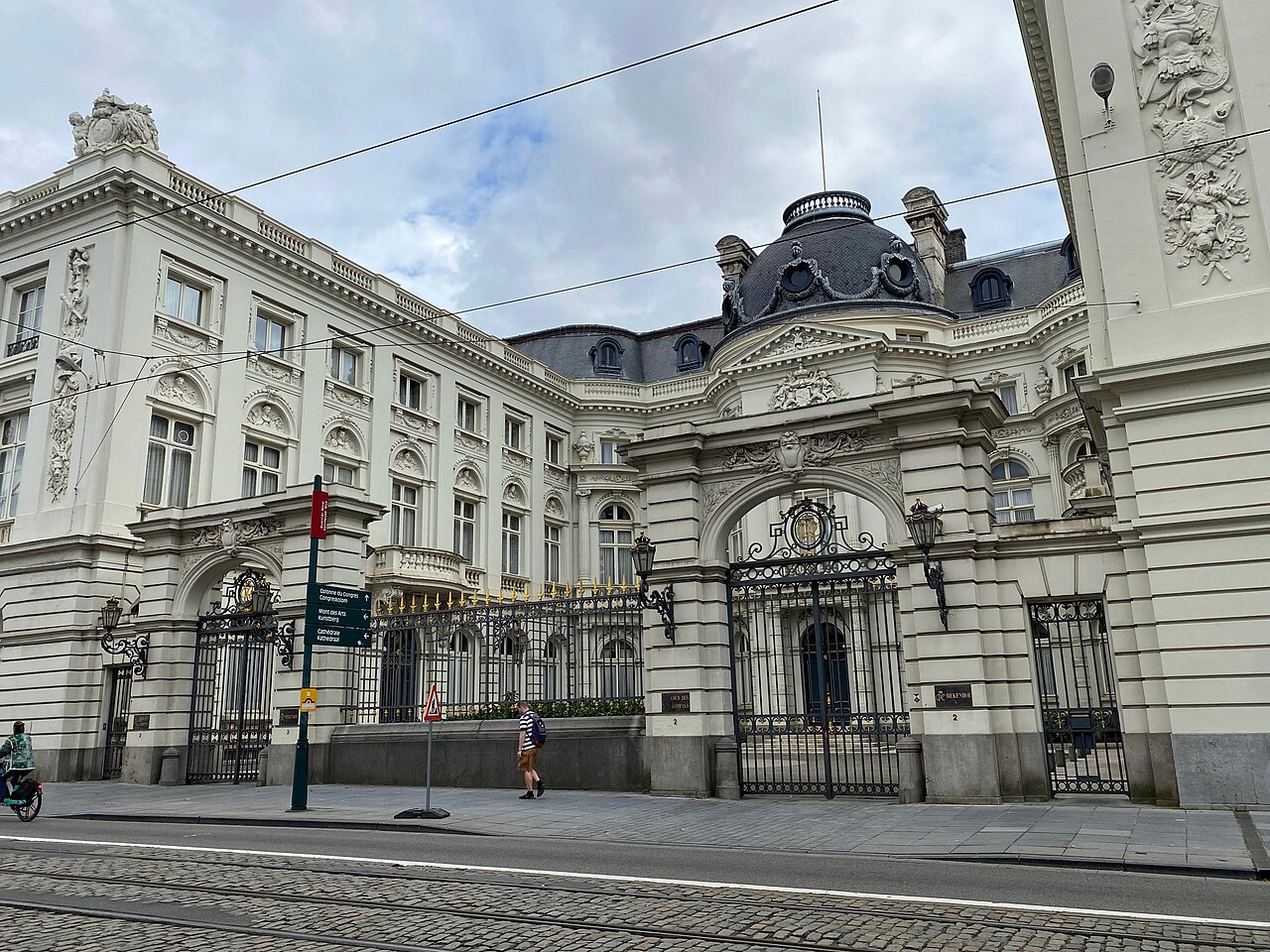
Allow a short stop for the Palace of the Count of Flanders and combine it with nearby Brussels sightseeing. The landmark is most useful as part of a walking route through areas shaped by the capital’s aristocratic and civic history. Spend longer in the surrounding district if you enjoy façades, urban details, and historical context. Keeping the visit flexible leaves room for other central landmarks, cafés, squares, and streets encountered along the way.
Checked 2026-08-26 · Source
Plan the palace as a daylight heritage stop within a Brussels itinerary. Daylight makes architectural details easier to appreciate and allows the building to be viewed naturally as part of the surrounding streetscape. A flexible schedule suits this landmark better than a tightly timed attraction visit. Pair it with other historic sights so the route remains worthwhile even when your time at the palace itself is brief.
Checked 2026-08-26 · Source
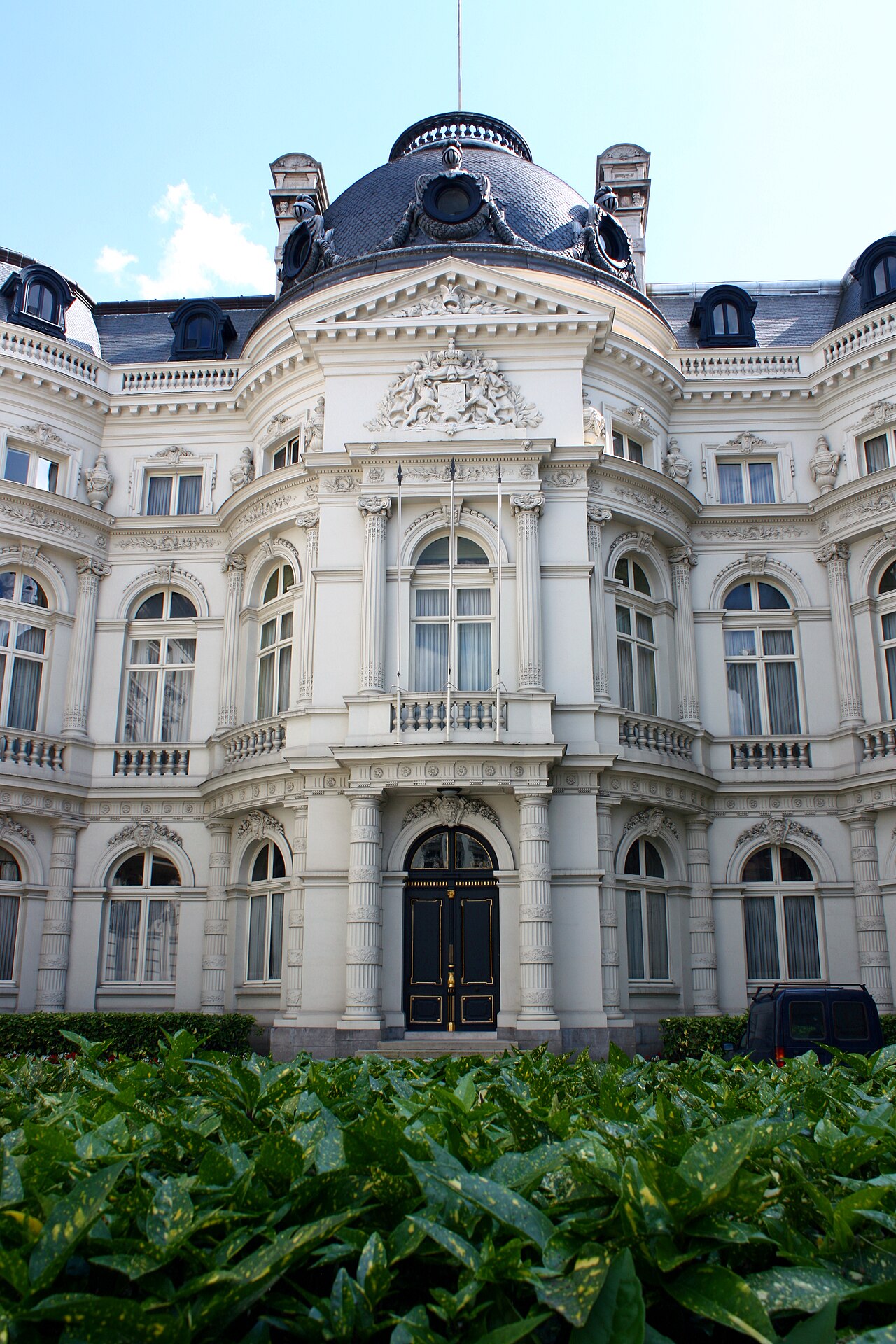
Treat the Palace of the Count of Flanders as a heritage landmark rather than a ticketed museum experience. The supplied guide does not establish a visitor admission arrangement, exhibition ticket, or paid tour. Build your Brussels budget around the attractions and transport services you have separately chosen. The palace can be included as an architectural and historical point of interest within a wider city walk, without making it the sole paid activity of the day.
Checked 2026-08-26 · Source
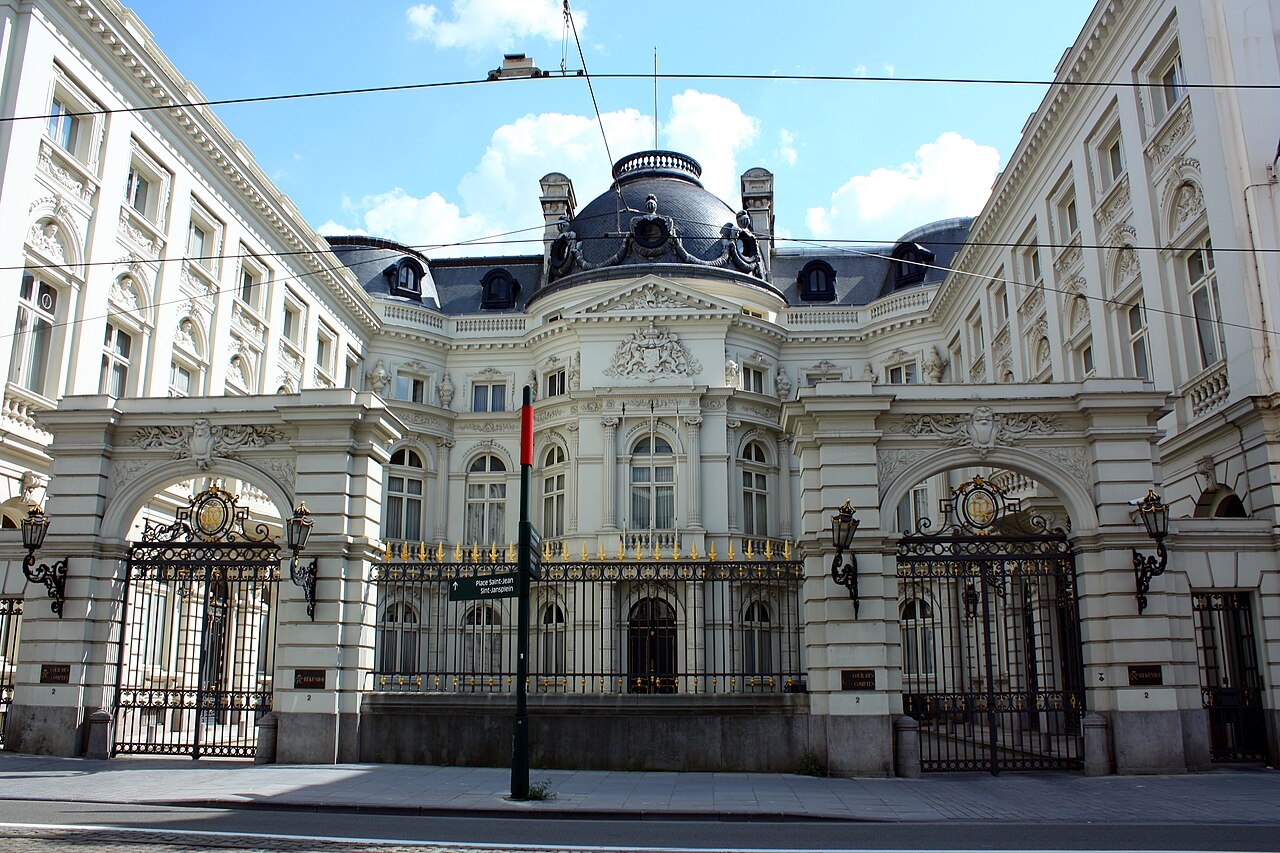
The palace is in Brussels, a city served by metro, tram, bus, and rail connections. Use the building’s mapped position as the destination and approach it as part of a central walking route. Brussels Central station is an important rail connection for journeys into the historic core. Walking is particularly suitable for linking heritage landmarks, while driving in central Brussels can be less convenient because streets are busy and parking is limited.
Checked 2026-08-26 · Source
The palace is associated with noble heritage, so treat it as a landmark rather than an invitation to enter. Remain on publicly accessible routes and respect doors, boundaries, and any signs around the building. Brussels streets can be busy, requiring attention when stopping to look upward or take photographs. Plan for ordinary city conditions, including pedestrians, traffic, and changing weather, while keeping the visit focused on respectful exterior appreciation.
Checked 2026-08-26 · Source
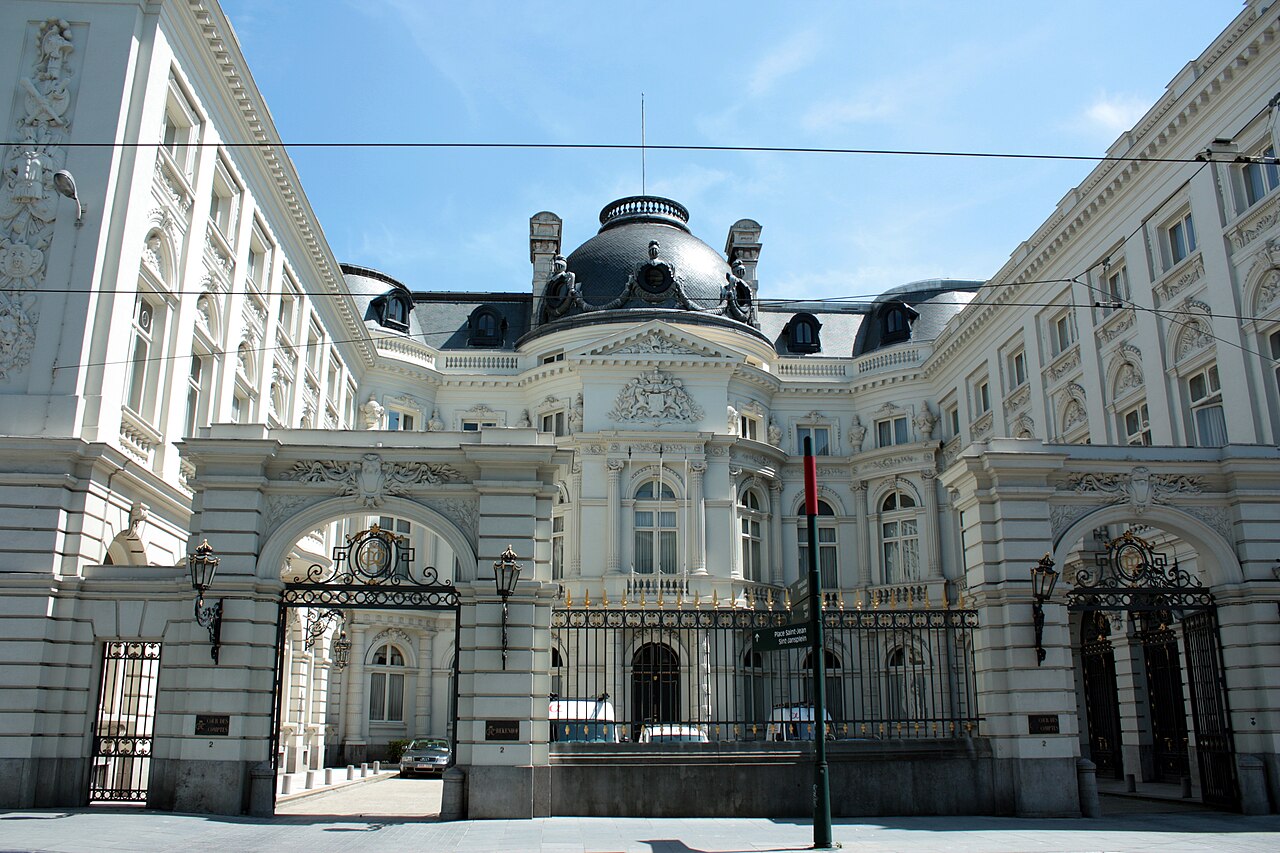
The palace is a worthwhile subject for exterior architectural photography. Frame the building from a public position and avoid blocking pavements while composing images. Details connected with noble architecture may be more rewarding in daylight, when façades and surrounding streets are easier to read. Keep people and private activity out of close compositions where possible. The strongest photographs will place the palace within Brussels’ historic streetscape rather than isolate it from its urban setting.
Checked 2026-08-26 · Source
It is a Brussels heritage landmark associated with the Count of Flanders title and Belgium’s aristocratic architectural history.
It is presented as a historic noble residence and urban heritage landmark rather than a conventional museum.
The palace is located in Brussels, Belgium’s capital, within its historic urban landscape.
Use it as a short heritage stop within a broader walking route through Brussels’ historic districts.
Exterior architectural photography from a respectful public position is the practical focus of a visit.
It represents Brussels’ connection with titled families, noble residence, and Belgium’s layered aristocratic history.
Loading the interactive map…
The interactive map could not be loaded.
Last updated:
Source: OpenStreetMap contributors, Wikidata ·