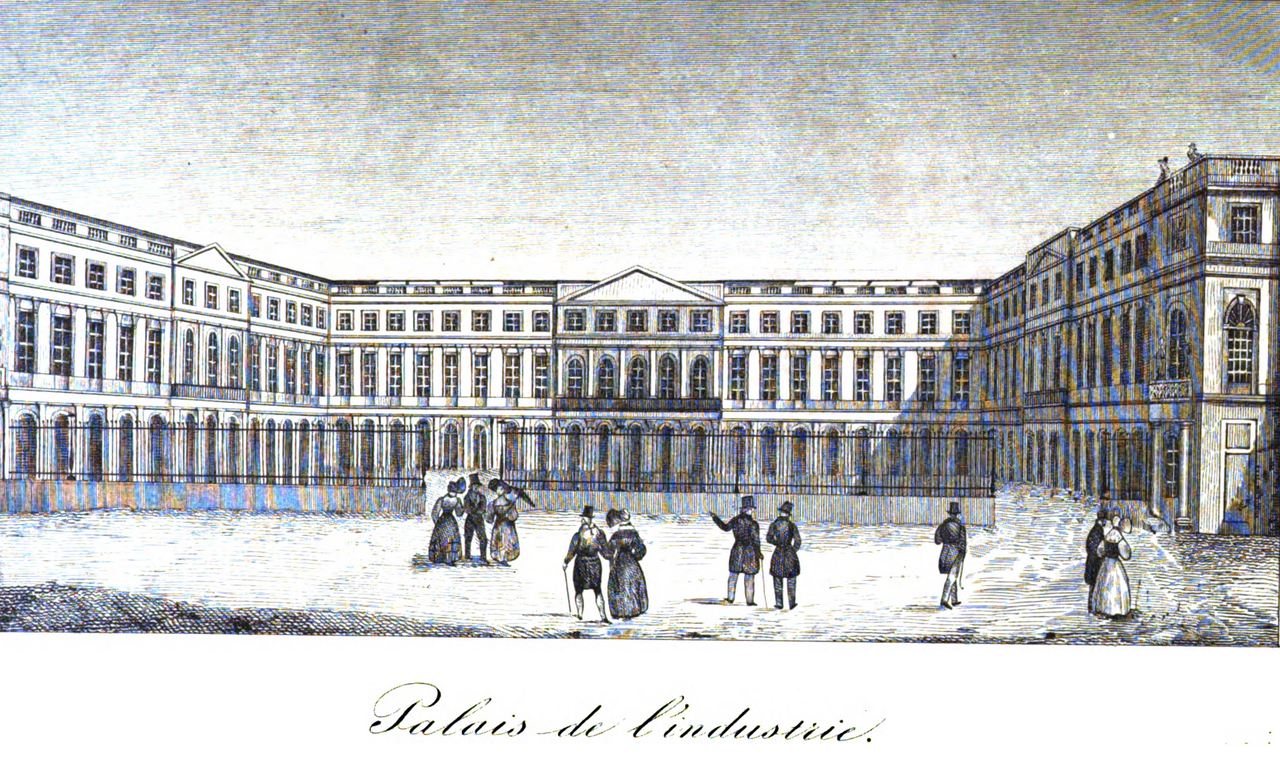
Fin-de-Siècle Museum, also called Musée Fin de siècle, explores Belgian art from the late nineteenth and early twentieth centuries. It is a specialist Brussels destination for travelers drawn to the period’s changing artistic language, social atmosphere, and decorative richness. The museum belongs naturally in an itinerary focused on Symbolism, Art Nouveau, and Belgian cultural history. The Fin-de-Siècle Museum is a dedicated museum in Brussels focused on Belgian art from the late nineteenth and early twentieth centuries. Its local name, Musée Fin de siècle, reflects its French-language identity within Belgium's bilingual context. The institution occupies a position within Brussels' museum landscape as a specialist venue for this transitional artistic period. The entry-specific source identifies this exact visitor POI. Q17354571.
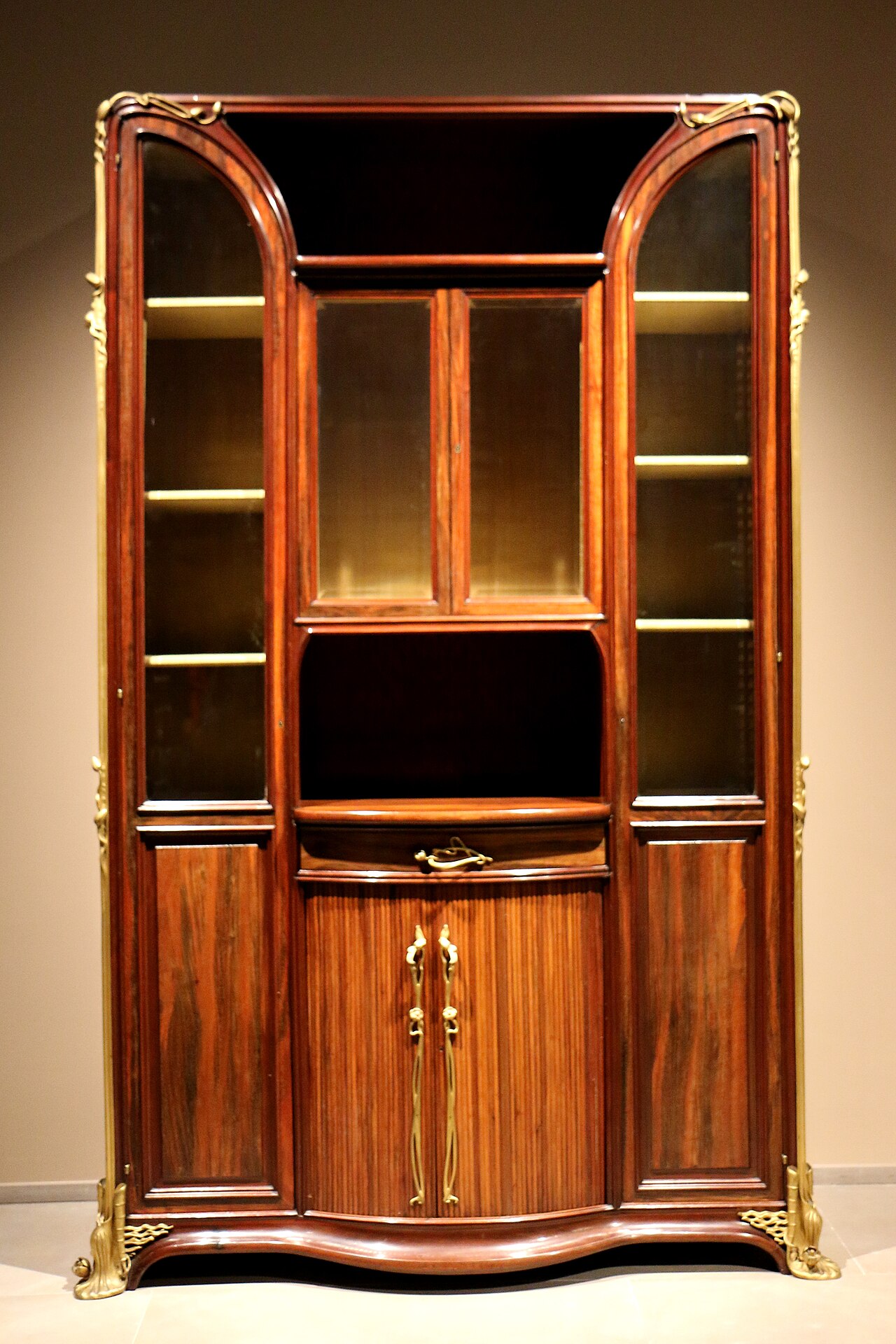
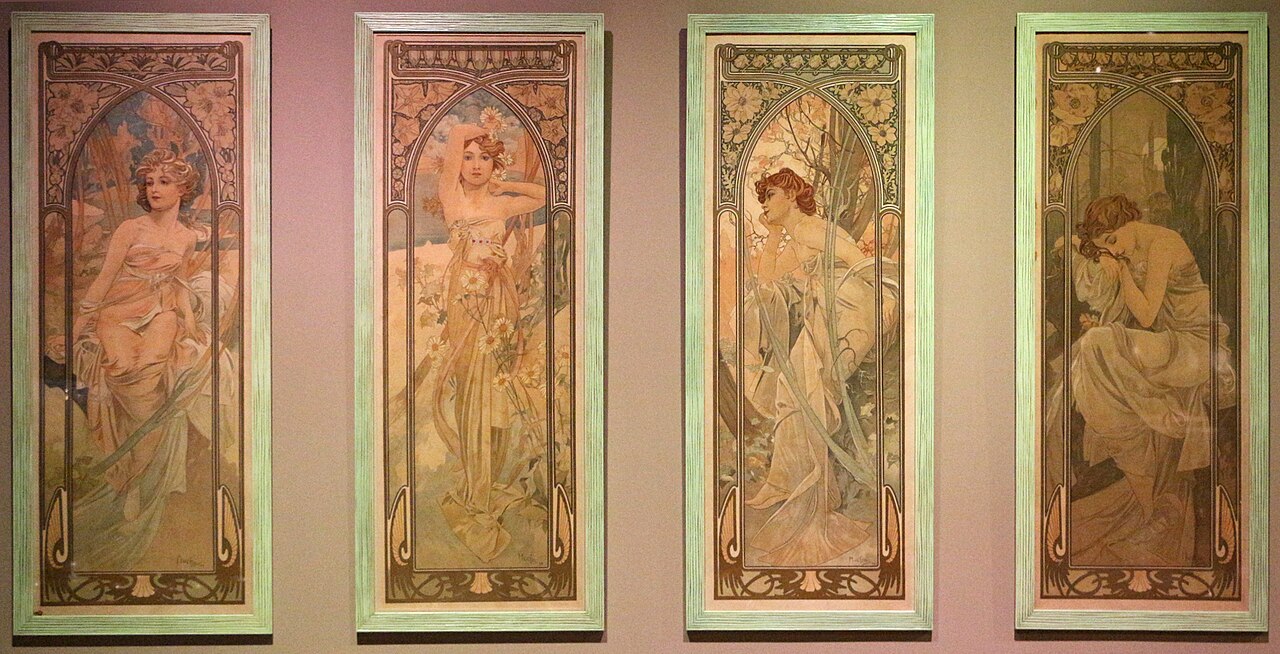
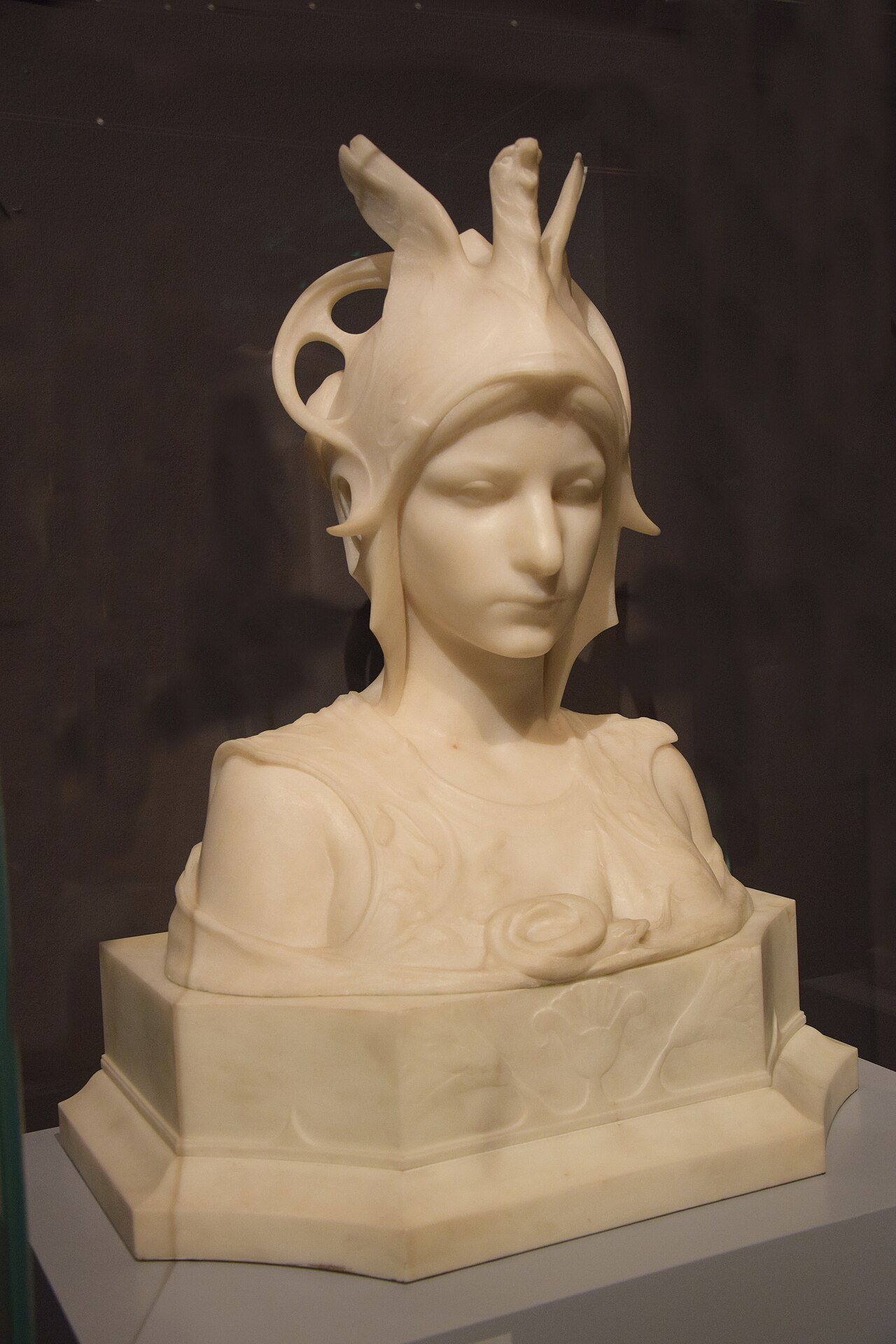
The collections cover Belgian painting, sculpture, and decorative arts from the fin-de-siècle period. Visitors encounter works shaped by Symbolism, Art Nouveau, and related movements, with their emphasis on atmosphere, ornament, dreams, and modern life. Look for connections between fine art and design: the period is best understood as a broad cultural transformation rather than a single style. The museum's collections concentrate on Belgian artistic production during the fin-de-siècle period, spanning painting, sculpture, and decorative arts. Visitors encounter works representative of Symbolism, Art Nouveau, and related movements that defined Belgian culture during this era. The holdings include pieces by artists active in Brussels and broader Belgium during these decades.
Allow several hours if you want to examine the collection closely, especially the symbolic details and decorative qualities of the works. A shorter visit can still provide a useful introduction to Belgian art of the period. Travelers who already know Symbolism or Art Nouveau will benefit from extra time for comparison and sustained looking. Visitor duration depends on engagement depth with the specialized collections. A standard visit for art enthusiasts examining fin-de-siècle Belgian works thoroughly would reasonably extend across multiple hours. Casual visitors might complete a meaningful circuit more quickly. The museum's focused scope—single period, national school—suggests moderate rather than overwhelming physical scale. Visitors should allocate sufficient time for close looking at individual pieces, as late nineteenth-century Belgian art rewards sustained attention to symbolic content and decorative detail. No recorded visitor flow data informs precise duration estimates.
The museum is an indoor destination suited to every season. Choose spring or autumn if you want to combine the galleries with a longer Brussels walk, or use winter for a concentrated art-focused day. A quieter visit gives you more space to study the period’s intricate surfaces, symbolism, and links between painting and decorative design. Visitors must verify current opening schedules directly with the museum or through official Brussels tourism channels before planning visits. Seasonal variations, holiday closures, and special exhibition schedules may affect accessibility. The museum's location in Brussels suggests year-round operational feasibility typical of major European cultural institutions, though this assumption requires confirmation. Advance planning remains advisable, particularly for visitors with limited scheduling flexibility.
The guide information does not provide a confirmed admission amount, concession structure, or booking arrangement. Include the museum for its focused presentation of Belgian fin-de-siècle art rather than comparing it with a fixed national-museum price. Art travelers can make it a central stop in a day devoted to Symbolism and Art Nouveau. Admission structures for Brussels museums typically include standard adult rates, reduced categories for seniors, students, and youth, plus potential free entry periods or combination tickets with affiliated institutions.
The museum is in Brussels, whose metro, tram, and bus network connects the main cultural districts. Walking and cycling also work well for visitors moving between museums and historic neighborhoods. Use the POI’s mapped position to arrange the final route, grouping this visit with nearby art and architecture rather than crossing the city repeatedly.
Fin-de-siècle art rewards patience. Symbolist scenes can be dense with metaphor, while Art Nouveau works invite attention to line, ornament, and natural forms. A rushed circuit may reduce the collection to attractive surfaces. Exhibition text may use French or Dutch in Brussels, so visual comparison and close observation are important parts of the experience.
Treat paintings, sculpture, and decorative works as the museum’s primary subjects of attention. Follow posted directions about photography, flash, video, and temporary displays. When personal photography is permitted, keep equipment compact and avoid disturbing other viewers. The period’s details are often best appreciated directly, particularly where ornament, texture, and symbolic imagery are central.
Nothing non-essential is set before you choose, in regions where consent is required. If you decline, ads still appear and analytics is switched off entirely.