1 min walk
KBR Museum
- Must see
- Museum
Language · 11 published
Museum · Brussels
Imprimarium
Reviewed by Elena Voss · Roavina Travel Editor
This place is a Museum. It was established in 1977.
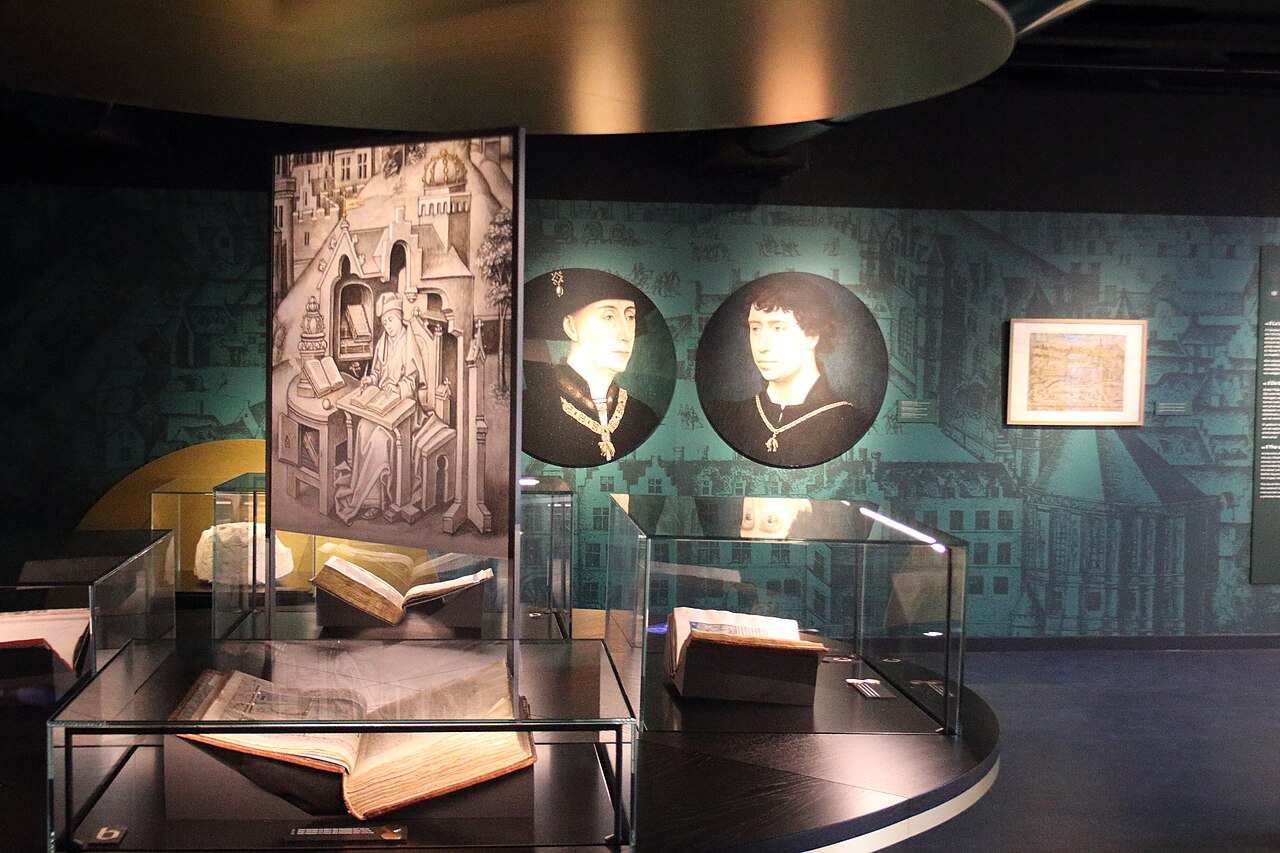
Printing Museum, also known as Imprimarium, introduces the history and craft of printing in Brussels. The subject connects machines, type, ink, paper, books, and the spread of written information. It is a useful stop for visitors interested in graphic design, publishing, typography, technology, or the material history of reading. Instead of treating books as finished objects alone, the museum directs attention to the work and tools that made them possible. Its focus adds a practical, hands-on dimension to Brussels cultural history and complements visits devoted to painting, architecture, or famous monuments.
Checked 2026-08-26 · Source
The museum’s theme invites visitors to look at printing from several angles. Historical presses explain the physical labour of producing text, while type specimens reveal how letterforms influence reading and visual identity. Books and printed material show how techniques changed publishing and communication. Pay attention to the relationship between a page’s appearance and the process behind it: the shape of type, the placement of ink, the texture of paper, and the repetition needed to create multiple copies. The museum is valuable because it turns familiar reading material into a story of tools, craft, and technical change.
Checked 2026-08-26 · Source
Plan a focused visit with time for close observation. Printing equipment, type, and book production reward visitors who examine details rather than moving quickly from one display to the next. Designers and typography enthusiasts can concentrate on letterforms, composition, and material technique, while families can follow the simple transformation from blank paper to printed page. The museum also works well as a compact stop within a wider Brussels cultural route. Leave space for conversation, because the processes behind printing often become clearer when visitors compare what they see with modern digital publishing.
Checked 2026-08-26 · Source
Choose the Printing Museum when you want a cultural experience centred on making rather than display alone. It suits an itinerary about books, design, communication, industry, or the history of ideas. The subject is especially engaging after exploring Brussels’ libraries, historic streets, or architectural details, since printed information and urban life are closely connected. A quieter visit allows more time to inspect presses and typography. Travellers who enjoy the story of how knowledge travels from one person to another will find the museum a distinctive addition to a Brussels day.
Checked 2026-08-26 · Source
The museum’s appeal lies in the tangible history of communication. Printing presses, type, ink, paper, and books show that publishing was once a sequence of skilled physical tasks. The visit gives context to newspapers, posters, pamphlets, and novels by revealing how they were produced and reproduced. It is a good choice for visitors who want a cultural stop with a clear technical story. Approach each object as part of a chain: design, setting, inking, pressing, drying, binding, and distribution. That sequence makes the history of printing easy to connect with modern media.
Checked 2026-08-26 · Source
Use the mapped position of Imprimarium as the navigation reference and include the museum within a wider Brussels walking or transport route. A specialist printing museum is best combined with nearby cultural stops, cafés, bookshops, libraries, or historic streets, creating a day that connects printed material with the city around it. Plan enough time for the final approach and for looking closely once inside. The museum’s subject makes sense as part of a broader exploration of Brussels as a place of publishing, public communication, design, and urban history.
Checked 2026-08-26 · Source
The museum’s strongest experiences come from detail, so visitors should resist treating it as a quick collection of old machines. Look at the scale of the equipment, the repeated work required to produce pages, and the precision of type and layout. Children may enjoy imagining how a printed sheet was made before digital tools, while adults can connect the displays with publishing and graphic design. The subject is specialised, so combine it with another attraction if your group wants a broader historical narrative. Curiosity about process matters more here than prior technical knowledge.
Checked 2026-08-26 · Source
Printing equipment and type can create strong photographs through texture, repetition, metal surfaces, paper, and close geometric detail. Frame the objects as tools with a purpose, not merely as vintage decoration. If photography is permitted, keep the camera unobtrusive and avoid interrupting another visitor’s view. Photographing a page beside the equipment that produced it can help preserve the museum’s central idea: every printed object represents a process. Take time to read the explanations as well, because a picture of a press cannot convey the labour, precision, and sequence involved in making a book.
Checked 2026-08-26 · Source
Imprimarium explores the history and craft of printing, including presses, typography, ink, paper, books, and publishing.
Look for the relationship between type, page design, ink, paper, printing equipment, and the repeated work needed to produce written material.
It suits visitors interested in typography, graphic design, publishing, books, technology, communication, and the material history of reading.
They show the physical process behind printed communication and reveal the skilled sequence required to turn type, ink, and paper into pages.
Children can follow the clear transformation from blank paper to printed page and imagine how books and newspapers were made before digital tools.
Its focus is the practical history of producing written material, giving visitors a close look at tools, craft, typography, and publishing processes.
Loading the interactive map…
The interactive map could not be loaded.
Last updated:
Source: OpenStreetMap contributors, Wikidata ·