


.jpg)
.jpg)
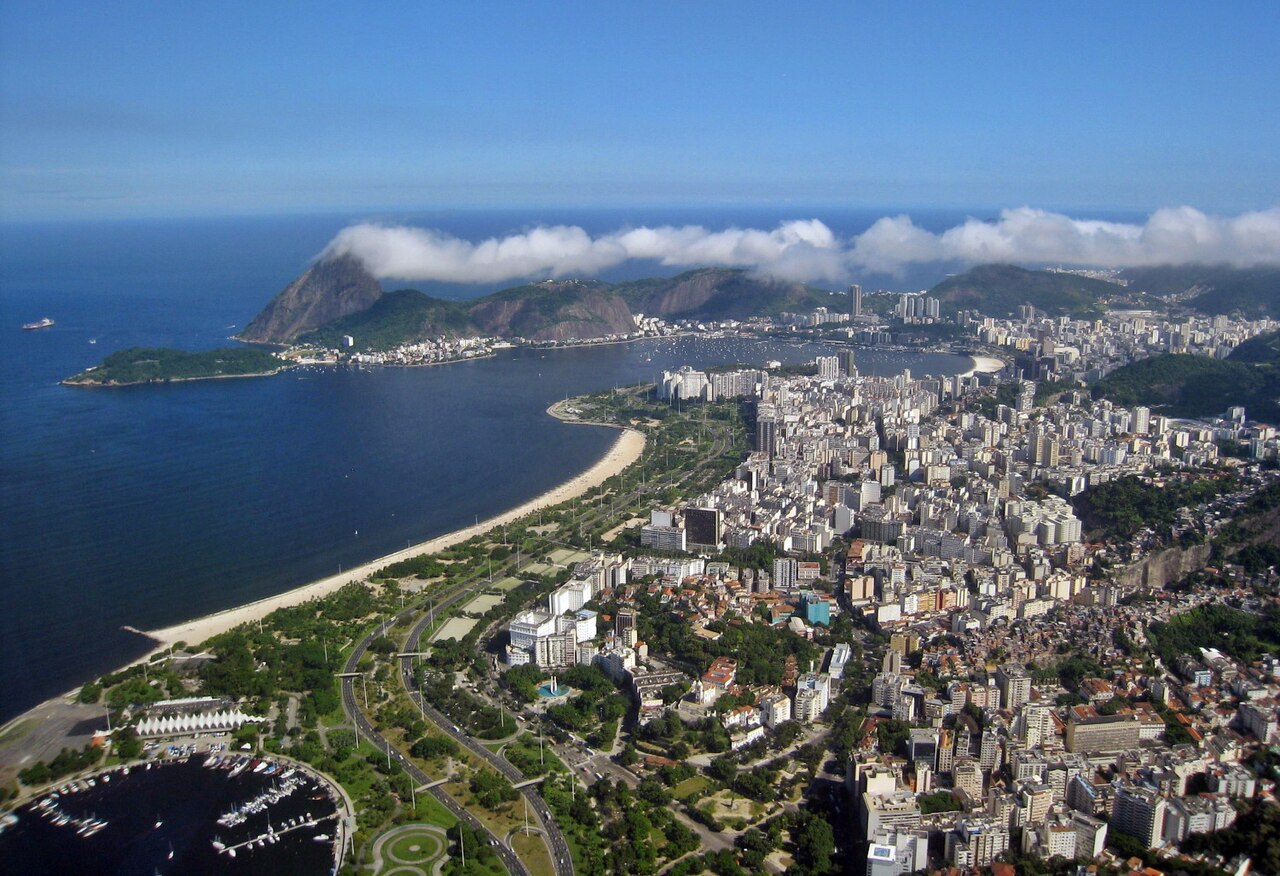
5 min walk
Flamengo Park
- Must see · Heritage site
- Nature site
Language · 11 published
Museum · Rio de Janeiro
Museu da República
Reviewed by Elena Voss · Roavina Travel Editor
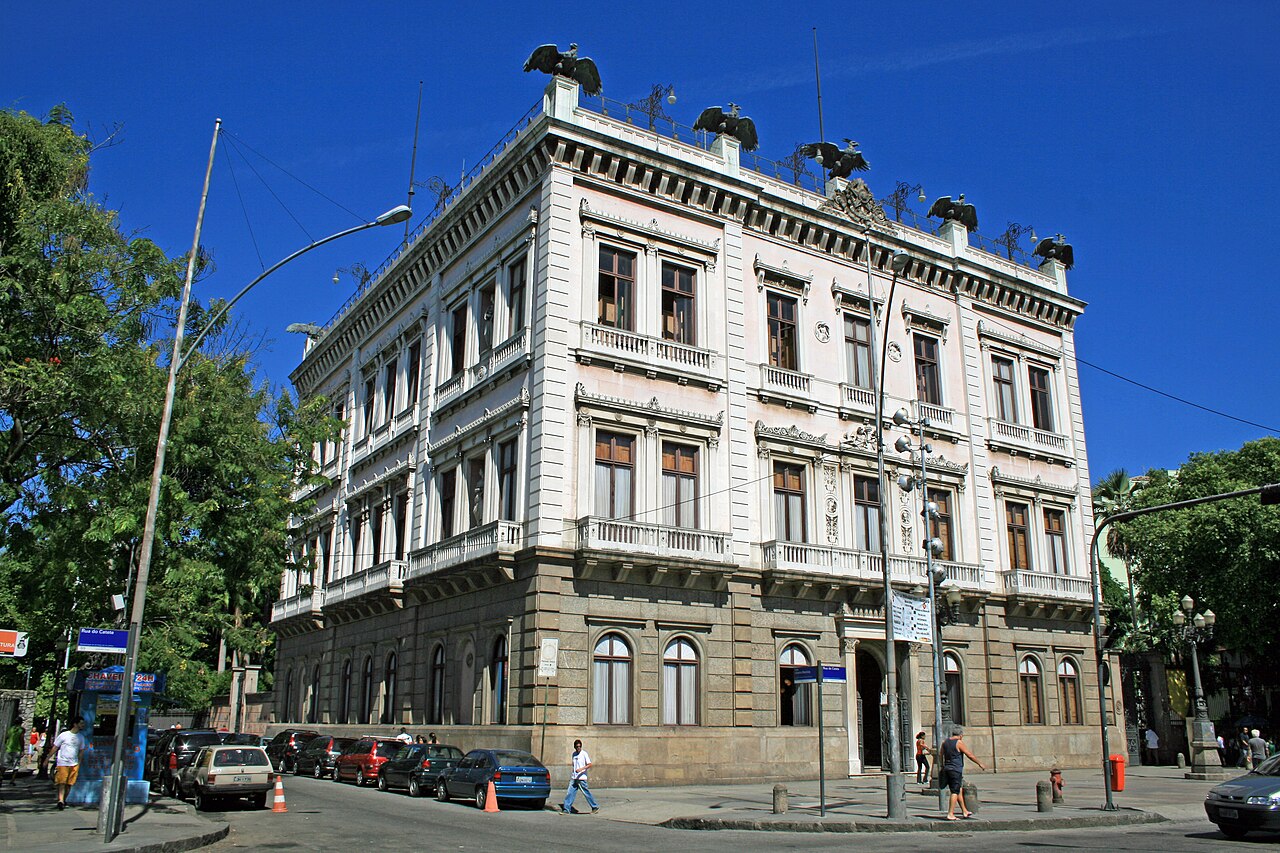
This place is a Museum. It was established in 1867. It was built in the Neoclassical architecture style. It was designed by Carl Friedrich Gustav Waehneldt. It carries the heritage asset listed by IPHAN heritage designation.
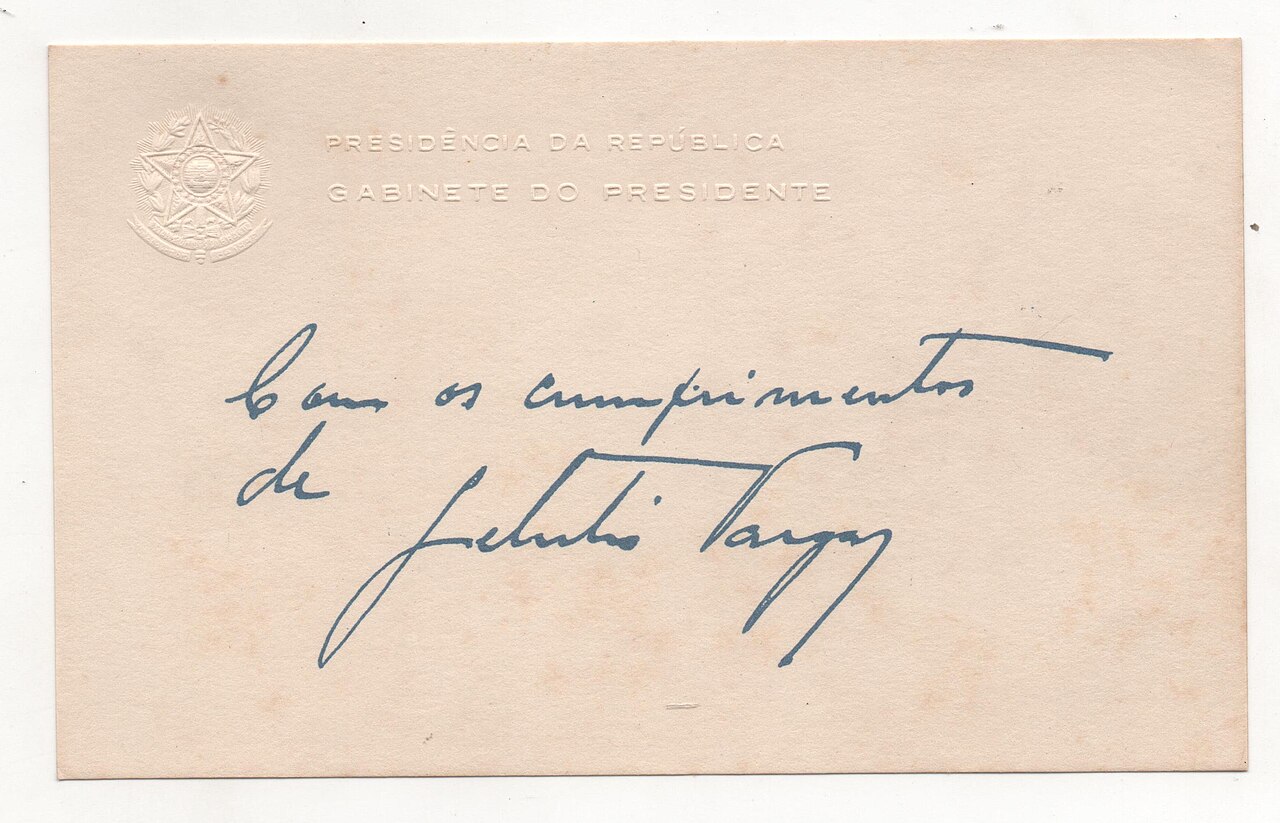
Museum of the Republic occupies the former Catete Palace in Flamengo. The neoclassical palace served as Brazil’s presidential residence from 1897 until 1960, and its rooms preserve the setting of national political life during that period. Today, the building combines republican history, architecture, formal gardens, and the memory of President Getúlio Vargas’s death in 1954. It is a useful Rio stop for travelers who want historical context alongside the city’s beaches, viewpoints, and outdoor attractions. The Museum of the Republic occupies the former Catete Palace, a neoclassical building that served as Brazil's presidential residence from 1897 to 1960. Located in Rio de Janeiro's Flamengo neighbourhood, the palace witnessed significant national political events. After the capital moved to Brasília, the building became a museum dedicated to Brazilian republican history. Visitors with particular requirements should contact the museum directly through information on https://museudarepublica.museus.gov.br/ before visiting.
Checked 2026-08-26 · Source
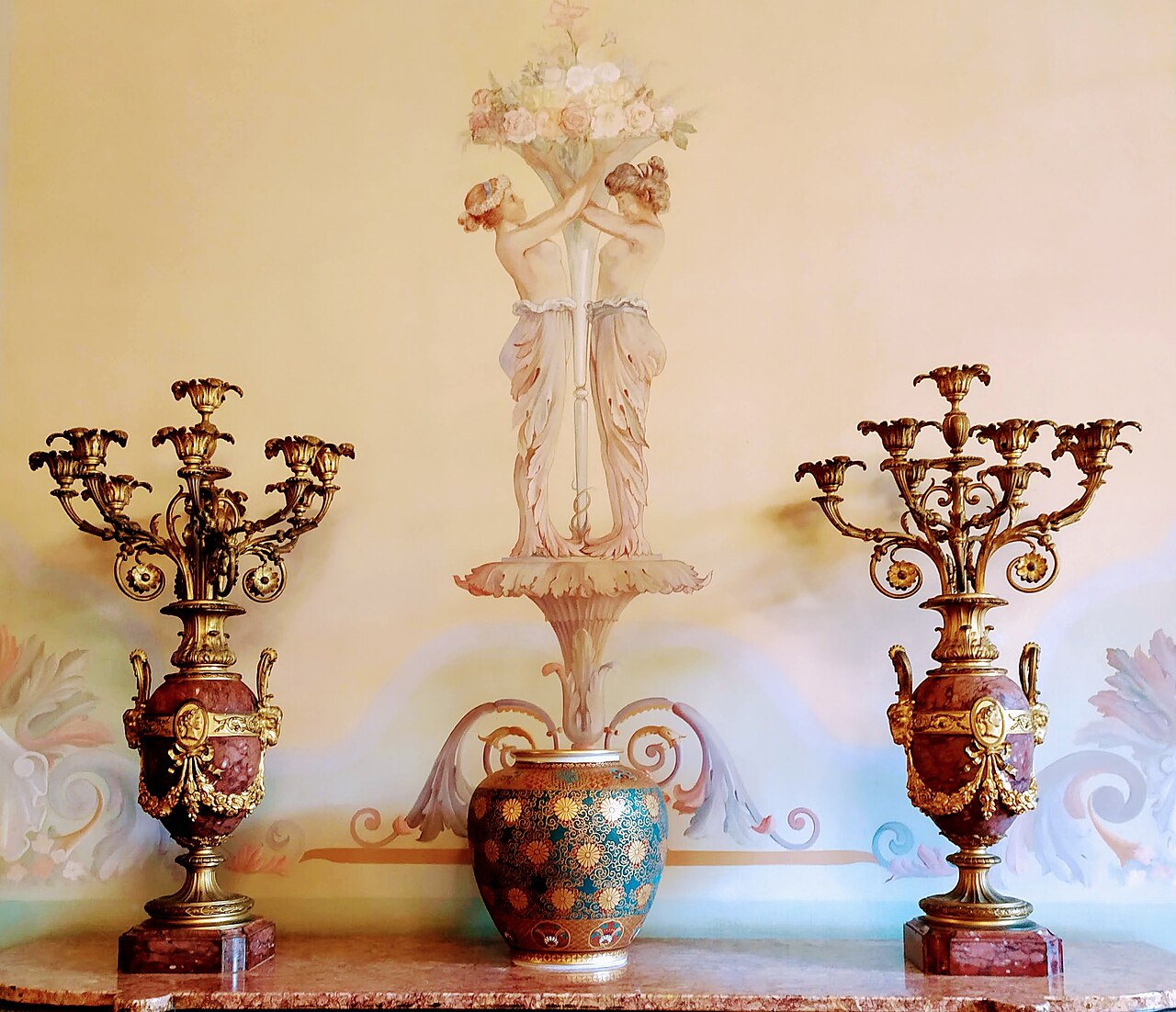
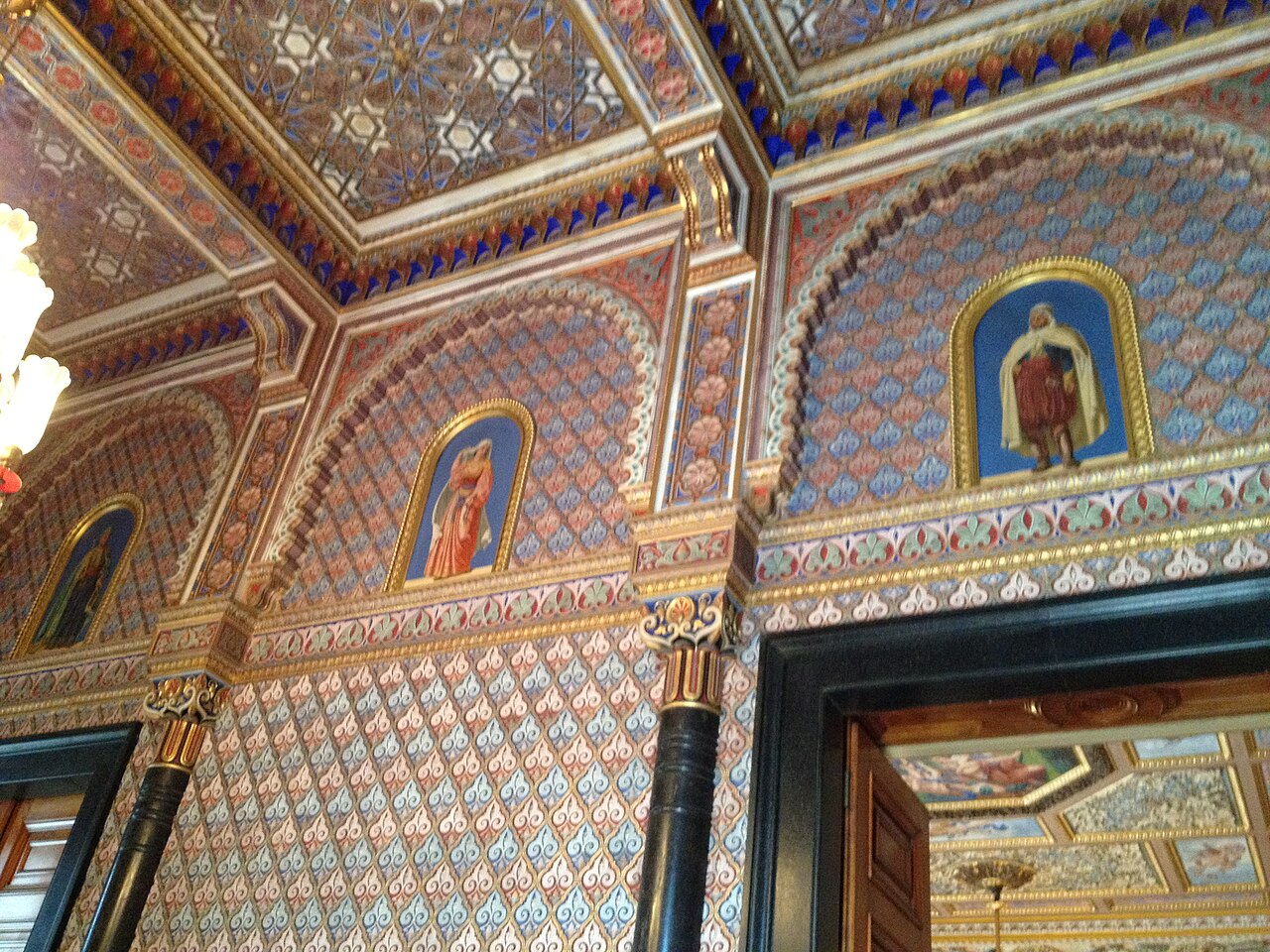
Inside, visitors move through preserved presidential apartments, reception rooms, ceremonial interiors, and spaces furnished to evoke the palace’s official past. The Throne Room and other formal rooms retain decorative details that make the building itself part of the collection. Exhibits also use documents, photographs, and objects to explain Brazil’s republican history. The palace chapel and the place associated with Vargas’s final moments add personal and political dimensions to the visit. Outside, the gardens provide a calmer setting around the historic building.
Checked 2026-08-26 · Source
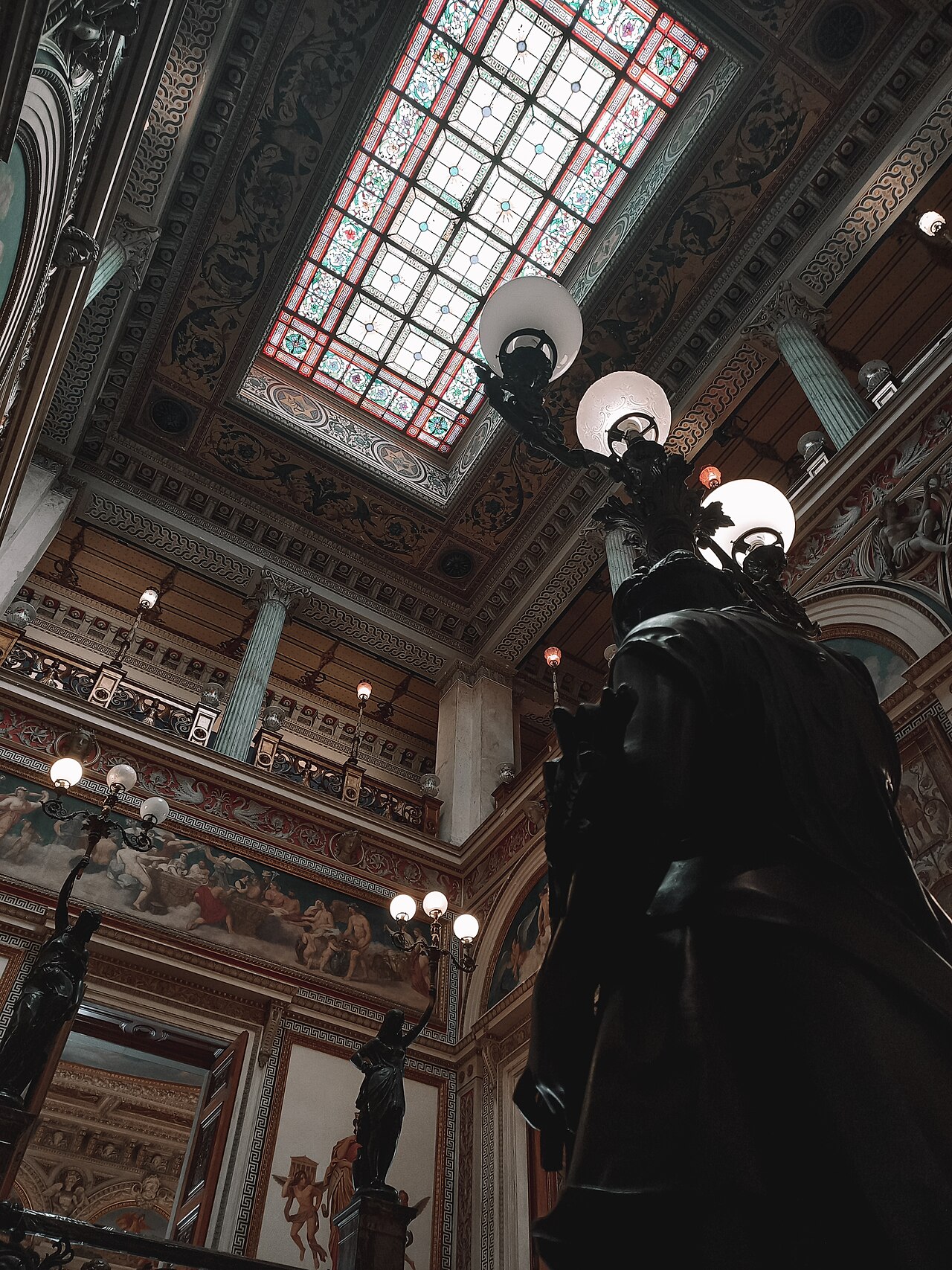
Allow about two hours for a balanced visit. That gives enough time to appreciate the palace exterior, walk through the main ceremonial rooms, read the historical displays, and spend a short while in the gardens. Travelers especially interested in Brazilian political history may want longer for documents and photographs. A shorter visit can still work if you concentrate on the presidential rooms and architecture. The museum also fits naturally into a Flamengo day with the nearby park and Guanabara Bay waterfront.
Checked 2026-08-26 · Source
The museum is most comfortable when paired with a cooler part of the day, especially during Rio’s hotter and more humid summer period. Weekday mornings usually suit visitors seeking a quieter atmosphere for the preserved interiors and written displays. Rain does not prevent the indoor portion of the visit, while the gardens are more enjoyable in dry weather. Plan enough time for both the palace and its grounds rather than treating the building as a quick photo stop. The historic rooms reward an unhurried pace.
Checked 2026-08-26 · Source
Admission arrangements are part of the practical planning for this museum, but no confirmed price or ticket category is provided here. The former presidential palace is operated as a public museum, and its exhibitions include both permanent historical rooms and changing displays. Treat the gardens and interiors as one cultural visit when planning your day. If you are traveling with a group, allow extra time at the entrance because the building’s historic rooms may be managed differently from a modern open-plan museum.
Checked 2026-08-26 · Source
Museum of the Republic stands in Flamengo, close to Catete metro station on Line 1. The station makes the museum straightforward to combine with central Rio and the South Zone without relying on a car. Buses and taxis also serve the surrounding urban streets. Once nearby, use the palace and its formal grounds as clear landmarks. The location works well before or after a walk through Flamengo Park, where the city opens toward Guanabara Bay and the surrounding mountains.
Checked 2026-08-26 · Source
This is a preserved palace and an active museum, so move carefully around barriers, furnishings, and marked routes. Some ceremonial or historic areas may have controlled access because of the building’s contents and conservation needs. Keep personal belongings close in the surrounding city streets, and remember that the gardens remain part of an urban neighborhood rather than a secluded estate. The staircase, floors, and formal rooms may require slower movement than a contemporary gallery. Quiet behavior helps preserve the atmosphere of the former residence.
Checked 2026-08-26 · Source
The palace exterior, formal gardens, corridors, and ceremonial rooms offer strong architectural subjects. Inside, follow the signs and staff directions for camera use, especially around original furnishings, documents, and temporary exhibitions. Avoid flash where restrictions apply and keep equipment from touching displays or blocking narrow routes. During busy periods, step aside before taking longer compositions. The gardens provide a natural place to photograph the building from a wider angle, while the interior is best approached as a historical environment rather than a studio.
Checked 2026-08-26 · Source
It is a museum in the former Catete Palace, Brazil’s presidential residence from 1897 to 1960, with preserved rooms, republican-history displays, and formal gardens.
The visit includes presidential apartments, reception rooms, the Throne Room, historical documents, photographs, objects, and the palace chapel.
It is in Flamengo, near Catete metro station on Rio de Janeiro’s Line 1 and close to Flamengo Park and Guanabara Bay.
About two hours suits a balanced visit covering the palace rooms, historical displays, exterior architecture, and gardens.
It was Brazil’s presidential residence from 1897 until the capital moved to Brasília in 1960, and it is associated with major republican events including Vargas’s death.
Yes. The museum’s Flamengo setting makes it practical to combine the palace and gardens with a walk toward the park and Guanabara Bay waterfront.
Loading the interactive map…
The interactive map could not be loaded.
Last updated:
Source: OpenStreetMap contributors, Wikidata ·