.jpg)
21 min walk
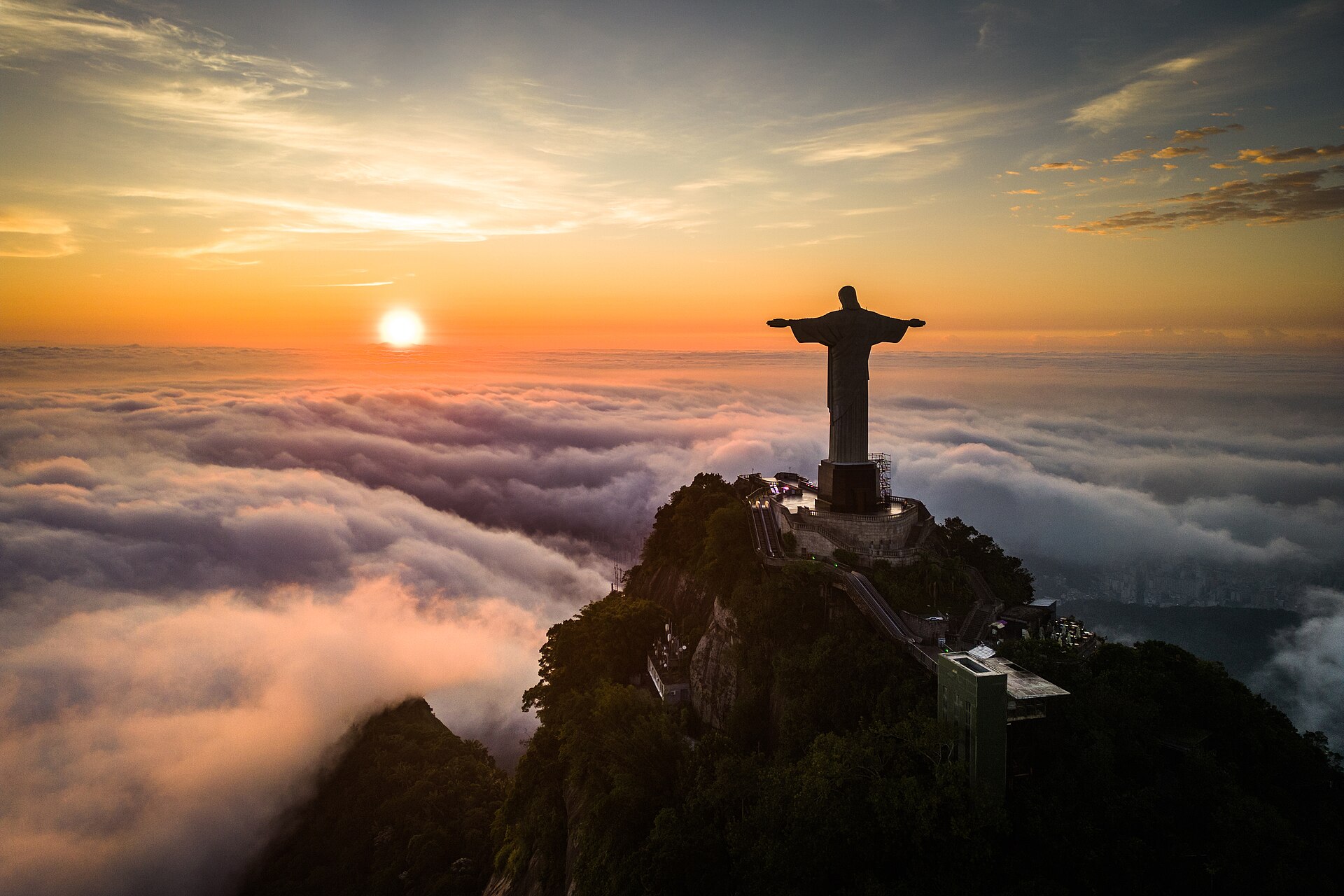
Christ the Redeemer
- Must see · Heritage site
- Historic monument
Viewpoint · Rio de Janeiro
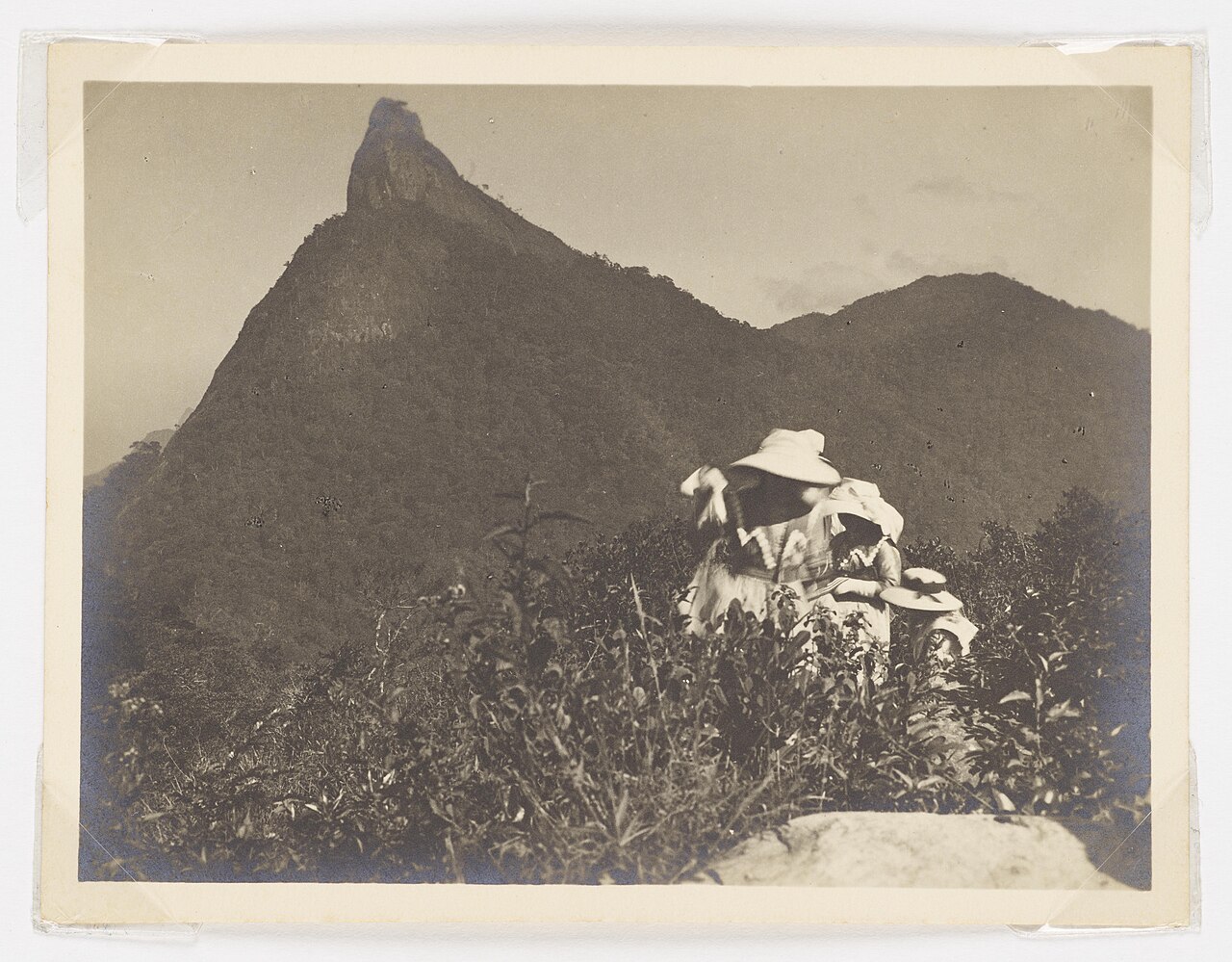
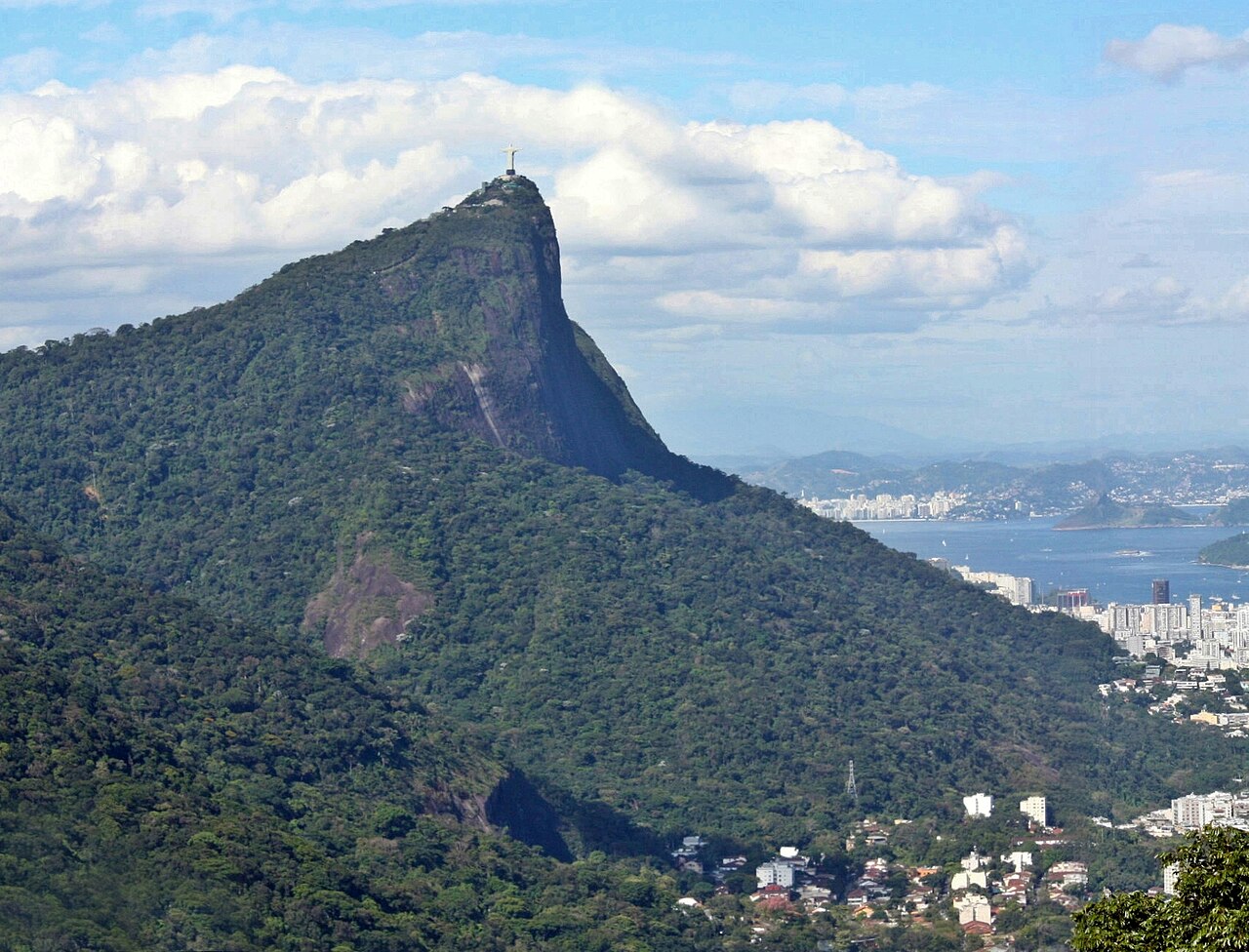
Dona Marta Viewpoint, or Mirante Dona Marta, is an elevated scenic overlook in Rio de Janeiro with a broad panorama across the city. From this hillside position, visitors can see Christ the Redeemer, Sugarloaf Mountain, and Guanabara Bay within one expansive view. The viewpoint is especially useful for travellers who want Rio’s defining landscape without committing to a long mountain hike. The setting combines dramatic mountains, water, forested slopes, and major monuments, making Dona Marta one of the clearest places to understand how Rio’s geography shapes the city.
Checked 2026-08-26 · Source
Dona Marta is primarily an open observation area rather than a museum or enclosed attraction. The main experience is the panorama: Christ the Redeemer rises above the surrounding landscape, Sugarloaf Mountain anchors the wider view, and Guanabara Bay opens beyond the city. Atlantic Forest vegetation surrounds the hillside, adding green foreground layers to the urban and coastal scene. The viewpoint’s value comes from its position and sightlines, so visitors should focus on the changing relationship between monuments, mountains, water, and sky. The stop is visual and spacious in concept, with no exhibition route to follow.
Checked 2026-08-26 · Source
Allow fifteen to thirty minutes for the viewpoint itself, including time to take photographs and look across Rio’s landmarks. Longer stays make sense when clouds move through the mountains, light changes across Guanabara Bay, or you are waiting for a clearer view of Christ the Redeemer. The overlook can also be part of a broader route through the hillside areas near Santa Teresa or Corcovado, in which case transit time becomes the larger part of the excursion. A short visit still delivers the essential experience because the panorama is visible immediately from the observation area.
Checked 2026-08-26 · Source
Clear morning conditions generally give the best chance of seeing Christ the Redeemer, Sugarloaf Mountain, and Guanabara Bay together before haze or cloud builds over the hills. Rio’s tropical weather can change quickly, and fog or afternoon cloud may hide parts of the panorama. Visit when visibility matters more than a fixed timetable, and leave flexibility for a second attempt if the landmarks disappear. Sunset can create striking light across the bay and mountains, but evening cloud may also reduce the view. Sun protection and water are sensible for an exposed hillside stop.
Checked 2026-08-26 · Source
Dona Marta is valued as a scenic overlook, and the visit is centred on the open panorama rather than a museum-style admission experience. If the viewpoint forms part of a private vehicle, taxi, rideshare, or organised excursion, transport arrangements remain separate from the act of viewing the landscape. The strongest reason to include Dona Marta is its unusually complete composition of Rio’s major sights in one frame. The viewpoint provides a different perspective from visits to the individual monuments, allowing Christ the Redeemer, Sugarloaf Mountain, and Guanabara Bay to be understood together.
Checked 2026-08-26 · Source
Dona Marta is road-accessible in Rio’s hillside landscape, so private vehicles, taxis, rideshares, and organised tours are practical ways to approach the overlook. The route involves winding mountain roads, and travel time depends heavily on the departure point and traffic. Visitors coming from the southern zone should plan the journey as a hillside excursion rather than as a quick flat-city transfer. Precise access arrangements can change with local road conditions. Arrange the return journey with equal care, particularly if using a rideshare or taxi in a less central area.
Checked 2026-08-26 · Source
Hillside roads can be steep and winding, so passengers should allow extra travel time and drivers should proceed carefully. Rio’s elevated viewpoints can change from clear to clouded quickly, while strong sun and heat make water, sun protection, and light clothing useful. Keep phones and cameras secure and remain aware of the surroundings, especially while concentrating on the panorama. Vehicle security deserves attention wherever a car is left. Dona Marta is a scenic stop, not a substitute for preparation: visibility, traffic, weather, and the conditions of the access road all shape the visit.
Checked 2026-08-26 · Source
Dona Marta’s signature photograph brings Christ the Redeemer, Sugarloaf Mountain, and Guanabara Bay into the same panorama. A wide lens suits the full landscape, while a telephoto lens can isolate the statue, mountain, or bay. Morning usually offers clearer air before haze and cloud develop over Rio’s hills. Work with the changing light rather than relying on one composition: the bay, forested slopes, and city buildings create different layers as the sun moves. Keep equipment secure in wind and remain attentive to the footing and surroundings while framing the view.
Checked 2026-08-26 · Source
The panorama includes Christ the Redeemer, Sugarloaf Mountain, and Guanabara Bay, together with Rio’s forested hills and urban landscape.
Most visitors need fifteen to thirty minutes for viewing and photography. Stay longer if you are waiting for clouds to clear or light to change.
Clear mornings generally offer the best visibility before haze or cloud develops over Rio’s mountains and may obscure the major landmarks.
The viewpoint is road-accessible, making a private vehicle, taxi, rideshare, or organised tour practical for the hillside journey.
Yes. Its main photographic strength is the ability to frame Christ the Redeemer, Sugarloaf Mountain, and Guanabara Bay in one broad composition.
Bring water, sun protection, and a secure way to carry phones or cameras. Weather and visibility can change quickly on the exposed hillside.
Loading the interactive map…
The interactive map could not be loaded.

Last updated:
Source: OpenStreetMap contributors ·