


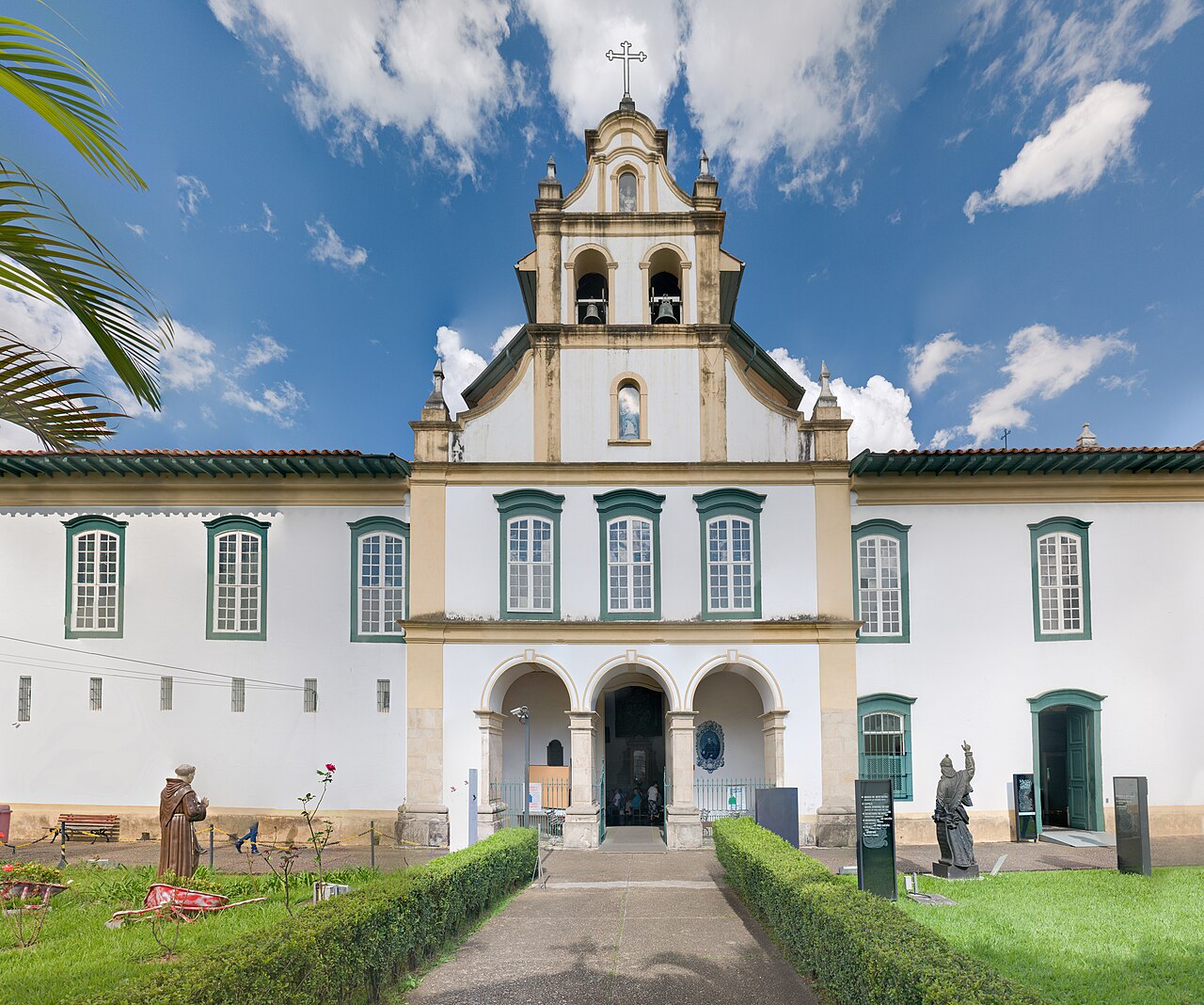
11 min walk
São Paulo Museum of Sacred Art
- Must see
- Museum
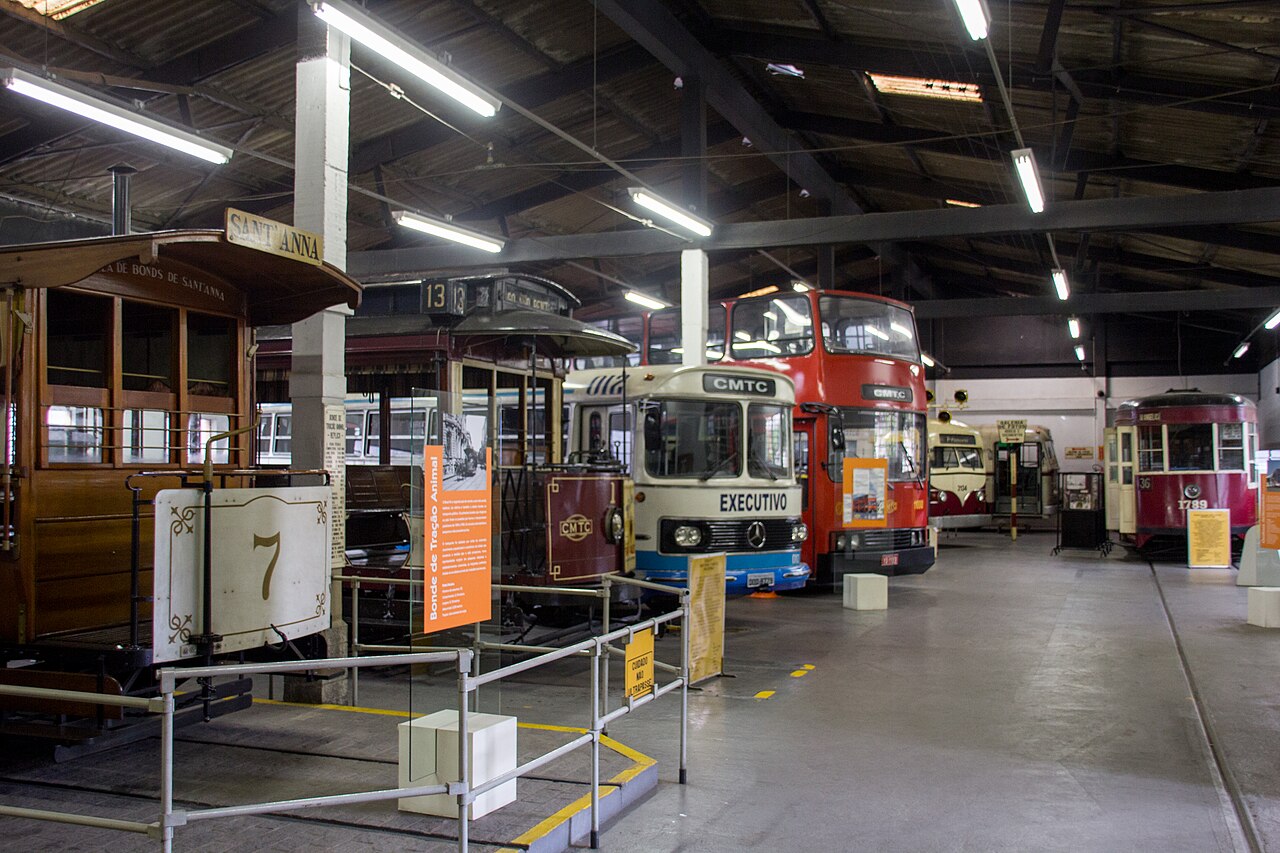
Museum · São Paulo
Museu dos Transportes Públicos Gaetano Ferolla
| Monday | Closed |
|---|---|
| Tuesday | 09:00 – 17:00 |
| Wednesday | 09:00 – 17:00 |
| Thursday | 09:00 – 17:00 |
| Friday | 09:00 – 17:00 |
| Saturday | 09:00 – 17:00 |
| Sunday | 09:00 – 17:00 |
Parsed from OpenStreetMap opening hours on 2026-09-09.
São Paulo Railway Museum, also known as Museu dos Transportes Públicos Gaetano Ferolla, preserves vehicles and infrastructure connected with the history of public transport in São Paulo. It offers a focused cultural look at how mobility shaped the growth of one of the world’s largest cities. The museum is a good choice for travellers who enjoy railways, buses, engineering, urban history and the tangible objects of everyday transportation. The São Paulo Railway Museum, locally named Museu dos Transportes Públicos Gaetano Ferolla, is a municipal public-transport museum dedicated to preserving vehicles and infrastructure from São Paulo's mobility history. Operated in connection with the city's public transport system, it serves as a custodian of historical transit equipment. The museum occupies a significant position in the city's cultural landscape, documenting the evolution of urban transportation that has shaped São Paulo's development as one of the world's largest metropolitan areas. Visitors must verify current schedules directly with the museum.
Checked 2026-08-26 · Source
The collection centres on historical public-transport vehicles and infrastructure. Visitors can expect authentic transport-related objects representing the development of São Paulo’s mobility systems across different periods. The appeal is the connection between machines, streets and the city’s social history: vehicles are evidence of how residents moved through an expanding metropolis. Approach the exhibits as a compact record of urban change, with transport technology providing the organising theme. The museum preserves vehicles and infrastructure from São Paulo's mobility history. Its collections encompass historical public transport equipment that illustrates the technological and social progression of the city's transit systems. Visitors encounter authentic artifacts representing different eras of urban transportation. The museum's holdings reflect municipal efforts to maintain tangible connections to past transit modes.
Checked 2026-08-26 · Source
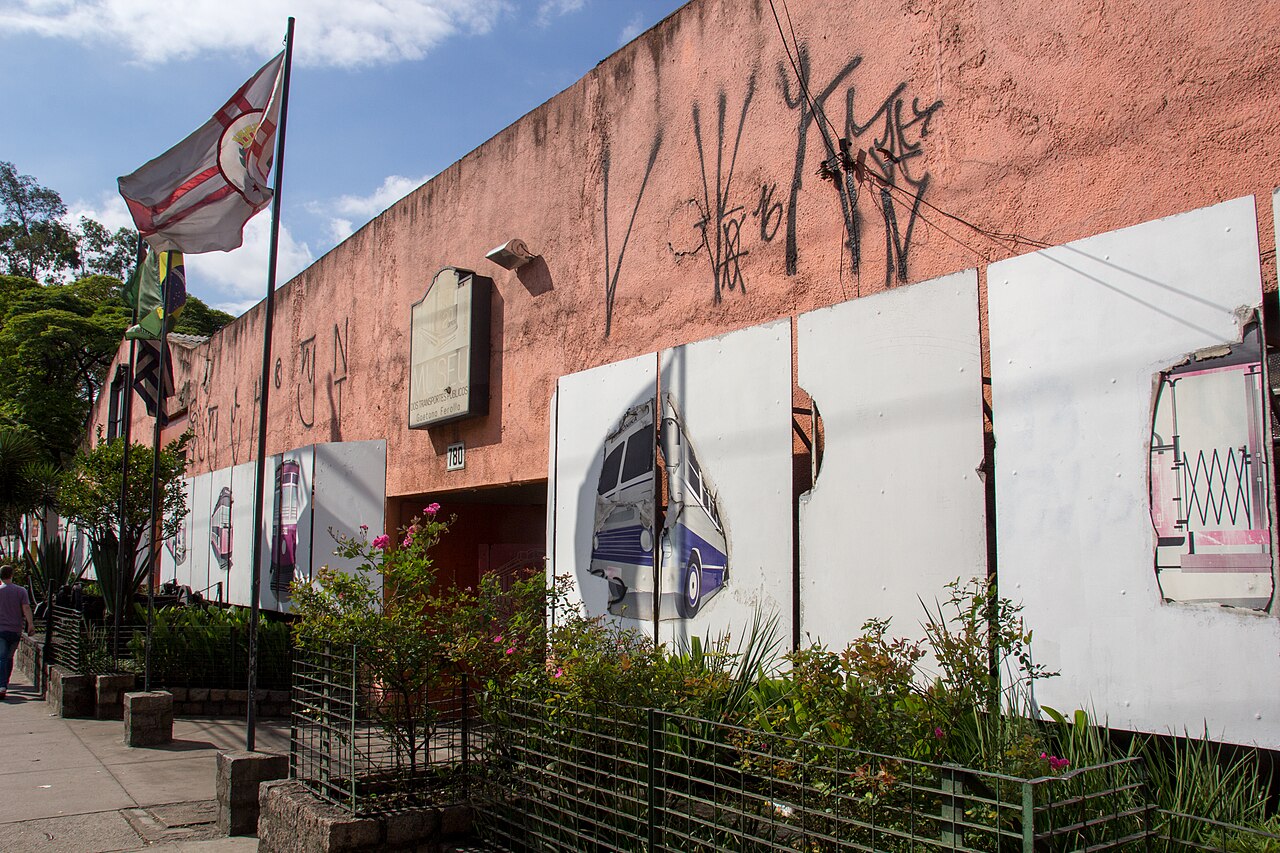
Allow flexible time according to your interest in public transport and historical vehicles. A visitor making a quick thematic stop can focus on the principal objects, while railway and engineering enthusiasts may want longer to examine construction, design and the relationship between vehicles and city development. The museum works well as a dedicated cultural visit or as a shorter addition to an itinerary focused on São Paulo’s urban history.
Checked 2026-08-26 · Source
An indoor museum visit provides a useful alternative when São Paulo’s weather makes outdoor sightseeing uncomfortable. The city has warmer conditions from October through March and cooler periods from April through September, with rainfall possible throughout the year. Pair the museum with other transport- or city-history stops when planning your day. Its subject is especially rewarding when you have time to look closely at the preserved vehicles rather than rushing through.
Checked 2026-08-26 · Source
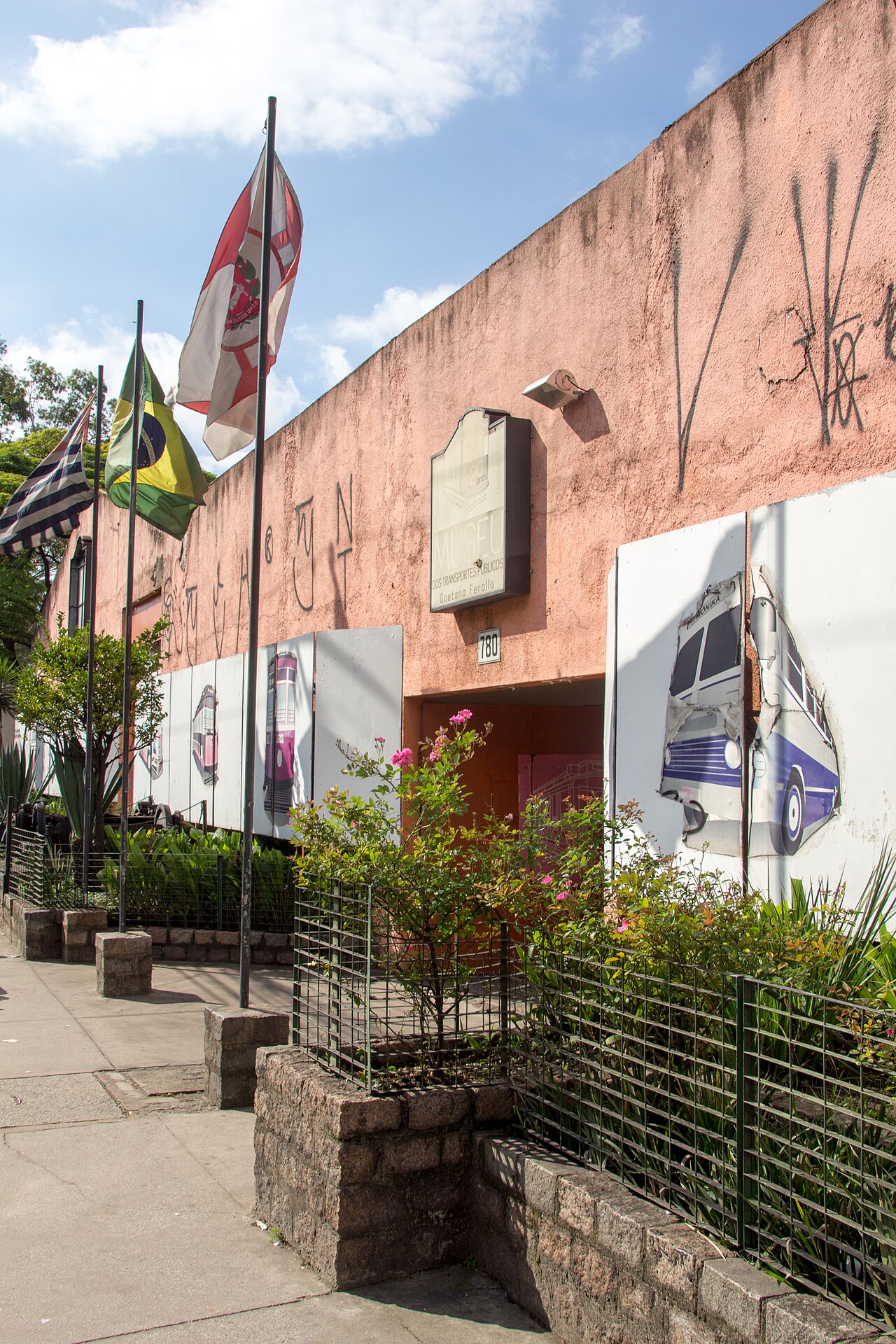
The museum is a municipal public-transport museum, and its role is preservation and public cultural education. The supplied place record does not state a ticket price or admission category. Think of the visit as a museum experience centred on historical vehicles and infrastructure, with any cost handled separately from the transport exhibits themselves. Budget time for the collection and urban-history context rather than for commercial attractions or retail activities.
Checked 2026-08-26 · Source
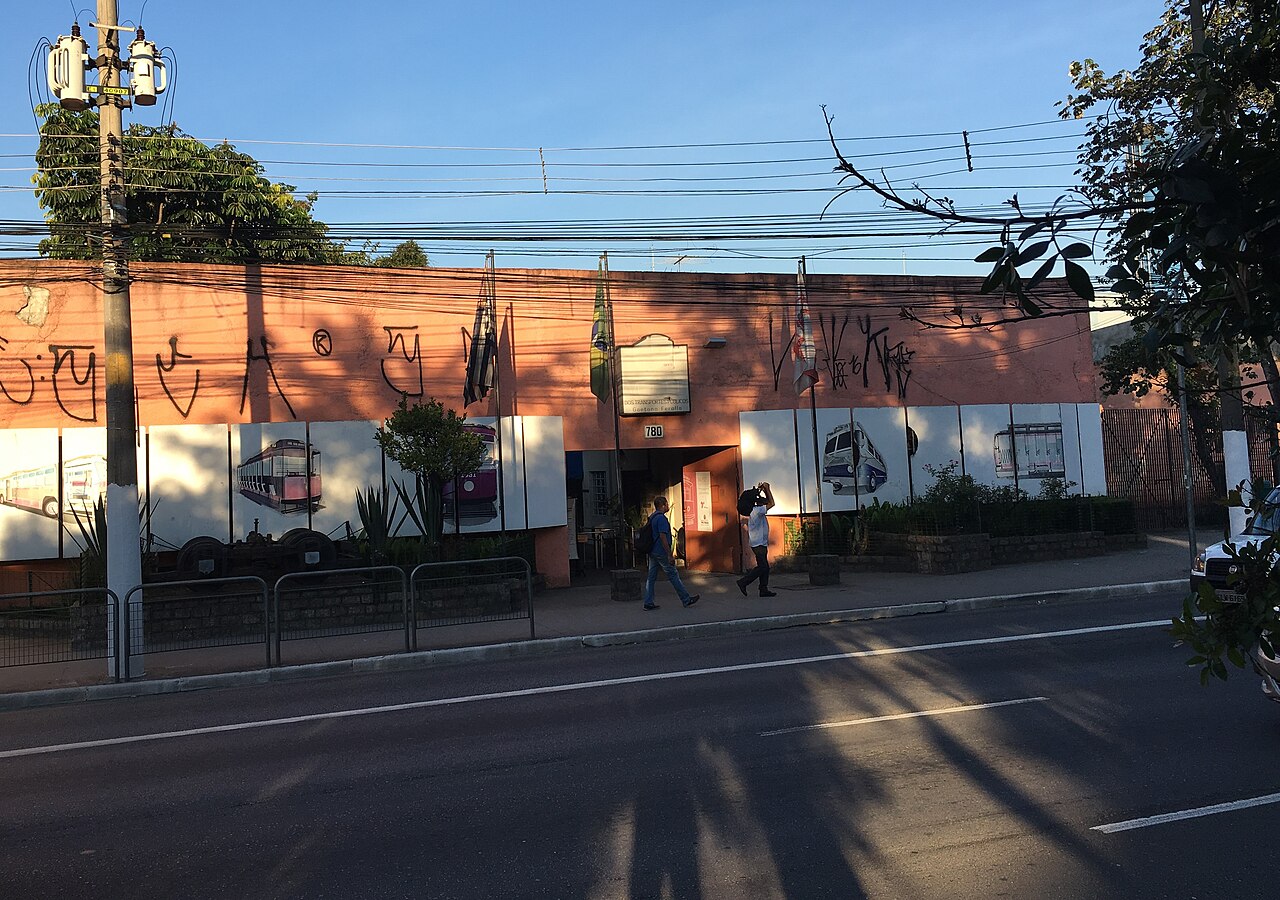
The museum belongs to São Paulo’s public-transport heritage landscape and is connected conceptually to the city’s extensive bus, metro and rail network. The supplied place record does not identify a precise address, nearest station or named bus route. Plan the journey using the museum’s exact map position and allow time for São Paulo’s large distances and traffic. Public transport is the natural theme of the visit, while route details need to be planned for the specific day.
Checked 2026-08-26 · Source
The collection focuses on historical equipment, so some vehicles and infrastructure were created before modern visitor-access standards. If you have mobility needs, consider the physical character of transport exhibits when planning your visit. The museum is part of a major metropolitan environment, making ordinary care with belongings sensible on the journey. Portuguese is central to the local setting, and the experience is strongest when you are comfortable reading visual details and interpreting the city’s transport story.
Checked 2026-08-26 · Source
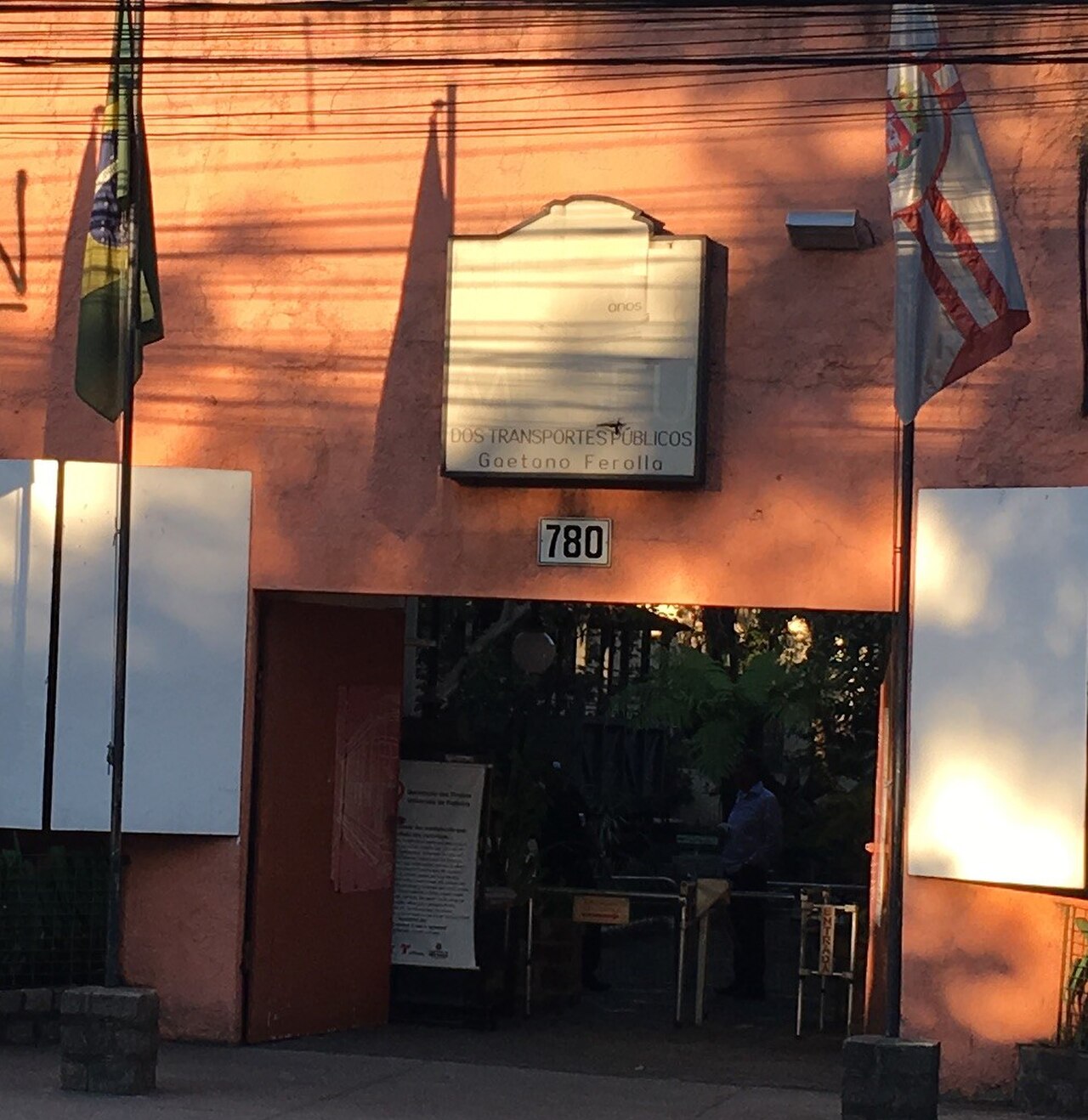
Photograph the preserved vehicles and infrastructure as design objects: look for wheels, bodywork, controls, fittings and the signs of long-term public use. Wider compositions can show how transport technology relates to urban history, while close details suit visitors interested in engineering and craftsmanship. Keep camera use unobtrusive around other visitors and protect the exhibits by maintaining an appropriate distance. The museum’s strongest images connect individual objects with São Paulo’s changing mobility needs.
Checked 2026-08-26 · Source
It is also known as Museu dos Transportes Públicos Gaetano Ferolla.
It preserves vehicles and infrastructure connected with São Paulo’s public-transport history.
It suits visitors interested in railways, buses, engineering, urban history and the development of São Paulo’s mobility systems.
The attraction is a museum collection, making it a useful cultural option when rain or heat makes outdoor sightseeing less comfortable.
Look for historical vehicles, transport infrastructure, engineering details and objects showing how public mobility changed with São Paulo’s growth.
Its collection shows how public transport supported the growth and daily life of São Paulo as the city expanded.
Loading the interactive map…
The interactive map could not be loaded.
Last updated:
Source: OpenStreetMap contributors, Wikidata ·