.jpg)

37 min walk
Corktown Commons
- Must see
- Nature site
Language · 11 published
Nature site · Toronto
Tommy Thompson Park
Reviewed by Elena Voss · Roavina Travel Editor
| Monday | Closed |
|---|---|
| Tuesday | Closed |
| Wednesday | Closed |
| Thursday | Closed |
| Friday | Closed |
| Saturday | 09:00 – 18:00 |
| Sunday | 09:00 – 18:00 |
Parsed from OpenStreetMap opening hours on 2026-09-09.
This place is a Nature reserve.
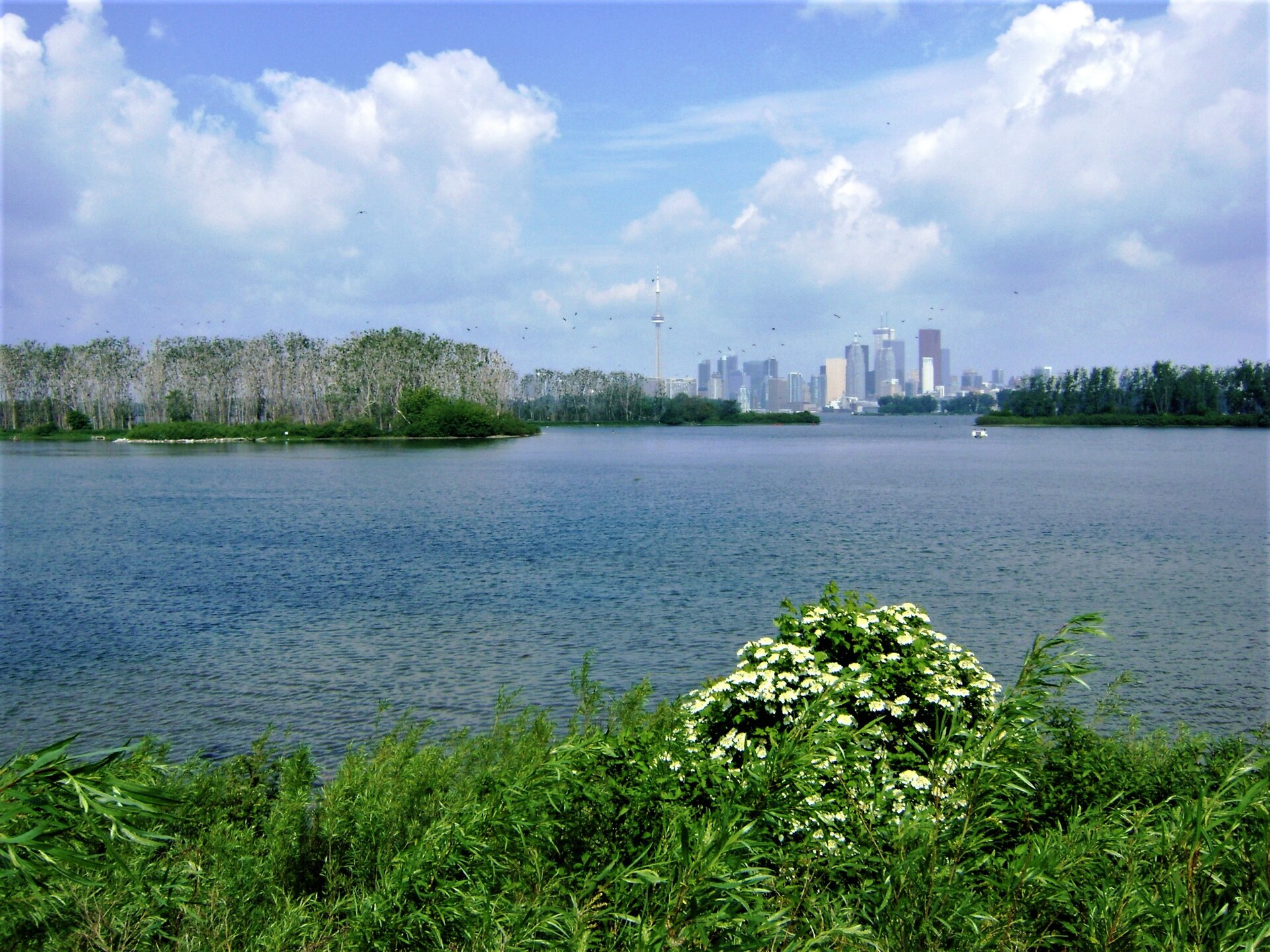
Tommy Thompson Park occupies the Leslie Street Spit, a long waterfront peninsula extending into Lake Ontario from Toronto’s port lands. Its wetlands, meadows, forests and shoreline create an urban nature destination with important wildlife habitat. The park is especially valued for birdwatching, walking, cycling and open views across the lake and toward Toronto’s skyline. Tommy Thompson Park is a protected waterfront habitat located on the Leslie Street Spit in Toronto. The park serves as a significant birdwatching destination, attracting numerous species throughout the year. Managed as a natural area, it provides critical habitat for wildlife in an urban setting. The park's location extends into Lake Ontario, creating a unique peninsula environment that supports diverse ecosystems including wetlands, forests, and meadows. Visitors come to observe birds, walk trails, and experience nature close to downtown Toronto. Seasonal access varies. Current operational status should be verified through official Toronto sources before visiting, as conditions and management decisions may affect availability.
Checked 2026-08-26 · Source
The park’s main attractions are its changing outdoor habitats rather than buildings or galleries. Trails pass through wetlands, cottonwood woodland and meadow, while the peninsula offers varied Lake Ontario shorelines. The landscape developed on constructed industrial fill and now supports a broad urban ecosystem. Birdlife is the central draw, with other wildlife also appearing along the quieter paths and edges. The park contains natural habitats including wetlands, cottonwood forests, and meadow areas that support wildlife. Trails run through the park for walking and cycling. Birdwatching opportunities are a primary draw, with many species documented in the area. The peninsula setting creates varied shoreline environments along Lake Ontario. Vegetation has established naturally over time on the constructed spit. Wildlife viewing extends beyond birds to include other animals adapted to this urban wilderness. The landscape represents an evolving ecological system on former industrial fill material.
Checked 2026-08-26 · Source
Plan at least one to two hours for a short walk, and several hours if you want to explore deeper into the spit. The peninsula extends for several kilometres, so covering more of it requires sustained walking or cycling. Birdwatchers and photographers may spend half a day waiting at productive habitats, especially during migration seasons. Visitors typically spend several hours exploring Tommy Thompson Park, though individual visits vary considerably based on interests and activities. Birdwatchers may dedicate half a day or longer during peak migration periods. Casual walkers might complete a shorter route in one to two hours. The full length of the accessible spit extends several kilometres, so covering the entire area requires substantial walking time. Cycling allows faster traversal of the main trail.
Checked 2026-08-26 · Source
Spring and autumn are rewarding periods for birdwatching because migration adds movement and variety to the habitats. Summer brings longer daylight and easier conditions for an extended outing. Winter presents a more exposed waterfront landscape and can make the peninsula feel especially austere. Weather changes quickly beside Lake Ontario, so choose clothing and timing for an open, windswept environment.
Checked 2026-08-26 · Source
Tommy Thompson Park is a public natural area designed for walking, cycling, wildlife observation and quiet enjoyment of the waterfront. Its appeal lies in the landscape and habitat rather than indoor attractions or ticketed exhibitions. Build the visit around time outdoors, and carry what you need for a peninsula route where facilities are limited compared with central city parks.
Checked 2026-08-26 · Source
Reach the park from the Leslie Street and Unwin Avenue area in Toronto’s port lands. The entrance is away from the rapid-transit core, so a trip usually involves a further connection and then travel to the base of the spit. Cycling is practical for the approach and the main trail. From the entrance, the peninsula itself must be travelled on foot or by bicycle.
Checked 2026-08-26 · Source
The peninsula is exposed, with limited shelter and changing wind, sun and rain. Trails may be uneven, and natural debris can make walking less comfortable. Carry water because services are limited. Keep away from the shoreline edge, give birds and other wildlife space, and stay alert where walkers and cyclists use the same route. The remote setting makes preparation important.
Checked 2026-08-26 · Source
Tommy Thompson Park combines bird, shoreline and skyline subjects in one long outing. Early and late daylight can bring softer colour across the lake and stronger definition to the Toronto skyline. Bird photography rewards patience and distance rather than pursuit. The peninsula’s open terrain also records weather dramatically, from clear urban views to cloud, wind and winter ice along the shore.
Checked 2026-08-26 · Source
It is best known for birdwatching and natural habitats on the Leslie Street Spit, including wetlands, meadows, woodland and Lake Ontario shoreline.
The park is on the Leslie Street Spit in Toronto’s port lands, extending outward into Lake Ontario from the area near Leslie Street and Unwin Avenue.
Cycling is one of the park’s principal visitor activities, and the main trail allows cyclists to cover more of the long peninsula than walkers can in the same time.
Allow one to two hours for a shorter walk, or several hours for a longer route. Birdwatchers and photographers may spend half a day outdoors.
The park includes wetlands, cottonwood forests, meadows and varied Lake Ontario shorelines on a peninsula formed over constructed industrial fill.
Spring and autumn are especially attractive for birdwatchers because migration brings additional activity and variety to the park’s waterfront habitats.
Loading the interactive map…
The interactive map could not be loaded.

Last updated:
Source: OpenStreetMap contributors, Wikidata ·