.jpg)
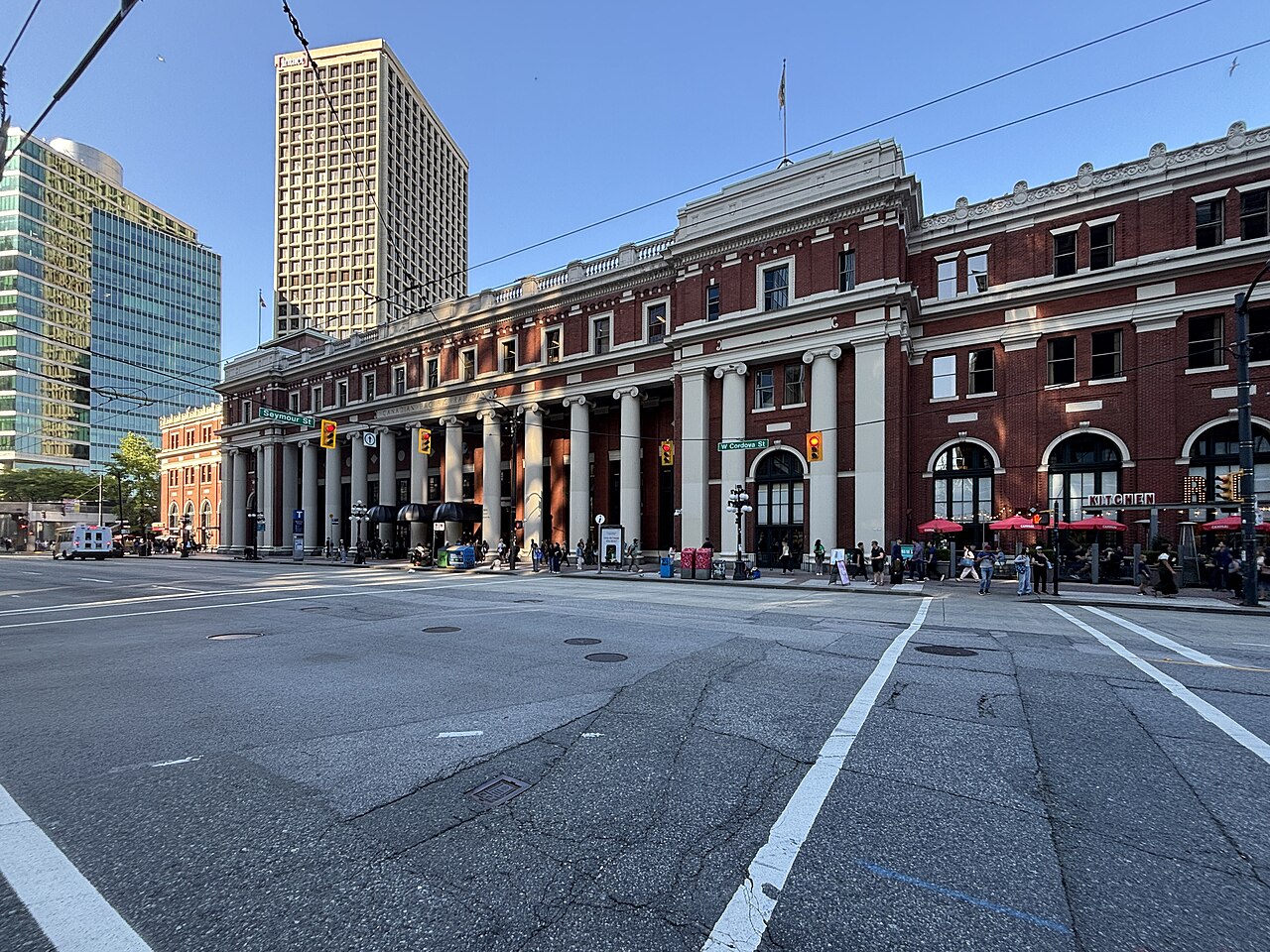
2 min walk
Waterfront station
- Must see
- Historic monument
Language · 11 published
Viewpoint · Vancouver
Harbour Centre Lookout Tower
Reviewed by Elena Voss · Roavina Travel Editor
| Monday | 09:30 – 19:00 |
|---|---|
| Tuesday | 09:30 – 19:00 |
| Wednesday | 09:30 – 19:00 |
| Thursday | 09:30 – 19:00 |
| Friday | 09:30 – 19:00 |
| Saturday | 09:30 – 19:00 |
| Sunday | 09:30 – 19:00 |
Checked 2026-08-31 · Source
Read from the OpenStreetMap access tags; anything not listed has no tag recorded.
Set the group type to family in the planner and the day window contracts to about three quarters of a solo day.
This place is a Viewpoint.
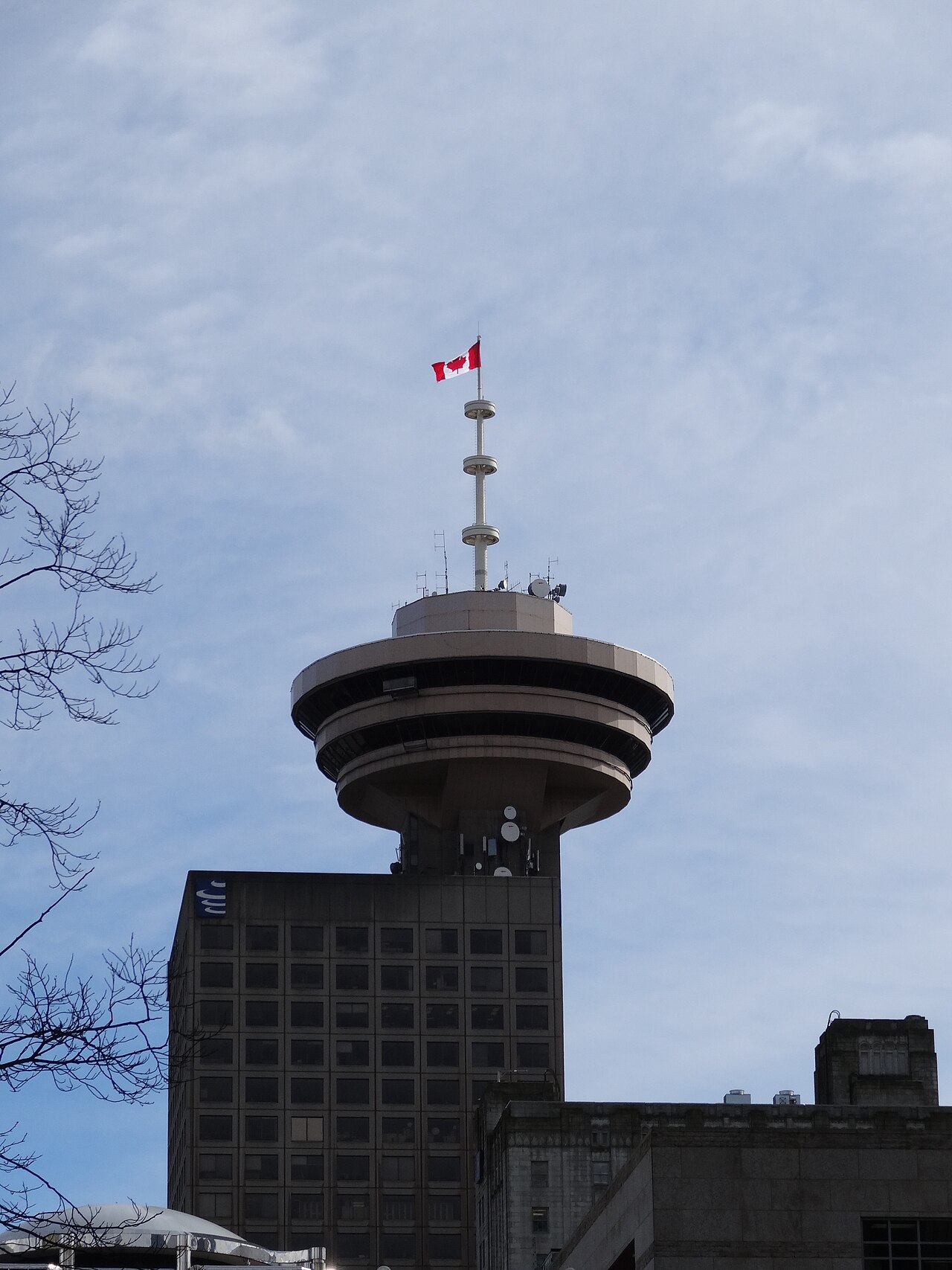
Vancouver Lookout is an elevated observation deck at Harbour Centre in downtown Vancouver. A glass elevator carries visitors up to a circular viewing level with views in every direction. From above, the city’s streets, waterfront, skyline, and surrounding mountains become part of one broad panorama. The attraction is useful early in a Vancouver visit because the elevated perspective helps orient you to the downtown peninsula and the natural landscape beyond it. It is an indoor viewpoint focused on seeing, understanding, and photographing the city from height.
Checked 2026-08-26 · Source
The principal experience is the circular observation deck, lined with windows that provide a full panorama rather than a single framed view. The glass elevator adds a brief visual element during the ascent and descent. At deck level, visitors can look across downtown streets, the waterfront, mountains, and the wider urban setting. The space is designed primarily for viewing and photography, so plan around the quality of the outlook rather than a large exhibition programme. Different sides of the deck reveal different subjects, making a complete circuit worthwhile.
Checked 2026-08-26 · Source
Allow thirty minutes to one hour for the observation deck. That gives enough time to make a complete circuit, compare the views in each direction, identify landmarks, and take photographs. Visitors who enjoy city geography, changing weather, or detailed photography may stay longer. The elevator journey adds little time, while reaching Harbour Centre and returning to street level should be planned separately. The lookout works as a focused downtown attraction and can fit comfortably beside waterfront walks, central shopping, and other sights around Vancouver’s core.
Checked 2026-08-26 · Source
Visibility is the most important factor when choosing a time for Vancouver Lookout. Clear conditions reveal the mountains, water, and distant urban landscape most effectively, while rain, fog, and low cloud can hide major parts of the panorama. Morning, late afternoon, and evening each create a different city view if the attraction is operating then: softer daylight suits landscapes, while darkness brings illuminated streets and buildings. The enclosed viewpoint remains useful in unsettled weather, but poor visibility reduces the value of the elevated perspective.
Checked 2026-08-26 · Source
Vancouver Lookout is a ticketed attraction rather than a free public viewpoint. The cost of a visit, available discounts, combination options, and purchase arrangements can change, so include the admission decision when planning a downtown day. The attraction’s purpose is concentrated in the observation deck, making a ticket most worthwhile when visibility is good or when you particularly want a high-level view of Vancouver. Travellers should also allow for time spent reaching Harbour Centre and the possibility that weather may affect what can be seen from the windows.
Checked 2026-08-26 · Source
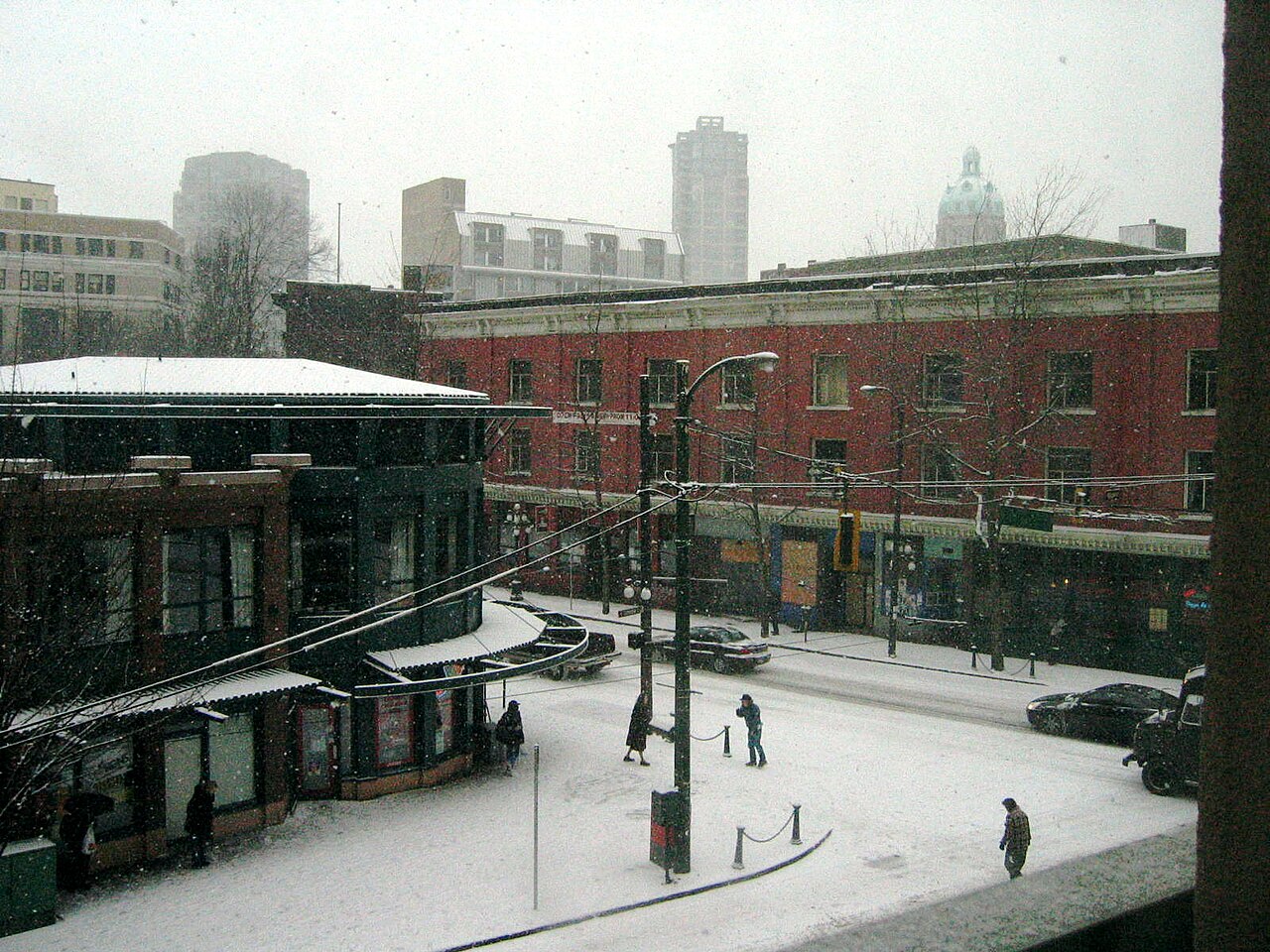
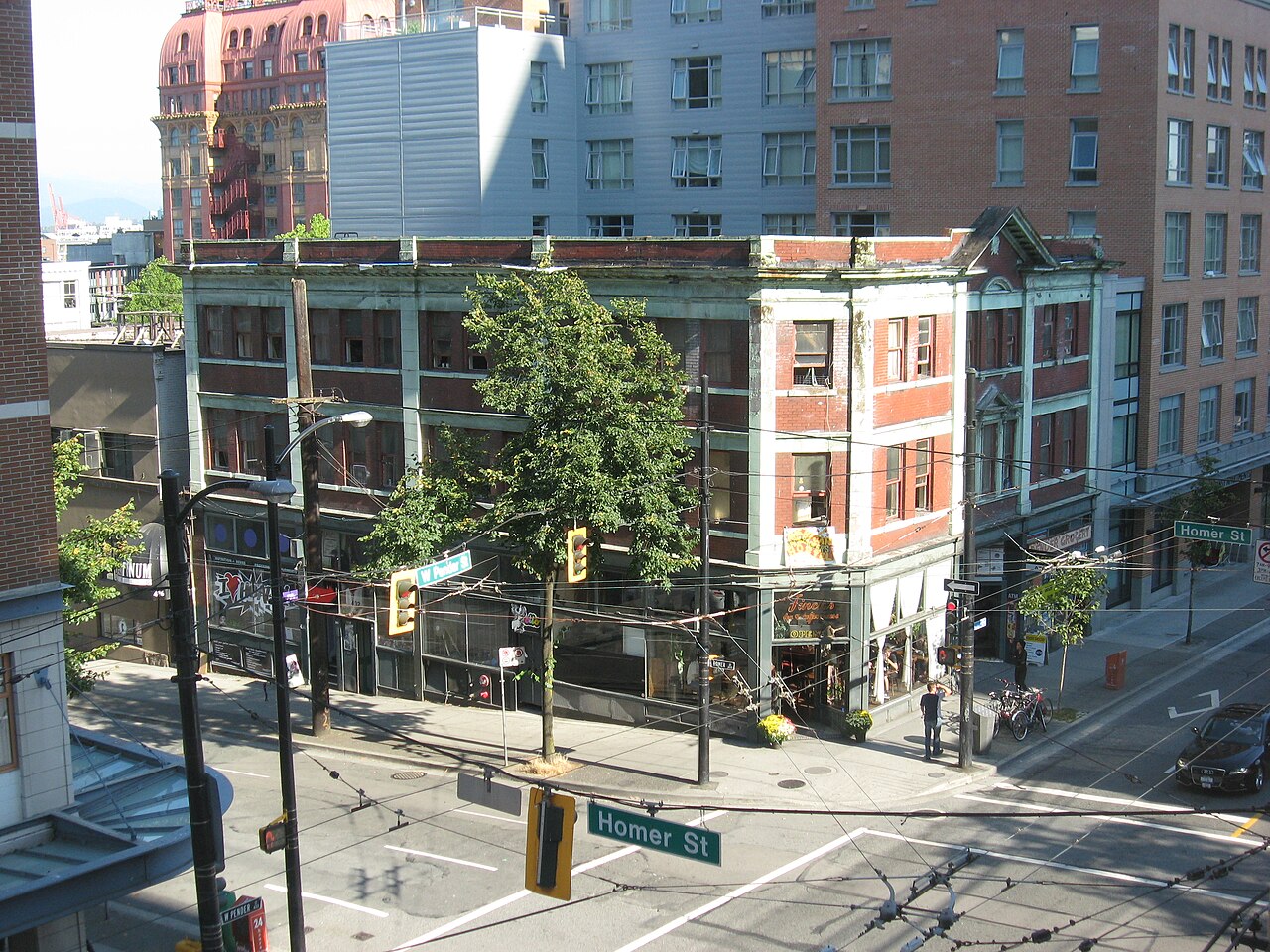
Harbour Centre stands in downtown Vancouver near the waterfront and central business district. Waterfront Station is nearby and connects SkyTrain, buses, and SeaBus services, making the lookout convenient from other parts of the region. Visitors staying downtown can often approach on foot through the central street grid. The tower is a strong visual landmark, although the final approach leads through a busy commercial area. Driving is less convenient in the dense centre, where parking adds time and cost. Combine the visit with waterfront, Gastown, or central downtown exploration.
Checked 2026-08-26 · Source
Cloud, fog, rain, and low visibility can substantially reduce the views, so the attraction’s value depends on the conditions above the city as well as at street level. Height and the glass elevator may be uncomfortable for visitors with acrophobia. Reflections from the windows can complicate photography, especially when interior lighting is bright. Busy periods may make the deck harder to enjoy at your own pace. Harbour Centre is in a dense urban area, so allow time for the building entrance and remain aware of belongings while moving through crowded downtown streets.
Checked 2026-08-26 · Source
The observation deck provides subjects in every direction: mountains to the north, water and distant land beyond the city, and dense urban corridors across the downtown area. Walk around the full perimeter to compare the changing views before settling on compositions. Windows can create reflections, so place the camera close to the glass and block stray interior light where practical. Wide-angle lenses suit broad landscapes, while shorter lenses isolate towers, streets, and mountain details. Clear weather gives the strongest distant views, and evening light can turn the city into a pattern of illuminated streets if the deck is open.
Checked 2026-08-26 · Source
The observation deck provides panoramic views of downtown Vancouver, the waterfront, surrounding mountains, and the urban landscape in every direction.
Visitors ride a glass elevator inside Harbour Centre to reach the elevated circular observation deck.
Plan for thirty minutes to one hour to circle the deck, study views in each direction, identify landmarks, and take photographs.
No. Vancouver Lookout is a ticketed attraction, so admission is required for the observation-deck experience.
Clear conditions provide the strongest mountain, water, and city views. Rain, fog, and low cloud can obscure substantial parts of the panorama.
Walk around the full deck, use the different compass directions, and manage reflections by placing the camera close to the windows. Wide lenses suit the broad panorama.
Loading the interactive map…
The interactive map could not be loaded.
Last updated:
Source: OpenStreetMap contributors, Wikidata ·